Parliament Hill, Central Canada Travel Guide
Discover Canada's political heart: Explore Parliament Hill's history, architecture, and role in shaping the nation's future.
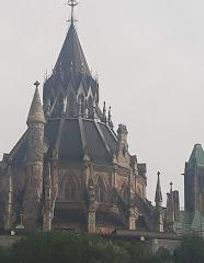
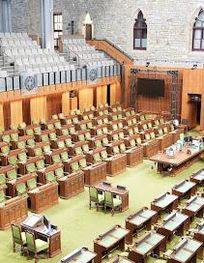
Parliament Hill, in downtown Ottawa, is home to Canada's Parliament Buildings and a National Historic Site. It features stunning Gothic Revival architecture and provides a gathering place for national celebrations and protests.
A brief summary to Parliament Hill
- Wellington St, Ottawa, Byward Market - Parliament Hill, Ontario, K1A 0A9, CA
- Click to display
- Click to display
- Monday 8:30 am-6 pm
- Tuesday 8:30 am-6 pm
- Wednesday 8:30 am-6 pm
- Thursday 8:30 am-6 pm
- Friday 8:30 am-5 pm

Know before you go
Hi, I'm Eve. Here are a few practical things to know before exploring Parliament Hill.
- Arrive early for tours, especially during peak season, to secure your spot. Tickets can be reserved online.
- Check the schedule for the Changing of the Guard ceremony (summer months) or the Christmas Lights Across Canada display (winter) for added spectacle.
- Wear comfortable shoes, as you'll be doing a lot of walking, especially if taking a tour.
- Be prepared for security screenings upon entry to any of the Parliament buildings.
- Explore the grounds surrounding the buildings to discover monuments and statues commemorating important figures in Canadian history.
Do you manage this location?
Take control to get all the benefits, like improved information, better appearance, and stronger visibility across AI-powered discovery. Learn more about listing your business on Evendo
Activate your presenceOther nearby places you may find interesting
The closest places of the same kind, if this one is not quite what you had in mind.
Explore Parliament Hill on the Map
A handpicked selection of must-see spots near Parliament Hill, mapped for you.
Unlock the Best of Parliament Hill
Buy tickets
-
No tickets available
Book tours with entry


Getting There
-
Walking
From the Byward Market, head west along Wellington Street. Parliament Hill will be on your left, approximately a 15-20 minute walk. This route offers views of the city and the Ottawa River. No costs involved.
-
Public Transport
From Ottawa Train Station, take the O-Train Line 1 towards Tunney's Pasture Station. Get off at Parliament Station. The journey takes approximately 5 minutes. Cost: A single ride fare is $4.
-
Taxi/Ride-sharing
From the National Gallery of Canada, a taxi or ride-sharing service to Parliament Hill takes about 5-10 minutes, depending on traffic. Cost: Expect to pay between $10 and $15.
Discover more about Parliament Hill













Your all‑in‑one travel companion app
Explore expert travel guides, compare and book tours, experiences, hotels, and more—all from the palm of your hand. Download now for seamless trip planning wherever your wanderlust takes you.


Explore More of Central Canada
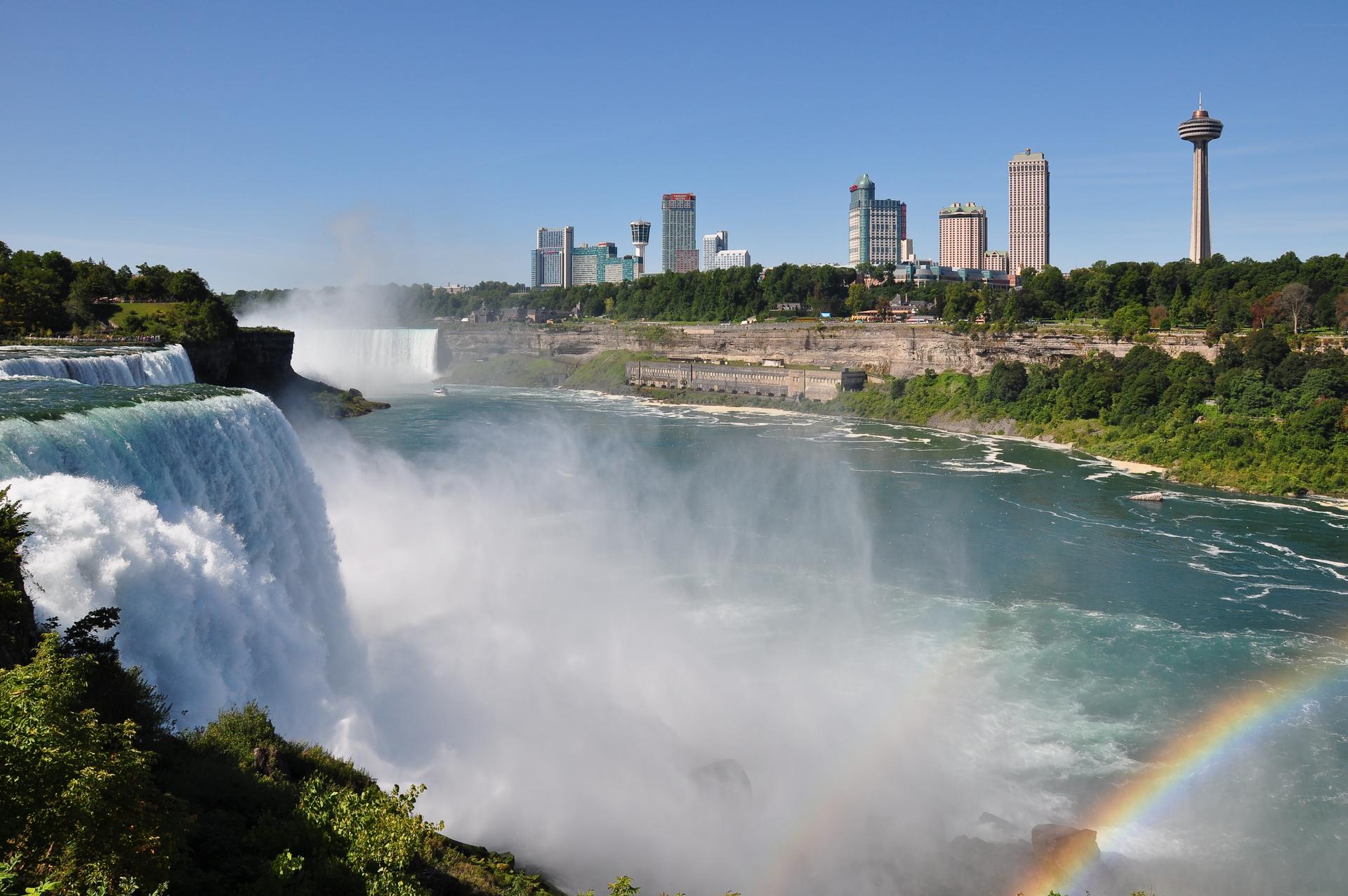
Looking beyond Parliament Hill? Discover Central Canada for broader travel guides, local hot-spots, and regional highlights.
Explore Central Canada