

Free Central Canada Travel Guide & Mobile App
Explore Central Canada with free travel guides. Discover regional history, expert tips, proposed trips, and audio guides on web or mobile app.


Discover the heart of Canada in Central Canada, where dynamic cities, stunning landscapes, and rich culture await. Explore Toronto, Montreal, Niagara Falls, and more.
Read more about Central Canada
When is the best time to visit Central Canada?
Best: June–August · 24–27°C| Month | High (°C) | Rainfall (mm) |
|---|---|---|
| January | -9 | 23 |
| February | -6 | 20 |
| March | 4 | 25 |
| April | 14 | 32 |
| May | 21 | 47 |
| June (best) | 24 | 57 |
| July (best) | 27 | 64 |
| August (best) | 25 | 60 |
| September | 19 | 52 |
| October | 11 | 38 |
| November | 3 | 30 |
| December | -7 | 26 |
Getting to and around Central Canada
How to get there
Transportation
Top city travel guides in Central Canada
The cities of Central Canada, and the easiest places to base yourself.
-

-

-

-

-

-


Swipe for more cities
Destinations in Central Canada
Resorts, valleys and scenic spots worth a trip of their own.
-

-

-

-

-


Swipe for more destinations
Best attractions in Central Canada
Central Canada, a region brimming with vibrant cities, stunning natural landscapes, and rich cultural heritage, promises an unforgettable experience for visitors. In bustling Toronto, explore the iconic CN Tower, world-class museums like the Royal Ontario Museum, and the eclectic neighborhoods of Kensington Market and Distillery District. Ottawa, the nation's capital, offers the grandeur of Parliament Hill, the historical Rideau Canal, and the captivating exhibits at the Canadian Museum of History. The scenic beauty of Algonquin Provincial Park provides an escape into nature with its lush forests, tranquil lakes, and abundant wildlife. Manitoba’s Winnipeg boasts the striking architecture of the Canadian Museum for Human Rights and the historic charm of the Exchange District. Immerse yourself in the indigenous cultures, diverse culinary scenes, and festivals that celebrate the region's multicultural tapestry, making Central Canada a destination that caters to every traveler's curiosity and sense of adventure.
-
 Market
The Forks Market
Experience the vibrant fusion of culture, shopping, and dining at The Forks Market, Winnipeg's iconic destination for tourists.
-
Tourist attraction
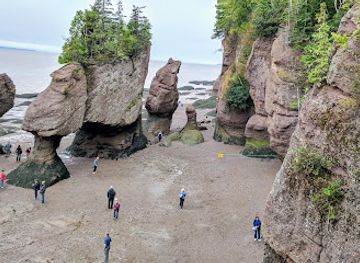
Hopewell Rocks Provincial Park
Explore the natural wonders of Hopewell Rocks Provincial Park, where breathtaking tidal landscapes and unique geological formations await.
-
Historical place museum
Upper Canada Village
Discover the charm of the past at Upper Canada Village, an immersive historical museum showcasing 19th-century Canadian life through interactive experiences.
-
Park
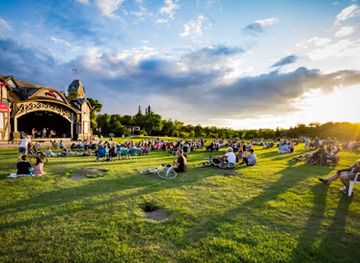
Assiniboine Park
Explore the tranquility of Assiniboine Park in Winnipeg, where gardens, art, and wildlife come together in a stunning urban escape.

Best landmarks in Central Canada
Central Canada is a treasure trove of iconic landmarks and hidden gems that beckon visitors with a blend of natural beauty and rich history. Start your journey in Manitoba's capital, Winnipeg, where the striking Canadian Museum for Human Rights stands as a testament to global struggles and triumphs. Move east to Ontario, where the bustling city of Toronto offers the architectural marvel of the CN Tower, one of the tallest freestanding structures in the world, providing breathtaking views of Lake Ontario. Ottawa, the nation's capital, invites you to explore the stunning Parliament Hill, with its Gothic Revival architecture and the ceremonial Changing of the Guard. Nature enthusiasts will be captivated by the rugged beauty of Algonquin Provincial Park, where pristine lakes and dense forests provide the perfect backdrop for canoeing, hiking, and wildlife spotting. Don't miss the charming historical town of Kingston, home to the UNESCO World Heritage Site, the Rideau Canal, a remarkable feat of engineering and a scenic waterway in summer and a picturesque skating rink in winter. Each landmark offers a unique glimpse into the vibrant tapestry that is Central Canada, promising an unforgettable adventure for every traveler.
-
Nature preserve
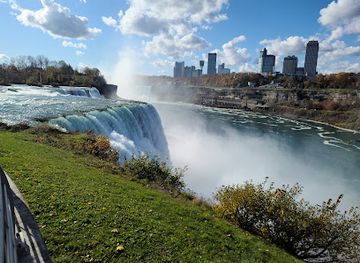
Niagara Falls
Experience the awe-inspiring power and beauty of Niagara Falls, a natural wonder shaped by glaciers and steeped in history.
-
Tourist attraction
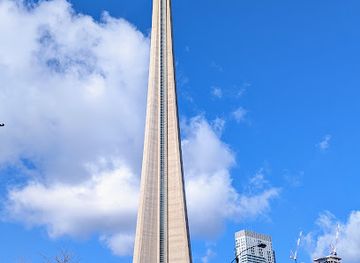
CN Tower
Experience breathtaking views and thrilling heights at Toronto's iconic CN Tower, a must-see landmark and a testament to Canadian innovation.
-
Historical place
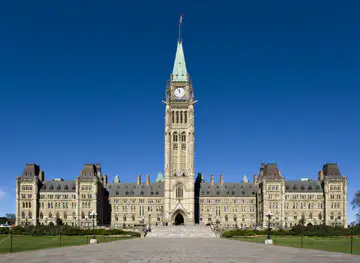
Parliament Hill
Discover Canada's political heart: Explore Parliament Hill's history, architecture, and role in shaping the nation's future.
-
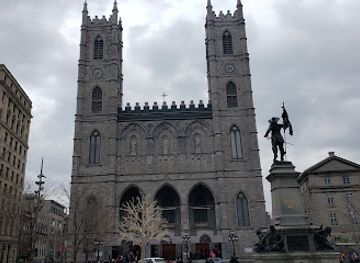
Basilica
Notre-Dame Basilica of Montreal
Discover Montreal's iconic Notre-Dame Basilica: A breathtaking masterpiece of Gothic Revival architecture and a symbol of the city's rich heritage.
Explore Central Canada on the map
Plan your trip on one map. See where the top cities, national parks and sights are, and book hotels and experiences in a few clicks.
Best hotels in Central Canada
Best restaurants in Central Canada
Central Canada offers a diverse and tantalizing dining scene that mirrors its multicultural mosaic, with everything from farm-to-table eateries showcasing the region's rich agricultural bounty to vibrant ethnic enclaves where you can savor authentic dishes from around the globe. In the heart of bustling cities like Winnipeg and Regina, you'll find gourmet restaurants helmed by award-winning chefs who reinvent classic Canadian cuisine with innovative twists, while quaint bistros in smaller towns serve up hearty comfort food that warms the soul. Don't miss the chance to explore local farmers' markets brimming with artisanal cheeses, freshly baked goods, and seasonal produce, or indulge in the unique culinary traditions of the Indigenous peoples, offering a profound connection to the land through their flavorsome dishes.
-
Canadian
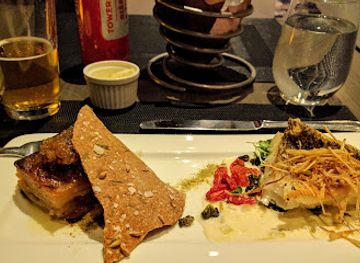
360 The Restaurant at the CN Tower
Elevate your dining experience with breathtaking views and exquisite Canadian cuisine at 360 The Restaurant in Toronto's iconic CN Tower.
-
Caribbean
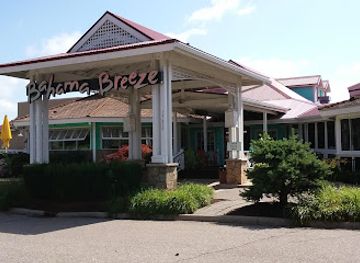
Bahama Breeze
Experience the vibrant flavors of Caribbean cuisine at Bahama Breeze in Livonia, MI – where every meal feels like a vacation.
-
Canadian
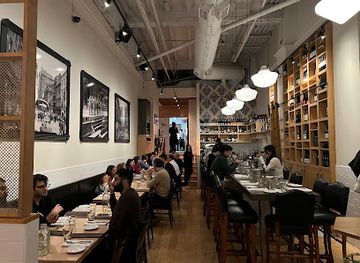
Richmond Station
Explore the vibrant flavors of Canada at Richmond Station - where local ingredients meet culinary creativity in downtown Toronto.
-
Restaurant
Antler Kitchen & Bar
Experience the best of Canadian cuisine at Antler Kitchen & Bar - where local ingredients meet culinary innovation.
Best bars in Central Canada
Central Canada’s nightlife offers an eclectic mix of experiences that cater to all tastes, from the pulsating energy of downtown Toronto’s vibrant club scene and the chic, sophisticated bars of Montreal, to the intimate, live music venues of Ottawa and Winnipeg’s burgeoning brewery scene. Visitors can dance the night away to world-class DJs, enjoy craft cocktails in stylish lounges with panoramic city views, or immerse themselves in the local culture with traditional folk music and unique performances. Whether you're seeking the thrill of a packed dance floor, the laid-back vibe of a cozy pub, or the cultural richness of historic entertainment districts, Central Canada's nightlife promises unforgettable evenings.
-
Grill
Loose Moose / Antler Room
Loose Moose / Antler Room: Your go-to gastropub in Toronto for gourmet burgers, chicken wings, and an impressive beer selection.
-
Sports bar
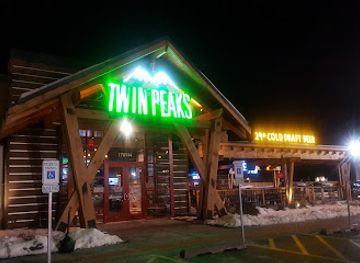
Twin Peaks
Experience the thrill of sports and delicious American cuisine at Twin Peaks, the premier sports bar in Oakbrook Terrace, Illinois.
-
Barbecue
The Carbon Bar
Experience authentic Southern barbecue in Toronto at The Carbon Bar, where mouthwatering flavors and a vibrant atmosphere await every visitor.
-
Cocktail bar
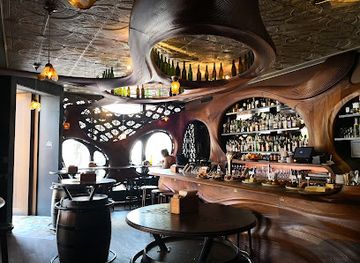
Bar Raval
Discover the vibrant flavors of Spain at Bar Raval, Toronto's premier cocktail and tapas bar, where every sip and bite tells a story.
Best nightclubs in Central Canada
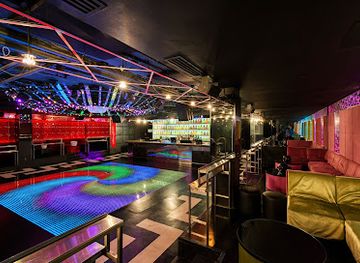
Central Canada’s nightlife offers an eclectic mix of experiences that cater to all tastes, from the pulsating energy of downtown Toronto’s vibrant club scene and the chic, sophisticated bars of Montreal, to the intimate, live music venues of Ottawa and Winnipeg’s burgeoning brewery scene. Visitors can dance the night away to world-class DJs, enjoy craft cocktails in stylish lounges with panoramic city views, or immerse themselves in the local culture with traditional folk music and unique performances. Whether you're seeking the thrill of a packed dance floor, the laid-back vibe of a cozy pub, or the cultural richness of historic entertainment districts, Central Canada's nightlife promises unforgettable evenings.
-
Night club
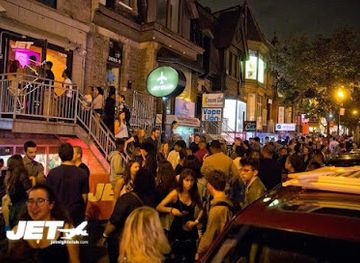
Jet Night Club
Dive into a night of unforgettable fun at Jet Night Club, Montreal's top destination for dancing, drinks, and dynamic nightlife.
-
Night club
PiNK Bar and Lounge
Discover Saskatoon's nightlife at PiNK Bar and Lounge - a lively venue for dancing, karaoke, and delicious food in a vibrant atmosphere.
-
Night club
Penrose YXE
Penrose YXE: Dive into Saskatoon's vibrant nightlife at this premier night club, where music, dancing, and cocktails come together for an unforgettable experience.
-
Night club
Club Electric Avenue
Immerse yourself in Montreal's vibrant nightlife at Club Electric Avenue, where electrifying music and a lively atmosphere await.


Best shops in Central Canada
Central Canada offers an eclectic shopping experience that caters to every type of traveler, from bustling urban centers to charming small towns. In cosmopolitan hubs like Toronto and Ottawa, visitors can explore high-end boutiques, sprawling malls, and artisan markets featuring local crafts and gourmet foods. The historic Distillery District in Toronto is a must-visit for its unique blend of Victorian-era industrial architecture and modern art galleries, while Ottawa's ByWard Market brims with fresh produce, handcrafted goods, and vibrant street performances. Venture further to discover quaint shops and antique stores nestled in picturesque towns such as Stratford and Kingston, where cobblestone streets and heritage buildings create an enchanting backdrop for treasure hunting. Whether you're seeking designer labels, one-of-a-kind souvenirs, or locally-made delicacies, Central Canada’s diverse shopping scene promises an unforgettable experience for all.
-
Shopping mall
Square One Shopping Centre
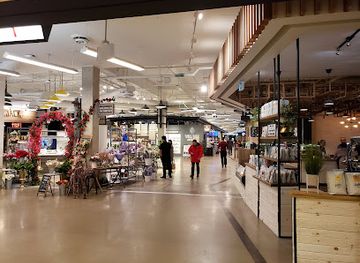
Discover the ultimate shopping experience at Square One Shopping Centre, Ontario's largest mall, featuring over 360 stores and diverse dining options.
-
Outlet mall
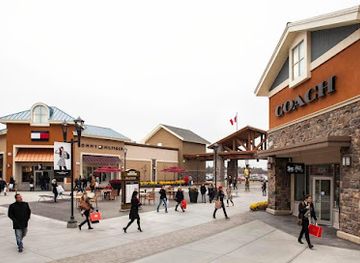
Premium Outlets Montréal
Discover unbeatable deals at Premium Outlets Montréal, your ultimate shopping destination with top brand discounts and a vibrant outdoor experience.
-
Gift shop
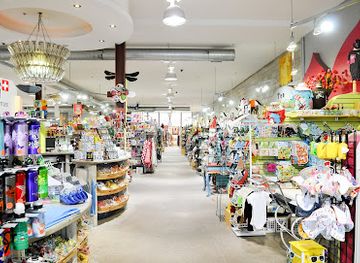
Blue Banana Market
Explore Blue Banana Market in Kensington for unique gifts and souvenirs that capture the essence of Toronto's vibrant culture.
-
Historical place
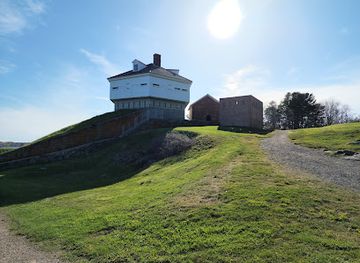
Fort McClary State Historic Site
Discover the rich history and scenic beauty of Fort McClary State Historic Site in Kittery Point, Maine.
Get your free copy of our complete guide to Central Canada, delivered straight to you.
Everything on this page, from attractions and restaurants to essentials and local phrases, in one PDF you can read offline, print or share.
Already have an account? Sign in
Your Central Canada guide is ready.
We'll send it to · Not you? Sign out

Getting your guide ready…
We are putting together a fresh copy of the Central Canada guide. This can take up to a minute.
This can take a few moments. If your browser asks, choose Allow so the download can start. You'll find the guide in your Downloads folder.
Nothing happened? Download it again
Sorry, the guide is taking longer than usual. Please try again in a minute, or get it by email instead.
Central Canada essentials
Currency and Payment
Safety
Emergency Situations
Do's and Don'ts
Local Tips
From Eve
Local phrases worth knowing
You don't need to get them perfect. A few words go a long way, and locals appreciate the effort.
Basics
| English | Local | Say it |
|---|---|---|
| Hello | Hello | [həˈloʊ] |
| Goodbye | Goodbye | [ɡʊdˈbaɪ] |
| Yes | Yes | [jɛs] |
| No | No | [noʊ] |
| Please/You're welcome | Please/You're welcome | [pliːz/ jʊr ˈwɛlkəm] |
| Thank you | Thank you | [θæŋk ju] |
| Excuse me/Sorry | Excuse me/Sorry | [ɪkˈskjuːz mi/ˈsɔːri] |
| How are you? | How are you? | [haʊ ɑːr ju] |
| Fine. And you? | Fine. And you? | [faɪn. ənd ju] |
| Do you speak English? | Do you speak English? | [du ju spiːk ˈɪŋɡlɪʃ] |
| I don't understand | I don't understand | [aɪ doʊnt ˌʌndərˈstænd] |
Eating & Drinking
| English | Local | Say it |
|---|---|---|
| I'd like to see the menu, please | I'd like to see the menu, please | [aɪd laɪk tə si ðə ˈmɛnjuː, pliːz] |
| I don't eat meat | I don't eat meat | [aɪ doʊnt iːt miːt] |
| Cheers! | Cheers! | [tʃɪrz] |
| I would like to pay, please | I would like to pay, please | [aɪ wʊd laɪk tə peɪ, pliːz] |
Emergencies
| English | Local | Say it |
|---|---|---|
| Help! | Help! | [hɛlp] |
| Go away! | Go away! | [ɡoʊ əˈweɪ] |
| Call the Police! | Call the Police! | [kɔːl ðə pəˈliːs] |
| Call a doctor! | Call a doctor! | [kɔːl ə ˈdɑːktər] |
| I'm lost | I'm lost | [aɪm lɔst] |
| I'm ill | I'm ill | [aɪm ɪl] |
Shopping
| English | Local | Say it |
|---|---|---|
| I'd like to buy... | I'd like to buy... | [aɪd laɪk tə baɪ...] |
| I'm just looking | I'm just looking | [aɪm dʒʌst ˈlʊkɪŋ] |
| How much is it? | How much is it? | [haʊ mʌtʃ ɪz ɪt] |
| That's too expensive | That's too expensive | [ðæts tuː ɪkˈspɛnsɪv] |
| Can you lower the price? | Can you lower the price? | [kæn ju ˈloʊər ðə praɪs] |
Time & Numbers
| English | Local | Say it |
|---|---|---|
| What time is it? | What time is it? | [wʌt taɪm ɪz ɪt] |
| It's one o'clock | It's one o'clock | [ɪts wʌn əˈklɒk] |
| Half past (10) | Half past (10) | [hæf pæst (10)] |
| Morning | Morning | [ˈmɔrnɪŋ] |
| Afternoon | Afternoon | [ˌæftərˈnun] |
| Evening | Evening | [ˈiːvnɪŋ] |
| Yesterday | Yesterday | [ˈjɛstərdeɪ] |
| Today | Today | [təˈdeɪ] |
| Tomorrow | Tomorrow | [təˈmɔroʊ] |
| 1 | 1 | [wʌn] |
| 2 | 2 | [tuː] |
| 3 | 3 | [θriː] |
| 4 | 4 | [fɔːr] |
| 5 | 5 | [faɪv] |
| 6 | 6 | [sɪks] |
| 7 | 7 | [sɛvən] |
| 8 | 8 | [eɪt] |
| 9 | 9 | [naɪn] |
| 10 | 10 | [tɛn] |
Transport & Directions
| English | Local | Say it |
|---|---|---|
| Where's a/the...? | Where's a/the...? | [wɛrz ə/ðə...?] |
| What's the address? | What's the address? | [wʌts ði ˈædrɛs?] |
| Can you show me (on the map)? | Can you show me (on the map)? | [kæn ju ʃoʊ mi (ɑn ðə mæp)?] |
| When's the next (bus)? | When's the next (bus)? | [wɛn's ðə nɛkst (bʌs)?] |
| A ticket (to ....) | A ticket (to ....) | [ə ˈtɪkɪt (tə ....)] |
History of Central Canada
Indigenous Peoples of Central Canada
Before European contact, Central Canada was home to diverse Indigenous groups such as the Anishinaabe, Cree, and Haudenosaunee. These communities had rich cultures, distinct languages, and complex social structures. They engaged in trade, agriculture, and hunting, and their legacy continues to influence the region's culture and traditions today.
Arrival of European Explorers
In the early 17th century, French explorers like Samuel de Champlain and Étienne Brûlé ventured into Central Canada, establishing fur trade routes and alliances with Indigenous communities. These early interactions paved the way for further European colonization and the development of the fur trade industry.
The Fur Trade Era
The fur trade became a cornerstone of Central Canada's economy in the 17th and 18th centuries. Major trading posts, such as Fort William and Fort York, were established. The Hudson's Bay Company and the North West Company were two prominent fur trading entities that competed for dominance in the region.
The War of 1812
Central Canada played a significant role in the War of 1812 between the United States and British North America. Key battles, like the Battle of Crysler's Farm and the Battle of Queenston Heights, took place in this region. The war's outcome helped solidify Canadian identity and border.
Formation of the Province of Canada
In 1841, the Act of Union merged Upper Canada (now Ontario) and Lower Canada (now Quebec) into the Province of Canada. This political restructuring aimed to address governance issues and unify the colony. The capital alternated between Kingston, Montreal, Toronto, and Quebec City during this period.
Confederation and Expansion
On July 1, 1867, the British North America Act united Ontario, Quebec, New Brunswick, and Nova Scotia into the Dominion of Canada. Central Canada, comprising Ontario and Quebec, became the heartland of the new nation. The construction of the Canadian Pacific Railway facilitated further expansion and economic growth.
Industrialization and Urbanization
The late 19th and early 20th centuries saw rapid industrialization and urbanization in Central Canada. Cities like Toronto, Montreal, and Ottawa grew rapidly, becoming economic and cultural hubs. The region's manufacturing sector flourished, attracting immigrants and fostering diverse communities.
The Quiet Revolution
The 1960s in Quebec marked the Quiet Revolution, a period of intense socio-political and cultural change. This era saw the secularization of society, the rise of the Quebec sovereignty movement, and significant reforms in education, healthcare, and the economy. The Quiet Revolution profoundly reshaped Quebec's identity and its relationship with the rest of Canada.
Expo 67 and Canadian Centennial
Expo 67, held in Montreal, was a defining moment in Central Canada's history. As part of Canada's centennial celebrations, the World's Fair showcased the country's achievements and promoted cultural exchange. It attracted millions of visitors and left a lasting legacy on Montreal's urban landscape.
The Oka Crisis
In 1990, the Oka Crisis highlighted the ongoing struggles and land disputes between Indigenous communities and the Canadian government. The standoff between the Mohawk Nation and authorities over land development near Oka, Quebec, brought national and international attention to Indigenous rights issues in Central Canada.
Central Canada in Photos
Browse through our photo collection highlighting the charm and character of the destination.
Neighbouring regions of Central Canada
The closest regions to Central Canada, if you have time for more than one.
-

-

-

-

-


Swipe for more regions
Explore more

Explore more of Canada
Discover Canada's breathtaking landscapes, diverse cities, and rich cultural heritage. A must-visit destination for outdoor adventures and vibrant urban experiences.
Explore Canada