

Free Barh El Gazel Travel Guide & Mobile App
Explore Barh El Gazel with free travel guides. Discover regional history, expert tips, proposed trips, and audio guides on web or mobile app.


Explore Barh El Gazel in Chad for Sahelian landscapes, seasonal waterways, pastoral culture and the caravan history around Moussoro.
Read more about Barh El Gazel
When is the best time to visit Barh El Gazel?
Best: November–January · 28–30°C| Month | High (°C) | Rainfall (mm) |
|---|---|---|
| January (best) | 29 | 0 |
| February | 32 | 0 |
| March | 35 | 1 |
| April | 39 | 1 |
| May | 42 | 1 |
| June | 44 | 2 |
| July | 43 | 2 |
| August | 41 | 3 |
| September | 39 | 1 |
| October | 35 | 1 |
| November (best) | 30 | 0 |
| December (best) | 28 | 0 |
Getting to and around Barh El Gazel
How to get there
Transportation
Best landmarks in Barh El Gazel
The most significant landmarks in Barh El Gazel are landscape features and places that express the region’s relationship with water and movement. The Bahr el-Ghazal seasonal watercourse gives the region its name and represents the narrow ecological margin on which pasture, settlement and travel depend. The open steppe and sandy plains around Moussoro are also defining geographical landmarks, although their appearance changes markedly after seasonal rain. Moussoro itself is the region’s principal civic reference point, linking administrative services, markets and routes across a very large territory. Unlike Chad’s better-known ancient centres farther north and around the Lake Chad basin, Barh El Gazel has relatively few monumental structures prepared for tourism. Its historical landmarks are often implicit: wells, routes, market spaces and settlement sites associated with pastoral and caravan movement. Access to such places should be arranged locally, since some are working resources rather than attractions and may carry cultural or practical sensitivities.
-
 River
Bahr El Ghazal
Discover the serene beauty of Bahr El Ghazal, a captivating river in Chad, where nature and culture intertwine for an unforgettable experience.
Explore Barh El Gazel on the map
Plan your trip on one map. See where the top cities, national parks and sights are, and book hotels and experiences in a few clicks.
Best hotels in Barh El Gazel
Best restaurants in Barh El Gazel
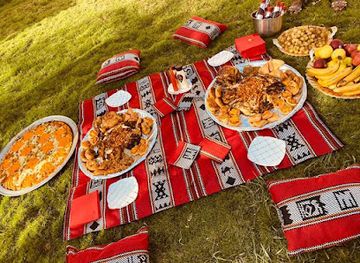
Dining in Barh El Gazel is simple, local and closely tied to what can be transported or produced in a dry environment. In Moussoro, visitors are likely to encounter basic eateries and household cooking rather than a developed restaurant scene. Meals may draw on millet or sorghum, rice, beans, vegetables when available, and goat, beef or other livestock products, with sauces providing flavour and nourishment. Sweet tea is an important social refreshment across much of the Sahel, although preparation and strength vary between households. Dairy products can be significant in pastoral communities, but availability and hygiene conditions differ, so visitors should choose food and water carefully. Markets are useful for fruit, bread, grains and packaged provisions when supplies arrive, but selection can be irregular. Travellers heading beyond Moussoro should carry dependable food supplies and purification arrangements rather than expecting cafés, cold storage or regular roadside meals. Alcohol is not central to local dining culture, and respectful visitors should follow local customs, especially during religious occasions.
-
Restaurant
Rotana Salam Sudanese Restaurant
Experience the rich flavors of authentic Sudanese cuisine at Rotana Salam Restaurant in N'Djamena - where every dish tells a story.
-
Restaurant
Green Park HOTEL (INDIEN)
Experience authentic Chadian cuisine at Green Park Hotel in Goz Kerke – where every dish tells a story.
Best bars in Barh El Gazel
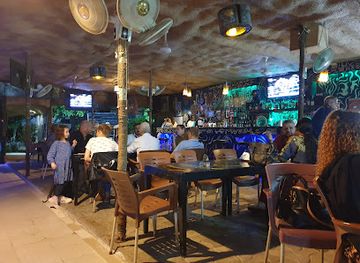
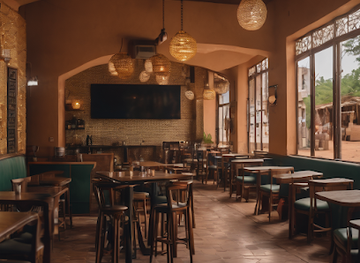
Barh El Gazel does not have a substantial nightclub or entertainment district. Evening social life is more likely to centre on family visits, tea, small eateries, conversation and community gatherings, particularly in Moussoro. In a predominantly Muslim region, alcohol is not central to public life, and visitors should not assume that bars or late-night venues are available. Rural evenings are shaped by heat, darkness, security considerations and the demands of livestock and travel, while electricity and telecommunications can be limited outside the regional capital. Visitors should avoid moving around after dark, arrange evening transport in advance and respect local expectations around dress, photography and social behaviour. Any organised cultural gathering should be approached through a trusted local contact rather than treated as a public tourist event.
-
Bar
Perception Pub-Restaurant
Experience the vibrant blend of local and international cuisines at Perception Pub-Restaurant in N'Djamena, where great food meets lively atmosphere.
-
Bar
stinkey fard
Experience the vibrant charm of Stinkey Fard, a unique bar in Djedid where locals and visitors enjoy great drinks and a welcoming atmosphere.
-
Bar
doom cafe
Experience the lively atmosphere and unique drinks at Doom Cafe in Ati—your go-to bar for relaxation and socializing.
-
Bar
Kirikou Bar
Discover the vibrant nightlife at Kirikou Bar in N'Djamena, where local culture meets modern entertainment in a lively atmosphere.
Best shops in Barh El Gazel
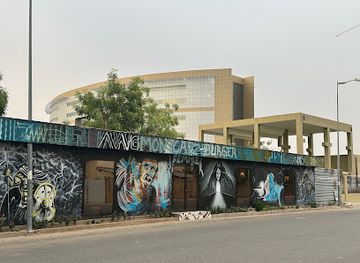
Shopping in Barh El Gazel is concentrated in Moussoro and serves local households, travellers and pastoral economies rather than international tourism. Markets and small shops may offer grains, tea, dried foods, clothing, household goods, livestock-related items and basic travel provisions, with availability changing according to transport and season. Visitors should not expect a large crafts quarter, shopping centre or dependable range of souvenirs. Useful purchases include packaged food, water containers and locally appropriate textiles, while any handicrafts or decorative objects should be bought directly and respectfully, without pressure to photograph makers or communities. Regional markets may also provide an insight into the movement of livestock and agricultural goods between the town and surrounding settlements. Cash is essential, and bargaining should be conducted politely rather than aggressively. Because supplies are uncertain beyond Moussoro, travellers undertaking an overland journey should purchase fuel-related necessities, food, medicines and water-treatment supplies before leaving the regional capital.
-
Supermarket
Modern Market
Explore Modern Market in N'Djamena for a unique shopping experience filled with local flavors, fresh produce, and authentic souvenirs.
-
Store
Arabic gum stores
Explore the aromatic world of Arabic gum stores in N'Djamena, where tradition and flavor come together in a unique shopping experience.
-
Electronics store
Quartier Centre
Explore Quartier Centre in Moussoro – a vibrant electronics store offering the latest gadgets and a taste of local culture.
-
Store
Boutique de djiddo
Explore the rich culture of Massaguet at Boutique de djiddo, where unique local crafts and souvenirs await every traveler.
Get your free copy of our complete guide to Barh El Gazel, delivered straight to you.
Everything on this page, from attractions and restaurants to essentials and local phrases, in one PDF you can read offline, print or share.
Already have an account? Sign in
Your Barh El Gazel guide is ready.
We'll send it to · Not you? Sign out

Getting your guide ready…
We are putting together a fresh copy of the Barh El Gazel guide. This can take up to a minute.
This can take a few moments. If your browser asks, choose Allow so the download can start. You'll find the guide in your Downloads folder.
Nothing happened? Download it again
Sorry, the guide is taking longer than usual. Please try again in a minute, or get it by email instead.
Barh El Gazel essentials
Currency and Payment
Safety
Emergency Situations
Do's and Don'ts
Local Tips
From Eve
Local phrases worth knowing
You don't need to get them perfect. A few words go a long way, and locals appreciate the effort.
Basics
| English | Local | Say it |
|---|---|---|
| Hello | Nya | [n'yah] |
| Goodbye | Barka | [bar-kah] |
| Yes | Ee | [ee] |
| No | Maa | [mah] |
| Please/You're welcome | Tashkour | [tash-kour] |
| Thank you | Chukran | [shook-ran] |
| Excuse me/Sorry | Aasif | [ah-seef] |
| How are you? | Kayfa halak? | [kay-fah hah-lak] |
| Fine. And you? | Ana bikhayr. Wa anta? | [ah-nah bee-khayr. wah an-tah?] |
| Do you speak English? | Hal tatakallam al-ingliziya? | [hal tah-tah-kah-lam al-in-gli-zee-yah?] |
| I don't understand | Ana la afham | [ah-nah lah af-ham] |
Eating & Drinking
| English | Local | Say it |
|---|---|---|
| I'd like to see the menu, please | Uridu an ara al-menu, min fadlik | [oo-ree-doo an ah-rah al-meh-noo, min fah-dlik] |
| I don't eat meat | Ana la akul lahm | [ah-nah lah ah-kool lahm] |
| Cheers! | Nashrah | [nash-rah] |
| I would like to pay, please | Uridu an adfa'a, min fadlik | [oo-ree-doo an add-fah, min fah-dlik] |
Emergencies
| English | Local | Say it |
|---|---|---|
| Help! | Alon! | [ah-lon] |
| Go away! | Izhab! | [iz-hab] |
| Call the Police! | Ittasil bil-shurta! | [it-ta-sil bil-shur-tah] |
| Call a doctor! | Ittasil bi-tabeeb! | [it-ta-sil bi-ta-beeb] |
| I'm lost | Ana dhahibt | [ah-nah dhah-eebt] |
| I'm ill | Ana marid | [ah-nah ma-reed] |
Shopping
| English | Local | Say it |
|---|---|---|
| I'd like to buy... | Uridu an ashtari... | [oo-ree-doo an ash-ta-ree...] |
| I'm just looking | Ana ashir | [ah-nah ash-eer] |
| How much is it? | Kam thamanuh? | [kam thah-ma-noo?] |
| That's too expensive | Dhak ghali jidan | [dhak ghah-lee jee-dahn] |
| Can you lower the price? | Hal yumkinuk khafdh al-thaman? | [hal yum-ki-nook khaf-dh al-thah-man?] |
Time & Numbers
| English | Local | Say it |
|---|---|---|
| What time is it? | Ay waqt? | [ay waqt] |
| It's one o'clock | As-saa al-wahida | [as-sah al-wah-idah] |
| Half past (10) | Nisf al-ashra | [nisf al-ash-rah] |
| Morning | Sabah | [sah-bah] |
| Afternoon | Thalath | [thah-lahth] |
| Evening | Masa | [mah-sah] |
| Yesterday | Ams | [ams] |
| Today | Al-yawm | [al-yawm] |
| Tomorrow | Ghad | [ghad] |
| 1 | Wahid | [wah-heed] |
| 2 | Ithnain | [ith-nain] |
| 3 | Thalatha | [thah-lah-thah] |
| 4 | Arba'a | [ar-ba'ah] |
| 5 | Khamsa | [kham-sah] |
| 6 | Sitta | [sit-tah] |
| 7 | Sab'a | [sab-ah] |
| 8 | Thamaniya | [tha-ma-ni-yah] |
| 9 | Tis'a | [tis-ah] |
| 10 | Ashara | [ash-ar-ah] |
Transport & Directions
| English | Local | Say it |
|---|---|---|
| Where's a/the...? | Ayna...? | [ay-nah] |
| What's the address? | Ma huwa al-unwan? | [ma hoo-wah al-un-wan?] |
| Can you show me (on the map)? | Hal yumkinuk an turini (ala al-kharta)? | [hal yum-ki-nook an too-ree-nee (ah-lah al-khar-tah)?] |
| When's the next (bus)? | Mata al-hafila al-qadima? | [ma-tah al-ha-fi-lah al-qah-dee-mah?] |
| A ticket (to ....) | Tazkara (ila ...) | [taz-kar-ah (ee-lah ...)] |
History of Barh El Gazel
Ancient Sahelian Settlement and Water Networks
The territory of present-day Barh El Gazel has long been shaped by the availability of water in an otherwise dry environment. Seasonal channels, depressions and wells supported movement by herders, traders and small agricultural communities. Much of the early history is preserved through the wider archaeological and environmental record of the Lake Chad and central Saharan region rather than through monumental ruins in the modern region. The survival of seasonal routes and water points remains central to understanding how people have occupied this landscape.
Kanem-Bornu and the Lake Chad World
From the medieval period, the area formed part of the wider commercial and cultural sphere influenced by the Kanem and later Bornu states around Lake Chad. Political control varied across the steppe, but rulers, scholars, merchants and pastoral groups were connected by caravan routes and Islamic networks. Barh El Gazel’s location between the lake basin and the interior gave its routes strategic importance, particularly for the movement of livestock, salt and other goods between settlements and seasonal markets.
Caravan Trade and Pastoral Mobility
For centuries, long-distance commerce and pastoral migration moulded the region more profoundly than permanent towns. Caravans depended on known wells and staging points, while pastoral groups moved livestock according to rainfall, pasture and agreements over access to water. These patterns helped link Barh El Gazel with Kanem, the Lake Chad basin and northern Saharan territories. Contemporary settlement patterns, market activity and the importance of local knowledge still reflect this older geography of movement.
French Conquest and Colonial Administration
French military expansion into Chad during the early twentieth century brought the region into the colonial framework of French Equatorial Africa. Administration was uneven in the remote Sahel, relying on military posts, appointed authorities and control of major routes rather than dense infrastructure. Colonial rule altered taxation, trade regulation and political relationships without eliminating pastoral mobility. The road and administrative connections that later supported Moussoro’s regional role developed within this broader period of external rule.
Independence and the Transformation of Regional Administration
Chad became independent in 1960, but political instability and conflict affected transport, administration and economic life across the country’s northern and central areas. Barh El Gazel was established as a modern administrative region in the early twenty-first century, with Moussoro as its capital. The region’s current identity therefore combines older cultural and ecological links with a relatively recent state framework. Administrative boundaries do not erase the cross-regional routes followed by herders, traders and families.
Drought, Water Stress and Sahelian Adaptation
Severe droughts across the Sahel in the late twentieth century placed exceptional pressure on livestock, pasture and water supplies, causing displacement and intensifying competition over scarce resources. Barh El Gazel remains highly exposed to rainfall variability, desertification pressures and changing patterns of mobility. Communities continue to adapt through seasonal movement, livestock trading, cultivation where conditions permit and reliance on wells and temporary water sources. These environmental realities are essential to understanding both the region’s economy and the practical difficulty of travel.
Barh El Gazel in Photos
Browse through our photo collection highlighting the charm and character of the destination.
Neighbouring regions of Barh El Gazel
The closest regions to Barh El Gazel, if you have time for more than one.
-

-

-

-

-


Swipe for more regions
Explore more

Explore more of Chad
Discover Chad: Explore Africa's untouched landscapes, rich cultural heritage, and captivating wildlife in one of the continent's most enchanting and remote destinations.
Explore Chad