

Free Lac Travel Guide & Mobile App
Explore Lac with free travel guides. Discover regional history, expert tips, proposed trips, and audio guides on web or mobile app.


Explore Lac in Chad through Lake Chad’s changing wetlands, fishing communities and Sahelian history only with rigorous security planning.
Read more about Lac
When is the best time to visit Lac?
Best: April–May, October · 24–30°C| Month | High (°C) | Rainfall (mm) |
|---|---|---|
| January | 13 | 36 |
| February | 14 | 33 |
| March | 19 | 41 |
| April (best) | 24 | 47 |
| May (best) | 30 | 56 |
| June | 36 | 44 |
| July | 39 | 35 |
| August | 38 | 37 |
| September | 33 | 34 |
| October (best) | 26 | 41 |
| November | 15 | 43 |
| December | 11 | 45 |
Getting to and around Lac
How to get there
Transportation
Destinations in Lac
Resorts, valleys and scenic spots worth a trip of their own.

Swipe for more destinations
Best attractions in Lac
Lac has few conventional tourist attractions and should not be approached as an established sightseeing destination. Its principal interest is the Lake Chad environment: shallow channels, reed beds, seasonal wetlands, sandy shores and settlements whose livelihoods combine fishing, farming and pastoralism. Around Bol, authorised observers may gain a carefully managed understanding of lake-based economies and the pressures created by changing water conditions. The region’s historical attraction lies in its connection with the wider Kanem-Bornu world and the old trans-Sahelian routes that linked communities around the basin, rather than in a dense collection of preserved monuments. Birdlife and aquatic habitats are important in ecological terms, but viewing them requires local permission, specialist knowledge and security assessment. There is no dependable network of visitor facilities, marked excursions or recreational boat tours. Humanitarian and research visits are distinct from tourism and must not be treated as opportunities for casual photography or unannounced access to communities. Any proposed cultural, environmental or landscape visit should be arranged through a responsible local organisation and reviewed against current security and administrative conditions.
-
Lake
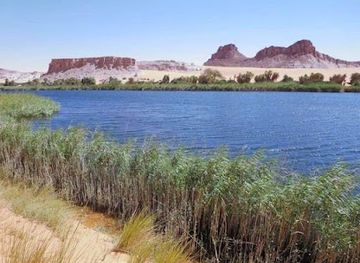
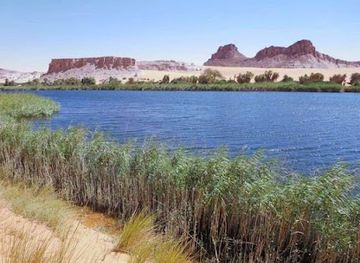
Lake Chad
Discover the breathtaking vistas and vibrant ecosystems of Lake Chad, a natural wonder in Central Africa rich in culture and adventure.
-
Lake
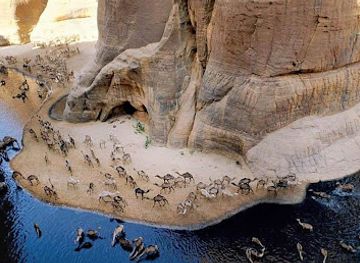
Guelta d'Archei Lake
Discover the breathtaking beauty and rich biodiversity of Guelta d'Archei Lake, a hidden oasis in the Sahara Desert, perfect for adventure and exploration.
-
Lake
Lake Yoa
Experience the tranquility and natural beauty of Lake Yoa, a hidden gem in Chad perfect for relaxation and adventure amidst stunning landscapes.
-
 Tourist attraction
Ardèbè
Explore Ardèbèbè, a serene tourist attraction in Moulouang, Cameroon, offering breathtaking landscapes and rich cultural experiences.

Best landmarks in Lac
The defining landmark of Lac is Lake Chad itself, a vast and changeable inland-water system whose channels, marshes and open-water areas shift with season and rainfall. Its physical presence explains the region’s settlement patterns, fishing economy and difficult transport network, while its changing outline illustrates the environmental pressures affecting the wider basin. Bol is the region’s principal administrative centre and the most recognisable settlement associated with the Chadian shore, although its significance is practical rather than architectural. The broader landscape also contains traces of the historical world shaped by Kanem-Bornu, Islam and trans-Sahelian trade, but the region is not known for a concentration of preserved castles, monumental ruins or formally developed heritage sites. Local mosques, market spaces, boats, fishing equipment and lakeside settlements may carry cultural importance, yet they are lived places rather than open-air museum exhibits. Access to all sensitive or community-owned sites requires permission, and photography should never be assumed to be acceptable. The lake and its human landscape are therefore best understood through responsible, guided observation rather than a checklist of monuments.
-
Lake
Lake Chad
Explore the enchanting beauty of Lake Chad, a unique ecosystem in Africa, perfect for adventure seekers and nature lovers alike.
-
Mosque
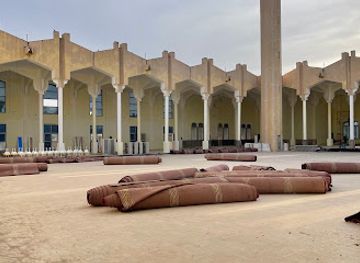
N'Djamena Grand Mosque
Discover the N'Djamena Grand Mosque: A stunning architectural gem and a symbol of Chad's rich Islamic heritage and vibrant community life.
-
National museum
National Museum of Chad
Explore Chad's vibrant history at the National Museum of Chad – a cultural treasure trove in N'Djamena showcasing artifacts and traditions.
-
National park
Zakouma National Park
Discover the untamed wilderness of Zakouma National Park, a sanctuary for wildlife enthusiasts and a breathtaking escape into nature's beauty.
Explore Lac on the map
Plan your trip on one map. See where the top cities, national parks and sights are, and book hotels and experiences in a few clicks.
Best hotels in Lac
Best restaurants in Lac
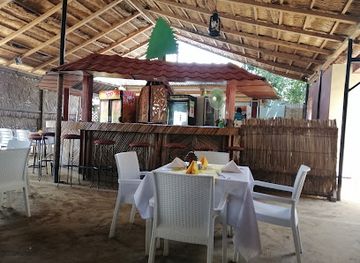
Dining in Lac is primarily local, informal and dependent on what can be produced or transported in a demanding Sahelian environment. Millet and other grains, rice, beans, vegetables, goat or other meats, and freshwater fish are important parts of regional foodways, although availability varies by season, market access and security conditions. Fish from Lake Chad may be prepared simply, while tea and shared meals are important elements of hospitality across the wider Chadian and Sahelian setting. In Bol, modest eateries and market-based food may be available, but visitors should not assume consistent opening arrangements, refrigeration, hygiene standards or supplies. Organised travellers should bring suitable food reserves and follow their host organisation’s advice on water, raw produce and safe preparation. There is no established restaurant scene aimed at international tourism, and international dishes or specialist dietary requirements may be difficult to obtain. Eating respectfully with local hosts, where appropriate and properly arranged, offers more cultural insight than searching for formal dining venues.
-
Hotel
La Résidence Hotel N'Djamena
Discover comfort and convenience at La Résidence Hotel N'Djamena - your perfect base in Chad's vibrant capital.
-
Cafe
Amandine Bakery
Discover Amandine Bakery in N'Djamena - your go-to spot for delicious pastries and authentic Chadian flavors.
-
Restaurant
Layalina
Experience the rich flavors of Chad at Layalina - N'Djamena's premier destination for authentic cuisine and warm hospitality.
-
Restaurant
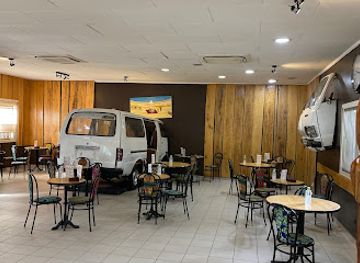
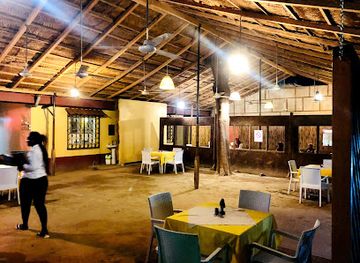
Perception Pub-Restaurant
Experience the vibrant culinary scene at Perception Pub-Restaurant in N'Djamena, blending local flavors with an inviting bar atmosphere.

Best bars in Lac
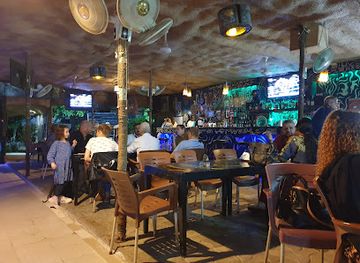
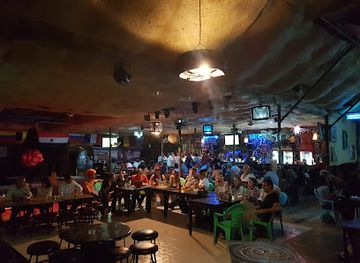
Lac does not have a developed nightlife industry, and visitors should not expect a club scene, dedicated entertainment district or late-night venue network. Evening social life is more likely to centre on family compounds, tea gatherings, modest cafés or community settings, with patterns varying between urban Bol and smaller settlements. Alcohol is not central to public life in this predominantly Muslim region, and local customs should be respected rather than treated as an obstacle to leisure. Security restrictions may require authorised visitors to remain within secure accommodation after dark, while limited electricity, communications and transport make spontaneous evening movement impractical. Any social invitation should be handled through a trusted local intermediary, with sensitivity to privacy, religious practice and community norms. Organised travellers should prioritise rest, communications and security procedures over entertainment, particularly when operating in remote or displacement-affected areas.
-
Cafe
Amandine Bakery
Discover a delightful blend of local flavors and baked goods at Amandine Bakery in N'Djamena, a must-visit cafe for tourists seeking a cozy atmosphere.
-
Restaurant
Layalina
Explore the rich flavors of Chad at Layalina, N'Djamena's premier restaurant offering a delightful fusion of local and international cuisines.
-
Bar
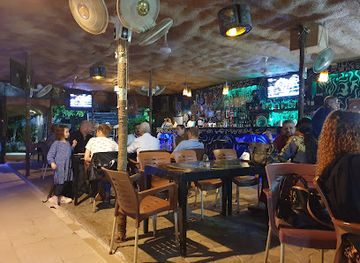
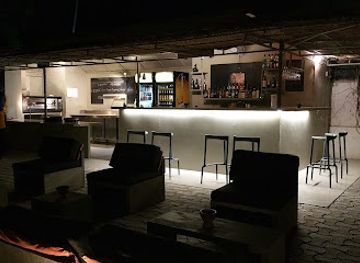
Perception Pub-Restaurant
Discover the vibrant atmosphere of Perception Pub-Restaurant in N'Djamena, where delightful local and international cuisine meets warm hospitality.
-
Restaurant
Au Bout Des Doigts
Experience authentic Chadian cuisine at Au Bout Des Doigts, a must-visit restaurant in N'Djamena for discerning food lovers.
Best nightclubs in Lac
Lac does not have a developed nightlife industry, and visitors should not expect a club scene, dedicated entertainment district or late-night venue network. Evening social life is more likely to centre on family compounds, tea gatherings, modest cafés or community settings, with patterns varying between urban Bol and smaller settlements. Alcohol is not central to public life in this predominantly Muslim region, and local customs should be respected rather than treated as an obstacle to leisure. Security restrictions may require authorised visitors to remain within secure accommodation after dark, while limited electricity, communications and transport make spontaneous evening movement impractical. Any social invitation should be handled through a trusted local intermediary, with sensitivity to privacy, religious practice and community norms. Organised travellers should prioritise rest, communications and security procedures over entertainment, particularly when operating in remote or displacement-affected areas.
-
Restaurant
Perception Pub-Restaurant
Discover the vibrant culinary scene at Perception Pub-Restaurant in N'Djamena, where local flavors meet international cuisine in a lively atmosphere.
-
Restaurant
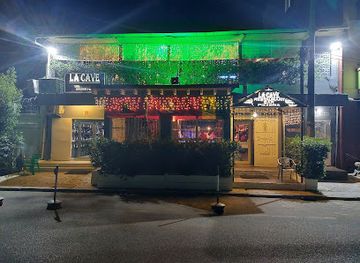
La CAVE
Experience the best of N'Djamena at La CAVE, a top-rated pizza restaurant serving delicious Italian cuisine in a cozy atmosphere.
-
Restaurant
Zenzibar
Discover Zenzibar, a premier Asian restaurant in N'Djamena, offering an unforgettable dining experience with exquisite flavors and a welcoming ambiance.
-
Night club
Lake Chad Club
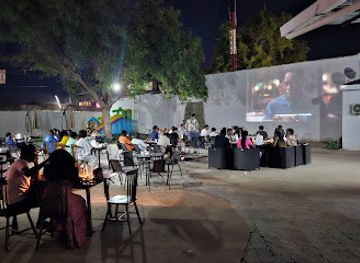
Dive into the vibrant nightlife of Lake Chad Club in Maiduguri, where music, dance, and culture come alive in an electrifying atmosphere.
Best shops in Lac
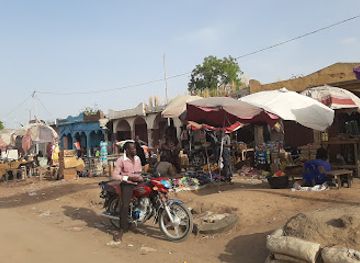
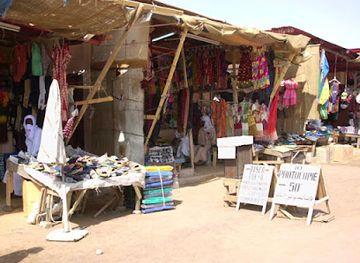
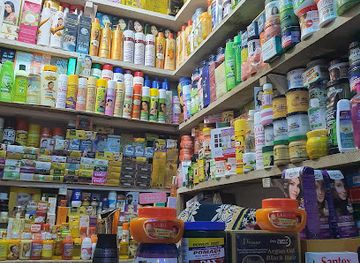
Shopping in Lac is local and practical, centred on markets and small traders rather than formal retail streets or shopping centres. Depending on season and security, visitors may find fish, grain, livestock products, household goods, tea, fabrics and simple clothing, while crafts and locally made objects may appear in small quantities. Trade around Lake Chad has historically connected fishing communities, farmers and pastoralists, so market activity reflects the movement of food and everyday necessities more than a dedicated souvenir economy. Availability can be irregular, and visitors should not assume that a particular market day, craft product or exchange facility will operate during a planned visit. Ask before photographing vendors, goods or market activity, and bargain only courteously where local practice permits it. Travellers should avoid buying archaeological objects, protected wildlife products or items whose origin cannot be established. Secure transport, cash management and the advice of a local intermediary are more important than seeking extensive retail choices.
-
Supermarket
Modern Market
Discover local flavors and international goods at Modern Market, the premier supermarket in N'Djamena for tourists and locals alike.
-
Market
Dembé Market
Discover the authentic flavors and vibrant culture at Dembé Market in N'Djamena, Chad, a true gem for local crafts and cuisine.
-
Market
Central Market السوق المركزي
Explore the vibrant Central Market in N'Djamena for authentic local culture, delicious food, and unique handicrafts in a lively atmosphere.
-
Grocery store
Le GRAND MARCHE
Explore the vibrant flavors and rich culture of Chad at Le GRAND MARCHE, a local grocery store in N'Djamena.

Get your free copy of our complete guide to Lac, delivered straight to you.
Everything on this page, from attractions and restaurants to essentials and local phrases, in one PDF you can read offline, print or share.
Already have an account? Sign in
Your Lac guide is ready.
We'll send it to · Not you? Sign out

Getting your guide ready…
We are putting together a fresh copy of the Lac guide. This can take up to a minute.
This can take a few moments. If your browser asks, choose Allow so the download can start. You'll find the guide in your Downloads folder.
Nothing happened? Download it again
Sorry, the guide is taking longer than usual. Please try again in a minute, or get it by email instead.
Lac essentials
Currency and Payment
Safety
Emergency Situations
Do's and Don'ts
Local Tips
From Eve
Local phrases worth knowing
You don't need to get them perfect. A few words go a long way, and locals appreciate the effort.
Basics
| English | Local | Say it |
|---|---|---|
| Hello | Nǝnǝ | [nen-eh] |
| Goodbye | Wǝlǝnǝ | [weh-len-eh] |
| Yes | Awa | [ah-wah] |
| No | Ayi | [ah-yee] |
| Please/You're welcome | Bǝrǝ | [beh-reh] |
| Thank you | Mǝnǝ bǝlǝ | [meh-neh beh-leh] |
| Excuse me/Sorry | Sǝnǝ | [seh-neh] |
| How are you? | Nǝnǝ bǝnǝ? | [nen-eh beh-neh] |
| Fine. And you? | Bǝnǝ. Wǝlǝ nǝ? | [beh-neh weh-leh nen-eh] |
| Do you speak English? | Nǝnǝ tǝ Ɛnglǝs? | [nen-eh teh eng-less] |
| I don't understand | Nǝnǝ sǝnǝ bǝnǝ | [nen-eh seh-neh beh-neh] |
Eating & Drinking
| English | Local | Say it |
|---|---|---|
| I'd like to see the menu, please | Bǝrǝ, nǝnǝ gǝnǝ mǝnǝ? | [beh-reh nen-eh geh-neh men-eh] |
| I don't eat meat | Nǝnǝ sǝnǝ dǝngǝ | [nen-eh seh-neh den-geh] |
| Cheers! | Mǝnǝ bǝlǝ! | [meh-neh beh-leh] |
| I would like to pay, please | Bǝrǝ, nǝnǝ kǝsǝ | [beh-reh nen-eh keh-seh] |
Emergencies
| English | Local | Say it |
|---|---|---|
| Help! | Nǝnǝ gǝnǝ! | [nen-eh geh-neh] |
| Go away! | Wǝlǝ gǝnǝ! | [weh-leh geh-neh] |
| Call the Police! | Nǝnǝ gǝnǝ Pǝlǝsǝ! | [nen-eh geh-neh peh-leh-seh] |
| Call a doctor! | Nǝnǝ gǝnǝ dǝktǝr! | [nen-eh geh-neh deh-kter] |
| I'm lost | Nǝnǝ dǝnǝ wǝlǝ | [nen-eh deh-neh weh-leh] |
| I'm ill | Nǝnǝ dǝnǝ sǝdǝ | [nen-eh deh-neh seh-deh] |
Shopping
| English | Local | Say it |
|---|---|---|
| I'd like to buy... | Bǝrǝ, nǝnǝ dǝnǝ... | [beh-reh nen-eh den-eh] |
| I'm just looking | Nǝnǝ bǝnǝ gǝnǝ | [nen-eh beh-neh geh-neh] |
| How much is it? | Gǝnǝ kǝtǝ? | [geh-neh keh-teh] |
| That's too expensive | Nǝnǝ bǝnǝ dǝgǝ | [nen-eh beh-neh deh-geh] |
| Can you lower the price? | Nǝnǝ gǝnǝ dǝgǝ kǝtǝ? | [nen-eh geh-neh deh-geh keh-teh] |
Time & Numbers
| English | Local | Say it |
|---|---|---|
| What time is it? | Gǝnǝ tǝmǝ gǝnǝ? | [geh-neh teh-meh geh-neh] |
| It's one o'clock | Gǝnǝ wǝnǝ | [geh-neh wen-eh] |
| Half past (10) | Gǝnǝ tǝnǝ dǝnǝ | [geh-neh ten-eh deh-neh] |
| Morning | Nǝnǝ zǝnǝ | [nen-eh zen-eh] |
| Afternoon | Nǝnǝ sǝnǝ | [nen-eh seh-neh] |
| Evening | Nǝnǝ wǝlǝ | [nen-eh weh-leh] |
| Yesterday | Nǝnǝ bǝnǝ tǝnǝ | [nen-eh beh-neh ten-neh] |
| Today | Nǝnǝ bǝnǝ gǝnǝ | [nen-eh beh-neh geh-neh] |
| Tomorrow | Nǝnǝ bǝnǝ wǝnǝ | [nen-eh beh-neh wen-eh] |
| 1 | Wǝnǝ | [wen-eh] |
| 2 | Tǝnǝ | [ten-eh] |
| 3 | Tǝrǝ | [ter-eh] |
| 4 | Fǝrǝ | [fer-eh] |
| 5 | Fǝvǝ | [fiv-eh] |
| 6 | Sǝkǝ | [sek-eh] |
| 7 | Sǝvǝnǝ | [sev-ehn] |
| 8 | Eǝtǝ | [eht-eh] |
| 9 | Nǝnǝ | [nen-eh] |
| 10 | Tǝnǝ | [ten-eh] |
Transport & Directions
| English | Local | Say it |
|---|---|---|
| Where's a/the...? | Gǝnǝ ǝnǝ...? | [geh-neh eh-neh] |
| What's the address? | Gǝnǝ kǝrǝ? | [geh-neh keh-reh] |
| Can you show me (on the map)? | Nǝnǝ gǝnǝ gǝnǝ (ǝnǝ mǝpǝ)? | [nen-eh geh-neh geh-neh eh-neh meh-peh] |
| When's the next (bus)? | Gǝnǝ nǝnǝ wǝlǝ (bǝsǝ)? | [geh-neh nen-eh weh-leh beh-seh] |
| A ticket (to ....) | Nǝnǝ gǝnǝ tǝkǝtǝ (tǝ ....) | [nen-eh geh-neh tek-eh-teh teh] |
History of Lac
Early Lake Chad Communities and Trade
The Lake Chad basin has supported fishing, farming, herding and exchange for thousands of years. Archaeological evidence from the wider basin records changing settlements and long adaptation to fluctuating water levels, while the lake’s channels and floodplains encouraged movement between communities. Fish, livestock, grain and salt circulated through local and regional markets. The Lac region formed part of this wider Sahelian world rather than an isolated lakeside society, with seasonal movement helping people respond to water, pasture and harvest conditions.
The Kanem Empire, c. Ninth to Fourteenth Centuries
From around the ninth century, the Kanem Empire developed to the north and east of Lake Chad and became one of the major Islamic states of the central Sahel. Its influence extended across territories connected by caravan routes, political alliances and commerce. The lake basin supplied food and transport links, while rulers used Islam and long-distance trade to strengthen authority. Although the core of Kanem lay mainly outside modern Lac Region, the region belonged to the same connected political and economic landscape.
Kanem-Bornu and the Lake Chad Basin
From the late medieval period, the political centre of the old Kanem state shifted westwards and evolved into the Kanem-Bornu Empire. Its rulers controlled important routes linking the central Sudan, the Sahara and areas south of the lake. Islamic scholarship, court culture and commercial networks expanded during this period. Communities around Lake Chad were affected by the empire’s authority and trading system, even where direct administration was light. This legacy remains visible in the region’s Islamic traditions, languages, trade connections and historical identity.
Nineteenth-Century Regional Rivalries
During the nineteenth century, the Lake Chad basin experienced political competition, military expansion and shifts in trade routes. The weakening of older imperial structures allowed new leaders and armed forces to challenge established authorities, while commercial networks continued to connect the lake with the Sahara and neighbouring savannahs. These changes affected taxation, security and population movement around the lake. The period also brought growing external interest in the central Sudan, setting the stage for European conquest and the division of the basin between colonial powers.
French Colonial Rule and the Creation of Chad
French forces gradually incorporated the territories of modern Chad into French Equatorial Africa during the early twentieth century. Colonial administration altered existing political relationships, introduced new systems of taxation and labour, and redirected some trade and transport towards administrative centres. The lake remained difficult to govern because of its changing waterways and dispersed settlements. Colonial boundaries divided communities and older economic networks across what are now Chad, Niger, Nigeria and Cameroon, a legacy that continues to shape movement and regional relations.
Independence and National Conflict
Chad became independent in 1960, but political conflict and armed rebellion soon affected much of the country. The north and west, including the wider Lake Chad region, experienced the consequences of state weakness, military confrontation and disrupted trade. National conflicts involving governments and armed movements repeatedly displaced civilians and damaged infrastructure. Lac’s distance from N’Djamena, limited roads and reliance on seasonal movement made public services and administration particularly difficult to maintain.
Environmental Change and Contemporary Displacement
Since the late twentieth century, changing rainfall patterns, evaporation, degraded soils and intense pressure on water and pasture have made livelihoods around Lake Chad more precarious. The lake has not simply disappeared; its water surface expands and contracts across a complex system of open water, marshes and channels. Since the 2010s, attacks by armed groups and military operations in the wider basin have added severe insecurity, prompting displacement into and within the region. Humanitarian organisations now form an important part of the contemporary landscape, alongside fishing, farming and pastoral economies.
Lac in Photos
Browse through our photo collection highlighting the charm and character of the destination.
Neighbouring regions of Lac
The closest regions to Lac, if you have time for more than one.
-

-

-

-

-


Swipe for more regions
Explore more

Explore more of Chad
Discover Chad: Explore Africa's untouched landscapes, rich cultural heritage, and captivating wildlife in one of the continent's most enchanting and remote destinations.
Explore Chad