

Free Hadjer-Lamis Travel Guide & Mobile App
Explore Hadjer-Lamis with free travel guides. Discover regional history, expert tips, proposed trips, and audio guides on web or mobile app.


Explore Hadjer-Lamis in Chad for Sahelian landscapes, Lake Chad communities and carefully organised journeys through the western basin.
Read more about Hadjer-Lamis
When is the best time to visit Hadjer-Lamis?
Best: November–January · 29–31°C| Month | High (°C) | Rainfall (mm) |
|---|---|---|
| January (best) | 29 | 0 |
| February | 31 | 0 |
| March | 36 | 1 |
| April | 40 | 3 |
| May | 43 | 5 |
| June | 42 | 11 |
| July | 39 | 21 |
| August | 37 | 25 |
| September | 37 | 16 |
| October | 35 | 5 |
| November (best) | 31 | 1 |
| December (best) | 29 | 0 |
Getting to and around Hadjer-Lamis
How to get there
Transportation
Top city travel guides in Hadjer-Lamis
The cities of Hadjer-Lamis, and the easiest places to base yourself.

Swipe for more cities
Best attractions in Hadjer-Lamis
-
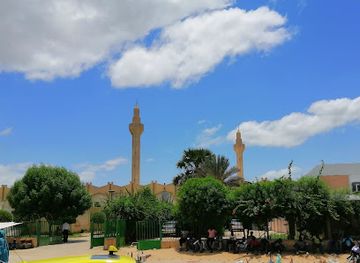
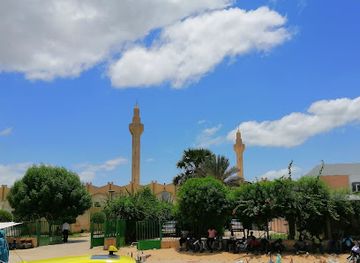
Mosque
N'Djamena Grand Mosque
Explore the architectural beauty and spiritual significance of N'Djamena Grand Mosque, a must-visit landmark in Chad's capital city.
-
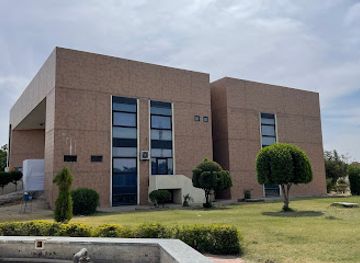
National museum
National Museum of Chad
Explore the National Museum of Chad to uncover the fascinating history and cultural heritage of this unique African nation.
-
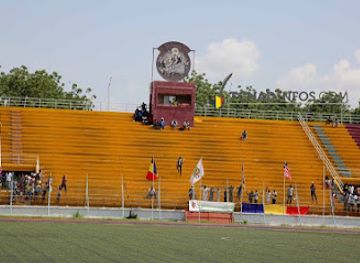
Stadium
Idriss Mahamat Ouya Omnisports Stadium
Explore the vibrant sports culture at Idriss Mahamat Ouya Omnisports Stadium in N'Djamena, Chad, where thrilling events and local passion come alive.
-
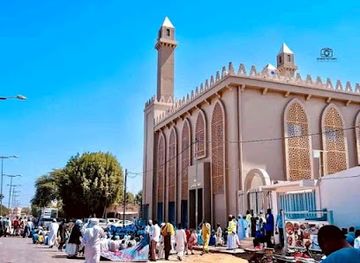
Mosque
Ndjamena
Explore N'Djamena, Chad's bustling capital, where cultural richness meets spiritual heritage in a vibrant cityscape.
Best landmarks in Hadjer-Lamis
The most significant landmarks of Hadjer-Lamis are geographical and cultural rather than monumental. The Lake Chad shoreline and its changing channels form the region's defining natural reference point, although the exact appearance and accessibility of the water's edge vary with season and local conditions. Massakory is the principal urban landmark in administrative terms, with public buildings, markets and streets reflecting the practical role of a regional centre rather than a preserved historic quarter. Elsewhere, mosques, wells, market spaces and settlement compounds can be important local landmarks, but they should be visited only with permission and should not be treated as photographic scenery. The open Sahelian country between settlements is itself historically meaningful: tracks, grazing areas and seasonal depressions reveal how communities organise movement around scarce water and pasture. Hadjer-Lamis does not possess a widely developed circuit of castles, cathedrals or monumental archaeological sites. Its landmarks are best understood through the relationship between landscape, livelihood and the long history of the Lake Chad basin.
-
Mosque
N'Djamena Grand Mosque
Discover the architectural beauty and spiritual significance of the N'Djamena Grand Mosque, a must-visit attraction in Chad's vibrant capital.
-
National museum
National Museum of Chad
Discover the vibrant history and culture of Chad at the National Museum, a must-visit destination in N'Djamena for all travelers.
Explore Hadjer-Lamis on the map
Plan your trip on one map. See where the top cities, national parks and sights are, and book hotels and experiences in a few clicks.
Best hotels in Hadjer-Lamis
Best restaurants in Hadjer-Lamis
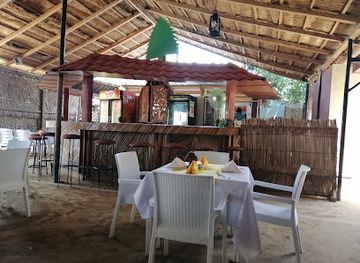
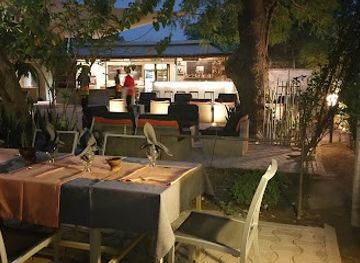
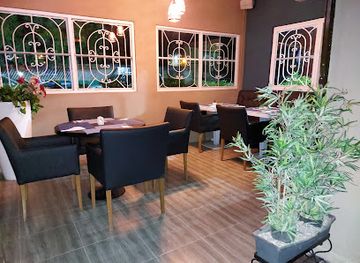
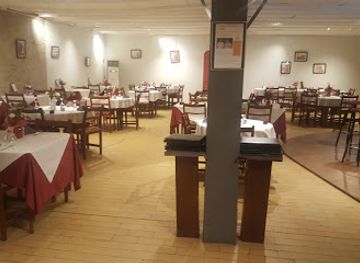
Dining in Hadjer-Lamis is principally local and practical rather than organised around a formal restaurant scene. In Massakory, visitors may find simple eateries and tea stalls serving staples common across Chad, such as millet or sorghum preparations, rice, beans, sauces, grilled meat and seasonal vegetables. Around the Lake Chad basin, fish can be locally important, although availability, preparation and sourcing vary by community and season. Tea is a familiar part of social and commercial life, while dates and other preserved or transported foods reflect the region's Sahelian trading connections. Travellers should not expect a broad international menu, reliable refrigeration or consistent opening arrangements outside the main administrative centres. Organisations and hotels may provide pre-arranged meals, but dietary requirements need to be discussed before travelling. Food bought in markets should be selected carefully, with safe drinking water carried from a dependable source. Dining customs differ between households and communities, so accept invitations respectfully without assuming that a particular practice applies everywhere.
-
Restaurant
Layalina
Discover the rich flavors of Chad at Layalina, where local traditions meet international cuisine in a welcoming atmosphere.
-
Restaurant
Perception Pub-Restaurant
Discover Perception Pub-Restaurant in N'Djamena: A culinary haven blending traditional flavors with vibrant nightlife.
-
Restaurant
Au Bout Des Doigts
Experience authentic Chadian flavors at Au Bout Des Doigts in N'Djamena – where every dish tells a story.
-
Restaurant
La CAVE
Experience authentic Italian pizza made with local ingredients at La CAVE in N'Djamena - a culinary delight you won't want to miss.
Best bars in Hadjer-Lamis
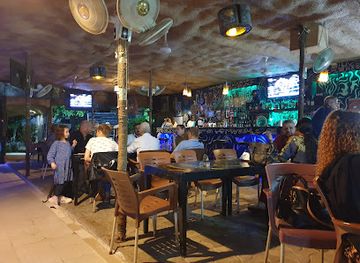
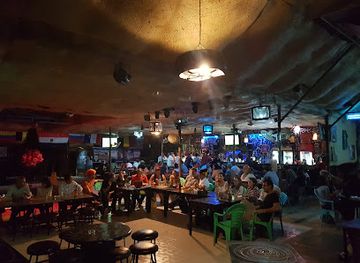
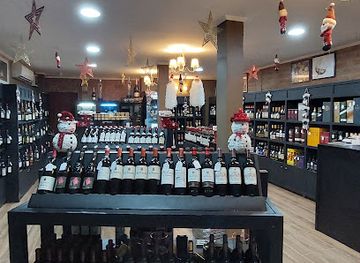
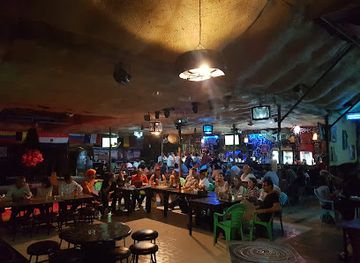
Hadjer-Lamis does not have a significant, organised nightclub circuit. Evening life is more likely to centre on family compounds, tea stalls, modest eateries and social gatherings in Massakory and other larger settlements. In rural areas, darkness, limited electricity, security restrictions and long distances mean that there is little conventional nightlife. Alcohol is not an essential part of social life and may be inappropriate in some communities; visitors should follow local expectations and the guidance of their hosts. Any hotel or restaurant offering evening refreshments should be treated as a local, limited facility rather than a dependable entertainment venue. Social visits, conversation and shared tea are more representative ways of experiencing the region after daytime travel, but visitors should respect household privacy and avoid moving around unfamiliar settlements at night.
-
Bar
Perception Pub-Restaurant
Discover the fusion of local culture and vibrant nightlife at Perception Pub-Restaurant in N'Djamena, the ideal spot for food and drinks.
-
Restaurant
La CAVE
Experience authentic Italian flavors at La CAVE, a top pizza restaurant in N'Djamena, where every slice tells a story of culinary passion.
-
Restaurant
Le Central Bar Restaurant Hôtel Pizzeria
Discover a taste of N'Djamena at Le Central Bar Restaurant Hôtel Pizzeria, where local flavors meet Italian cuisine in a cozy setting.
-
Restaurant
Aaya Narin Karmakar
Experience the vibrant flavors of Bokoro at Aaya Narin Karmakar, a restaurant blending traditional and contemporary cuisine.
Best nightclubs in Hadjer-Lamis
Hadjer-Lamis does not have a significant, organised nightclub circuit. Evening life is more likely to centre on family compounds, tea stalls, modest eateries and social gatherings in Massakory and other larger settlements. In rural areas, darkness, limited electricity, security restrictions and long distances mean that there is little conventional nightlife. Alcohol is not an essential part of social life and may be inappropriate in some communities; visitors should follow local expectations and the guidance of their hosts. Any hotel or restaurant offering evening refreshments should be treated as a local, limited facility rather than a dependable entertainment venue. Social visits, conversation and shared tea are more representative ways of experiencing the region after daytime travel, but visitors should respect household privacy and avoid moving around unfamiliar settlements at night.
-
Restaurant
Perception Pub-Restaurant
Discover vibrant dining at Perception Pub-Restaurant in N'Djamena, blending local flavors with a lively bar atmosphere.
-
 Night club
Lion’s club
Discover the vibrant nightlife at Lion's Club, the premier night club in N'Djamena, where the music never stops and the fun is endless.
-
Night club
SEID MAHAMAT ZAKARIA
Explore the vibrant nightlife of N'Djamena at Seid Mahamat Zakaria, where music, dance, and culture come alive in a thrilling atmosphere.
-
Disco club
Le VIP
Discover the energetic nightlife at Le VIP, the top disco club in N'Djamena, where music, dancing, and unforgettable memories await.
Best shops in Hadjer-Lamis
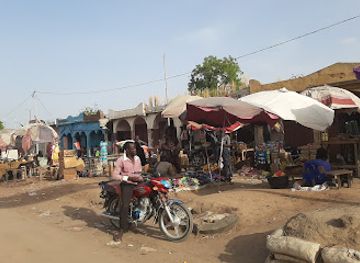
Shopping in Hadjer-Lamis is centred on local markets and everyday trade rather than dedicated tourist retail. Massakory is the most practical place to look for basic supplies, clothing, household goods, tea, grains and other provisions, while smaller settlements serve nearby pastoral, farming and fishing communities. Depending on season and availability, regional products may include dried or fresh fish, millet, sorghum, dates, livestock products and woven or leather goods. Selection and quality vary, and visitors should ask permission before photographing stalls, craftspeople or customers. There is little reason to expect a permanent range of packaged souvenirs, galleries or specialist boutiques. If buying locally made items, purchase directly and fairly without putting pressure on people to sell objects of cultural or household importance. Travellers should obtain fuel, water, medicines and other necessities before leaving N'Djamena or Massakory, since retail options become increasingly limited on remote roads and near the lake.
-
Supermarket
Modern Market
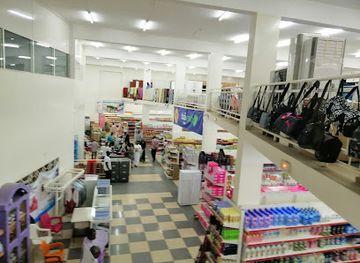
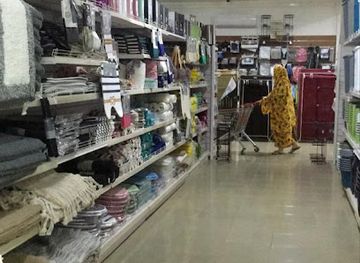
Explore the Modern Market in N'Djamena for a unique shopping experience filled with local flavors and vibrant culture.
-
Market
Dembé Market
Explore the vibrant Dembé Market in N'Djamena for an authentic taste of local culture, cuisine, and craftsmanship.
-
Coffee shop
ANTIQUE CAFÉ SNACK
Experience the warmth of N'Djamena at Antique Café Snack - your go-to coffee shop for local flavors and cozy ambiance.
-
Shopping mall
Orca Tchad
Discover the vibrant shopping experience at Orca Tchad, the premier shopping mall in N'Djamena, Chad offering diverse retail and dining options.
Get your free copy of our complete guide to Hadjer-Lamis, delivered straight to you.
Everything on this page, from attractions and restaurants to essentials and local phrases, in one PDF you can read offline, print or share.
Already have an account? Sign in
Your Hadjer-Lamis guide is ready.
We'll send it to · Not you? Sign out

Getting your guide ready…
We are putting together a fresh copy of the Hadjer-Lamis guide. This can take up to a minute.
This can take a few moments. If your browser asks, choose Allow so the download can start. You'll find the guide in your Downloads folder.
Nothing happened? Download it again
Sorry, the guide is taking longer than usual. Please try again in a minute, or get it by email instead.
Hadjer-Lamis essentials
Currency and Payment
Safety
Emergency Situations
Do's and Don'ts
Local Tips
From Eve
Local phrases worth knowing
You don't need to get them perfect. A few words go a long way, and locals appreciate the effort.
Basics
| English | Local | Say it |
|---|---|---|
| Hello | N'jam | [n'jam] |
| Goodbye | N'koul | [n'koul] |
| Yes | Ewe | [eh-weh] |
| No | Ayi | [ah-yee] |
| Please/You're welcome | S'il vous plaît | [seel voo pleh] |
| Thank you | Mèsi | [meh-see] |
| Excuse me/Sorry | Pardon | [par-don] |
| How are you? | N'jambé? | [n'jam-beh] |
| Fine. And you? | N'jàmbé. N'koul? | [n'jam-beh. n'koul?] |
| Do you speak English? | T'as l'anglais? | [ta ahn-glay?] |
| I don't understand | N'comprends pas | [n'kom-pran pah] |
Eating & Drinking
| English | Local | Say it |
|---|---|---|
| I'd like to see the menu, please | J'aimerais voir le menu, s'il vous plaît | [zhem-reh vwar luh meh-nu, seel voo pleh] |
| I don't eat meat | N'kâl pas de viande | [n'kal pah deh vyand] |
| Cheers! | Santé! | [sahn-tay] |
| I would like to pay, please | Je voudrais payer, s'il vous plaît | [zhuh voo-dray pay-ay, seel voo pleh] |
Emergencies
| English | Local | Say it |
|---|---|---|
| Help! | À l'aide! | [ah led] |
| Go away! | Va-t'en! | [vah-tahn] |
| Call the Police! | Appelez la police! | [ah-peh-lay lah poh-lees] |
| Call a doctor! | Appelez un médecin! | [ah-peh-lay uhn may-d-sin] |
| I'm lost | Je suis perdu | [zhuh swee pair-due] |
| I'm ill | Je suis malade | [zhuh swee mah-lahd] |
Shopping
| English | Local | Say it |
|---|---|---|
| I'd like to buy... | Je voudrais acheter... | [zhuh voo-dray ah-sheh-tay...] |
| I'm just looking | Je regarde juste | [zhuh reh-gard zhust] |
| How much is it? | C'est combien? | [seh kom-byen] |
| That's too expensive | C'est trop cher | [seh troh shair] |
| Can you lower the price? | Peux-tu baisser le prix? | [peuh-tyu beh-say luh pree?] |
Time & Numbers
| English | Local | Say it |
|---|---|---|
| What time is it? | Quelle heure est-il? | [kel uhr eh-teel] |
| It's one o'clock | Il est une heure | [eel eh yewn uhr] |
| Half past (10) | Dix et demi | [dees eh deh-mee] |
| Morning | Matin | [mah-tan] |
| Afternoon | Après-midi | [ah-preh mee-dee] |
| Evening | Soir | [swahr] |
| Yesterday | Hier | [ee-air] |
| Today | Aujourd'hui | [oh-zhoor-dwee] |
| Tomorrow | Demain | [deh-mahn] |
| 1 | Un | [uhn] |
| 2 | Deux | [duh] |
| 3 | Trois | [twah] |
| 4 | Quatre | [katr] |
| 5 | Cinq | [sank] |
| 6 | Six | [sees] |
| 7 | Sept | [set] |
| 8 | Huit | [weet] |
| 9 | Neuf | [nuhf] |
| 10 | Dix | [dees] |
Transport & Directions
| English | Local | Say it |
|---|---|---|
| Where's a/the...? | Où est le/la...? | [oo eh luh/lah...?] |
| What's the address? | Quelle est l'adresse? | [kel eh la-dres] |
| Can you show me (on the map)? | Peux-tu me montrer (sur la carte)? | [peuh-tyu muh mon-tray (sur lah kart)?] |
| When's the next (bus)? | Quand est le prochain (bus)? | [kahn eh luh pro-shen (bus)?] |
| A ticket (to ....) | Un billet (pour ...) | [uhn bee-yay (poor ...)] |
History of Hadjer-Lamis
Early Lake Chad Basin Communities
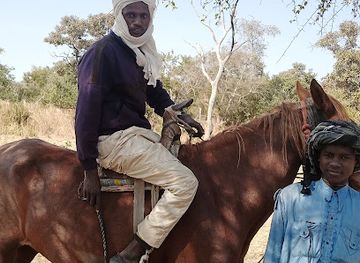
The Lake Chad basin has supported settled farming, fishing, hunting and mobile pastoralism since antiquity. Water levels, river channels and wetlands have shifted repeatedly, creating changing opportunities for cultivation and trade. The region now called Hadjer-Lamis formed part of this wider ecological and cultural zone rather than an isolated political unit. Archaeological evidence from the basin indicates long interaction between communities, with material exchange linking the lake margins to the central Sahel. Seasonal mobility remains an important historical response to the region's fluctuating water and pasture.
Kanem and the Islamic Sahel
From the medieval period, the western and northern shores of Lake Chad were influenced by the Kanem state and, later, the Kanem-Bornu imperial tradition. Political control varied over time, but rulers, scholars, merchants and religious networks helped connect the lake basin with Fezzan, Hausaland and other parts of the Sahel. Islam became a major force in governance, scholarship and commerce. Hadjer-Lamis's present communities inherited this wider regional history rather than a separate, self-contained tradition.
Trade, Pastoralism and Lake Chad Exchange
For centuries, movement across the lake basin combined caravan commerce with livestock transhumance, fishing and local agriculture. Markets linked producers and herders to settlements along routes leading towards the Chari River and the central Sahel. Lake Chad was not simply a fixed shoreline: islands, channels and marshes shaped routes and livelihoods, while drought and floods periodically altered them. These patterns explain the continuing importance of mobility, seasonal knowledge and market connections in Hadjer-Lamis.
French Colonial Expansion
French forces extended colonial control over the territories that became Chad during the late nineteenth and early twentieth centuries, gradually incorporating the Lake Chad basin into French Equatorial Africa. Colonial administration introduced new boundaries, taxation and military structures, while relying in part on existing authorities and commercial routes. The colonial period connected the region more closely to administrative centres such as Fort-Lamy, now N'Djamena, but did not erase older religious, pastoral and trading networks.
Independence and the Modern Chadian State
Chad became independent from France in 1960. Since then, the country has experienced political instability, armed conflict and repeated humanitarian crises, developments that have affected western and central regions as well as the national capital. Administrative regions such as Hadjer-Lamis reflect the modern state's effort to organise a large and sparsely serviced territory. Access, public services and movement remain influenced by national security conditions and by the region's proximity to the Lake Chad conflict zone.
Environmental Change in the Lake Chad Basin
Changes in rainfall, drought cycles, population pressure and water use have altered the Lake Chad basin since the twentieth century. The lake has not simply disappeared, but its open water, marshes and channels vary substantially across seasons and years. These changes affect fishing, farming, grazing and transport, and can intensify competition over land and water. In Hadjer-Lamis, environmental history is therefore also social history: communities continually adapt their livelihoods and movement to a shifting landscape.
Displacement and Humanitarian Pressure
Violence around the Lake Chad basin, together with food insecurity and environmental stress, has led to displacement and placed pressure on host communities in parts of western Chad. The humanitarian dimension is important to understanding contemporary Hadjer-Lamis, although conditions differ between localities and change over time. Visitors should avoid treating affected communities as attractions, should not photograph displaced people without clear consent, and should follow the directions of local authorities and humanitarian organisations where applicable.
Hadjer-Lamis in Photos
Browse through our photo collection highlighting the charm and character of the destination.
Neighbouring regions of Hadjer-Lamis
The closest regions to Hadjer-Lamis, if you have time for more than one.
-

-

-

-

-


Swipe for more regions

