

Free Batha Travel Guide & Mobile App
Explore Batha with free travel guides. Discover regional history, expert tips, proposed trips, and audio guides on web or mobile app.


Explore Batha in central Chad for Lake Fitri wetlands, Sahelian landscapes, pastoral culture and demanding overland journeys.
Read more about Batha
When is the best time to visit Batha?
Best: December–February · 27–30°C| Month | High (°C) | Rainfall (mm) |
|---|---|---|
| January (best) | 27 | 0 |
| February (best) | 30 | 0 |
| March | 35 | 0 |
| April | 39 | 2 |
| May | 42 | 3 |
| June | 43 | 10 |
| July | 38 | 20 |
| August | 37 | 25 |
| September | 37 | 15 |
| October | 36 | 3 |
| November | 31 | 1 |
| December (best) | 27 | 0 |
Getting to and around Batha
How to get there
Transportation
Best landmarks in Batha
Lake Fitri is Batha's defining geographical landmark, a broad inland wetland whose waterline, islands and surrounding vegetation change with rainfall and seasonal inflow. Its international recognition as a Ramsar site reflects ecological importance rather than the presence of visitor infrastructure, so access should be planned locally. Ati's position as the provincial capital gives it civic and historical importance, although its significance lies mainly in administration, markets and regional connections rather than monumental architecture. The Batha River and associated seasonal channels help explain the settlement pattern and agricultural potential of the province, but their appearance varies greatly between wet and dry periods. Beyond these features, the most meaningful landmarks are often ordinary elements of the working landscape: wells, livestock routes, market spaces and cultivated margins around seasonal water. Batha has few preserved castles, cathedrals or purpose-built monuments promoted for tourism, and visitors should not expect a conventional architectural circuit. Its landmarks are best approached as places that reveal the relationship between water, movement and survival in the central Sahel.
-
Mosque
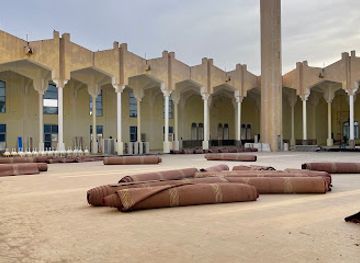
N'Djamena Grand Mosque
Explore the breathtaking N'Djamena Grand Mosque, a cultural and spiritual landmark in Chad's capital, showcasing stunning architecture and serene gardens.
-
National museum
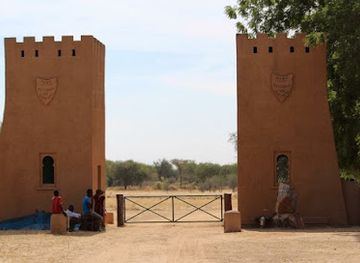
National Museum of Chad
Explore Chad's vibrant history and culture at the National Museum of Chad in N'Djamena, showcasing artifacts from prehistoric times to the present.
-
National park
Zakouma National Park
Explore the wild heart of Chad at Zakouma National Park, where adventure meets breathtaking nature and diverse wildlife experiences await.
-
Tourist attraction
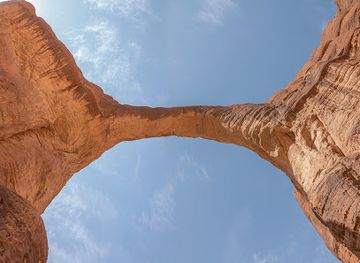
Aloba Arch
Explore the breathtaking beauty of Aloba Arch, a monumental natural formation in Torohi, offering stunning views and unforgettable adventures.

Explore Batha on the map
Plan your trip on one map. See where the top cities, national parks and sights are, and book hotels and experiences in a few clicks.
Best hotels in Batha
Best restaurants in Batha
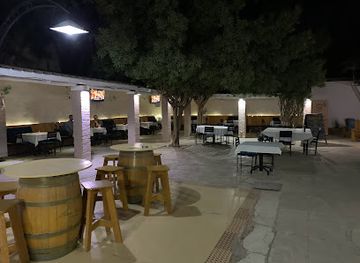
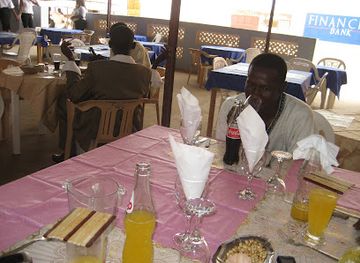
Dining in Batha is generally informal and local, centred on simple eateries, market stalls and meals prepared in private compounds rather than a developed restaurant scene. Typical food reflects the wider Sahel and Chadian pantry: millet and sorghum dishes, rice, beans, seasonal vegetables, grilled or stewed meat, and sauces adapted to available produce. Around Lake Fitri, fish may form part of local diets when catches and seasonal conditions permit, though visitors should not assume that it is available every day. Tea is an important part of social hospitality, while sweet drinks and basic bread are common in town. Ati offers the best chance of finding prepared meals and supplies, but choice, hygiene standards and opening arrangements vary. Visitors with dietary or medical requirements should carry suitable provisions and explain restrictions clearly. Food and water should be handled cautiously, and treated or sealed drinking water is advisable.
-
Grocery store
Baga Motor Park Market
Discover local culture at Baga Motor Park Market: where vibrant shopping meets authentic Nigerian traditions in Magumeri.
-
 Hotel
HotelLa Résidence Hotel N'Djamena
Experience comfort and hospitality at La Résidence Hotel N'Djamena - your perfect retreat in Chad's vibrant capital.
-
Market
Market
Discover the heart of Nigerian culture at Biu's bustling Market – where vibrant goods meet rich traditions.
-
Market
Grand Marché de Diffa
Discover local culture at Grand Marché de Diffa: a vibrant market showcasing fresh produce and traditional crafts in Niger.
Best bars in Batha
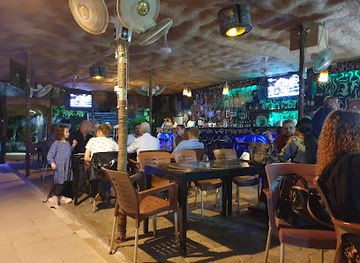
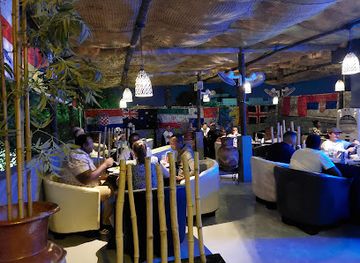
Batha does not have a significant organised nightclub or bar scene aimed at international visitors. Evening social life is more likely to centre on tea, conversation, family compounds, modest cafés and informal eateries in Ati, with activity reducing sharply in smaller settlements and rural areas. Alcohol availability is limited and varies by locality, while social and religious expectations call for discretion. There are no dependable late-night entertainment districts to plan around, and visitors should avoid walking after dark or travelling between settlements at night. The evening atmosphere is better understood through local hospitality, market activity before nightfall and the quiet rhythms of a Sahelian town than through commercial nightlife. Any music or community gathering should be approached respectfully and only with local guidance.
-
Bar
Perception Pub-Restaurant
Experience the vibrant nightlife of N'Djamena at Perception Pub-Restaurant - a perfect blend of dining and entertainment.
-
Restaurant
La CAVE
Experience authentic Italian cuisine at La CAVE, a charming pizza restaurant in N'Djamena, where every bite is a delight.
-
Restaurant
Le Central Bar Restaurant Hôtel Pizzeria
Experience the unique flavors of Chad at Le Central Bar Restaurant Hôtel Pizzeria, where local cuisine meets international flair in a welcoming setting.
-
Restaurant
Rose des Sables
Experience the vibrant flavors of Chad at Rose des Sables, a must-visit restaurant in Abeche offering authentic local cuisine.
Best nightclubs in Batha
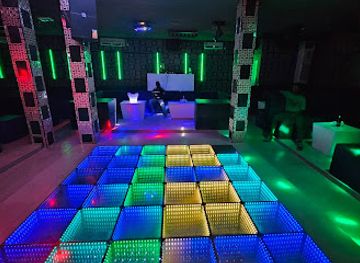
Batha does not have a significant organised nightclub or bar scene aimed at international visitors. Evening social life is more likely to centre on tea, conversation, family compounds, modest cafés and informal eateries in Ati, with activity reducing sharply in smaller settlements and rural areas. Alcohol availability is limited and varies by locality, while social and religious expectations call for discretion. There are no dependable late-night entertainment districts to plan around, and visitors should avoid walking after dark or travelling between settlements at night. The evening atmosphere is better understood through local hospitality, market activity before nightfall and the quiet rhythms of a Sahelian town than through commercial nightlife. Any music or community gathering should be approached respectfully and only with local guidance.
-
Hotel
Hôtel Irrisor
Discover the charm of N'Djamena at Hôtel Irrisor, where comfort meets local hospitality in the heart of Chad's capital.
-
Night club
Platinium bling bling
Discover the vibrant nightlife of N'Djamena at Platinium Bling Bling, a premier night club and bar offering exciting music and cocktails.
-
Restaurant
Le Pélican
Experience the vibrant culinary scene of N'Djamena at Le Pélican, where local flavors meet international tastes in a welcoming atmosphere.
-
Recreation center
Le QG
Experience the vibrant nightlife and local culture at Le QG, N'Djamena's premier recreation center with dining and entertainment.
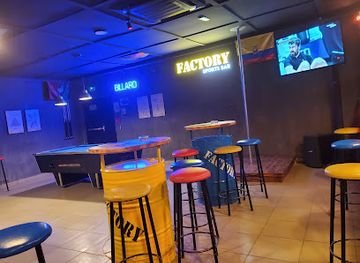
Best shops in Batha
Shopping in Batha is concentrated in Ati's markets and smaller local trading points rather than permanent specialist retail districts. Visitors may find millet, sorghum, rice, beans, tea, spices, basic textiles, household goods and locally traded livestock products, with availability shaped by season and transport. Market purchases are more useful and representative than imported souvenirs, although visitors should check restrictions before buying animal products, archaeological objects or anything made from protected wildlife. Handcrafted items and everyday clothing may be available through local sellers, but quality and provenance vary, so ask respectfully and bargain without pressure where this is customary. In rural areas, trading activity may be periodic and there may be no dependable supply of foreign snacks, medicines or specialist equipment. Bring essential personal items from N'Djamena or another major centre, and carry cash in small CFA franc denominations. Shopping in Batha is chiefly an encounter with regional commerce and subsistence economies, not a conventional retail experience.
-
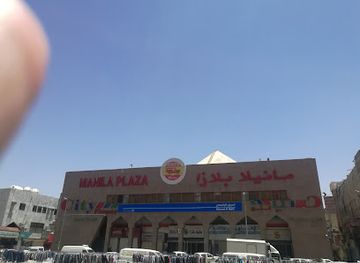
Shopping mall
Al Batha Commercial Center
Explore Al Batha Commercial Center, Riyadh's vibrant shopping destination with diverse stores, delicious dining, and exciting entertainment options.
-
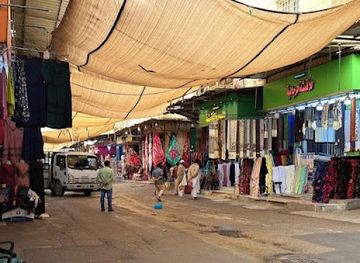
Clothing wholesale market place
Batha Trading market
Discover the bustling Batha Trading Market in Riyadh, a vibrant hub for affordable clothing and a taste of local culture.
-
Shopping mall
Boutique mht
Explore the vibrant Boutique mht in Abéché, offering a unique blend of local culture, shopping, and delicious cuisine for every traveler.
-
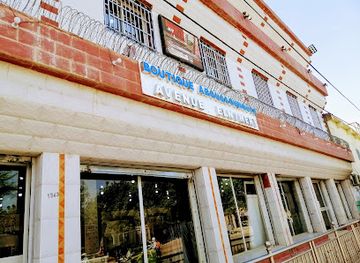
Furniture store
Boutique Aboussounoute
Explore Boutique Aboussounoute in N'Djamena for exquisite furniture and unique Chadian craftsmanship, perfect for adding culture to your home.
Get your free copy of our complete guide to Batha, delivered straight to you.
Everything on this page, from attractions and restaurants to essentials and local phrases, in one PDF you can read offline, print or share.
Already have an account? Sign in
Your Batha guide is ready.
We'll send it to · Not you? Sign out

Getting your guide ready…
We are putting together a fresh copy of the Batha guide. This can take up to a minute.
This can take a few moments. If your browser asks, choose Allow so the download can start. You'll find the guide in your Downloads folder.
Nothing happened? Download it again
Sorry, the guide is taking longer than usual. Please try again in a minute, or get it by email instead.
Batha essentials
Currency and Payment
Safety
Emergency Situations
Do's and Don'ts
Local Tips
From Eve
Local phrases worth knowing
You don't need to get them perfect. A few words go a long way, and locals appreciate the effort.
Basics
| English | Local | Say it |
|---|---|---|
| Hello | Bonjour | [bɔ̃ʒuʁ] |
| Goodbye | Au revoir | [o ʁəvwaʁ] |
| Yes | Oui | [wi] |
| No | Non | [nɔ̃] |
| Please/You're welcome | S'il vous plaît | [sil vu plɛ] |
| Thank you | Merci | [mɛʁsi] |
| Excuse me/Sorry | Excusez-moi | [ɛkskyze mwa] |
| How are you? | Comment ça va? | [kɔmɑ̃ sa va] |
| Fine. And you? | Bien. Et vous? | [bjɛ̃ e vu] |
| Do you speak English? | Parlez-vous anglais? | [paʁle vu ɑ̃ɡlɛ] |
| I don't understand | Je ne comprends pas | [ʒə nə kɔ̃pʁɑ̃ pa] |
Eating & Drinking
| English | Local | Say it |
|---|---|---|
| I'd like to see the menu, please | Je voudrais voir le menu, s'il vous plaît | [ʒə vudʁɛ vwaʁ lə məny, sil vu plɛ] |
| I don't eat meat | Je ne mange pas de viande | [ʒə nə mɑ̃ʒ pa də vjɑ̃d] |
| Cheers! | Santé! | [sɑ̃te] |
| I would like to pay, please | Je voudrais payer, s'il vous plaît | [ʒə vudʁɛ peje, sil vu plɛ] |
Emergencies
| English | Local | Say it |
|---|---|---|
| Help! | Au secours! | [o səkuʁ] |
| Go away! | Allez-vous-en! | [ale vu zɑ̃] |
| Call the Police! | Appelez la police! | [apəle la pɔlis] |
| Call a doctor! | Appelez un médecin! | [apəle ɛ̃ mɛdɛsɛ̃] |
| I'm lost | Je suis perdu | [ʒə sɥi pɛʁdy] |
| I'm ill | Je suis malade | [ʒə sɥi malad] |
Shopping
| English | Local | Say it |
|---|---|---|
| I'd like to buy... | Je voudrais acheter... | [ʒə vudʁɛ aʃte] |
| I'm just looking | Je regarde juste | [ʒə ʁəɡaʁd ʒyst] |
| How much is it? | Combien ça coûte? | [kɔ̃bjɛ̃ sa kut] |
| That's too expensive | C'est trop cher | [sɛ tʁo ʃɛʁ] |
| Can you lower the price? | Pouvez-vous baisser le prix? | [puve vu bese lə pʁi] |
Time & Numbers
| English | Local | Say it |
|---|---|---|
| What time is it? | Quelle heure est-il? | [kɛl œʁ ɛ til] |
| It's one o'clock | Il est une heure | [il ɛ yn œʁ] |
| Half past (10) | Dix heures et demie | [dis œʁ e dəmɪ] |
| Morning | Matin | [matɛ̃] |
| Afternoon | Après-midi | [apʁɛ midi] |
| Evening | Soir | [swaʁ] |
| Yesterday | Hier | [jɛʁ] |
| Today | Aujourd'hui | [oʒuʁdɥi] |
| Tomorrow | Demain | [dəmɛ̃] |
| 1 | Un | [ɛ̃] |
| 2 | Deux | [dø] |
| 3 | Trois | [tʁwa] |
| 4 | Quatre | [katʁ] |
| 5 | Cinq | [sɛ̃k] |
| 6 | Six | [sis] |
| 7 | Sept | [sɛt] |
| 8 | Huit | [ɥit] |
| 9 | Neuf | [nœf] |
| 10 | Dix | [dis] |
Transport & Directions
| English | Local | Say it |
|---|---|---|
| Where's a/the...? | Où est un/une...? | [u ɛ ɛ̃/yn] |
| What's the address? | Quelle est l'adresse? | [kɛl ɛ lə dʁɛs] |
| Can you show me (on the map)? | Pouvez-vous me montrer (sur la carte)? | [puve vu mə mɔ̃tʁe (syʁ la kaʁt)] |
| When's the next (bus)? | Quand est le prochain (bus)? | [kɑ̃ ɛ lə pʁɔʃɛ̃ (bys)] |
| A ticket (to ....) | Un billet (pour ....) | [ɛ̃ bijɛ (puʁ ....)] |
History of Batha
Early settlement around seasonal waters
The Lake Fitri basin and surrounding plains have long attracted human settlement because seasonal water, fish, pasture and cultivable soils create opportunities in an otherwise dry environment. Archaeological evidence from the wider central Chadian region points to changing patterns of occupation as climate and lake levels shifted over thousands of years. Batha's early history is therefore best understood through its relationship with water and mobility: communities adapted to fluctuating wetlands, while pastoral groups moved between grazing areas according to rainfall and access to wells.
Sahelian trade and pastoral networks
Before modern borders, the Batha area formed part of an interconnected Sahelian world of livestock routes, seasonal markets and long-distance exchange. Items, ideas and religious traditions moved between the Lake Chad basin, the central interior and territories to the east and north. Rather than being isolated, communities around present-day Batha participated in regional systems that depended on knowledge of wells, grazing lands and seasonal watercourses. These networks helped shape the cultural diversity and patterns of movement still visible in the province.
Kanem-Bornu and neighbouring political influence
The western and central parts of what is now Chad were influenced at different times by the Kanem-Bornu political tradition centred around the Lake Chad basin, while eastern connections also brought the influence of Wadai and other sultanates. Control was often expressed through tribute, trade relationships and alliances rather than through a continuous administrative presence across every settlement. Batha's position between major Sahelian spheres helps explain its mixed historical connections and the importance of Ati and other market centres as points of exchange.
Islamic scholarship and regional commerce
Islam spread through the central Sahel over many centuries through rulers, merchants, scholars and social networks. In Batha, Islamic practice became part of the cultural life of settled and mobile communities, alongside older local customs and forms of authority. Religious learning, marriage links and commerce connected the province with towns farther west and east. The legacy is visible less in a single monumental landmark than in community institutions, family histories, social relationships and the enduring role of markets and travel routes.
French colonial administration
French forces extended colonial control over the territories that became Chad during the early twentieth century, gradually replacing or subordinating existing political authorities. Colonial rule reorganised the interior into administrative units, imposed new systems of taxation and labour, and used military and commercial routes to connect remote areas with larger centres. Batha's modern administrative identity developed within this wider transformation. Colonial boundaries and institutions altered older patterns of authority, although pastoral mobility and local systems of exchange continued.
Independence and contemporary Batha
Chad became independent in 1960, after which Batha remained an important central province linking pastoral zones with agricultural and commercial areas farther south. Droughts, conflict, economic pressure and changing rainfall have affected livelihoods across the Sahel, while seasonal migration remains significant. Ati serves as the provincial capital and a focus for administration and trade. Today, Batha's history is experienced through living systems of farming, herding, fishing and commerce as much as through preserved buildings or formal museums.
Batha in Photos
Browse through our photo collection highlighting the charm and character of the destination.
Neighbouring regions of Batha
The closest regions to Batha, if you have time for more than one.
-

-

-

-

-


Swipe for more regions
Explore more

Explore more of Chad
Discover Chad: Explore Africa's untouched landscapes, rich cultural heritage, and captivating wildlife in one of the continent's most enchanting and remote destinations.
Explore Chad