

Free Kanem Travel Guide & Mobile App
Explore Kanem with free travel guides. Discover regional history, expert tips, proposed trips, and audio guides on web or mobile app.


Explore Kanem in Chad for Sahelian scenery, Lake Chad landscapes, Mao markets and the enduring heritage of the Kanem-Bornu world.
Read more about Kanem
When is the best time to visit Kanem?
Best: December–February · 27–30°C| Month | High (°C) | Rainfall (mm) |
|---|---|---|
| January (best) | 27 | 0 |
| February (best) | 30 | 0 |
| March | 34 | 0 |
| April | 38 | 1 |
| May | 41 | 3 |
| June | 42 | 8 |
| July | 40 | 20 |
| August | 39 | 25 |
| September | 38 | 10 |
| October | 36 | 3 |
| November | 31 | 0 |
| December (best) | 28 | 0 |
Getting to and around Kanem
How to get there
Transportation
Destinations in Kanem
Resorts, valleys and scenic spots worth a trip of their own.

Swipe for more destinations
Best attractions in Kanem
-
National park
Southern National Park
Explore the wild heart of South Sudan at Southern National Park, where wildlife encounters and scenic landscapes await every adventure-seeker.
-
Tourist attraction
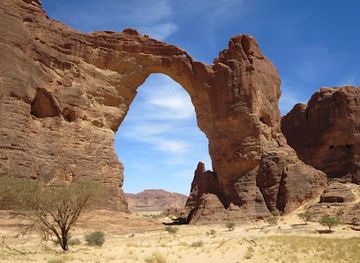
Aloba Arch
Explore the majestic Aloba Arch, one of the world's largest natural arches, nestled in the breathtaking landscapes of Chad.
-
Traditional market
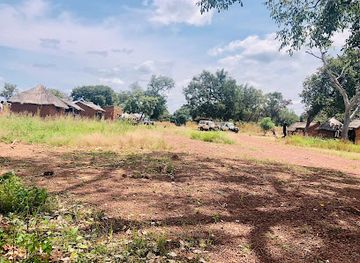
Doro Market
Experience the vibrant culture and flavors of Borno at Doro Market, a traditional marketplace filled with local delicacies and handmade crafts.

Explore Kanem on the map
Plan your trip on one map. See where the top cities, national parks and sights are, and book hotels and experiences in a few clicks.
Best hotels in Kanem
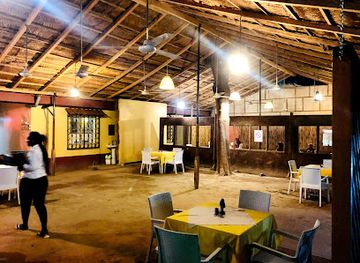
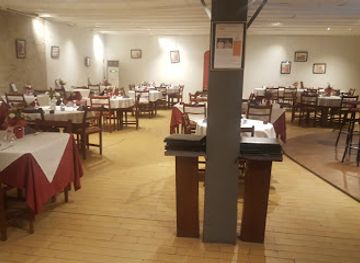
Best restaurants in Kanem
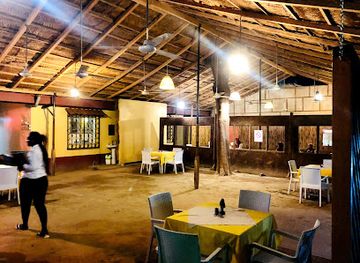
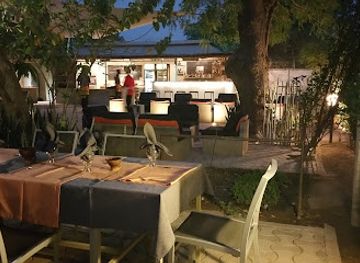
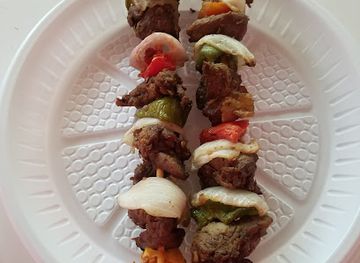
Dining in Kanem is modest, local and closely connected to regional livelihoods rather than to a developed restaurant industry. In Mao, small eateries and market food stalls may serve staples such as millet or sorghum preparations, rice, beans, sauces, grilled meat and tea, while availability varies with supply and season. Livestock products are important in a pastoral region, and fish is more closely associated with communities and trading networks around the Lake Chad basin than with every inland settlement. Dates, grains and other foods arriving through Sahelian and trans-Saharan trade may also appear in local markets. Visitors should not assume that restaurants operate to fixed international standards or hours. Carrying safe drinking water, basic snacks and suitable medicines is sensible, particularly when travelling outside Mao. Meals are often social occasions, so accepting hospitality courteously, eating with the right hand where customary and asking discreetly about local expectations are appropriate. Alcohol is not central to the region's dining culture, and menus are generally shaped by Muslim customs and locally available ingredients.
-
Restaurant
Layalina
Experience authentic Chadian cuisine alongside international favorites at Layalina in N'Djamena – a culinary delight not to be missed.
-
Restaurant
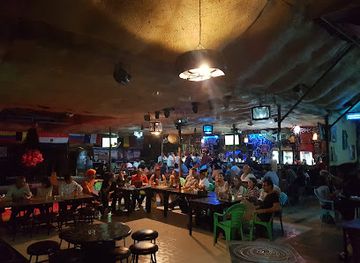
Perception Pub-Restaurant
Discover the vibrant atmosphere of Perception Pub-Restaurant in N'Djamena - where culinary delights meet lively entertainment.
-
Restaurant
Au Bout Des Doigts
Discover the flavors of Chad at Au Bout Des Doigts - a must-visit restaurant in N'Djamena known for its delicious pizzas and warm hospitality.
-
Restaurant
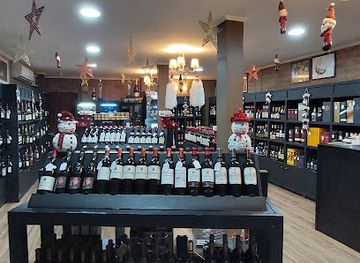
La CAVE
Experience the rich flavors of N'Djamena at La CAVE, where every pizza tells a story.


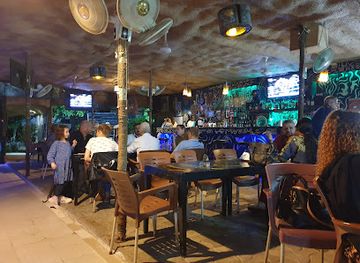
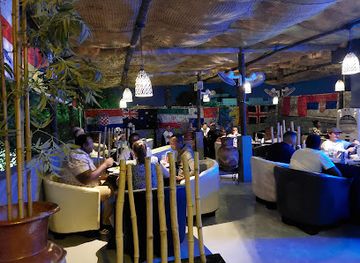
Best bars in Kanem
Kanem does not have a major nightclub or bar scene, and evening life is centred more on family gatherings, tea, conversation, local commerce and community activities than on formal entertainment venues. In Mao, modest cafés or informal eating places may provide places to sit, although opening arrangements and services are not dependable. Outside the capital, evenings are quiet and facilities are extremely limited. Visitors should not expect a consistent supply of alcohol, live music venues or late-night transport; these assumptions would be particularly inappropriate in conservative Muslim communities. Organised visitors may experience local music, storytelling or ceremonial occasions only by invitation and with culturally informed guidance. Because of security conditions, limited lighting and the difficulty of obtaining assistance, remaining at approved accommodation after dark is prudent. Evening plans should therefore be made around safety, local customs and logistical arrangements rather than entertainment schedules.
-
Bar
Perception Pub-Restaurant
Discover the lively atmosphere of Perception Pub-Restaurant in N'Djamena, where local cuisine meets vibrant nightlife.
-
Restaurant
La CAVE
Savor authentic Italian pizzas and local flavors at La CAVE in N'Djamena, a culinary gem for every pizza enthusiast.
-
Restaurant
Le Central Bar Restaurant Hôtel Pizzeria
Experience the essence of Chadian and Italian cuisine at Le Central Bar Restaurant Hôtel Pizzeria in N'Djamena, where flavor meets hospitality.
-
Restaurant
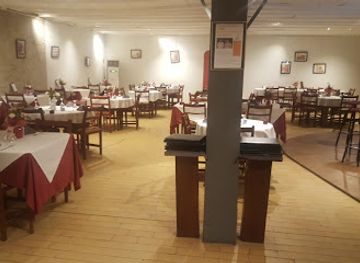
Chez Yvonne's Restaurant
Discover the rich flavors of Chad at Chez Yvonne's Restaurant, where traditional dishes meet a warm and inviting atmosphere.
Best nightclubs in Kanem
Kanem does not have a major nightclub or bar scene, and evening life is centred more on family gatherings, tea, conversation, local commerce and community activities than on formal entertainment venues. In Mao, modest cafés or informal eating places may provide places to sit, although opening arrangements and services are not dependable. Outside the capital, evenings are quiet and facilities are extremely limited. Visitors should not expect a consistent supply of alcohol, live music venues or late-night transport; these assumptions would be particularly inappropriate in conservative Muslim communities. Organised visitors may experience local music, storytelling or ceremonial occasions only by invitation and with culturally informed guidance. Because of security conditions, limited lighting and the difficulty of obtaining assistance, remaining at approved accommodation after dark is prudent. Evening plans should therefore be made around safety, local customs and logistical arrangements rather than entertainment schedules.
-
Restaurant
Layalina
Discover the rich flavors of Chadian cuisine at Layalina, an inviting restaurant in the heart of N'Djamena, perfect for tourists seeking authentic experiences.
-
Restaurant
Perception Pub-Restaurant
Discover the vibrant flavors and lively atmosphere of Perception Pub-Restaurant, a top dining and nightlife spot in N'Djamena.
-
Restaurant
La CAVE
Experience the best pizza in N'Djamena at La CAVE, where authentic flavors meet a warm atmosphere for an unforgettable dining experience.
-
Restaurant
Le Central Bar Restaurant Hôtel Pizzeria
Experience the best of Chadian cuisine at Le Central Bar Restaurant Hôtel Pizzeria in N'Djamena, where local flavors meet international flair.
Best shops in Kanem
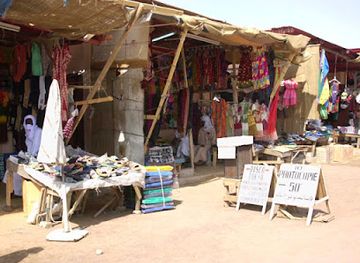
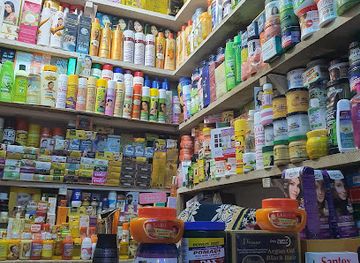
Shopping in Kanem is concentrated in Mao's market economy and in smaller local trading points rather than in formal retail districts. Visitors may find practical goods, textiles, household items, leatherwork, woven products, jewellery and foodstuffs reflecting Sahelian and Lake Chad trade connections, although selection and quality vary with supply. Local produce can include grains, livestock products and other goods brought from farming, herding or fishing communities. Purchases should be made respectfully and bargaining kept courteous; a guide or trusted local contact can help explain prices and provenance. Do not buy archaeological objects, old coins or items presented as excavated artefacts, since removing cultural material may be illegal and contributes to the loss of regional heritage. Useful souvenirs are normally durable textiles, responsibly made craft goods or packaged regional foods, provided they can be lawfully exported and transported safely. Carry cash in small denominations, as card payments and formal shops are unlikely outside limited urban services.
-
National museum
National Museum of Chad
Discover the rich cultural heritage and history of Chad at the National Museum, showcasing artifacts and art from the nation’s diverse communities.
-
Market
Central Market السوق المركزي
Discover the vibrant heart of N'Djamena at Central Market, where local culture, exquisite crafts, and delicious cuisine come together in a lively atmosphere.
-
Grocery store
Le GRAND MARCHE
Explore the vibrant Le GRAND MARCHE in N'Djamena, a grocery store offering fresh local produce, spices, and a taste of Chadian culture.
-
Store
ORCA N’djamena
Explore the vibrant culture of Chad at ORCA N’djamena, a unique shopping destination for local crafts and souvenirs.
Get your free copy of our complete guide to Kanem, delivered straight to you.
Everything on this page, from attractions and restaurants to essentials and local phrases, in one PDF you can read offline, print or share.
Already have an account? Sign in
Your Kanem guide is ready.
We'll send it to · Not you? Sign out

Getting your guide ready…
We are putting together a fresh copy of the Kanem guide. This can take up to a minute.
This can take a few moments. If your browser asks, choose Allow so the download can start. You'll find the guide in your Downloads folder.
Nothing happened? Download it again
Sorry, the guide is taking longer than usual. Please try again in a minute, or get it by email instead.
Kanem essentials
Currency and Payment
Safety
Emergency Situations
Do's and Don'ts
Local Tips
From Eve
Local phrases worth knowing
You don't need to get them perfect. A few words go a long way, and locals appreciate the effort.
Basics
| English | Local | Say it |
|---|---|---|
| Hello | Saabir | [sah-beer] |
| Goodbye | Djaara | [jah-rah] |
| Yes | Eey | [ay] |
| No | Ala | [ah-lah] |
| Please/You’re welcome | Tawwa | [tah-wah] |
| Thank you | Mesi | [meh-see] |
| Excuse me/Sorry | Sori | [so-ree] |
| How are you? | Naha ka? | [nah-ha kah?] |
| Fine. And you? | Naha, e ka? | [nah-ha, eh kah?] |
| Do you speak English? | Ain ka anglish? | [ain kah ang-lish?] |
| I don't understand | Ala a faama | [ah-lah ah fah-mah] |
Eating & Drinking
| English | Local | Say it |
|---|---|---|
| I’d like to see the menu, please | Ain be tawa menu | [ain beh tah-wah meh-noo] |
| I don't eat meat | Ala a saafaa nyama | [ah-lah ah sah-fah nah-yah-mah] |
| Cheers! | Nawa! | [nah-wah] |
| I would like to pay, please | Ain be tawa nayi | [ain beh tah-wah nah-yee] |
Emergencies
| English | Local | Say it |
|---|---|---|
| Help! | Yama! | [yah-mah] |
| Go away! | Ala nayi! | [ah-lah nah-yee!] |
| Call the Police! | Ala a janga Police! | [ah-lah ah jahn-gah poh-lees!] |
| Call a doctor! | Ala a janga dooktor! | [ah-lah ah jahn-gah dook-tor!] |
| I’m lost | Ain a fida | [ain ah fee-dah] |
| I’m ill | Ain a fida | [ain ah fee-dah] |
Shopping
| English | Local | Say it |
|---|---|---|
| I’d like to buy... | Ain be tawa janga... | [ain beh tah-wah jahn-gah] |
| I’m just looking | Ain janga fida | [ain jahn-gah fee-dah] |
| How much is it? | Naha ka janga? | [nah-ha kah jahn-gah?] |
| That’s too expensive | Da ka janga bawa | [dah kah jahn-gah bah-wah] |
| Can you lower the price? | Ka janga nawa jangwa? | [kah jahn-gah nah-wah jahn-gwah?] |
Time & Numbers
| English | Local | Say it |
|---|---|---|
| What time is it? | Naha ka sa? | [nah-ha kah sah?] |
| It’s one o'clock | Ka sa a sa'a | [kah sah ah sah-ah] |
| Half past (10) | Sa'a tawa (10) | [sah-ah tah-wah (10)] |
| Morning | Djoora | [joor-ah] |
| Afternoon | Djuwa | [joo-wah] |
| Evening | Hara | [hah-rah] |
| Yesterday | Kalam | [kah-lahm] |
| Today | Kalam sa | [kah-lahm sah] |
| Tomorrow | Kalam bawa | [kah-lahm bah-wah] |
| 1 | Kodo | [koh-doh] |
| 2 | Dudu | [doo-doo] |
| 3 | Tati | [tah-tee] |
| 4 | Nayi | [nah-yee] |
| 5 | Tawa | [tah-wah] |
| 6 | Shida | [shee-dah] |
| 7 | Saba | [sah-bah] |
| 8 | Semma | [sem-mah] |
| 9 | Tisa | [tee-sah] |
| 10 | Gida | [gee-dah] |
Transport & Directions
| English | Local | Say it |
|---|---|---|
| Where's a/the...? | Naha ka ...? | [nah-ha kah ...?] |
| What's the address? | Naha ka janga adrese? | [nah-ha kah jahn-gah ah-dreh-say?] |
| Can you show me (on the map)? | Ka janga ni (na mapa)? | [kah jahn-gah nee (nah mah-pah)?] |
| When's the next (bus)? | Naha ka janga laama (bus)? | [nah-ha kah jahn-gah lah-mah (bus)?] |
| A ticket (to ....) | Ka janga tiketi (na ...) | [kah jahn-gah tee-keh-tee (nah ...)] |
History of Kanem
Early settlement around Lake Chad
The Lake Chad basin has supported human settlement, fishing, herding and cultivation for thousands of years. Its water levels and wetlands have repeatedly expanded and contracted, creating changing environments in which communities adapted to both dry Sahelian conditions and seasonal floodplains. Archaeological research across the wider basin indicates long histories of exchange between settled communities and mobile pastoralists. In present-day Kanem, this environmental history helps explain the region's mixed livelihoods and the importance of water, grazing and seasonal movement.
The rise of the Kanem Empire, around the ninth century
Kanem emerged as a substantial political power in the central Sahel from about the ninth century, with its core north and east of Lake Chad and influence extending across important caravan routes. Its rulers, traditionally associated with the Duguwa and later Sayfawa dynasties, benefited from trade in the Sahara and from control over routes linking North Africa with the Lake Chad basin. The adoption and development of Islam among the ruling elite strengthened diplomatic and scholarly connections with North Africa while existing local institutions and beliefs continued to shape society.
Sayfawa rule and the Kanem-Bornu world
Political pressure and conflict contributed to the movement of the Sayfawa court towards Bornu, west of Lake Chad, during the late medieval period. This shift created the wider Kanem-Bornu political tradition rather than ending Kanem's historical importance. Rulers continued to draw on the authority of the old Kanem homeland, and the two regions remained connected through trade, scholarship, dynastic ties and migration. The legacy survives in Kanembu historical traditions and in the name of the modern region.
Trans-Saharan trade and Islamic scholarship
For centuries, Kanem formed part of a network joining the central Sahel to Fezzan, Tripolitania and other North African regions. Caravans moved goods, people and ideas through difficult desert routes, while Muslim scholars, judges and clerics helped connect courts and communities across the wider Islamic world. Livestock, salt, textiles and other commodities circulated alongside religious learning. These links helped shape the languages, social institutions and architectural traditions of the Lake Chad basin, even where surviving monumental structures are scarce.
Colonial conquest and the incorporation of Chad
French expansion into the Lake Chad basin during the early twentieth century brought the Kanem area into the colonial territory that became Chad. Military campaigns, administrative reorganisation and new systems of taxation altered established political relationships and commercial routes. Colonial rule remained uneven in remote desert and Sahelian areas, where local authorities and communities retained considerable practical importance. The period also connected the region to a centralised state whose administrative boundaries differed from older Kanem-Bornu political geography.
Post-independence change and environmental pressure
Since Chad became independent in 1960, Kanem has experienced the effects of national political instability, population movement, drought and changing conditions in the Lake Chad basin. The severe droughts of the 1970s and 1980s placed intense pressure on pastoral and agricultural livelihoods, while insecurity across the wider basin has affected movement and trade. Mao remains the region's administrative and commercial centre, but access to remote areas and the reliability of basic services continue to be shaped by climate, infrastructure and security.
Kanem in Photos
Browse through our photo collection highlighting the charm and character of the destination.
Neighbouring regions of Kanem
The closest regions to Kanem, if you have time for more than one.
-

-

-

-

-


Swipe for more regions
Explore more

Explore more of Chad
Discover Chad: Explore Africa's untouched landscapes, rich cultural heritage, and captivating wildlife in one of the continent's most enchanting and remote destinations.
Explore Chad