

Free Wadi Fira Travel Guide & Mobile App
Explore Wadi Fira with free travel guides. Discover regional history, expert tips, proposed trips, and audio guides on web or mobile app.


Wadi Fira in eastern Chad offers Sahelian landscapes, market-town culture and a sobering insight into the region’s frontier history.
Read more about Wadi Fira
When is the best time to visit Wadi Fira?
Best: December–February · 27–31°C| Month | High (°C) | Rainfall (mm) |
|---|---|---|
| January (best) | 27 | 0 |
| February (best) | 31 | 0 |
| March | 36 | 0 |
| April | 40 | 0 |
| May | 42 | 5 |
| June | 40 | 10 |
| July | 38 | 100 |
| August | 37 | 150 |
| September | 37 | 30 |
| October | 36 | 5 |
| November | 33 | 0 |
| December (best) | 30 | 0 |
Getting to and around Wadi Fira
How to get there
Transportation
Best attractions in Wadi Fira
Wadi Fira has few conventional tourist attractions and almost no established visitor infrastructure. Its principal interest is the relationship between Sahelian landscape, seasonal watercourses and human settlement. Biltine offers an opportunity to observe the rhythms of an eastern Chadian administrative and market town, while Iriba and Guéréda provide further points of contact with the region’s dispersed communities, subject to security and official permission. Outside the towns, dry savannah, acacia-studded plains, wadis and grazing areas reveal how pastoralism and seasonal cultivation have adapted to a demanding climate. Travellers with specialist interests may value the region’s cultural geography, oral histories, Islamic traditions and cross-border connections more than a conventional collection of monuments. Markets can be important places of exchange, but they are working environments rather than staged attractions and should be visited discreetly. The proximity of Sudan gives the eastern districts considerable historical and contemporary significance, yet border areas and displacement sites are not tourist destinations and must not be approached without authorisation. Any organised visit should prioritise security, local consent, environmental responsibility and a clear understanding that medical, communications and recovery services are limited.
-
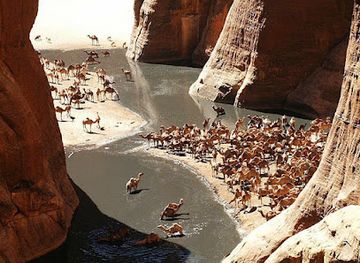
Lake
Guelta d'Archei Lake
Discover the breathtaking Guelta d'Archei Lake, a pristine oasis in the Sahara, teeming with wildlife and stunning landscapes perfect for adventurous travelers.
-
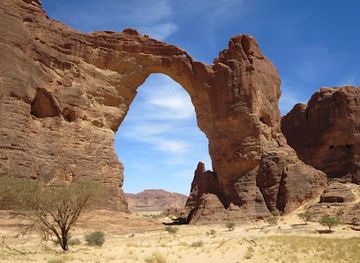
Aloba Arch
Explore the awe-inspiring Aloba Arch in Chad, Africa's largest natural rock formation, perfect for adventure seekers and nature enthusiasts.
-
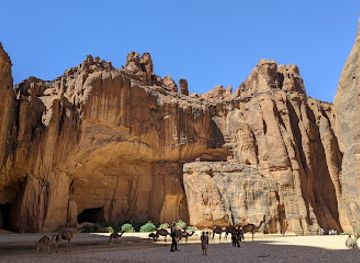
Plateau
هضبة إنيدي
Explore Hadeba Indy in Chad: a breathtaking plateau with stunning views and diverse wildlife perfect for your next adventure.
Best landmarks in Wadi Fira
Wadi Fira’s most significant landmarks are primarily geographic and civic rather than monumental. The seasonal wadis that give the region its name are defining features of the landscape, concentrating water, vegetation, cultivation and settlement after rainfall. Biltine’s administrative buildings, market areas and mosque communities form the principal urban reference points, although visitors should not photograph official structures without permission. Iriba and Guéréda are important town landmarks in their own right because they express the region’s dispersed settlement pattern and its position between Chadian and Sudanese cultural worlds. Across the countryside, acacia plains, dry channels and open grazing land provide a more accurate sense of place than any single monument. The eastern frontier is historically important, but the border itself is a sensitive security zone rather than a sightseeing location. Wadi Fira should therefore be understood through its living landscape, water geography, towns and routes of movement; access to each depends on current authorisation and local conditions.
-
Tourist attraction
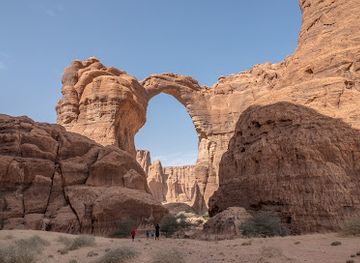
Aloba Arch
Experience the awe-inspiring Aloba Arch, a stunning natural wonder in Chad, perfect for adventure seekers and nature lovers alike.
Explore Wadi Fira on the map
Plan your trip on one map. See where the top cities, national parks and sights are, and book hotels and experiences in a few clicks.
Best hotels in Wadi Fira
Best restaurants in Wadi Fira
Dining in Wadi Fira is generally simple, local and closely connected to seasonal availability rather than a developed restaurant industry. In Biltine and other larger settlements, visitors may find small eateries, tea stalls and informal food vendors serving staples such as millet or sorghum preparations, rice, beans, sauces, grilled meat and flatbreads. Tea is an important social drink, while milk and other pastoral products may appear where supply permits. Menus, hygiene standards and opening arrangements can be unpredictable, so visitors should travel with safe drinking water, basic provisions and any dietary essentials. Food traditions reflect the wider eastern Sahel and cannot always be assigned exclusively to Wadi Fira; Sudanese, Chadian and pastoral influences overlap across the borderlands. A private arrangement with trusted local hosts may provide more dependable meals than searching for formal dining rooms. Eat modestly, accept local hospitality courteously when appropriate, and ask before photographing food preparation or people.
-
Restaurant
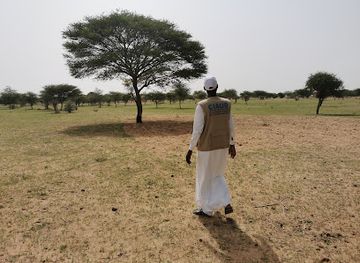
Le Chari Bar-Resto,Iriba Chad
Discover authentic Chadian flavors at Le Chari Bar-Resto in Iriba—where every dish tells a story of local tradition.
Best bars in Wadi Fira
Wadi Fira does not have a developed bar or nightclub scene for international visitors. Evening social life is more likely to centre on tea stalls, small cafés, family compounds and informal conversation than on dedicated entertainment venues. In Biltine, modest eateries and local gathering places may remain active after sunset, but opening arrangements and security conditions are changeable. Alcohol is not central to public life in this predominantly Muslim region, and visitors should not expect the nightlife patterns found in major international cities. Avoid moving around after dark, do not gather near government or security facilities, and follow the advice of local hosts about appropriate places to spend the evening. Live music or celebrations may occur within private or community settings, but they should never be treated as guaranteed visitor events.
-
Restaurant
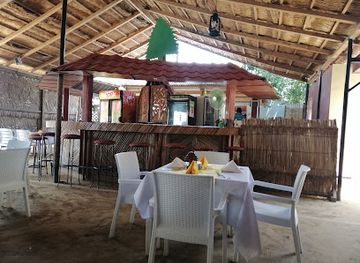
Layalina
Discover the flavors of Chad at Layalina, a delightful restaurant in N'Djamena blending local cuisine with a welcoming atmosphere.
-
Bar
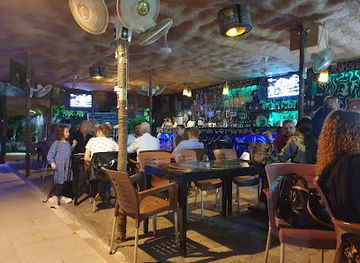
Perception Pub-Restaurant
Experience the vibrant culinary scene of N'Djamena at Perception Pub-Restaurant, where delightful dishes and a lively atmosphere await.
-
Restaurant
Au Bout Des Doigts
Savor authentic Chadian cuisine at Au Bout Des Doigts, where vibrant flavors and warm hospitality create an unforgettable dining experience in N'Djamena.
-
Restaurant
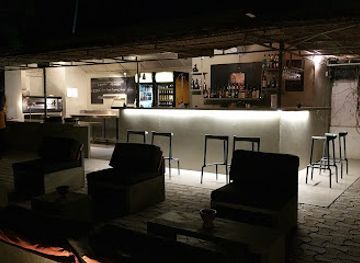
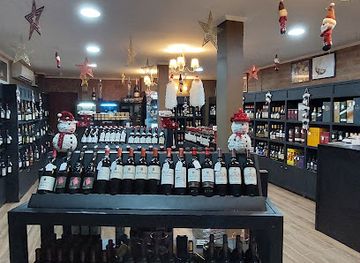
La CAVE
Experience authentic Italian pizza in the heart of N'Djamena at La CAVE, where delicious flavors meet local hospitality.
Best shops in Wadi Fira
Shopping in Wadi Fira is concentrated in local markets and small trading areas, especially in Biltine and other principal settlements. Visitors may encounter millet, sorghum, beans, livestock products, tea, household goods, practical clothing and imported necessities moving through eastern Sahelian supply networks. Handcrafted items, woven materials, leatherwork or jewellery may be available intermittently, but selection and provenance vary, and the region does not have a large, formal souvenir industry. Bargaining can form part of market transactions, although it should be conducted politely and without turning essential goods into a spectacle. Carry cash in small denominations, ask before photographing stalls or craftspeople, and remember that markets serve local communities first. Avoid purchasing archaeological objects, protected wildlife products or items whose export may breach Chadian law. The most appropriate purchases are modest, legitimately made goods and locally produced food bought through trusted, transparent channels.
-
Gift shop
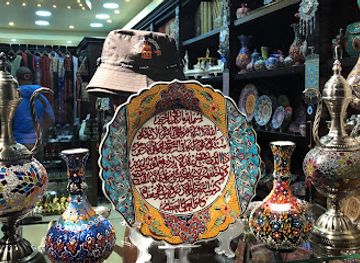
Town Bazaar
Explore Town Bazaar in Wadi Musa for authentic Jordanian souvenirs and unique treasures that celebrate the local culture.
-
 Shopping mall
Boutique mht
Explore Boutique mht in Abeche: A vibrant shopping mall showcasing unique local products and cultural treasures.
-
Grocery store
سوق الطينة Grand Marché Tine
Discover the heart of Tine at Grand Marché Tine, a vibrant grocery store offering local produce, spices, and an authentic cultural experience.
-
Electronics store
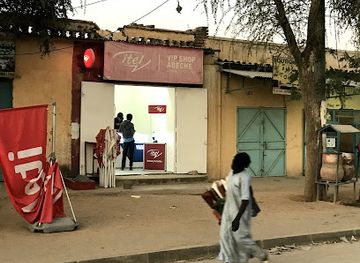
VIP SHOP ABECHE 1
Explore a wide array of electronics at VIP SHOP ABECHE 1, your go-to store in Abeche for the latest gadgets and accessories.
Get your free copy of our complete guide to Wadi Fira, delivered straight to you.
Everything on this page, from attractions and restaurants to essentials and local phrases, in one PDF you can read offline, print or share.
Already have an account? Sign in
Your Wadi Fira guide is ready.
We'll send it to · Not you? Sign out

Getting your guide ready…
We are putting together a fresh copy of the Wadi Fira guide. This can take up to a minute.
This can take a few moments. If your browser asks, choose Allow so the download can start. You'll find the guide in your Downloads folder.
Nothing happened? Download it again
Sorry, the guide is taking longer than usual. Please try again in a minute, or get it by email instead.
Wadi Fira essentials
Currency and Payment
Safety
Emergency Situations
Do's and Don'ts
Local Tips
From Eve
Local phrases worth knowing
You don't need to get them perfect. A few words go a long way, and locals appreciate the effort.
Basics
| English | Local | Say it |
|---|---|---|
| Hello | Salam | [sah-lahm] |
| Goodbye | Ma'a as-salama | [mah-ah ahs-sah-lah-mah] |
| Yes | Na'am | [nah-am] |
| No | La | [lah] |
| Please/You're welcome | Afwan | [ah-fwan] |
| Thank you | Shukran | [shoo-krahn] |
| Excuse me/Sorry | Asef | [ah-sef] |
| How are you? | Kayfa halak? | [kay-fah hah-lak] |
| Fine. And you? | Ana bikhayr. Wa anta? | [ah-nah bee-khayr. wah an-tah?] |
| Do you speak English? | Hal tatakallam al-ingliziya? | [hal tah-tah-kah-lam al-in-gli-zi-ya?] |
| I don't understand | Ana la afham | [ah-nah lah af-ham] |
Eating & Drinking
| English | Local | Say it |
|---|---|---|
| I'd like to see the menu, please | Urid an ara al-menu, min fadlik | [oo-rid an ah-rah al-men-oo, min fad-lik] |
| I don't eat meat | Ana la akul lahm | [ah-nah lah ah-kool lahm] |
| Cheers! | Sahtein! | [sah-tain] |
| I would like to pay, please | Urid an adfa' al-fatura, min fadlik | [oo-rid an ad-fah al-fa-too-rah, min fad-lik] |
Emergencies
| English | Local | Say it |
|---|---|---|
| Help! | Al-musa'ada! | [al-moo-sah-dah] |
| Go away! | Izhab! | [iz-hab] |
| Call the Police! | Ittasil bil-shurta! | [it-ta-sil bil-shoor-tah] |
| Call a doctor! | Ittasil bi-tabeeb! | [it-ta-sil bi-ta-beeb] |
| I'm lost | Ana ad-dai'a | [ah-nah ad-dai-ah] |
| I'm ill | Ana marid | [ah-nah ma-reed] |
Shopping
| English | Local | Say it |
|---|---|---|
| I'd like to buy... | Urid an ashtar... | [oo-rid an ash-tar...] |
| I'm just looking | Ana faqat an-nazhar | [ah-nah fah-kat an-nah-zar] |
| How much is it? | Kam thamanuh? | [kam tha-ma-nuh?] |
| That's too expensive | Thalika ghalin jidan | [tha-li-ka gha-lin jee-dan] |
| Can you lower the price? | Hal yumkinuka khafdh al-thaman? | [hal yum-ki-nu-ka khaf-dh al-tha-man?] |
Time & Numbers
| English | Local | Say it |
|---|---|---|
| What time is it? | Kam as-saa'a? | [kam as-saa-ah?] |
| It's one o'clock | Al-saa'a wahida | [al-saa-ah wah-ee-dah] |
| Half past (10) | Nisf al-‘ashra | [nisf al-‘ash-rah] |
| Morning | Sabaah | [sah-bah] |
| Afternoon | Ba'ad al-duhr | [ba-ad al-dohr] |
| Evening | Masaa' | [mah-sah] |
| Yesterday | Ams | [ams] |
| Today | Al-yawm | [al-yawm] |
| Tomorrow | Ghad | [ghad] |
| 1 | Wahid | [wah-heed] |
| 2 | Ithnain | [ith-nain] |
| 3 | Thalatha | [tha-lah-tha] |
| 4 | Arba'a | [ar-ba-ah] |
| 5 | Khamsa | [kham-sah] |
| 6 | Sitta | [sit-tah] |
| 7 | Sab'a | [sab-ah] |
| 8 | Thamaniya | [tha-ma-nee-yah] |
| 9 | Tis'aa | [tis-ah] |
| 10 | Ashara | [ash-ah-rah] |
Transport & Directions
| English | Local | Say it |
|---|---|---|
| Where's a/the...? | Ayna ...? | [ay-nah ...?] |
| What's the address? | Ma huwa al-'unwan? | [ma hoo-wah al-‘oon-wan?] |
| Can you show me (on the map)? | Hal yumkinuka an turini (ala al-kharta)? | [hal yum-ki-nu-ka an too-ree-nee (ah-lah al-khar-tah)?] |
| When's the next (bus)? | Mata al-hafila al-qadima? | [mah-tah al-ha-fee-lah al-qah-dee-mah?] |
| A ticket (to ....) | Tazkara (ila ...) | [taz-kah-rah (ee-lah ...)] |
History of Wadi Fira
Early Sahelian Settlement and Pastoralism
The area now known as Wadi Fira developed within the wider Sahelian zone where pastoral mobility, seasonal farming and access to wadis shaped human settlement. Communities adapted to strongly seasonal rainfall, moving livestock between grazing areas while cultivating crops where water and soil conditions allowed. Archaeological knowledge of eastern Chad remains uneven, but the region belongs to an ancient cultural landscape linking the central Sahara, the Sahel and the Nile-facing east rather than an isolated historical backwater.
Caravan Routes and Islamic Networks
For centuries, eastern Chad formed part of the wider commercial and intellectual world of the Sahel. Merchants, religious teachers and pastoral communities travelled through routes connecting Chad with Darfur, the central Sudan and markets farther west. Salt, livestock and other goods moved through changing networks, while Islam spread through scholarship, trade and political relationships. Wadi Fira’s towns and communities retain elements of these long connections, although modern frontiers later divided routes that had previously been more fluid.
The Influence of Darfur and Eastern Sultanates
Before colonial boundaries were fixed, political authority in eastern Chad was influenced by states and sultanates connected with Darfur and the wider Sudanese borderlands. Authority was often negotiated through allegiance, tribute, religious legitimacy and control of trade rather than exercised uniformly across the countryside. This history helps explain the cultural and linguistic links between Wadi Fira and neighbouring Sudan, while also illustrating why the present international boundary does not correspond neatly to older patterns of movement and community.
French Conquest and Colonial Administration
French military expansion into Chad during the early twentieth century brought eastern areas under colonial control after campaigns and negotiations across the central and eastern Sahel. Colonial administration introduced new territorial divisions, taxation and military posts, while leaving many local systems of authority in place. Biltine became an important administrative centre within this framework. The colonial boundary with Sudan also converted previously shifting zones of interaction into an international frontier.
Independence, Drought and Conflict
Chad became independent in 1960, but national political instability and armed conflict affected the east particularly severely. Repeated droughts during the late twentieth century placed further pressure on pastoral livelihoods, water supplies and rural agriculture. Competition over land and resources was intensified by insecurity and the movement of weapons and armed groups across the wider region. These pressures contributed to displacement and shaped the limited development of public services and transport infrastructure in Wadi Fira.
The Sudan War and Contemporary Displacement
Conflict in Sudan, especially the war that intensified in 2023, produced major movements of people towards eastern Chad. Wadi Fira has been among the regions affected by arrivals, humanitarian operations and heightened border insecurity. The consequences are social, economic and logistical as well as humanitarian, placing additional demands on water, food, health and transport systems. Conditions change quickly, so visitors must treat current security information and local authority guidance as essential rather than relying on older descriptions.
Wadi Fira in Photos
Browse through our photo collection highlighting the charm and character of the destination.
Neighbouring regions of Wadi Fira
The closest regions to Wadi Fira, if you have time for more than one.
-

-

-

-

-


Swipe for more regions
Explore more

Explore more of Chad
Discover Chad: Explore Africa's untouched landscapes, rich cultural heritage, and captivating wildlife in one of the continent's most enchanting and remote destinations.
Explore Chad