

N'Djamena Region, Chad Travel Guide
Discover the vibrant culture, historical landmarks, and natural beauty of the N'Djamena Region in Chad, where tradition meets modernity in the heart of Africa.
Welcome to the N'Djamena Region, the vibrant heart of Chad! This region is home to the nation's capital, N'Djamena, a city that blends cultural heritage with modernity. Here, you will find bustling markets, historical landmarks, and friendly locals eager to share their rich traditions with you. Start your journey at the Grand Mosque, an iconic structure that stands as a symbol of peace and spirituality. Nearby, the National Museum of Chad offers a fascinating glimpse into the country's history, showcasing artifacts from prehistoric times to the present day. Don't miss the lively Central Market, where you can experience the hustle and bustle of daily life. Here, you can purchase handmade crafts, local spices, and fresh produce. It's the perfect place to immerse yourself in the local culture and perhaps try some traditional Chadian dishes. For nature enthusiasts, the Chari River provides a serene escape from the city's hustle. A boat trip on the river offers picturesque views and a chance to see local wildlife. Additionally, the Avenue Charles de Gaulle is a great spot for a leisurely stroll, lined with cafes and shops where you can relax and people-watch. The N'Djamena Region is also a gateway to exploring the broader landscapes of Chad. Whether you are interested in desert adventures or exploring savannahs, this region serves as the perfect starting point for your Chadian adventure.

Know before you go
Hi, I'm Eve. Here are a few practical things to know before exploring N'Djamena Region.
- Visit during the cooler months (November to February) for more comfortable weather.
- Learn a few basic French phrases; it’s the official language and will help you communicate with locals.
- Always carry bottled water to stay hydrated, especially if you plan to explore outdoor attractions.
- Respect local customs and dress modestly, especially when visiting religious sites.
- Use local currency (CFA franc) and keep small bills for market purchases.
Top City Travel Guides in N'Djamena Region
The cities of N'Djamena Region, and the easiest places to base yourself.

Explore N'Djamena Region: Things to Do, Places to Eat, Hotels & More
Handpicked recommendations for top attractions, local dining, accommodations, and more

Top Attractions & Sightseeing in N'Djamena Region
Top-rated picks
Best Attractions

N'Djamena Grand Mosque
Explore the majestic N'Djamena Grand Mosque, a stunning symbol of faith and architectural beauty in Chad's capital, N'Djamena.

National Museum of Chad
Uncover the historical treasures of Chad at the National Museum, a cultural gem in N'Djamena showcasing rich heritage and art.

Parc d'attractions des enfants de Farcha
Experience the joy of childhood at Parc d'attractions des enfants de Farcha, a vibrant amusement park in N'Djamena, offering thrilling rides and fun activities for kids.

Gamal
Explore Gamal in Kousseri, Cameroon - a vibrant blend of culture, history, and stunning natural beauty along the Chari River.


Best restaurants in N'Djamena Region
Top-rated picks
Best Restaurants

Almadina Express
Discover authentic Chadian cuisine at Almadina Express, one of N'Djamena's top-rated restaurants offering delightful flavors and warm hospitality.

Layalina
Experience the rich culinary heritage of Chad at Layalina - A must-visit restaurant in N'Djamena offering diverse flavors and warm hospitality.

Perception Pub-Restaurant
Discover the culinary delights of N'Djamena at Perception Pub-Restaurant - where vibrant flavors meet inviting ambiance.

Au Bout Des Doigts
Discover culinary excellence at Au Bout Des Doigts in N'Djamena—where delectable pizzas meet vibrant local culture.

Best bars in N'Djamena Region
Top-rated picks
Best Bars

Layalina
Experience the rich flavors of Chad at Layalina, a vibrant restaurant in N'Djamena offering diverse culinary delights.
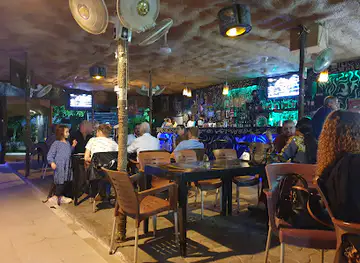
Perception Pub-Restaurant
Discover the lively dining scene at Perception Pub-Restaurant in N'Djamena, where local flavors meet an energetic bar atmosphere.

Au Bout Des Doigts
Experience the flavors of N'Djamena at Au Bout Des Doigts, where delicious pizza and a cozy atmosphere await every visitor.
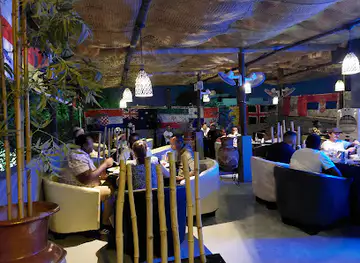
La CAVE
Experience the best pizza in N'Djamena at La CAVE, where authentic flavors meet a vibrant atmosphere for the perfect dining experience.

Best nightclubs in N'Djamena Region
Top-rated picks
Best Nightclubs

Perception Pub-Restaurant
Experience the vibrant flavors and social atmosphere at Perception Pub-Restaurant in N'Djamena, where local cuisine meets a lively bar scene.

Platinium bling bling
Discover the pulse of N'Djamena's nightlife at Platinium Bling Bling, the ultimate bar and nightclub experience.

SEID MAHAMAT ZAKARIA
Discover the vibrant nightlife at Seid Mahamat Zakaria, a premier night club in N'Djamena, blending local music with a lively atmosphere.
Le VIP
Dive into the heart of N'Djamena's nightlife at Le VIP, a lively disco club where music and culture collide in an unforgettable experience.

Best shops in N'Djamena Region
Top-rated picks
Best Shops

Modern Market
Explore the vibrant Modern Market in N'Djamena, Chad, a must-visit supermarket for authentic local flavors and a lively shopping experience.

Dembé Market
Explore the vibrant Dembé Market in N'Djamena, where local culture and flavors come alive through bustling stalls and engaging vendors.

Central Market السوق المركزي
Experience the vibrant culture and rich traditions at Central Market in N'Djamena, a must-visit for every traveler.

Le GRAND MARCHE
Discover the essence of Chad at Le GRAND MARCHE, a vibrant grocery store showcasing local produce, traditional foods, and the lively spirit of N'Djamena.

Explore N'Djamena Region on the Map
A handpicked selection of must-see spots in N'Djamena Region, mapped for you.
N'Djamena Region Essentials
-
N'Djamena, the capital of Chad, is accessible via N'Djamena International Airport (NDJ). Major airlines such as Air France and Ethiopian Airlines operate flights to and from this airport. From the airport, taxis are available to take you to various parts of the city. Due to limited public transportation options, hiring a private car or using a taxi service is recommended for more convenient travel.
-
Within N'Djamena, taxis are the most common form of transportation. Always negotiate the fare before starting your journey. For longer distances, hiring a private car with a driver is advisable. While public minibuses (known as 'clandos') are available, they are often crowded and not always reliable. Biking and walking are viable options for short distances in safe neighborhoods.
-
The official currency of Chad is the Central African CFA franc (XAF). While major hotels and some upscale restaurants accept credit cards, cash is still the preferred method of payment in most local establishments. ATMs are available but not always reliable, so it is wise to carry enough cash for your needs. Currency exchange services are available at the airport and in major hotels.
-
N'Djamena is generally safe during daylight hours, but it's advisable to take standard precautions. Avoid walking alone at night, especially in less populated areas. Neighborhoods such as Moursal and Chagoua have higher crime rates and should be avoided. Pickpocketing can occur in crowded places, so keep your belongings secure. Always use reputable taxi services and avoid displaying valuables.
-
In case of emergency, dial 17 for police assistance and 18 for medical emergencies. The main hospital is the Hopital General de Reference Nationale, which offers emergency services. Pharmacies are available for minor health issues, but it's advisable to carry basic first aid items and any necessary medications. Ensure you have travel insurance that covers medical emergencies.
-
Fashion: Do dress modestly, especially in rural areas and religious sites. Avoid wearing revealing clothing. Religion: Do respect local customs and traditions, particularly during prayer times. Public Transport: Do negotiate taxi fares in advance. Avoid using overcrowded minibuses. Greetings: Do greet people with a handshake and a smile. Avoid using the left hand for greetings. Eating & Drinking: Do try local dishes and accept food graciously. Don't refuse hospitality, as it is considered rude.
-
To experience N'Djamena like a local, visit the Central Market where you can buy local crafts and fresh produce. Engage with locals, who are generally friendly and willing to share their culture. Don't miss the Musee National N'Djamena, which offers insights into Chad's history and culture. For a unique experience, enjoy a sunset view over the Chari River, a popular spot for both locals and tourists.
When is the best time to visit N'Djamena Region?
Useful Local Phrases for N'Djamena Region
You don't need to speak the language perfectly. Even learning a few simple words can make conversations warmer—and locals usually appreciate the effort.
— Eve

Here are the phrases I use most often in N'Djamena Region. Try a few—you'll be surprised how far they go! 😊
❤️
-
- HelloBonjour
[bɔ̃ʒuʁ] - GoodbyeAu revoir
[o ʁəvwaʁ] - YesOui
[wi] - NoNon
[nɔ̃] - Please/You're welcomeS'il vous plaît
[sil vu ple] - Thank youMerci
[mɛʁsi] - Excuse me/SorryExcusez-moi
[ɛkskyze mwa] - How are you?Comment ça va?
[kɔmɑ̃ sa va] - Fine. And you?Bien. Et vous?
[bjɛ̃ e vu] - Do you speak English?Parlez-vous anglais?
[paʁle vu ɑ̃ɡle] - I don't understandJe ne comprends pas
[ʒə nə kɔ̃pʁɑ̃ pa]
- HelloBonjour
-
- I'd like to see the menu, pleaseJe voudrais voir le menu, s'il vous plaît
[ʒə vudʁɛ vwaʁ lə məny, sil vu ple] - I don't eat meatJe ne mange pas de viande
[ʒə nə mɑ̃ʒ pa də vjɑ̃d] - Cheers!Santé!
[sɑ̃te] - I would like to pay, pleaseJe voudrais payer, s'il vous plaît
[ʒə vudʁɛ peje, sil vu ple]
- I'd like to see the menu, pleaseJe voudrais voir le menu, s'il vous plaît
-
- Help!Au secours!
[o səkuʁ] - Go away!Allez-vous-en!
[ale vu zɑ̃] - Call the Police!Appelez la police!
[apəle la pɔlis] - Call a doctor!Appelez un médecin!
[apəle ɛ̃ mɛdɛsɛ̃] - I'm lostJe suis perdu
[ʒə sɥi pɛʁdy] - I'm illJe suis malade
[ʒə sɥi malɑd]
- Help!Au secours!
-
- I'd like to buy...Je voudrais acheter...
[ʒə vudʁɛ aʃte] - I'm just lookingJe regarde juste
[ʒə ʁəɡaʁd ʒyst] - How much is it?C'est combien?
[se kɔ̃bjɛ̃] - That's too expensiveC'est trop cher
[se tʁo ʃɛʁ] - Can you lower the price?Pouvez-vous baisser le prix?
[puve vu besɛʁ lə pʁi]
- I'd like to buy...Je voudrais acheter...
-
- What time is it?Quelle heure est-il?
[kɛl œʁ e til] - It's one o'clockIl est une heure
[il ɛt yn œʁ] - Half past (10)Dix heures et demie
[di zœʁ e dəmi] - MorningMatin
[matɛ̃] - AfternoonAprès-midi
[apʁɛ midi] - EveningSoir
[swaʁ] - YesterdayHier
[jɛʁ] - TodayAujourd'hui
[oʒuʁdɥi] - TomorrowDemain
[dəmɛ̃] - 1Un
[ɛ̃] - 2Deux
[dø] - 3Trois
[tʁwa] - 4Quatre
[katʁ] - 5Cinq
[sɛ̃k] - 6Six
[si] - 7Sept
[sɛt] - 8Huit
[ɥit] - 9Neuf
[nœf] - 10Dix
[di]
- What time is it?Quelle heure est-il?
-
- Where's a/the...?Où est un/le...?
[u ɛ ɛ̃/lə] - What's the address?Quelle est l'adresse?
[kɛl ɛ l'aʁɛs] - Can you show me (on the map)?Pouvez-vous me montrer (sur la carte)?
[puve vu mə mɔ̃tʁe (syʁ la kaʁt)] - When's the next (bus)?Quand est le prochain (bus)?
[kɑ̃ ɛ lə pʁɔʃɛ̃ (bys)] - A ticket (to ....)Un billet (pour ....)
[ɛ̃ bijɛ (puʁ ....)]
- Where's a/the...?Où est un/le...?
History of N'Djamena Region
-
The region now known as N'Djamena has a rich history that dates back to the time of ancient African kingdoms. Before the arrival of European powers, this area was part of various indigenous kingdoms and chiefdoms. The Sao civilization, known for its impressive artifacts and pottery, inhabited this region around the 6th century. Their sophisticated social structures and unique artistic contributions left a lasting legacy.
-
In the late 19th and early 20th centuries, the area became a focal point for European colonial ambitions. The French established Fort-Lamy in 1900, named after the French commander Émile Gentil’s colleague, Amédée-François Lamy, who was killed in the Battle of Kousséri. This fortification laid the groundwork for the city that would eventually become N'Djamena, the capital of Chad.
-
During World War II, Fort-Lamy played a significant role as a strategic point for the Free French Forces. In 1942, the city served as a base for the French Equatorial Africa army, contributing to the Allied efforts in North Africa. The presence of the military brought about infrastructural developments that aided in the modernization of the city.
-
Chad gained independence from France on August 11, 1960, and Fort-Lamy was renamed N'Djamena in 1973. This period saw significant political and social changes. The city became the political and administrative hub of the new nation. However, N'Djamena also faced numerous challenges, including civil wars and political instability that shaped its modern history.
-
N'Djamena is a melting pot of cultures, reflecting the diverse ethnic groups that inhabit Chad. The city's cultural landscape is characterized by a blend of traditional African customs and modern influences. Markets like the Grand Marché showcase the region's rich heritage through crafts, textiles, and local cuisine. Festivals and ceremonies, particularly those related to religious and agricultural practices, are essential aspects of life in N'Djamena.
-
Today, N'Djamena is a bustling metropolis that serves as the economic and cultural heart of Chad. The city has grown significantly, with modern infrastructure coexisting alongside traditional establishments. Key landmarks include the N'Djamena Cathedral and the King Faisal Mosque, symbolizing the city’s religious and architectural diversity. Despite past conflicts, N'Djamena continues to develop and evolve, attracting visitors with its unique blend of history and culture.
Neighbouring Regions of N'Djamena Region
The closest regions to N'Djamena Region, if you have time for more than one.


Your all‑in‑one travel companion app
Explore expert travel guides, compare and book tours, experiences, hotels, and more—all from the palm of your hand. Download now for seamless trip planning wherever your wanderlust takes you.


Explore More of Chad

Looking beyond N'Djamena Region? Discover Chad for broader travel guides, local hot-spots, and regional highlights.
Explore ChadN'Djamena Region in Photos
Browse through our photo collection highlighting the charm and character of the destination.


Exploring the Heart of Chad: N'Djamena Region
Welcome to the N'Djamena Region, the vibrant heart of Chad! This region is home to the nation's capital, N'Djamena, a city that blends cultural heritage with modernity. Here, you will find bustling markets, historical landmarks, and friendly locals eager to share their rich traditions with you. Start your journey at the Grand Mosque, an iconic structure that stands as a symbol of peace and spirituality. Nearby, the National Museum of Chad offers a fascinating glimpse into the country's history, showcasing artifacts from prehistoric times to the present day. Don't miss the lively Central Market, where you can experience the hustle and bustle of daily life. Here, you can purchase handmade crafts, local spices, and fresh produce. It's the perfect place to immerse yourself in the local culture and perhaps try some traditional Chadian dishes. For nature enthusiasts, the Chari River provides a serene escape from the city's hustle. A boat trip on the river offers picturesque views and a chance to see local wildlife. Additionally, the Avenue Charles de Gaulle is a great spot for a leisurely stroll, lined with cafes and shops where you can relax and people-watch. The N'Djamena Region is also a gateway to exploring the broader landscapes of Chad. Whether you are interested in desert adventures or exploring savannahs, this region serves as the perfect starting point for your Chadian adventure.