

Free Tarapacá Region Travel Guide & Mobile App
Explore Tarapacá Region with free travel guides. Discover regional history, expert tips, proposed trips, and audio guides on web or mobile app.


Explore Tarapacá Region for Iquique’s Pacific beaches, Atacama landscapes, nitrate heritage, desert oases and highland Aymara culture.
Read more about Tarapacá Region
When is the best time to visit Tarapacá Region?
Best: April, October–November · 24–26°C| Month | High (°C) | Rainfall (mm) |
|---|---|---|
| January | 27 | 1 |
| February | 27 | 1 |
| March | 26 | 0 |
| April (best) | 25 | 0 |
| May | 23 | 0 |
| June | 22 | 0 |
| July | 21 | 0 |
| August | 22 | 0 |
| September | 23 | 0 |
| October (best) | 24 | 0 |
| November (best) | 26 | 0 |
| December | 26 | 1 |
Getting to and around Tarapacá Region
How to get there
Transportation
Best attractions in Tarapacá Region
Tarapacá’s attractions range from Iquique’s beaches and urban museums to some of northern Chile’s most revealing industrial ruins. Cavancha is the city’s best-known urban beach, while the waterfront and coastal cliffs create opportunities for walking, surfing, bodyboarding and paragliding. In the historic centre, museums and preserved buildings explain Iquique’s maritime, naval and nitrate-era development. Inland, the UNESCO-listed Humberstone and Santa Laura nitrate works provide an unusually extensive view of company-town life, with workshops, housing and public buildings spread across the desert. The Pica and Matilla oases offer gardens, orchards, historic churches and a cooler contrast to the surrounding terrain. Farther east, Isluga National Park presents volcanic slopes, highland wetlands, lagoons, vicuña habitat and Aymara cultural landscapes; it is more suited to prepared, self-sufficient travellers than casual sightseeing. Pozo Almonte and Huara serve as practical links to the interior, while the desert itself rewards visits to viewpoints, quebradas and historic routes undertaken with local guidance or careful preparation. Across the region, the attraction is the relationship between coast, mineral desert, irrigated oasis and high plateau rather than a single concentrated resort area.
-
Museum
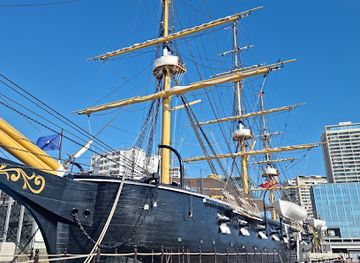
Corbeta Esmeralda Museum
Discover the maritime heritage of Chile at Corbeta Esmeralda Museum, featuring the iconic naval vessel and engaging historical exhibits.
-
Observation deck
Morro de Arica
Explore Morro de Arica: a historical landmark offering breathtaking views of the Pacific Ocean and the vibrant cityscape of Arica, Chile.
-
Park
Parque El Loa
Explore the serene beauty of Parque El Loa, a lush urban park in Calama, Chile, perfect for relaxation and outdoor activities.
-
National reserve
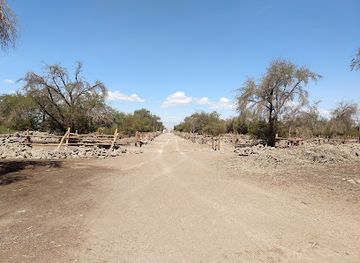
Reserva Nacional Pampa del Tamarugal
Discover the enchanting beauty of Pampa del Tamarugal National Reserve, a serene desert landscape filled with unique wildlife and rich cultural heritage.
Best landmarks in Tarapacá Region
Iquique’s strongest architectural landmark is the Baquedano historic quarter, where timber buildings and façades recall the prosperity of the nitrate era and the city’s connections with Pacific trade. The municipal theatre and nearby civic buildings help convey the scale of that period, while the Esmeralda Naval Museum and the preserved replica of the corvette Esmeralda relate to the maritime history associated with the War of the Pacific. Inland, Humberstone and Santa Laura are the region’s defining industrial landmarks: their workers’ housing, public buildings, workshops and processing structures stand within the stark nitrate desert and embody a vanished economic system. At Pica, the oasis church and settlement form a human-scale contrast to the surrounding aridity, with cultivated land sustained by groundwater. In the east, the adobe church and village landscape of Isluga, together with the volcanic horizons and wetlands of Isluga National Park, represent the cultural and geographical importance of the altiplano. None of these places is merely decorative; each records a relationship between water, mobility, trade, belief, industry or national history.
-
Tourist attraction
Clock Tower
Discover Iquique's iconic Clock Tower: a blend of Gothic and Islamic architecture in the heart of Arturo Prat Square. A historic landmark since 1878.
-
 Museum
Corbeta Esmeralda Museum
Dive into Chile's maritime history at the Corbeta Esmeralda Museum in Iquique, a unique attraction showcasing naval battles and rich heritage.
-
National reserve
Reserva Nacional Pampa del Tamarugal
Discover the breathtaking landscapes and rich wildlife of Reserva Nacional Pampa del Tamarugal, a must-visit national reserve in Chile's Tarapacá region.
-
Historical landmark
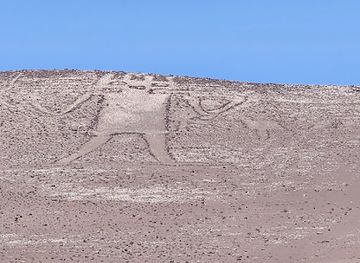
The Tarapacá Giant
Discover the Tarapacá Giant, the world's largest human-figured geoglyph, and unlock the mysteries of the Atacama Desert's ancient past.


Explore Tarapacá Region on the map
Plan your trip on one map. See where the top cities, national parks and sights are, and book hotels and experiences in a few clicks.
Best hotels in Tarapacá Region
Best restaurants in Tarapacá Region
Dining in Tarapacá is shaped first by Iquique’s Pacific setting and then by the produce of its inland oases. Fish and shellfish feature prominently in coastal restaurants and markets, with preparations varying from simple grilled seafood to Chilean-style ceviche. Traditional Chilean meals such as empanadas, cazuela and sandwiches are widely available, alongside Peruvian and broader Andean influences reflecting the region’s historic connections and contemporary population. Pica is known for its citrus-growing landscape and limón de Pica, while oasis agriculture also supplies fruit and vegetables to local tables. Small eateries, bakeries, cafés and traditional picadas provide informal meals, and restaurants in Iquique offer the widest range of seafood, international cooking and modern Chilean cuisine. In the interior and highlands, dining choices are more limited and may depend on local households, small establishments or pre-arranged tours. Markets are useful places to see the relationship between coastal products, desert agriculture and imported goods moving through the region’s commercial networks.
-
Restaurant
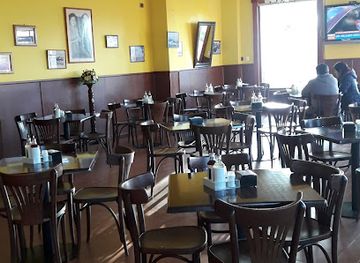
La Mulata
Experience exceptional Chilean cuisine at La Mulata in Iquique, where fresh seafood meets vibrant flavors in an inviting atmosphere.
-
Restaurant
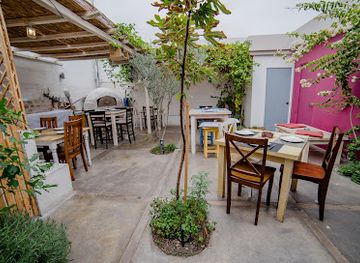
Flor de Huara
Experience the authentic flavors of Tarapacá at Flor de Huara - where culinary tradition meets modern cuisine.
-
Greek
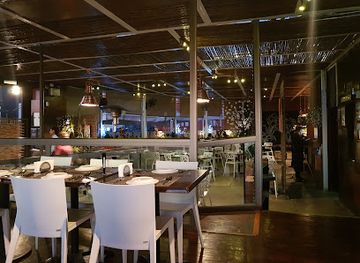
Santorini Restobar
Experience authentic Greek flavors at Santorini Restobar in Iquique – where every meal is a celebration of Mediterranean cuisine.
-
Restaurant
Chiringuito Cavancha Bar Restaurante
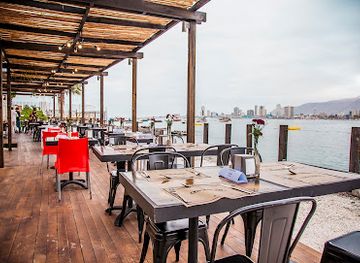
Discover the best seafood dining experience at Chiringuito Cavancha in Iquique, where fresh flavors meet stunning ocean views.
Best bars in Tarapacá Region
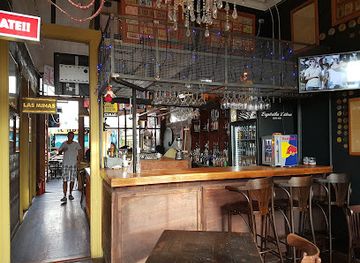
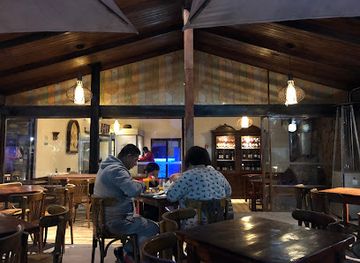
Iquique has the region’s most developed evening scene, with bars, casual restaurants and venues concentrated around the central districts, the Cavancha area and the waterfront. The city’s nightlife mixes late dinners, football and conversation in traditional pubs with music-led venues and seasonal activity linked to beach tourism. The historic quarter offers a quieter evening centred on restored architecture and small hospitality businesses, while larger venues and younger crowds are more common around the modern coastal districts. Outside Iquique, nightlife is restrained: Pozo Almonte, Pica and other inland towns generally favour local restaurants, cafés and social gatherings rather than a substantial club circuit. In highland communities, evenings are primarily quiet and shaped by local life, travel logistics and the cold desert climate. Visitors should check current opening arrangements, particularly outside the main city, and should not rely on late-night transport in rural districts.
-
Bar
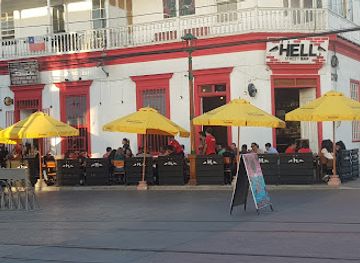
Hell Street Bar
Experience the vibrant nightlife at Hell Street Bar in Iquique, where eclectic cocktails meet a lively atmosphere for unforgettable evenings.
-
Gastropub
Bar Radicales
Experience Iquique’s culinary scene at Bar Radicales, a lively gastropub serving creative dishes and local flavors in a vibrant atmosphere.
-
Karaoke bar
Valhalla - Paraíso Vikingo
Discover Valhalla - a Viking-themed karaoke bar in Iquique, blending vibrant entertainment, delicious drinks, and unforgettable nights of music.
-
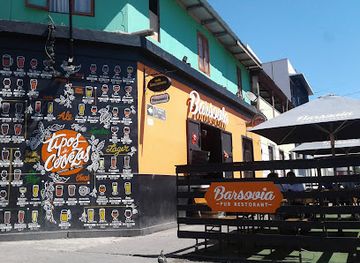
Grill
Barsovia
Discover the lively Barsovia in Iquique, a grill bar offering delicious food, refreshing drinks, and a vibrant atmosphere for an unforgettable experience.
Best nightclubs in Tarapacá Region
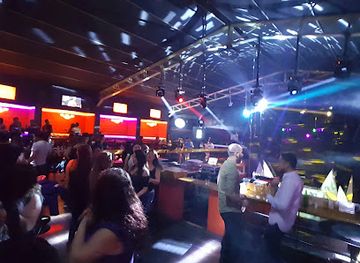
Iquique has the region’s most developed evening scene, with bars, casual restaurants and venues concentrated around the central districts, the Cavancha area and the waterfront. The city’s nightlife mixes late dinners, football and conversation in traditional pubs with music-led venues and seasonal activity linked to beach tourism. The historic quarter offers a quieter evening centred on restored architecture and small hospitality businesses, while larger venues and younger crowds are more common around the modern coastal districts. Outside Iquique, nightlife is restrained: Pozo Almonte, Pica and other inland towns generally favour local restaurants, cafés and social gatherings rather than a substantial club circuit. In highland communities, evenings are primarily quiet and shaped by local life, travel logistics and the cold desert climate. Visitors should check current opening arrangements, particularly outside the main city, and should not rely on late-night transport in rural districts.
-
Dance hall
Heaven
Experience the vibrant nightlife at Heaven, Iquique's premier dance hall, where music, dancing, and fun come together in an electric atmosphere.
-
Disco club
Sala Murano
Experience the ultimate nightlife at Sala Murano, Iquique's premier disco club with electrifying music and a vibrant atmosphere.
-
Night club
Sunrise
Dive into the vibrant nightlife of Iquique at Sunrise Night Club, where unforgettable dance experiences await in a dazzling atmosphere.
-
Disco club
Espacio Murano
Discover the pulsating nightlife at Espacio Murano, a vibrant disco club in Alto Hospicio with electrifying music and a lively atmosphere.

Best shops in Tarapacá Region
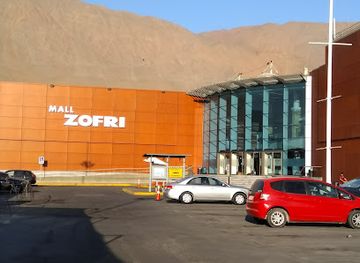
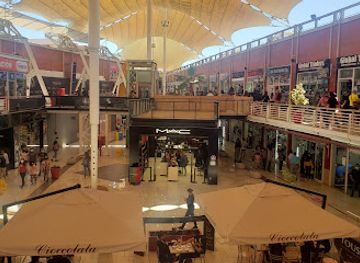
Iquique is Tarapacá’s principal shopping centre, with ordinary high-street retail, markets and the large ZOFRI free trade complex, whose commercial role reflects the city’s position as a Pacific trading hub. Product selection and retail arrangements change, so compare prices and check warranty and customs conditions before purchasing imported electronics or other goods. Central streets and markets are useful for food, clothing and everyday goods, while independent shops and craft sellers provide regional products rather than a single specialised craft tradition. In Pica and other oasis communities, look for seasonal fruit, preserves, citrus products and locally made food items when available. Markets and small shops in the interior can offer woven goods, alpaca or llama-related textiles and Andean handicrafts, although quality and provenance vary. Responsible visitors should buy from sellers who can explain how products were made and should avoid archaeological objects, fossils or items claimed to come from protected sites.
-
Shopping mall
Mall Zofri
Discover the ultimate shopping experience at Mall Zofri in Iquique, where vibrant culture meets diverse shopping and dining options.
-
Musical instrument store
Zona Franca of Iquique
Experience the vibrant shopping scene at Zona Franca of Iquique, where music meets culture in a unique duty-free paradise.
-
Comic book store
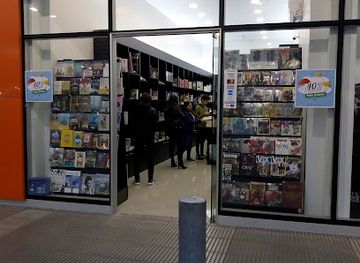
Libreria Punto Y Coma
Explore the vibrant world of comics and literature at Libreria Punto Y Coma, Iquique's beloved bookstore and comic shop.
-
Perfume store
NM Perfumerias
Explore NM Perfumerias in Iquique for an exquisite selection of perfumes that capture the essence of luxury and elegance.

Get your free copy of our complete guide to Tarapacá Region, delivered straight to you.
Everything on this page, from attractions and restaurants to essentials and local phrases, in one PDF you can read offline, print or share.
Already have an account? Sign in
Your Tarapacá Region guide is ready.
We'll send it to · Not you? Sign out

Getting your guide ready…
We are putting together a fresh copy of the Tarapacá Region guide. This can take up to a minute.
This can take a few moments. If your browser asks, choose Allow so the download can start. You'll find the guide in your Downloads folder.
Nothing happened? Download it again
Sorry, the guide is taking longer than usual. Please try again in a minute, or get it by email instead.
Tarapacá Region essentials
Currency and Payment
Safety
Emergency Situations
Do's and Don'ts
Local Tips
From Eve
Local phrases worth knowing
You don't need to get them perfect. A few words go a long way, and locals appreciate the effort.
Basics
| English | Local | Say it |
|---|---|---|
| Hello | Hola | [Oh-la] |
| Goodbye | Adiós | [Ah-dee-os] |
| Yes | Sí | [See] |
| No | No | [No] |
| Please/You're welcome | Por favor/De nada | [Por fah-vor/De nah-da] |
| Thank you | Gracias | [Grah-see-ahs] |
| Excuse me/Sorry | Disculpa/Lo siento | [Dees-kool-pah/Lo see-en-to] |
| How are you? | ¿Cómo estás? | [Koh-mo es-tahs] |
| Fine. And you? | Bien. ¿Y tú? | [Byen. Ee too] |
| Do you speak English? | ¿Hablas inglés? | [Ah-blahs een-gless] |
| I don't understand | No entiendo | [No en-tee-en-do] |
Eating & Drinking
| English | Local | Say it |
|---|---|---|
| I'd like to see the menu, please | Me gustaría ver el menú, por favor | [Meh goo-stah-ree-ah vair el meh-noo, por fah-vor] |
| I don't eat meat | No como carne | [No koh-mo kar-neh] |
| Cheers! | ¡Salud! | [Sah-lood] |
| I would like to pay, please | Me gustaría pagar, por favor | [Meh goo-stah-ree-ah pah-gar, por fah-vor] |
Emergencies
| English | Local | Say it |
|---|---|---|
| Help! | ¡Ayuda! | [Ah-yoo-dah] |
| Go away! | ¡Vete! | [Veh-teh] |
| Call the Police! | ¡Llama a la policía! | [Yah-mah ah lah poh-lee-see-ah] |
| Call a doctor! | ¡Llama a un doctor! | [Yah-mah ah oon dok-tor] |
| I'm lost | Estoy perdido | [Es-toy per-dee-do] |
| I'm ill | Estoy enfermo | [Es-toy en-fer-mo] |
Shopping
| English | Local | Say it |
|---|---|---|
| I'd like to buy... | Quisiera comprar... | [Kee-see-air-ah kom-prar] |
| I'm just looking | Solo estoy mirando | [Soh-lo es-toy mee-ran-do] |
| How much is it? | ¿Cuánto cuesta? | [Kwan-toh kwes-tah] |
| That's too expensive | Eso es muy caro | [Eh-so es moy kah-ro] |
| Can you lower the price? | ¿Puedes bajar el precio? | [Pweh-des bah-har el preh-syo] |
Time & Numbers
| English | Local | Say it |
|---|---|---|
| What time is it? | ¿Qué hora es? | [Keh oh-rah es] |
| It's one o'clock | Es la una | [Es lah oo-nah] |
| Half past (10) | Y media (10) | [Ee meh-dee-ah (10)] |
| Morning | Mañana | [Mah-nyah-nah] |
| Afternoon | Tarde | [Tar-deh] |
| Evening | Noche | [No-cheh] |
| Yesterday | Ayer | [Ah-yer] |
| Today | Hoy | [Oy] |
| Tomorrow | Mañana | [Mah-nyah-nah] |
| 1 | Uno | [Oo-no] |
| 2 | Dos | [Dohs] |
| 3 | Tres | [Tress] |
| 4 | Cuatro | [Kwah-troh] |
| 5 | Cinco | [Seen-koh] |
| 6 | Seis | [Says] |
| 7 | Siete | [See-eh-teh] |
| 8 | Ocho | [Oh-cho] |
| 9 | Nueve | [Nweh-veh] |
| 10 | Diez | [Dyez] |
Transport & Directions
| English | Local | Say it |
|---|---|---|
| Where's a/the...? | ¿Dónde está un/la...? | [Dohn-deh es-tah oon/lah] |
| What's the address? | ¿Cuál es la dirección? | [Kwahl es lah dee-rek-syon] |
| Can you show me (on the map)? | ¿Puedes mostrarme (en el mapa)? | [Pweh-des mos-trar-meh (en el mah-pah)] |
| When's the next (bus)? | ¿Cuándo es el próximo (bus)? | [Kwan-doh es el prohk-see-mo (boos)] |
| A ticket (to ....) | Un boleto (a ....) | [Oon bo-leh-to (ah ....)] |
History of Tarapacá Region
Pre-Hispanic Coastal and Inland Cultures
Long before Spanish colonisation, communities adapted to Tarapacá’s extreme environments through fishing, gathering, agriculture and caravan trade. Coastal settlements depended on the exceptionally productive Humboldt Current, while inland communities cultivated oasis land and developed systems suited to scarce water. The quebradas and high plateau connected the coast with the Andes, allowing goods, animals and ideas to circulate across ecological zones. Archaeological remains, ancient agricultural works and rock art testify to a long history of movement and settlement rather than an empty desert.
Aymara and Inca Influence
The interior of Tarapacá formed part of wider Andean cultural networks before and during the expansion of the Inca state. Aymara-speaking communities maintained settlements, fields, herding grounds and ceremonial traditions in the highlands, while the Inca incorporated parts of the region into an imperial system linked by roads and administrative routes. The legacy is still visible in village layouts, agricultural practices, place names and living traditions around the altiplano, although present-day communities should not be treated simply as relics of the past.
Spanish Colonial Rule and the Tarapacá Interior
Spanish authority reached the region during the sixteenth century, bringing new political institutions, Christianity, livestock and mining interests. Iquique developed as a small coastal settlement serving the interior, while colonial routes connected ports, valleys and highland communities. Churches and village traditions in the interior reflect the complex meeting of Catholic practice with older Andean customs. Tarapacá remained remote within the Spanish empire, and its arid geography limited settlement while encouraging the use of oasis agriculture and long-distance desert routes.
The War of the Pacific and Chilean Tarapacá
Tarapacá was a major theatre of the War of the Pacific, fought between Chile, Peru and Bolivia from 1879 to 1884. The Battle of Dolores, near the nitrate fields, and the Battle of Tarapacá were among the conflict’s important episodes. The Treaty of Ancón in 1883 transferred the former Peruvian province of Tarapacá to Chile. The change reshaped administration, borders and national identities, while Iquique became an important Chilean port and regional centre.
The Nitrate Boom
From the late nineteenth century into the early twentieth century, natural nitrate transformed Tarapacá. Nitrate oficinas, or company settlements, spread across the desert and employed workers from different parts of Chile and neighbouring countries. Production supported exports, railways, ports and public revenue, while the settlements developed schools, shops, theatres and highly regulated company life. Humberstone and Santa Laura preserve the industrial architecture and machinery associated with this era. Labour organisation also became important, and the nitrate economy shaped Chilean politics and social history.
The Decline of Saltpetre and Modern Tarapacá
The commercial development of synthetic nitrogen fertilisers weakened the natural nitrate industry during the twentieth century. Many oficinas closed, and their populations moved away, leaving isolated industrial ruins across the desert. Iquique nevertheless continued to grow through its port, fishing economy, services, trade and expanding tourism. The creation of the Iquique free trade zone, known as ZOFRI, reinforced the city’s role as a commercial hub. Today Tarapacá combines a modern coastal economy with mining, agriculture in oasis communities and the preservation of nitrate and Andean heritage.
Tarapacá Region in Photos
Browse through our photo collection highlighting the charm and character of the destination.
Neighbouring regions of Tarapacá Region
The closest regions to Tarapacá Region, if you have time for more than one.
-

-

-

-
-


Swipe for more regions
Explore more

Explore more of Chile
Discover Chile: From the Atacama Desert to Patagonia's Glaciers, Experience Diverse Landscapes, Rich Culture, and World-Class Wine in This South American Gem.
Explore Chile