

Free Norte Grande Travel Guide & Mobile App
Explore Norte Grande with free travel guides. Discover regional history, expert tips, proposed trips, and audio guides on web or mobile app.


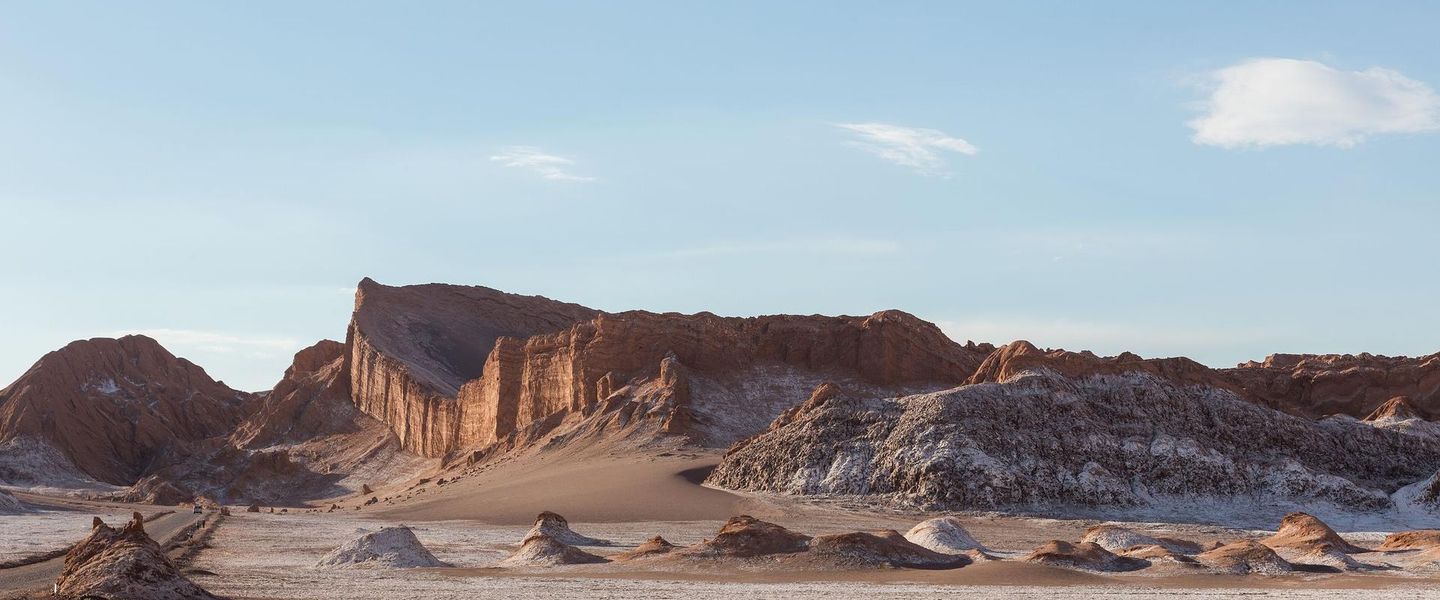


Explore Norte Grande’s Atacama landscapes, Andean villages, Pacific cities, ancient cultures and remarkable desert heritage in northern Chile.
Read more about Norte Grande
When is the best time to visit Norte Grande?
Best: February, November–December · 25–26°C| Month | High (°C) | Rainfall (mm) |
|---|---|---|
| January | 26 | 1 |
| February (best) | 26 | 1 |
| March | 24 | 1 |
| April | 22 | 1 |
| May | 20 | 1 |
| June | 18 | 1 |
| July | 18 | 1 |
| August | 19 | 1 |
| September | 21 | 1 |
| October | 23 | 1 |
| November (best) | 25 | 1 |
| December (best) | 26 | 1 |
Getting to and around Norte Grande
How to get there
Transportation
Top city travel guides in Norte Grande
The cities of Norte Grande, and the easiest places to base yourself.
-

-

-


Swipe for more cities
Destinations in Norte Grande
Resorts, valleys and scenic spots worth a trip of their own.

Swipe for more destinations
Best attractions in Norte Grande
Norte Grande’s attractions range from Pacific cities and archaeological museums to immense desert and highland landscapes. Arica provides access to Chinchorro heritage, coastal viewpoints and routes towards the Azapa and Lluta valleys, while Iquique combines beaches, historic commercial streets and the nearby nitrate works of Humberstone and Santa Laura. Inland, the geoglyphs near the desert routes, the oasis town of Pica and the highland villages of Arica y Parinacota reveal how people have crossed and cultivated this difficult terrain. San Pedro de Atacama is the main base for the Reserva Nacional Los Flamencos, whose areas include desert valleys, salt flats and high-altitude lagoons populated by flamingos. Excursions also reach the geothermal field of El Tatio, though conditions are cold and the altitude is considerable. Lauca National Park offers volcanoes, wetlands, vicuña habitat and Lake Chungará near the Bolivian frontier. Antofagasta and Calama add museums, mining heritage and access to the interior, while stargazing benefits from exceptionally dry skies. The region’s attraction landscape is defined less by a concentration of conventional sights than by the relationship between geology, ancient movement, Indigenous culture and extractive industry.
-
Park
Plaza de San Pedro de Atacama
Experience the vibrant heart of San Pedro de Atacama at the Plaza, where culture, history, and stunning landscapes converge for an unforgettable visit.
-
Swimming basin
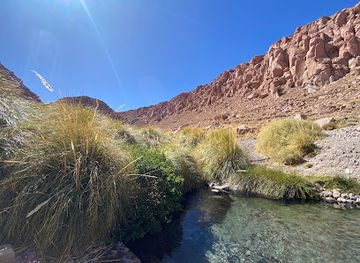
Puritama
Experience the breathtaking thermal pools of Puritama in the heart of the Atacama Desert, where relaxation meets stunning natural beauty.
-
National park
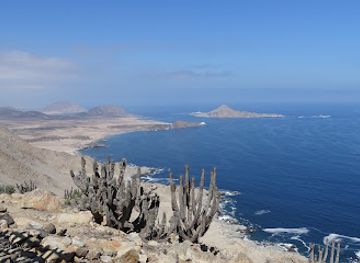
Parque Nacional Pan de Azúcar
Explore the stunning landscapes and diverse wildlife at Parque Nacional Pan de Azúcar, a pristine national park along Chile's picturesque coast.
-
Museum
Museo Pedro del Río Zañartu Park
Discover the enchanting Museo Pedro del Río Zañartu Park, where art, history, and nature converge in a serene setting.

Best landmarks in Norte Grande
The Norte Grande’s most recognisable landmarks express its combination of desert geology, ancient culture and industrial history. Arica’s Morro dominates the coastal city from a steep rocky headland and is closely associated with the War of the Pacific, while the nearby valleys preserve landscapes linked to Chinchorro archaeology and pre-Hispanic agriculture. The abandoned nitrate works of Humberstone and Santa Laura in Tarapacá are among the region’s defining industrial landscapes, with processing structures and workers’ quarters illustrating the scale of the former nitrate economy. Further inland, Cerro Unitas bears the Giant of Atacama, one of the best-known anthropomorphic geoglyphs in the desert. In the highlands, the volcanic silhouettes and waters of Lauca National Park, including Parinacota and Lake Chungará, form an internationally recognised Andean scene. Around San Pedro de Atacama, the eroded formations of Valle de la Luna, the broad Salar de Atacama and the distant Licancabur volcano provide powerful natural symbols of the region. Antofagasta’s coastal escarpment and port-facing urban setting complete the contrast between ocean and desert.
-
Park
Plaza Ñuñoa
Explore the beauty and culture of Plaza Ñuñoa, Santiago's hidden gem, perfect for relaxation and local events.
-
Tourist attraction
Sky Costanera
Discover unparalleled views of Santiago and the Andes at Sky Costanera, the tallest building in Latin America, a must-visit for every traveler.
-
 Park
ParkParque Ecuador
Explore the lush landscapes and art-filled pathways of Parque Ecuador, the serene urban park in the heart of Concepción, Chile.
-
Historical landmark
Plaza Sotomayor
Discover Plaza Sotomayor in Valparaíso: a historic landmark, cultural hub, and tribute to Chile's maritime legacy.
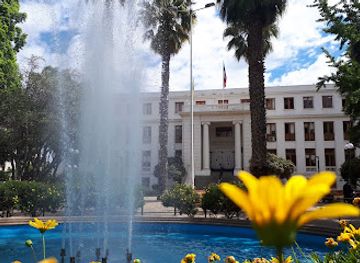
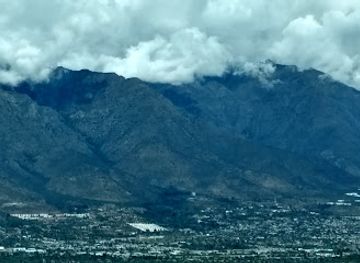

Explore Norte Grande on the map
Plan your trip on one map. See where the top cities, national parks and sights are, and book hotels and experiences in a few clicks.
Best hotels in Norte Grande
Best restaurants in Norte Grande
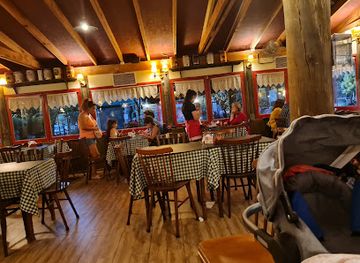
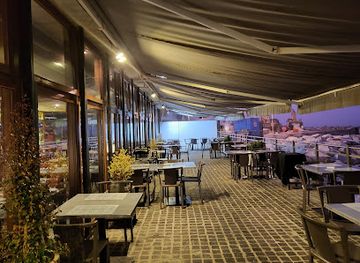
Norte Grande’s food reflects both the Pacific and the desert oases. Coastal cities serve fish, shellfish and the Chilean preparations known as ceviche, while markets and casual restaurants commonly feature empanadas, sandwiches and hearty seafood dishes. In Arica and the far north, local cooking also reflects Aymara and Andean ingredients, including potatoes, maize, quinoa and ají, with produce from irrigated valleys and oases supplying urban kitchens. Around San Pedro de Atacama, menus often combine Chilean staples with Andean grains, vegetables and camelid meat, although availability varies and dishes should not be assumed to represent every local household. Pica is associated with citrus and other oasis produce, while chañar and algarrobo appear in traditional northern foodways. Antofagasta and Iquique offer the broadest choice of restaurants, cafés, bakeries and international cooking. Markets are useful for fruit, bread and regional snacks, and small towns may have limited evening service. Pisco, Chilean wine and local beer are widely available, but altitude can intensify the effects of alcohol.
-
Chilean
Restaurant Juan y Medio
Experience authentic Chilean cuisine at Restaurant Juan y Medio in O'Higgins - where tradition meets flavor.
-
Restaurant
La Casita de las Alemanas
Discover authentic German-Chilean cuisine at La Casita de las Alemanas in San Bernardo – where tradition meets taste.
-
Chilean
Tierra de Fuego
Experience authentic Chilean cuisine at Tierra de Fuego in Viña del Mar - where tradition meets exquisite taste amidst stunning coastal views.
-
Fine Dining
Mestizo
Experience exquisite Chilean cuisine at Mestizo, where fine dining meets breathtaking views in Santiago's Vitacura district.

Best bars in Norte Grande
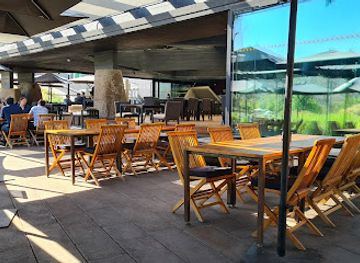
Evening life in Norte Grande differs sharply between coastal cities, desert towns and highland villages. Arica, Iquique and Antofagasta have the widest choice of bars, restaurants, live-music venues and late-night establishments, with activity concentrated around central streets and waterfront areas rather than across the remote desert. Iquique’s coastal setting gives its nightlife a noticeable seafront character, while Antofagasta offers the largest urban range in the region. San Pedro de Atacama has an active visitor-oriented evening scene of restaurants, beer bars and small venues, but local regulations and operating patterns can change. In smaller towns, traditional pubs, social clubs and family-run restaurants are more common than nightclubs. High-altitude excursions often begin before dawn, so a quiet evening may be more practical than a late night. Drink responsibly, particularly during acclimatisation, and use reputable taxis or arranged transport after dark.
-
Bar
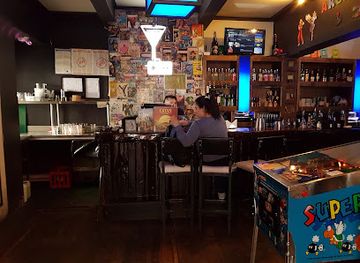
Insert Coin Bar - Providencia
Experience the ultimate blend of gaming and dining at Insert Coin Bar in Providencia, where nostalgia meets culinary creativity.
-
Irish pub
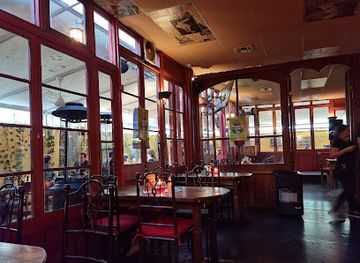
Flannery's Irish Geo Pub
Discover Flannery's Irish Geo Pub in Santiago: A lively Irish pub offering a warm atmosphere, delicious food, and a fantastic selection of drinks.
-
Bar
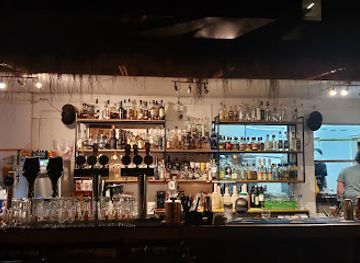
Barbones Bar
Discover the vibrant flavors and lively ambiance of Barbones Bar in Viña del Mar, where every visit is a celebration of local culture.
-
Pub
Locos X Viña Bar
Discover Locos X Viña Bar: A lively pub in Viña del Mar, Chile, blending local culture and vibrant nightlife with delicious drinks.
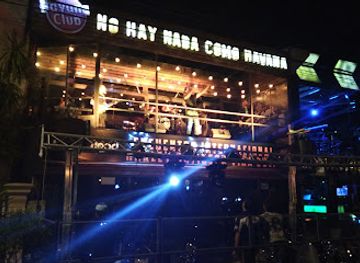
Best nightclubs in Norte Grande
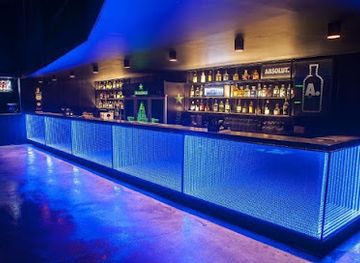
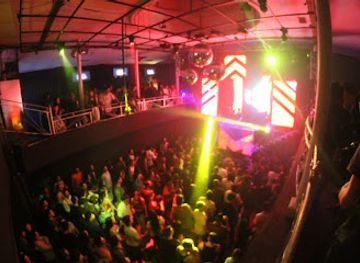
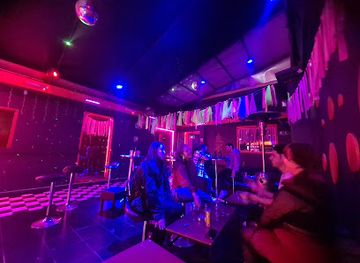
Evening life in Norte Grande differs sharply between coastal cities, desert towns and highland villages. Arica, Iquique and Antofagasta have the widest choice of bars, restaurants, live-music venues and late-night establishments, with activity concentrated around central streets and waterfront areas rather than across the remote desert. Iquique’s coastal setting gives its nightlife a noticeable seafront character, while Antofagasta offers the largest urban range in the region. San Pedro de Atacama has an active visitor-oriented evening scene of restaurants, beer bars and small venues, but local regulations and operating patterns can change. In smaller towns, traditional pubs, social clubs and family-run restaurants are more common than nightclubs. High-altitude excursions often begin before dawn, so a quiet evening may be more practical than a late night. Drink responsibly, particularly during acclimatisation, and use reputable taxis or arranged transport after dark.
-
Disco club
Club Amanda
Discover the vibrant nightlife of Santiago at Club Amanda, where dancing, cocktails, and good vibes come together for an unforgettable experience.
-
Disco club
club57
Discover the vibrant nightlife of Santiago at Club57, where electrifying music and lively dance await in a stylish disco club atmosphere.
-
Night club
Club Ambar
Discover Club Ambar, Santiago's vibrant nightlife hub, where electrifying music and a lively atmosphere promise an unforgettable experience.
-
Disco club
Club Soda
Explore Santiago's nightlife at Club Soda, where vibrant music and lively atmosphere create unforgettable nights in the heart of Recoleta.

Best shops in Norte Grande
Shopping in Norte Grande is centred on city markets, independent stores, craft stalls and regional food rather than large luxury districts. Arica and Iquique are useful for everyday shopping and locally produced foods, while their markets reflect the cross-border movement of goods and ingredients that has long shaped the far north. San Pedro de Atacama has the most concentrated visitor market for woven textiles, jewellery, ceramics and small artworks inspired by Atacameño and wider Andean traditions; buyers should ask about materials, provenance and fair production. Look for quinoa, dried fruit, spices, sweets and oasis produce where appropriate, though packaged foods are easier to transport than fresh agricultural goods. Antofagasta and Calama offer broader modern retail, alongside shops selling mining- and desert-related souvenirs. Authentic archaeological objects should never be purchased, and protected plants, stones or historic fragments must not be removed from the landscape. Market hours and stall selection can vary, particularly in small communities and during local celebrations.
-
Shopping mall
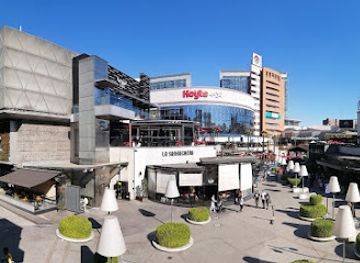
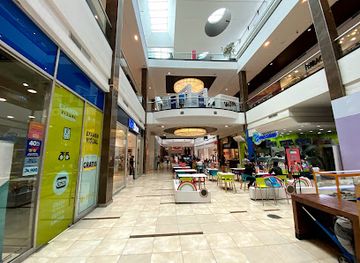
Cenco Costanera
Discover a vibrant shopping experience at Cenco Costanera in Santiago, where retail, dining, and entertainment intertwine for an unforgettable day.
-
Shopping mall
Parque Arauco
Experience the best of shopping, dining, and entertainment at Parque Arauco, Santiago's ultimate shopping destination.
-
Shopping mall
Mallplaza Oeste
Discover the ultimate shopping experience at Mallplaza Oeste, featuring a variety of stores, dining options, and entertainment in Santiago, Chile.
-
Shopping mall
Mall Plaza El Trebol
Explore the best shopping, dining, and entertainment at Mall Plaza El Trebol, a must-visit destination in Talcahuano, Chile!


Get your free copy of our complete guide to Norte Grande, delivered straight to you.
Everything on this page, from attractions and restaurants to essentials and local phrases, in one PDF you can read offline, print or share.
Already have an account? Sign in
Your Norte Grande guide is ready.
We'll send it to · Not you? Sign out

Getting your guide ready…
We are putting together a fresh copy of the Norte Grande guide. This can take up to a minute.
This can take a few moments. If your browser asks, choose Allow so the download can start. You'll find the guide in your Downloads folder.
Nothing happened? Download it again
Sorry, the guide is taking longer than usual. Please try again in a minute, or get it by email instead.
Norte Grande essentials
Currency and Payment
Safety
Emergency Situations
Do's and Don'ts
Local Tips
From Eve
Local phrases worth knowing
You don't need to get them perfect. A few words go a long way, and locals appreciate the effort.
Basics
| English | Local | Say it |
|---|---|---|
| Hello | Hola | [OH-lah] |
| Goodbye | Adiós | [ah-DYOS] |
| Yes | Sí | [SEE] |
| No | No | [NO] |
| Please/You’re welcome | Por favor/De nada | [por fah-VOR/deh NAH-dah] |
| Thank you | Gracias | [GRAH-syahs] |
| Excuse me/Sorry | Perdón | [pehr-DON] |
| How are you? | ¿Cómo estás? | [KOH-moh ehs-TAHS] |
| Fine. And you? | Bien. ¿Y tú? | [BYEN. ee TOO?] |
| Do you speak English? | ¿Hablas inglés? | [AH-blahs een-GLEHS?] |
| I don't understand | No entiendo | [NO en-TYEN-doh] |
Eating & Drinking
| English | Local | Say it |
|---|---|---|
| I’d like to see the menu, please | Me gustaría ver el menú, por favor | [meh goos-tah-REE-ah BEHR el meh-NOO, por fah-VOR] |
| I don't eat meat | No como carne | [NO KOH-moh KAR-neh] |
| Cheers! | ¡Salud! | [sah-LOOD] |
| I would like to pay, please | Quisiera pagar, por favor | [kee-SYEH-rah pah-GAR, por fah-VOR] |
Emergencies
| English | Local | Say it |
|---|---|---|
| Help! | ¡Ayuda! | [ah-YOO-dah] |
| Go away! | ¡Vete! | [VEH-teh] |
| Call the Police! | ¡Llama a la policía! | [YAH-mah ah lah poh-lee-SEE-ah] |
| Call a doctor! | ¡Llama a un doctor! | [YAH-mah ah oon dok-TOR] |
| I’m lost | Estoy perdido | [es-TOY pehr-DID-oh] |
| I’m ill | Estoy enfermo | [es-TOY en-FER-mo] |
Shopping
| English | Local | Say it |
|---|---|---|
| I’d like to buy... | Me gustaría comprar... | [meh goos-tah-REE-ah kom-PRAR...] |
| I’m just looking | Solo estoy mirando | [SO-lo es-TOY mee-RAN-doh] |
| How much is it? | ¿Cuánto cuesta? | [KWAN-toh KWEHS-tah?] |
| That’s too expensive | Eso es muy caro | [EH-so es MOO-ee KAH-roh] |
| Can you lower the price? | ¿Puedes bajar el precio? | [PWEH-des bah-HAR el PREH-syo?] |
Time & Numbers
| English | Local | Say it |
|---|---|---|
| What time is it? | ¿Qué hora es? | [KEH OH-rah es?] |
| It’s one o'clock | Es la una | [es lah OO-nah] |
| Half past (10) | Y media (10) | [ee MEH-diah (10)] |
| Morning | Mañana | [mah-NYAH-nah] |
| Afternoon | Tarde | [TAR-deh] |
| Evening | Noche | [NO-cheh] |
| Yesterday | Ayer | [ah-YER] |
| Today | Hoy | [OY] |
| Tomorrow | Mañana | [mah-NYAH-nah] |
| 1 | Uno | [OO-no] |
| 2 | Dos | [DOS] |
| 3 | Tres | [TRES] |
| 4 | Cuatro | [KWAT-ro] |
| 5 | Cinco | [SEEN-koh] |
| 6 | Seis | [SAYS] |
| 7 | Siete | [SYEH-teh] |
| 8 | Ocho | [OH-cho] |
| 9 | Nueve | [NWEH-beh] |
| 10 | Diez | [DYEZ] |
Transport & Directions
| English | Local | Say it |
|---|---|---|
| Where's a/the...? | ¿Dónde está un/una...? | [DON-deh ehs-TAH oon/OO-nah...?] |
| What's the address? | ¿Cuál es la dirección? | [KWAL es lah dee-rek-SYON?] |
| Can you show me (on the map)? | ¿Puedes mostrarme (en el mapa)? | [PWEH-des mos-TRAR-meh (en el MAH-pah)?] |
| When's the next (bus)? | ¿Cuándo es el próximo (bus)? | [KWAN-doh es el PROK-si-mo (BUS)?] |
| A ticket (to ....) | Un pasaje (a ....) | [oon pah-SAH-heh (ah ....)] |
History of Norte Grande
Chinchorro Culture and Early Coastal Settlement
The Pacific coast of present-day Arica y Parinacota was home to the Chinchorro culture, whose maritime communities lived from fishing, collecting and hunting in one of the world’s driest environments. Between roughly 7000 and 1500 BCE, they developed elaborate artificial mummification practices, earlier than the better-known Egyptian examples. Archaeological sites around Arica and Camarones preserve evidence of their settlements, beliefs and relationship with the sea. The Chinchorro tradition is central to the region’s identity and is recognised through a UNESCO World Heritage property.
Andean Trade and Tiwanaku Influence
Long before modern national borders, the coast, desert oases and high Andes were linked by exchange routes carrying fish, camelid products, agricultural goods and minerals. Tiwanaku, centred near Lake Titicaca, influenced parts of northern Chile between approximately the sixth and tenth centuries, particularly through religious ideas, objects and networks of exchange. Later Indigenous societies developed irrigation agriculture around oases such as Pica and San Pedro de Atacama, while geoglyphs and ceremonial sites recorded movement across the desert.
Inca Expansion into the Atacama
During the late fifteenth century, the Inca state extended its authority into northern Chile, incorporating existing communities and routes rather than replacing every local tradition. Administrative and ceremonial connections reached the highlands, oases and coastal regions, and the broader road system helped organise movement through difficult terrain. Inca influence remained layered over earlier Aymara, Atacameño and other local histories. Remnants of roads, settlements and mountain sanctuaries contribute to the archaeological landscape of the Norte Grande.
Spanish Colonial Rule and Desert Settlements
Spanish conquest brought new political, religious and economic structures to the region, including missions, mining activity and colonial administration. Arica became an important Pacific port for the movement of silver from the Andes, while inland settlements continued to depend on oasis agriculture, camelid herding and long-distance trade. Churches, adobe architecture and place names reflect this period, although colonial institutions operated over older Indigenous communities and landscapes. The region’s extreme aridity has preserved both archaeological remains and aspects of historic settlement patterns.
The War of the Pacific and New National Borders
The War of the Pacific, fought between Chile and the alliance of Peru and Bolivia from 1879 to 1884, transformed the political geography of the Atacama. Chile gained territories that included the nitrate-rich coastal desert of what had been southern Peru and Bolivia’s Pacific littoral. The resulting borders placed Arica, Iquique and Antofagasta within Chile, while Bolivia lost its coastline. The conflict remains an important part of regional memory and continues to shape relations and transport across the Andes.
The Nitrate Era and Industrial Heritage
From the late nineteenth century into the early twentieth century, natural nitrate extraction drove the growth of ports, railways and company towns across Tarapacá and Antofagasta. Nitrate was exported as fertiliser and used in explosives, bringing workers and capital from across Chile and overseas. Humberstone and Santa Laura preserve the remains of this industrial world, including processing works and residential areas. The industry declined sharply after synthetic fertiliser became commercially competitive, leaving a powerful legacy in architecture, migration and labour history.
Copper Mining and Contemporary Norte Grande
Copper gradually replaced nitrate as the region’s dominant extractive industry, particularly around Antofagasta and Calama. Large-scale mines, railways, ports and energy infrastructure have made the Norte Grande a crucial part of Chile’s economy, while also placing pressure on scarce water resources and desert ecosystems. At the same time, tourism, astronomy, renewable-energy projects and heritage conservation have diversified the regional profile. Indigenous Aymara and Atacameño communities continue to maintain cultural, agricultural and ceremonial ties to the land.
Norte Grande in Photos
Browse through our photo collection highlighting the charm and character of the destination.
Neighbouring regions of Norte Grande
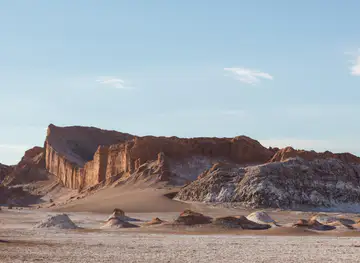
The closest regions to Norte Grande, if you have time for more than one.
-

-
-

-

-


Swipe for more regions
Explore more

Explore more of Chile
Discover Chile: From the Atacama Desert to Patagonia's Glaciers, Experience Diverse Landscapes, Rich Culture, and World-Class Wine in This South American Gem.
Explore Chile