

Concón (Viña del Mar) Travel Guide - Free
Explore Concón in Viña del Mar with Evendo's free guide. Find the best shops, historic streets, restaurants, and gems on web or mobile.


Concón, Viña del Mar’s coastal neighbour, pairs Pacific beaches, seafood restaurants, sweeping dunes, river wetlands and scenic walks for relaxed Chilean escapes.
Coastal Geography and Character
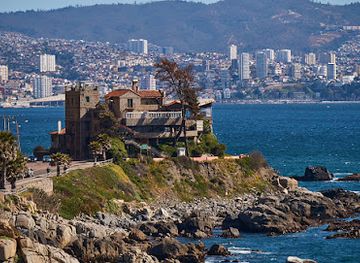
Concón lies on the northern edge of the Valparaíso metropolitan area, reached from Viña del Mar by the coastal road through Reñaca. Although it is commonly grouped with Viña del Mar for travel purposes, Concón is an independent commune with its own seafront identity, shaped by the meeting of the Pacific Ocean, the Aconcagua River and a chain of coastal hills. Residential districts climb inland through Bosques de Montemar and other modern developments, while the shoreline alternates between broad beaches, rocky viewpoints, working fishing infrastructure and exposed dunes.Read more about Concón
Beaches, Dunes and Wetlands
Food, Fishing and Everyday Life
Best attractions in Concón
Concón’s attractions are primarily coastal and environmental rather than museum-based. The Dunas de Concón provide the area’s most distinctive scenery, with pale ridges overlooking the Pacific and the built-up shoreline, although visitors should stay on durable surfaces and avoid unstable edges. Playa Amarilla, Playa Negra and La Boca each offer a different view of the coast, from sheltered beach settings to the open landscape near the Aconcagua River. Caleta Higuerillas adds a working maritime dimension, while the Humedal Río Aconcagua offers opportunities for quiet observation of wetland birdlife where access is permitted. Along the coastal roads, viewpoints and rocky headlands frame changing views towards Reñaca and the wider bay. Concón is best experienced through a succession of short stops, linking natural scenery with the waterfront’s seafood culture rather than expecting a concentrated list of indoor sights.
-
Tourist attraction
Concon Dunes
Explore the breathtaking Concon Dunes, a stunning natural attraction in Valparaíso, Chile, perfect for relaxation and adventure by the Pacific Ocean.
11 min drive · 3.5 km from neighbourhood centre
-
Tourist attraction
Roca Oceánica
Explore Roca Oceánica, a breathtaking national park in Concón, Valparaíso, where stunning coastal views and rich wildlife await every traveler.
12 min drive · 3.8 km from neighbourhood centre
-
Tourist attraction
Caleta Higuerillas
Experience the beauty and culinary delights of Caleta Higuerillas, a coastal gem in Concón, Valparaíso, perfect for sun seekers and seafood lovers.
6 min drive · 2.1 km from neighbourhood centre
-
Tourist attraction
Mirador Playa Cochoa
Discover the stunning ocean views and tranquil atmosphere at Mirador Playa Cochoa, an essential stop on your Viña del Mar adventure.
14 min drive · 4.6 km from neighbourhood centre


Best landmarks in Concón
Concón’s landmarks are mainly landscape features and working coastal places. The Dunas de Concón are the most recognisable, forming a striking natural landmark above the sea and illustrating the area’s original coastal geography, though their surviving extent is shaped by surrounding development. Caleta Higuerillas is significant as a continuing focus of fishing and maritime work, as well as a reference point for the commune’s seafood culture. The Aconcagua River mouth marks Concón’s northern environmental edge and connects the coastal settlement with the large river valley inland. The Battle of Concón, fought in the wider river area in 1891, gives the locality an important place in Chilean political history, even though the battlefield is not represented by a single monumental urban complex. Beaches, headlands and the coastal road together form Concón’s everyday visual landmarks.
-
Tourist attraction
Concon Dunes
Discover the breathtaking Concon Dunes, where golden sands meet the Pacific Ocean for an unforgettable adventure in nature's paradise.
11 min drive · 3.5 km from neighbourhood centre
-
National park
Roca Oceánica
Discover the stunning coastal beauty and rich biodiversity of Roca Oceánica, a must-visit national park in Concón, Valparaíso, Chile.
12 min drive · 3.8 km from neighbourhood centre
-
Tourist attraction
Caleta Higuerillas
Experience the stunning beauty and vibrant culture of Caleta Higuerillas, a coastal paradise in Concón, Valparaíso, perfect for seafood lovers and beach enthusiasts.
6 min drive · 2.1 km from neighbourhood centre
-
Tourist attraction
Caleta San Pedro
Discover Caleta San Pedro in Concón: a charming Chilean fishing cove with fresh seafood, water activities, and stunning ocean views.
7 min walk · 0.5 km from neighbourhood centre


Explore Concón on the map
A handpicked selection of must-see spots in Concón, mapped for you.
Best hotels in Concón
Best restaurants in Concón
Concón’s dining identity is closely tied to the Pacific, with seafood restaurants, fish counters and casual coastal eateries concentrated around the waterfront, Caleta Higuerillas and roads serving the beaches. Chilean preparations such as ceviche, fried fish, shellfish and seafood stews are prominent, alongside empanadas and other everyday dishes suited to an informal seaside meal. Menus and quality vary by season and establishment, so current local advice is useful when choosing between restaurants. The area also has cafés, bakeries and contemporary dining rooms serving visitors from Viña del Mar and the wider metropolitan region, while inland residential districts provide a less overtly resort-like setting. Dining here is as much about the relationship with the coast as about formal gastronomy: meals often follow a walk beside the ocean, a visit to the caleta or a stop near the river and dunes.
-
Restaurant
Restaurant San Marino
Experience exquisite Chilean cuisine with stunning ocean views at Restaurant San Marino in Viña del Mar.
12 min drive · 4.1 km from neighbourhood centre
-
Restaurant
El Club de Pedro y Fabiola
Discover exquisite seafood dining with breathtaking ocean views at El Club de Pedro y Fabiola in Concón, Valparaíso.
6 min drive · 2.1 km from neighbourhood centre
-
Restaurant
Donde elmarko
Discover fresh flavors and coastal charm at Donde Elmarko - Concón's must-visit restaurant for food enthusiasts.
17 min walk · 1.4 km from neighbourhood centre
-
Italian
Emporio Lagomarsino
Experience authentic Italian cuisine at Emporio Lagomarsino in Concón—where every meal is crafted with passion and tradition.
9 min drive · 3.0 km from neighbourhood centre


Best bars in Concón
Concón’s evening scene is led by restaurants, wine-serving dining rooms, cafés and informal bars rather than a dense concentration of nightclubs. The waterfront and coastal avenues become sociable after sunset, particularly in summer, when visitors combine seafood or contemporary Chilean food with drinks and views of the Pacific. Some venues offer a more polished dining-bar atmosphere, while others are casual places suited to a long meal with friends. Entertainment is generally dispersed, so the character of the evening depends on the specific restaurant or bar rather than on one central nightlife strip. Concón’s residential areas are quieter, and visitors staying away from the coast should plan transport rather than assume that venues are close together or open late. Check current local information for opening times and live programming.
-
Bar
Bloom Bar
Experience the vibrant nightlife of Viña del Mar at Bloom Bar, where creative cocktails and a lively atmosphere await you.
16 min drive · 5.2 km from neighbourhood centre
-
Bar
Open Plaza
Discover the vibrant nightlife at Open Plaza in Concón, where local drinks and live music create an unforgettable atmosphere.
6 min walk · 0.5 km from neighbourhood centre
-
Bar
Déjà Vu Bar Social
Join the vibrant nightlife at Déjà Vu Bar Social in Concón, where delicious food meets a lively atmosphere and the best drinks in town.
6 min drive · 2.1 km from neighbourhood centre
-
Bar
pub yazoo
Discover the vibrant nightlife at Pub Yazoo in Concón, where friendly service and great drinks create unforgettable memories.
17 min walk · 1.4 km from neighbourhood centre


Best nightclubs in Concón
Concón’s evening scene is led by restaurants, wine-serving dining rooms, cafés and informal bars rather than a dense concentration of nightclubs. The waterfront and coastal avenues become sociable after sunset, particularly in summer, when visitors combine seafood or contemporary Chilean food with drinks and views of the Pacific. Some venues offer a more polished dining-bar atmosphere, while others are casual places suited to a long meal with friends. Entertainment is generally dispersed, so the character of the evening depends on the specific restaurant or bar rather than on one central nightlife strip. Concón’s residential areas are quieter, and visitors staying away from the coast should plan transport rather than assume that venues are close together or open late. Check current local information for opening times and live programming.
-
Night club
Castillo Reñaca
Discover the vibrant nightlife of Castillo Reñaca, a premier nightclub in Viña del Mar with stunning ocean views and unforgettable parties.
21 min drive · 7.1 km from neighbourhood centre
-
Live music bar
Inkubar
Discover the vibrant nightlife of Concón at Inkubar, a live music bar offering unforgettable performances, karaoke, and delicious dining experiences.
5 min drive · 1.6 km from neighbourhood centre
-
Club
Club Costa
Discover the vibrant nightlife and delicious seafood at Club Costa in Concón, where coastal charm meets lively entertainment.
14 min drive · 4.5 km from neighbourhood centre
-
Night club
Las Olas
Experience the electrifying nightlife of Viña del Mar at Las Olas, where music, cocktails, and dance come together for an unforgettable evening.
18 min drive · 5.9 km from neighbourhood centre


Best shops in Concón
Shopping in Concón is practical and visitor-oriented rather than centred on a historic market quarter. The waterfront and commercial roads contain small food shops, cafés, convenience stores, beach-related businesses and restaurants, while the area around Caleta Higuerillas is associated with seafood purchasing and the working coastal economy. Visitors may also find local products and Chilean foodstuffs through independent retailers, but stock and opening arrangements vary, particularly outside the summer season. Inland districts such as Bosques de Montemar have a more modern, neighbourhood-based retail character, with services and eateries integrated into residential development. Concón is not the place to seek an extensive antiques or craft-shopping circuit; its most distinctive purchases are generally connected to food, the sea and everyday Chilean coastal life. For larger retail centres, visitors typically travel towards Viña del Mar or other parts of the metropolitan area.
-
Shopping mall
Outlet Park REÑACA Alto
Discover incredible savings and a vibrant shopping experience at Outlet Park REÑACA Alto, the ultimate retail destination in Viña del Mar, Chile.
21 min drive · 7.1 km from neighbourhood centre
-
Shopping mall
Viña Shopping
Discover the ultimate shopping experience at Viña Shopping, where local charm meets international retail in Viña del Mar.
29 min drive · 9.7 km from neighbourhood centre
-
Store
Via Eme Concept
Explore artisan treasures and unique souvenirs at Via Eme Concept in Concón, a must-visit store for a taste of local culture.
10 min drive · 3.4 km from neighbourhood centre
-
Grocery store
Alexis Vines
Explore the vibrant local flavors at Alexis Vines, a charming grocery store in Viña del Mar offering fresh produce and unique Chilean delicacies.
29 min drive · 9.6 km from neighbourhood centre


Concón essentials
Getting There
Getting Around
Safety
Emergency Situations
Do's and Don'ts
Local Tips

From Eve
Local phrases worth knowing
You don't need to get them perfect. A few words go a long way, and locals appreciate the effort.
Basics
| English | Local | Say it |
|---|---|---|
| Hello | Hola | [oh-lah] |
| Goodbye | Adiós | [ah-dee-ohs] |
| Yes | Sí | [see] |
| No | No | [noh] |
| Please/You're welcome | Por favor/De nada | [por fah-vohr/deh nah-dah] |
| Thank you | Gracias | [grah-see-ahs] |
| Excuse me/Sorry | Permiso/Perdón | [pehr-mee-soh/pehr-dohn] |
| How are you? | ¿Cómo estás? | [koh-moh ehs-tahs] |
| Fine. And you? | Bien. ¿Y tú? | [byehn. ee too] |
| Do you speak English? | ¿Hablas inglés? | [ah-blahs een-glehs] |
| I don't understand | No entiendo | [noh ehn-tyehn-doh] |
Eating & Drinking
| English | Local | Say it |
|---|---|---|
| I'd like to see the menu, please | Me gustaría ver el menú, por favor | [meh goos-tah-ree-ah behr ehl meh-noo, pohr fah-vohr] |
| I don't eat meat | No como carne | [noh koh-moh kahr-neh] |
| Cheers! | ¡Salud! | [sah-lood] |
| I would like to pay, please | Me gustaría pagar, por favor | [meh goos-tah-ree-ah pah-gahr, pohr fah-vohr] |
Emergencies
| English | Local | Say it |
|---|---|---|
| Help! | ¡Ayuda! | [ah-yoo-dah] |
| Go away! | ¡Vete! | [veh-teh] |
| Call the Police! | ¡Llama a la policía! | [yah-mah ah lah poh-lee-see-ah] |
| Call a doctor! | ¡Llama a un doctor! | [yah-mah ah oon dohk-tohr] |
| I'm lost | Estoy perdido | [ehs-toy pehr-dee-doh] |
| I'm ill | Estoy enfermo | [ehs-toy ehn-fehr-moh] |
Shopping
| English | Local | Say it |
|---|---|---|
| I'd like to buy... | Me gustaría comprar... | [meh goos-tah-ree-ah kohm-prahr] |
| I'm just looking | Solo estoy mirando | [soh-loh ehs-toy meer-ahn-doh] |
| How much is it? | ¿Cuánto cuesta? | [kwan-toh kwehs-tah] |
| That's too expensive | Esto es muy caro | [ehs-toh ehs moo-ee kah-roh] |
| Can you lower the price? | ¿Puede bajar el precio? | [pweh-deh bah-hahr ehl pree-syoh] |
Time & Numbers
| English | Local | Say it |
|---|---|---|
| What time is it? | ¿Qué hora es? | [keh oh-rah ehs] |
| It's one o'clock | Es la una | [ehs lah oo-nah] |
| Half past (10) | Son las diez y media | [sohn lahs dyehs ee meh-dyah] |
| Morning | Mañana | [mah-nyah-nah] |
| Afternoon | Tarde | [tahr-deh] |
| Evening | Noche | [noh-cheh] |
| Yesterday | Ayer | [ah-yehr] |
| Today | Hoy | [oy] |
| Tomorrow | Mañana | [mah-nyah-nah] |
| 1 | Uno | [oo-no] |
| 2 | Dos | [dohs] |
| 3 | Tres | [trehs] |
| 4 | Cuatro | [kwah-troh] |
| 5 | Cinco | [seen-koh] |
| 6 | Seis | [says] |
| 7 | Siete | [syeh-teh] |
| 8 | Ocho | [oh-choh] |
| 9 | Nueve | [nweh-veh] |
| 10 | Diez | [dyehs] |
Transport & Directions
| English | Local | Say it |
|---|---|---|
| Where's a/the...? | ¿Dónde está...? | [dohn-deh ehs-tah] |
| What's the address? | ¿Cuál es la dirección? | [kwal ehs lah dee-rehk-syohn] |
| Can you show me (on the map)? | ¿Puedes mostrarme (en el mapa)? | [pweh-dehs mohs-trar-meh (ehn ehl mah-pah)] |
| When's the next (bus)? | ¿Cuándo es el próximo (autobús)? | [kwan-doh ehs ehl proh-ksy-moh (ow-toh-boos)] |
| A ticket (to ....) | Un boleto (a ...) | [oon boh-leh-toh (ah ...)] |
History of Concón
Coastal Settlement Before Urban Concón
The coast around Concón has long been associated with marine resources, with Indigenous coastal communities traditionally using the shoreline, estuary and nearby waters for fishing and gathering. The name Concón is generally linked to an Indigenous place-name, although explanations of its exact linguistic origin vary. Before modern urbanisation, the area consisted largely of open coastal land, riverine environments and small settlements connected to the wider Aconcagua Valley rather than functioning as a continuous resort district. The relationship between sea, river and hillside remains central to Concón’s identity, even as roads, housing and tourism have transformed the landscape.
The Aconcagua River and Early Connections
Concón’s position at the mouth of the Aconcagua River gave it practical importance within the coastal geography north of Valparaíso and Viña del Mar. Agriculture and settlement in the river valley were linked to the coast through roads and local trade, while the shoreline remained shaped by fishing and maritime activity. Modern Concón developed gradually rather than as a single planned colonial centre, and its older public spaces and waterfront institutions are modest compared with the monumental urban core of nearby Valparaíso. The river mouth, coastal route and fishing coves nevertheless provided the foundations for the commune’s later transport, food and recreational economy.
The Civil War of 1891
Concón is associated with the Battle of Concón, fought on 21 August 1891 during the Chilean Civil War between forces supporting President José Manuel Balmaceda and the Congressional side. The battle took place in the wider Concón area near the Aconcagua River, not as a compact urban event within today’s built-up waterfront. Its outcome helped shape the campaign that eventually led to Balmaceda’s defeat and remains one of the most significant historical associations attached to the locality. Visitors should understand the battlefield reference as part of the broader river and coastal landscape rather than expect a large preserved military monument in the centre.
From Fishing Coast to Metropolitan Seaside Commune
Concón became increasingly connected to the expanding urban corridor between Valparaíso and Viña del Mar during the twentieth century, as improved roads, private development and seaside tourism brought more permanent housing and seasonal visitors. Fishing remained visible through coves such as Higuerillas, while restaurants made seafood a defining part of the local economy. Later residential growth extended inland towards Bosques de Montemar and the dunes, placing new pressure on fragile coastal landscapes. Today Concón combines established neighbourhoods, hospitality, gastronomy and environmentally important shorelines, with continuing debate over how development should coexist with dunes, wetlands and public access.
Concón in Photos
Browse through our photo collection highlighting the charm and character of the destination.
Neighbourhoods near Concón
The closest neighbourhoods to Concón, if you have time for more than one stop.
-

-


Swipe for more neighbourhoods
Explore more

Explore more of Viña del Mar
Viña del Mar, Chile blends Pacific beaches, grand villas, gardens and cultural landmarks with coastal dining, nightlife and easy Valparaíso connections.
Explore Viña del Mar