

Free Viña del Mar Travel Guide & Mobile App
Plan your Viña del Mar trip with Evendo. Get free guides to top attractions, restaurants, hotels, and bars. Web access or download the mobile app.


Viña del Mar, Chile blends Pacific beaches, grand villas, gardens and cultural landmarks with coastal dining, nightlife and easy Valparaíso connections.
A Pacific Resort Shaped by Gardens
Viña del Mar stretches along Chile’s central coast, where the Pacific Ocean, landscaped parks and wooded hills create a distinctly resort-like city beside the historic port of Valparaíso. Known locally as the Ciudad Jardín, or Garden City, it combines broad beaches and oceanfront promenades with elegant early twentieth-century villas, public gardens and a lively cultural calendar. The city centre is compact enough to explore on foot, while the coastline extends north towards the beaches and restaurants of Reñaca.Read more about Viña del Mar
Architecture, Culture and Coastal Life
Between City and Sea
Getting to and around Viña del Mar
How to get there
Transportation
Best attractions in Viña del Mar
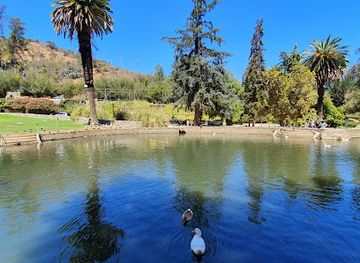
Viña del Mar’s principal attractions combine ocean scenery with gardens, museums and reminders of its resort history. Quinta Vergara provides a spacious green setting for the Palacio Vergara and the amphitheatre associated with the city’s major music festival, while the Museo Artequin presents art in an ornate historic building near the park. The Museo Fonck, recognisable by its Easter Island moai replica outside, introduces visitors to Chilean archaeology and natural history. Along the shore, the Flower Clock, Wulff Castle and Muelle Vergara create a natural sequence for a coastal walk, with beaches such as Caleta Abarca and Acapulco nearby. The Jardín Botánico Nacional, in the El Salto area of the Viña del Mar municipality, offers a quieter encounter with cultivated landscapes and native plant collections. Reñaca adds broad sands, coastal viewpoints and a more seasonal seaside atmosphere, especially in summer.
-
Tourist attraction
Flower clock
Discover the beauty of Viña del Mar's Flower Clock, a floral masterpiece that celebrates nature and artistry in the heart of Chile's coastal paradise.
18 min walk · 1.4 km from city centre
-
Tourist attraction
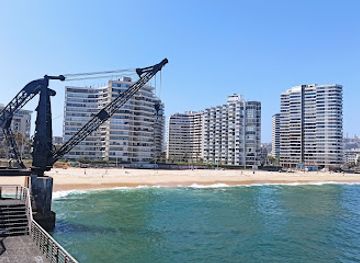
Vergara Pier
Explore the stunning Vergara Pier in Viña del Mar, a picturesque destination offering breathtaking ocean views, vibrant local culture, and unforgettable experiences.
18 min walk · 1.5 km from city centre
-
Park
Quinta Vergara
Explore Quinta Vergara, a stunning park in Viña del Mar, known for its beautiful gardens, cultural events, and relaxing atmosphere.
6 min walk · 0.5 km from city centre
-
Nature preserve
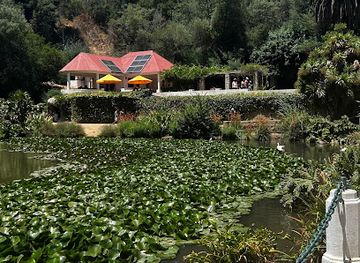
Viña del Mar National Botanical Garden
Explore the vibrant flora and serene beauty of Viña del Mar National Botanical Garden, a top nature preserve in Chile.
16 min drive · 5.4 km from city centre


Best landmarks in Viña del Mar
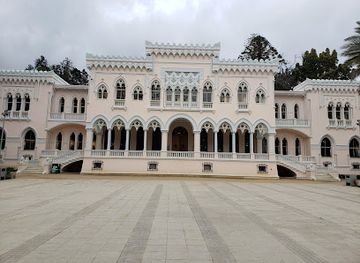
Viña del Mar’s landmarks reveal its development from estate landscape to Pacific resort. Wulff Castle, built on a rocky coastal outcrop, is the city’s most recognisable historic seaside structure, while the Flower Clock has become a familiar symbol near Caleta Abarca. Quinta Vergara preserves the setting of the former Vergara estate, and the Palacio Vergara reflects the affluent residential architecture associated with the city’s early twentieth-century expansion. The Palacio Carrasco, another notable historic residence, now forms part of the city’s cultural landscape, while the Presidential Palace at Cerro Castillo occupies a prominent position above the coast. Muelle Vergara recalls the industrial and maritime infrastructure that once served the shoreline. Together, these buildings and public spaces illustrate the changing relationship between private estates, civic culture, presidential life, tourism and the Pacific waterfront.
-
Tourist attraction
Flower clock
Explore the breathtaking Flower Clock in Viña del Mar, a vibrant floral masterpiece symbolizing the beauty of Chile's coastal paradise.
18 min walk · 1.4 km from city centre
-
Tourist attraction
Vergara Pier
Explore the beauty and excitement of Vergara Pier in Viña del Mar, a perfect blend of scenic views, local culture, and coastal charm.
18 min walk · 1.5 km from city centre
-
Nature preserve
Viña del Mar National Botanical Garden
Discover Chile's botanical treasures at Viña del Mar National Botanical Garden: a peaceful escape into nature's beauty and biodiversity.
16 min drive · 5.4 km from city centre
-
Park
Quinta Vergara
Discover the beauty of Quinta Vergara, a stunning park in Viña del Mar, Chile, filled with lush gardens, historic monuments, and cultural events.
6 min walk · 0.5 km from city centre
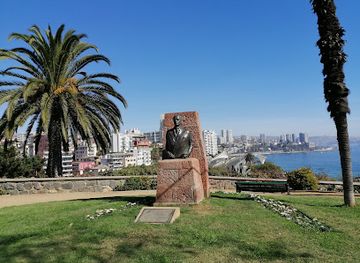
Explore Viña del Mar on the map
Plan your Viña del Mar trip on one map. See where the top attractions, landmarks, restaurants, bars and hotels are, find what's near where you're staying, and book hotels and experiences in a few clicks.
Neighbourhoods in Viña del Mar
-

-

-


Swipe for more neighbourhoods
Best hotels in Viña del Mar
Best restaurants in Viña del Mar
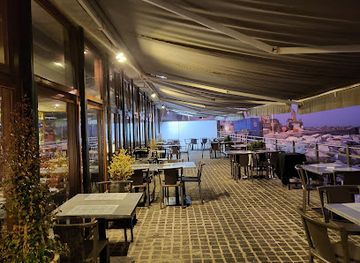
Viña del Mar’s dining scene reflects its Pacific setting and its close relationship with central Chile’s agricultural valleys. Seafood is central, with preparations of fish, shellfish, ceviche and paila marina appearing in traditional restaurants and casual eateries, while the Mercado Municipal and surrounding central streets provide a useful introduction to everyday produce and cooked dishes. Along Avenida San Martín and the waterfront, restaurants range from familiar Chilean cooking to international menus aimed at visitors and residents. Empanadas, pastel de choclo, fresh bread and Chilean-style sandwiches offer simpler options, and cafés around the centre and beach districts suit leisurely breakfasts or afternoon coffee. Regional wines from the Casablanca Valley and other central vineyards are commonly represented, while Reñaca has a more contemporary, summer-oriented restaurant culture. Seafood quality and opening patterns can vary with season and supply, so local recommendations remain useful.
-
Chilean
Tierra de Fuego
Experience authentic Chilean cuisine at Tierra de Fuego with breathtaking coastal views in Viña del Mar.
15 min walk · 1.2 km from city centre
-
Restaurant
La Flor de Chile
Experience authentic Chilean cuisine at La Flor de Chile in Viña del Mar - where tradition meets taste in every dish.
13 min walk · 1.1 km from city centre
-
Restaurant
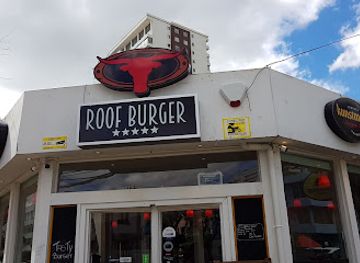
Roof Burger
Experience the ultimate burger delight at Roof Burger in Viña del Mar—where flavor meets breathtaking views.
12 min walk · 0.9 km from city centre
-
Italian
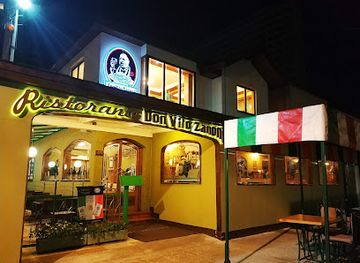
Don Vito e Zanoni
Experience authentic Italian flavors at Don Vito e Zanoni in Viña del Mar, where tradition meets modern dining in a charming coastal setting.
14 min walk · 1.1 km from city centre
Best bars in Viña del Mar
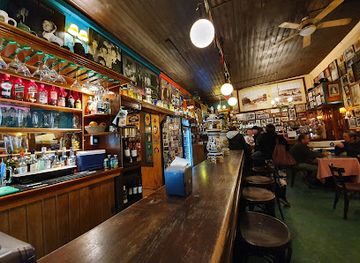
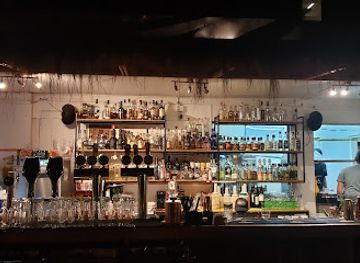
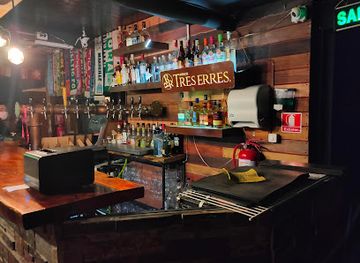
Evenings in Viña del Mar range from relaxed drinks and live music to seasonal club nights, with activity concentrated around the centre, Avenida San Martín and the coastal districts. Bars near Calle Valparaíso tend to draw a mixed local and visitor crowd, while restaurants and lounges along the shore offer a slower evening atmosphere. Reñaca becomes particularly active in summer, when its beachfront venues and nightlife attract younger crowds from across the region. The city’s cultural calendar also brings concerts, theatre and large-scale performances to spaces around Quinta Vergara and other venues. Nightlife is more concentrated and seasonal than in Santiago, and distances between districts can be inconvenient on foot late at night, making a recognised taxi or ride-hailing service a practical choice after leaving the busiest areas.
-
Bar
Barbones Bar
Discover the vibrant atmosphere of Barbones Bar in Viña del Mar, where delightful cocktails and lively entertainment await every visitor.
12 min walk · 1.0 km from city centre
-
Pub
Locos X Viña Bar
Discover the lively nightlife of Viña del Mar at Locos X Viña Bar, your go-to pub for drinks, music, and unforgettable memories.
13 min walk · 1.1 km from city centre
-
Gastropub
A Mano Gin & Burgers
Discover A Mano Gin & Burgers in Viña del Mar - where gourmet burgers, exquisite cocktails, and vibrant tapas create an unforgettable dining experience.
10 min walk · 0.8 km from city centre
-
Grill
Bar tercer tiempo
Experience the vibrant flavors of Chilean barbecue at Bar Tercer Tiempo in Viña del Mar, where every meal is a celebration of taste and tradition.
13 min walk · 1.1 km from city centre
Best nightclubs in Viña del Mar
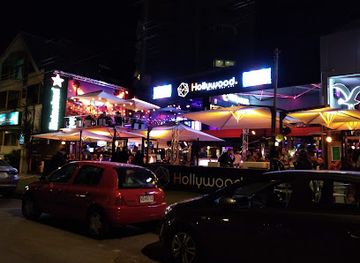
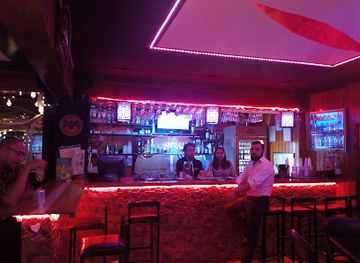
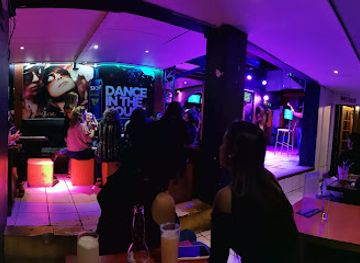
Evenings in Viña del Mar range from relaxed drinks and live music to seasonal club nights, with activity concentrated around the centre, Avenida San Martín and the coastal districts. Bars near Calle Valparaíso tend to draw a mixed local and visitor crowd, while restaurants and lounges along the shore offer a slower evening atmosphere. Reñaca becomes particularly active in summer, when its beachfront venues and nightlife attract younger crowds from across the region. The city’s cultural calendar also brings concerts, theatre and large-scale performances to spaces around Quinta Vergara and other venues. Nightlife is more concentrated and seasonal than in Santiago, and distances between districts can be inconvenient on foot late at night, making a recognised taxi or ride-hailing service a practical choice after leaving the busiest areas.
-
Gastropub
Club Viña - Lounge - Bar - Disco
Experience the vibrant nightlife at Club Viña, a premier gastropub and disco bar in Viña del Mar, offering exquisite tapas and electrifying music.
9 min walk · 0.7 km from city centre
-
Disco club
Rufino Viña del Mar
Experience the vibrant nightlife at Rufino Viña del Mar, where music, dance, and delectable cuisine create an unforgettable night out.
11 min walk · 0.9 km from city centre
-
Disco club
Stingray
Experience the vibrant nightlife at Stingray Disco Club in Viña del Mar, where music and dance create unforgettable memories.
11 min walk · 0.9 km from city centre
-
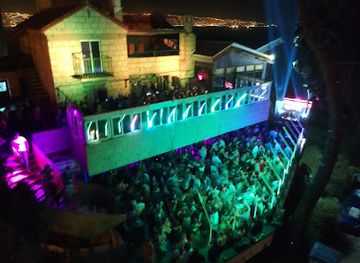
Night club
Castillo Reñaca
Experience the vibrant nightlife at Castillo Reñaca, a stunning night club in Viña del Mar with breathtaking ocean views and an energetic atmosphere.
14 min drive · 4.8 km from city centre
Best shops in Viña del Mar
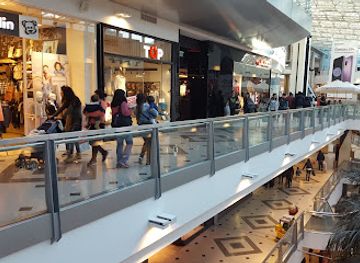
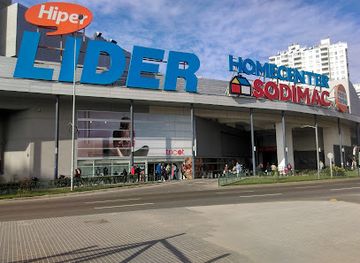
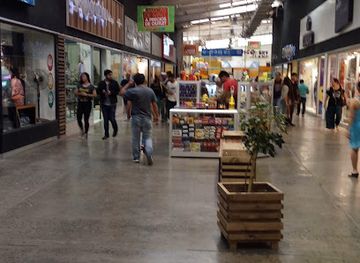
Shopping in Viña del Mar centres on the commercial streets of the city centre, especially Calle Valparaíso and the surrounding blocks, where department stores, small retailers, cafés and practical services sit alongside one another. The Mercado Municipal offers a more everyday view of local food shopping, while artisan stalls and seasonal craft markets can provide souvenirs such as Chilean textiles, woodwork, jewellery and decorative objects, though the exact selection changes. Modern retail is represented by large shopping centres in and around the urban area, including malls serving both residents and visitors. Reñaca has a more resort-oriented mixture of boutiques, beachwear and seasonal businesses. For distinctive edible gifts, look for Chilean wine, olive products, preserves and sweets from central Chile, checking labelling and customs rules before carrying food across international borders.
-
Shopping mall
Mall Marina
Discover the vibrant shopping and dining experience at Mall Marina in Viña del Mar, where local culture meets modern retail.
5 min drive · 1.8 km from city centre
-
Pet supply store
Paseo Viña Centro
Explore Paseo Viña Centro – a lively shopping hub in Viña del Mar, blending pet supplies, fashion, and delicious dining options.
6 min walk · 0.5 km from city centre
-
Shopping mall
Outlet Park REÑACA Alto
Discover unbeatable deals and a vibrant shopping experience at Outlet Park Reñaca Alto in Viña del Mar, where top brands meet stunning landscapes.
20 min drive · 6.6 km from city centre
-
Shopping mall
Boulevard Marina Arauco
Experience the vibrant shopping and dining at Boulevard Marina Arauco in Viña del Mar, where modern amenities meet local charm.
5 min drive · 1.7 km from city centre
Get your free copy of our complete guide to Viña del Mar, delivered straight to you.
Everything on this page, from attractions and restaurants to essentials and local phrases, in one PDF you can read offline, print or share.
Already have an account? Sign in
Your Viña del Mar guide is ready.
We'll send it to · Not you? Sign out

Getting your guide ready…
We are putting together a fresh copy of the Viña del Mar guide. This can take up to a minute.
This can take a few moments. If your browser asks, choose Allow so the download can start. You'll find the guide in your Downloads folder.
Nothing happened? Download it again
Sorry, the guide is taking longer than usual. Please try again in a minute, or get it by email instead.
Viña del Mar essentials
Currency and Payment
Safety
Emergency Situations
Do's and Don'ts
Local Tips
From Eve
Local phrases worth knowing
You don't need to get them perfect. A few words go a long way, and locals appreciate the effort.
Basics
| English | Local | Say it |
|---|---|---|
| Hello | Hola | [Oh-la] |
| Goodbye | Adiós | [Ah-dee-ohs] |
| Yes | Sí | [See] |
| No | No | [Noh] |
| Please/You're welcome | Por favor/De nada | [Pohr fah-bohr/Deh nah-dah] |
| Thank you | Gracias | [Grah-see-ahs] |
| Excuse me/Sorry | Perdón/Lo siento | [Pair-dohn/Loh see-en-toh] |
| How are you? | ¿Cómo estás? | [Koh-moh ehs-tahs] |
| Fine. And you? | Bien. ¿Y tú? | [Byen. Ee too] |
| Do you speak English? | ¿Hablas inglés? | [Ah-blahs een-glehs] |
| I don't understand | No entiendo | [Noh ehn-tyen-doh] |
Eating & Drinking
| English | Local | Say it |
|---|---|---|
| I'd like to see the menu, please | Me gustaría ver el menú, por favor | [Meh goos-tah-ree-ah behr ehl meh-noo, pohr fah-bohr] |
| I don't eat meat | No como carne | [Noh koh-moh kahr-neh] |
| Cheers! | ¡Salud! | [Sah-loohd] |
| I would like to pay, please | Quisiera pagar, por favor | [Kee-syeh-rah pah-gahr, pohr fah-bohr] |
Emergencies
| English | Local | Say it |
|---|---|---|
| Help! | ¡Ayuda! | [Ah-yoo-dah] |
| Go away! | ¡Vete! | [Veh-teh] |
| Call the Police! | ¡Llame a la policía! | [Yah-meh ah lah poh-lee-see-ah] |
| Call a doctor! | ¡Llame a un doctor! | [Yah-meh ah oon dohk-tohr] |
| I'm lost | Estoy perdido | [Ehs-toy pair-dee-doh] |
| I'm ill | Estoy enfermo | [Ehs-toy ehn-fehr-moh] |
Shopping
| English | Local | Say it |
|---|---|---|
| I'd like to buy... | Quisiera comprar... | [Kee-syeh-rah kohm-prahr] |
| I'm just looking | Solo estoy mirando | [Soh-loh ehs-toy mee-rahn-doh] |
| How much is it? | ¿Cuánto cuesta? | [Kwan-toh kwehs-tah] |
| That's too expensive | Esto es muy caro | [Ehs-toh ehs moo-ee kah-roh] |
| Can you lower the price? | ¿Puede bajar el precio? | [Pweh-deh bah-hahr ehl pweh-see-oh] |
Time & Numbers
| English | Local | Say it |
|---|---|---|
| What time is it? | ¿Qué hora es? | [Keh oh-rah ehs] |
| It's one o'clock | Es la una | [Ehs lah oo-nah] |
| Half past (10) | Las diez y media | [Lahs dyehs ee meh-dee-ah] |
| Morning | Mañana | [Mah-nyah-nah] |
| Afternoon | Tarde | [Tahr-deh] |
| Evening | Noche | [Noh-cheh] |
| Yesterday | Ayer | [Ah-yehr] |
| Today | Hoy | [Oy] |
| Tomorrow | Mañana | [Mah-nyah-nah] |
| 1 | Uno | [Oo-noh] |
| 2 | Dos | [Dohs] |
| 3 | Tres | [Trehss] |
| 4 | Cuatro | [Kwah-troh] |
| 5 | Cinco | [Seenkoh] |
| 6 | Seis | [Says] |
| 7 | Siete | [Syeh-teh] |
| 8 | Ocho | [Oh-choh] |
| 9 | Nueve | [Nweh-veh] |
| 10 | Diez | [Dyehs] |
Transport & Directions
| English | Local | Say it |
|---|---|---|
| Where's a/the...? | ¿Dónde está...? | [Dohn-deh ehs-tah] |
| What's the address? | ¿Cuál es la dirección? | [Kwahl ehs lah dee-rehk-syon] |
| Can you show me (on the map)? | ¿Puedes mostrarme (en el mapa)? | [Pweh-dehs mohs-trahr-meh (ehn ehl mah-pah)] |
| When's the next (bus)? | ¿Cuándo es el próximo (autobús)? | [Kwan-doh ehs ehl proh-ksy-moh (ow-toh-boos)] |
| A ticket (to ....) | Un boleto (a ...) | [Oon boh-leh-toh (ah ...)] |
History of Viña del Mar
Indigenous Coast and Colonial Estates
The coast and valleys around present-day Viña del Mar were inhabited by Indigenous communities before Spanish colonisation, including peoples associated with the central Chilean coastal and valley cultures. During the colonial period, the area was shaped by agricultural estates and the Viña del Mar hacienda, whose name is generally linked to vineyards established near the Marga Marga valley. Rather than beginning as a major colonial town, the settlement developed gradually within the wider orbit of Valparaíso, whose port became one of the most important commercial centres on Chile’s Pacific coast. The landscape of cultivated land, waterways and coastal routes provided the geographical foundation for the later urban expansion.
Railway and the City’s Foundation
Viña del Mar’s decisive transformation began with improved transport between Santiago and Valparaíso. The railway linking Santiago with Valparaíso opened in 1855, and a branch connecting Valparaíso with the Viña del Mar area helped make the coast more accessible to commerce and residential development. In 1874, Viña del Mar was formally established as a municipality, with Francisco Vergara playing a central role in its creation and early planning. Streets, villas and public spaces were laid out as the former estate gave way to an emerging town. The railway also tied the new settlement to the economic life of Valparaíso and encouraged the growth of seaside recreation.
A Fashionable Seaside City
During the late nineteenth and early twentieth centuries, Viña del Mar developed into a fashionable resort for Chilean society and prosperous families connected with commerce, politics and the railway. Large residences, landscaped grounds and civic buildings expressed the period’s European-influenced tastes, while hotels, bathing facilities and promenades established the city’s recreational identity. Quinta Vergara became an important estate and public cultural setting, and districts around the centre and Cerro Castillo acquired a concentration of grand architecture. This period explains much of the city’s enduring contrast between formal gardens, historic palaces and the more densely developed coastal city visible today.
Earthquake, Reconstruction and Modernisation
The 1906 Valparaíso earthquake severely affected Viña del Mar as well as its larger neighbouring port, prompting reconstruction and further urban development. New buildings, roads and public works altered the city’s appearance, while improved coastal infrastructure reinforced its position as a resort and residential centre. Over the twentieth century, older villas stood alongside modern apartment buildings, commercial streets and expanding neighbourhoods on the surrounding hills. The city’s connection with Valparaíso remained central, but Viña del Mar increasingly developed its own civic institutions, beaches and cultural venues. The resulting urban landscape combines surviving belle époque buildings with layers of twentieth-century redevelopment.
Festivals and Contemporary Identity
Viña del Mar’s modern cultural profile was strengthened by the Festival Internacional de la Canción de Viña del Mar, first held in 1960 and later becoming one of Latin America’s best-known popular music festivals. The event takes place at the Quinta Vergara amphitheatre and has brought national and international performers to the city for decades. Viña del Mar also hosted matches during the 1962 FIFA World Cup, adding to its international visibility. Today, tourism, higher education, cultural events and coastal recreation shape the city’s identity, while ongoing earthquake risk and redevelopment continue to influence its architecture and urban planning.
Viña del Mar in Photos
Browse through our photo collection highlighting the charm and character of the destination.
Cities near Viña del Mar
The closest cities to Viña del Mar, if you have time for more than one stop.
-

-

-

-

-


Swipe for more cities
Explore more

Explore more of Chile
Discover Chile: From the Atacama Desert to Patagonia's Glaciers, Experience Diverse Landscapes, Rich Culture, and World-Class Wine in This South American Gem.
Explore Chile