

Reñaca (Viña del Mar) Travel Guide - Free
Explore Reñaca in Viña del Mar with Evendo's free guide. Find the best shops, historic streets, restaurants, and gems on web or mobile.


Reñaca in Viña del Mar pairs Pacific beaches, surf, coastal walks, hillside views, restaurants and summer nightlife with easy access to Chile’s central coast.
Beachfront Setting and Urban Character
Reñaca occupies Viña del Mar’s northern coastline, where steep residential hills descend towards a broad Pacific beach. Although commonly described as a neighbourhood of Viña del Mar, it has the atmosphere of a self-contained seaside resort, shaped by Avenida Borgoño, the waterfront promenade and the long sweep of Playa Reñaca. The beach is divided informally into sectors, with busier stretches near the central commercial area and quieter sand farther north. Apartment towers, hillside homes and modern holiday developments give the district a markedly different appearance from Viña’s older central quarters.Read more about Reñaca
Life Around Playa Reñaca
Hills, Viewpoints and Local Culture
Best attractions in Reñaca
Playa Reñaca is the neighbourhood’s defining attraction, a wide Pacific shore divided into informal sectors and backed by a promenade, cafés and the distinctive stepped architecture of the resort. The central beach is the focus of summer activity, while the northern stretches provide a more open setting for walking and watching surfers and bodyboarders. Avenida Borgoño supplies the main urban route beside the coast, linking beach access points with restaurants, shops and views across the bay. Inland, the steep roads of Jardín del Mar and the surrounding residential sectors reveal how thoroughly Reñaca has been built around ocean outlooks. The Iglesia de la Parroquia Santa María de los Ángeles offers a quieter cultural stop away from the sand, while the neighbourhood’s terraces and elevated streets provide changing perspectives over the central Chilean Pacific. Nearby Cochoa and Concón extend the coastal scenery beyond Reñaca but should be treated as separate districts.
-
Tourist attraction
Flower clock
Discover the beauty of Viña del Mar at the Flower Clock, a vibrant floral landmark symbolizing nature and artistry in perfect harmony.
18 min drive · 6.2 km from neighbourhood centre
-
Tourist attraction
Reñaca Chile (Sector 5)
Discover the beauty and excitement of Reñaca, Chile, a coastal haven perfect for relaxation, adventure, and vibrant nightlife.
10 min walk · 0.8 km from neighbourhood centre


Best landmarks in Reñaca
The principal landmark of Reñaca is its ocean-facing urban landscape: Playa Reñaca, the waterfront promenade and the apartment buildings stepping up the hills behind them together express the neighbourhood’s development as a modern Pacific resort. Avenida Borgoño is the key public spine, carrying traffic and linking the beach with commercial frontages, accommodation and access roads. The Iglesia de la Parroquia Santa María de los Ángeles provides an important religious and community reference point inland from the waterfront. Reñaca’s hillside apartment architecture is also significant, with terraces, balconies and elevated streets designed around the coastal topography and sea views. Rather than possessing a concentrated colonial monument quarter, the neighbourhood’s heritage lies in the relationship between beach, road and resort construction, including the layers of mid- and late-twentieth-century development visible from the shore. The Reñaca estuary and northern coastal landscape help explain the area’s geographic identity.
-
Tourist attraction
Flower clock
Explore the stunning Flower Clock in Viña del Mar, a vibrant blend of nature and artistry, perfect for memorable photos and leisurely strolls.
18 min drive · 6.2 km from neighbourhood centre
-
Tourist attraction
Vergara Pier
Experience the beauty of Viña del Mar from the iconic Vergara Pier, offering stunning views, local culture, and a relaxing coastal escape.
14 min drive · 4.6 km from neighbourhood centre
-
Tourist attraction
Reñaca Chile (Sector 5)
Discover Reñaca, a coastal paradise in Chile renowned for its beautiful beaches, vibrant nightlife, and delicious local cuisine.
10 min walk · 0.8 km from neighbourhood centre
-
Beach
Reñaca beach
Discover the beauty of Reñaca Beach in Valparaíso, a vibrant destination for sun, surf, and unforgettable coastal experiences.
3 min walk · 0.3 km from neighbourhood centre


Explore Reñaca on the map
A handpicked selection of must-see spots in Reñaca, mapped for you.
Best hotels in Reñaca
Best restaurants in Reñaca
Reñaca’s dining scene is closely tied to its role as a coastal resort, with the greatest concentration of restaurants, cafés and informal eateries around Avenida Borgoño and the streets near Playa Reñaca. Seafood and fish are natural features of the local offer, alongside Chilean dishes, sandwiches, pizza, international food and contemporary menus aimed at both residents and seasonal visitors. Cafés and dessert shops serve the beachgoing rhythm of late breakfasts, afternoon refreshments and evening socialising, while hillside restaurants make use of balconies and broad ocean views. The district is more commercial and visitor-oriented than a traditional market neighbourhood, and its selection changes with seasonal demand. For a wider choice of seafood restaurants and coastal dining, nearby Concón is accessible from Reñaca but lies outside the neighbourhood. Booking practices, opening periods and individual menus vary, especially away from the summer season.
-
Restaurant
Buena Vista Restaurant
Discover exquisite seafood dining with breathtaking ocean views at Buena Vista Restaurant in Viña del Mar.
3 min walk · 0.3 km from neighbourhood centre
-
Sushi
Sushi Home Beach
Discover the exquisite flavors of Japan at Sushi Home Beach in Viña del Mar - where fresh sushi meets stunning ocean views.
2 min walk · 0.2 km from neighbourhood centre
-
Hamburger
Burger Home Reñaca
Experience the best of Viña del Mar at Burger Home Reñaca with gourmet burgers and unique sushi creations in a vibrant setting.
3 min walk · 0.2 km from neighbourhood centre
-
Restaurant
TERRAZA DE MAR -RestoBar- ( Sector 2 Reñaca )
Experience culinary excellence with stunning ocean views at Terrazza de Mar in Reñaca - a must-visit destination for food lovers.
3 min walk · 0.3 km from neighbourhood centre


Best bars in Reñaca
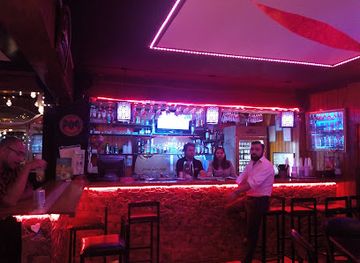
After dark, Reñaca’s social life gathers mainly around the waterfront and central commercial streets, where bars, restaurant terraces and casual venues serve summer visitors and local residents. The atmosphere is most animated during the high season, when the beach and Avenida Borgoño remain active into the evening and younger crowds move between dining and drinks. Entertainment is generally concentrated rather than spread through a large club district, and the tone can shift considerably outside summer, with more emphasis on restaurants and quieter bars. Music, televised sport and informal seaside socialising are more dependable parts of the evening scene than any single genre or venue. Visitors staying in residential sectors should remember that many roads climb sharply away from the coast and that traffic and transport availability change late at night. Nearby Concón offers additional nightlife options, but it is a separate coastal area rather than part of Reñaca.
-
Hamburger
Burger Home Reñaca
Discover Burger Home Reñaca – where gourmet burgers meet innovative sushi in the heart of Viña del Mar.
3 min walk · 0.2 km from neighbourhood centre
-
Bar
Hollywood Experience Reñaca
Experience the vibrant nightlife of Reñaca at Hollywood Experience, a lively bar offering a taste of local culture and entertainment.
2 min walk · 0.2 km from neighbourhood centre
-
Restaurant
Bar Barra Central Reñaca
Savor exquisite Chilean and international cuisine in a lively atmosphere at Bar Barra Central Reñaca, a top dining destination in Viña del Mar.
1 min walk · 0.1 km from neighbourhood centre
-
Bar
Bloom Bar
Discover the vibrant nightlife at Bloom Bar in Viña del Mar, offering a fantastic drink selection and lively ambiance for all visitors.
11 min walk · 0.9 km from neighbourhood centre


Best nightclubs in Reñaca
After dark, Reñaca’s social life gathers mainly around the waterfront and central commercial streets, where bars, restaurant terraces and casual venues serve summer visitors and local residents. The atmosphere is most animated during the high season, when the beach and Avenida Borgoño remain active into the evening and younger crowds move between dining and drinks. Entertainment is generally concentrated rather than spread through a large club district, and the tone can shift considerably outside summer, with more emphasis on restaurants and quieter bars. Music, televised sport and informal seaside socialising are more dependable parts of the evening scene than any single genre or venue. Visitors staying in residential sectors should remember that many roads climb sharply away from the coast and that traffic and transport availability change late at night. Nearby Concón offers additional nightlife options, but it is a separate coastal area rather than part of Reñaca.
-
Gastropub
Club Viña - Lounge - Bar - Disco
Discover the best of Viña del Mar's nightlife at Club Viña—where dining meets dancing in a vibrant coastal atmosphere.
17 min drive · 5.7 km from neighbourhood centre
-
Bar
Hollywood Experience Reñaca
Discover the lively nightlife at Hollywood Experience Reñaca, where eclectic cocktails and vibrant music meet stunning coastal views.
2 min walk · 0.2 km from neighbourhood centre
-
Disco club
Catania Las Salinas
Experience the vibrant nightlife of Viña del Mar at Catania Las Salinas, where music, dancing, and unforgettable memories await.
6 min drive · 2.1 km from neighbourhood centre
-
Night club
Castillo Reñaca
Discover the electrifying nightlife at Castillo Reñaca, a premier night club in Viña del Mar, where music and ocean views come together for an unforgettable experience.
15 min walk · 1.2 km from neighbourhood centre


Best shops in Reñaca
Shopping in Reñaca is concentrated around the commercial areas near Avenida Borgoño and the inland roads serving the neighbourhood’s residents and holiday apartments. Visitors will find cafés, pharmacies, convenience stores, beachwear, surf-related merchandise, small independent businesses and everyday services rather than a large traditional market district. Mall Plaza Reñaca provides a more formal retail setting, with shops and services close to the centre of the neighbourhood, while smaller premises around the waterfront are shaped by seasonal beach demand. The strongest local retail character appears in the practical relationship between shops and seaside life: clothing, refreshments, sporting goods and holiday necessities are easy to combine with a walk along Playa Reñaca. For specialist, artisan or market shopping, visitors may need to travel into central Viña del Mar or elsewhere in the Valparaíso Region, since Reñaca’s commercial identity is primarily resort-oriented and mixed-use.
-
Shopping mall
Mall Marina
Explore Mall Marina in Viña del Mar: a vibrant shopping haven with diverse stores, dining options, and family-friendly entertainment.
13 min drive · 4.2 km from neighbourhood centre
-
Pet supply store
Paseo Viña Centro
Explore Paseo Viña Centro in Viña del Mar for a unique shopping experience tailored for pet lovers and families.
18 min drive · 6.1 km from neighbourhood centre
-
Shopping mall
Outlet Park REÑACA Alto
Experience unbeatable shopping deals, delightful dining, and vibrant entertainment at Outlet Park REÑACA Alto, Viña del Mar's premier outlet mall.
13 min drive · 4.4 km from neighbourhood centre
-
Shopping mall
Boulevard Marina Arauco
Discover the vibrant shopping experience at Boulevard Marina Arauco, Viña del Mar's premier destination for fashion, dining, and entertainment.
13 min drive · 4.3 km from neighbourhood centre


Reñaca essentials
Getting There
Getting Around
Safety
Emergency Situations
Do's and Don'ts
Local Tips

From Eve
Local phrases worth knowing
You don't need to get them perfect. A few words go a long way, and locals appreciate the effort.
Basics
| English | Local | Say it |
|---|---|---|
| Hello | Hola | [oh-la] |
| Goodbye | Adiós | [ah-dee-ohs] |
| Yes | Sí | [see] |
| No | No | [noh] |
| Please/You're welcome | Por favor/De nada | [por fah-vor/de nah-dah] |
| Thank you | Gracias | [grah-see-ahs] |
| Excuse me/Sorry | Perdón/Lo siento | [pair-dohn/loh see-en-toh] |
| How are you? | ¿Cómo estás? | [koh-moh es-tahs] |
| Fine. And you? | Bien. ¿Y tú? | [byen. ee too] |
| Do you speak English? | ¿Hablas inglés? | [ah-blahs een-glehs] |
| I don't understand | No entiendo | [noh en-tee-ehn-doh] |
Eating & Drinking
| English | Local | Say it |
|---|---|---|
| I'd like to see the menu, please | Me gustaría ver el menú, por favor | [may goo-stah-ree-ah ver el meh-noo, por fah-vor] |
| I don't eat meat | No como carne | [noh koh-moh kahr-neh] |
| Cheers! | ¡Salud! | [sah-lood] |
| I would like to pay, please | Me gustaría pagar, por favor | [may goo-stah-ree-ah pah-gahr, por fah-vor] |
Emergencies
| English | Local | Say it |
|---|---|---|
| Help! | ¡Ayuda! | [ah-yoo-dah] |
| Go away! | ¡Vete! | [veh-teh] |
| Call the Police! | ¡Llama a la policía! | [yah-mah ah lah poh-lee-see-ah] |
| Call a doctor! | ¡Llama a un doctor! | [yah-mah ah oon dohk-tohr] |
| I'm lost | Estoy perdido | [es-toy pair-dee-doh] |
| I'm ill | Estoy enfermo | [es-toy ehn-fehr-moh] |
Shopping
| English | Local | Say it |
|---|---|---|
| I'd like to buy... | Me gustaría comprar... | [may goo-stah-ree-ah kohm-prahr...] |
| I'm just looking | Solo estoy mirando | [soh-loh es-toy mee-rahn-doh] |
| How much is it? | ¿Cuánto cuesta? | [kwan-to kwes-tah] |
| That's too expensive | Eso es demasiado caro | [eh-soh es deh-mah-syah-doh kah-roh] |
| Can you lower the price? | ¿Puede bajar el precio? | [pweh-deh bah-hahr el pree-syoh] |
Time & Numbers
| English | Local | Say it |
|---|---|---|
| What time is it? | ¿Qué hora es? | [keh oh-rah es] |
| It's one o'clock | Es la una | [es lah oo-nah] |
| Half past (10) | Media (10) | [meh-dee-ah (diez)] |
| Morning | Mañana | [mah-nyah-nah] |
| Afternoon | Tarde | [tahr-deh] |
| Evening | Noche | [noh-cheh] |
| Yesterday | Ayer | [ah-yehr] |
| Today | Hoy | [oy] |
| Tomorrow | Mañana | [mah-nyah-nah] |
| 1 | Uno | [oo-noh] |
| 2 | Dos | [dohs] |
| 3 | Tres | [trehs] |
| 4 | Cuatro | [kwah-troh] |
| 5 | Cinco | [seen-koh] |
| 6 | Seis | [says] |
| 7 | Siete | [see-eh-teh] |
| 8 | Ocho | [oh-choh] |
| 9 | Nueve | [nweh-veh] |
| 10 | Diez | [dee-ehz] |
Transport & Directions
| English | Local | Say it |
|---|---|---|
| Where's a/the...? | ¿Dónde está...? | [dohn-deh es-tah] |
| What's the address? | ¿Cuál es la dirección? | [kwal es lah dee-rehk-syon] |
| Can you show me (on the map)? | ¿Puedes mostrarme (en el mapa)? | [pweh-dehs mohs-trar-meh (en el mah-pah)] |
| When's the next (bus)? | ¿Cuándo es el próximo (autobús)? | [kwan-doh es el proh-ksee-moh (ow-toh-boos)] |
| A ticket (to ....) | Un boleto (a ....) | [oon boh-leh-toh (ah)] |
History of Reñaca
From Rural Coast to Resort
Before its modern urban development, the area around Reñaca formed part of the rural and coastal landscape north of Viña del Mar, associated with estates and the Reñaca watercourse. Its transformation accelerated during the twentieth century as Viña del Mar expanded beyond its historic centre and the coast became increasingly accessible for leisure. The name Reñaca is generally associated with the local stream and the surrounding sector, although explanations of its pre-Hispanic linguistic roots vary. Rather than growing around a colonial plaza, the neighbourhood developed as a linear seaside settlement oriented towards the beach, roads and ocean views.
The Rise of a Seaside Neighbourhood
Reñaca’s identity as a holiday and residential resort took shape during the mid-twentieth century, when improved roads and the growth of Viña del Mar’s coastal economy encouraged apartment construction, family tourism and seasonal commerce. The waterfront road became the principal spine of the district, linking beaches, restaurants and accommodation with the wider city. Development spread up the hills behind the shore, producing the mixture of detached houses, holiday apartments and later high-rise buildings that still defines the neighbourhood. Its social life consequently became more seasonal than that of Viña’s established central districts.
Modernist Forms on the Hillside
The post-war building boom gave Reñaca much of its recognisable architectural character. Concrete apartment blocks and stepped hillside buildings were designed to capture sea views while responding to the sharply sloping land. Reñaca’s built environment therefore reflects the development of Chilean coastal tourism as much as any single historic monument: balconies, terraces and elevated streets became practical features of resort living. Commercial areas grew around the waterfront and inland avenues, while new residential sectors extended north and uphill. This rapid construction also established the visual contrast between the older beach-oriented resort and later, denser apartment development.
A Contemporary Coastal Centre
In recent decades Reñaca has consolidated its role as both a holiday destination and a permanent urban neighbourhood within Viña del Mar. Seasonal tourism continues to shape the beach, hospitality businesses and evening economy, while residents rely on the district’s shops, schools, churches and services throughout the year. Increased construction has brought taller buildings and further pressure on roads, beaches and hillside land, particularly during the summer period. The neighbourhood’s present identity is consequently dual: it is a practical part of the metropolitan area around Viña del Mar and a long-established Pacific resort whose public life remains closely tied to Playa Reñaca.
Reñaca in Photos
Browse through our photo collection highlighting the charm and character of the destination.
Neighbourhoods near Reñaca
The closest neighbourhoods to Reñaca, if you have time for more than one stop.
-

-


Swipe for more neighbourhoods
Explore more

Explore more of Viña del Mar
Viña del Mar, Chile blends Pacific beaches, grand villas, gardens and cultural landmarks with coastal dining, nightlife and easy Valparaíso connections.
Explore Viña del Mar