

Valparaíso (Viña del Mar) Travel Guide - Free
Explore Valparaíso in Viña del Mar with Evendo's free guide. Find the best shops, historic streets, restaurants, and gems on web or mobile.


Valparaíso near Viña del Mar reveals Chilean port history, hillside funiculars, street art, museums, seafood and Pacific views across its historic cerros.
Geographical Identity
Valparaíso is a separate port city in Chile, not a neighbourhood within Viña del Mar. The two cities stand next to one another on the central coast and are linked by urban transport, but Valparaíso has its own municipality, history and distinctive character. This guide therefore describes Valparaíso itself while explaining its practical relationship with Viña del Mar.Read more about Valparaíso
Hills Above the Pacific
Port, Poetry and Public Space
Best attractions in Valparaíso
Valparaíso’s attractions are spread between the harbour, historic centre and steep cerros rather than gathered in one pedestrian precinct. Plaza Sotomayor introduces the city’s maritime history, while nearby streets lead to the historic ascensores and the viewpoints of Cerro Alegre and Cerro Concepción. Palacio Baburizza houses the Museo Municipal de Bellas Artes in a grand hillside residence, and La Sebastiana on Cerro Florida presents the Valparaíso home associated with Pablo Neruda. Paseo Yugoslavo, Paseo Gervasoni and Paseo Atkinson provide changing perspectives over rooftops, ships and the Pacific, while murals and painted stairways reveal the city’s contemporary visual culture. Mercado Puerto and the lower commercial streets show a more everyday side of the port, with seafood, produce and local traffic continuing beside heritage buildings.
-
Tourist attraction
Quinta Vergara
Explore the serene gardens and rich culture of Quinta Vergara, Viña del Mar's premier park, perfect for relaxation and entertainment.
18 min drive · 5.9 km from neighbourhood centre
-
Tourist attraction
Playa Los Cañones
Explore the stunning Playa Los Cañones in Viña del Mar, where golden sands meet dramatic cliffs and crystal-clear waters for an unforgettable beach experience.
24 min drive · 8.1 km from neighbourhood centre
-
Tourist attraction
Museo de Arqueología e Historia Francisco Fonck
Discover the rich cultural heritage of Chile at Museo de Arqueología e Historia Francisco Fonck in Viña del Mar, an enriching experience for all visitors.
20 min drive · 6.6 km from neighbourhood centre
-
Tourist attraction
Viña del Mar
Experience the vibrant charm of Viña del Mar, Chile's Garden City, where stunning beaches meet lush gardens and rich cultural experiences.
1 min walk · 0.1 km from neighbourhood centre


Best landmarks in Valparaíso
Valparaíso’s most significant landmarks express the relationship between port commerce and hillside settlement. Plaza Sotomayor is the civic gateway to the harbour and is marked by the Monument to the Heroes of Iquique, while the surrounding public buildings and naval institutions reflect the city’s maritime role. The historic ascensores, including El Peral, Reina Victoria and Artillería when operating, are distinctive transport structures linking the lower city with the cerros. Palacio Baburizza represents the architectural wealth of the historic hills, and La Sebastiana is associated with Pablo Neruda’s literary life. Corrugated-metal façades, narrow stairways, old warehouses and lookout promenades are also important heritage features, forming a layered landscape rather than a collection of isolated monuments.
-
Tourist attraction
Flower clock
Experience the beauty of the Flower Clock in Viña del Mar, a stunning landmark blending vibrant floral artistry with rich cultural significance.
15 min drive · 5.0 km from neighbourhood centre
-
Tourist attraction
Vergara Pier
Discover the beauty of Vergara Pier in Viña del Mar, where stunning ocean views and vibrant local culture come together for an unforgettable experience.
20 min drive · 6.7 km from neighbourhood centre
-
Tourist attraction
Playa Caleta Portales
Experience the vibrant atmosphere and delicious seafood at Playa Caleta Portales, a must-visit beach in Valparaíso, Chile.
8 min drive · 2.7 km from neighbourhood centre
-
Casino
Casino de Viña del Mar
Discover the excitement of gaming, dining, and vibrant nightlife at Casino de Viña del Mar, a premier tourist attraction along the stunning Chilean coast.
17 min drive · 5.8 km from neighbourhood centre


Explore Valparaíso on the map
A handpicked selection of must-see spots in Valparaíso, mapped for you.
Best hotels in Valparaíso
Best restaurants in Valparaíso
Valparaíso’s dining scene reflects its port setting, with seafood, fish, shellfish and Chilean comfort food prominent around the lower city and Mercado Puerto. Small restaurants and cafés are concentrated around Cerro Alegre, Cerro Concepción, the plazas and streets leading uphill, where historic houses have been adapted to accommodate contemporary kitchens and terraces. Menus may combine local coastal ingredients with international influences inherited from the city’s maritime and immigrant history. Visitors will also find bakeries, casual lunch counters and neighbourhood eateries beyond the main tourist routes. The most atmospheric dining often comes with views over the bay or an intimate setting in an old hillside building, although the city’s food culture is not limited to its polished visitor-facing districts.
-
Chilean
Tierra de Fuego
Experience authentic Chilean flavors at Tierra de Fuego in Viña del Mar - where exquisite cuisine meets stunning ocean views.
19 min drive · 6.4 km from neighbourhood centre
-
Restaurant
La Flor de Chile
Experience authentic Chilean flavors at La Flor de Chile in Viña del Mar - where tradition meets modern culinary artistry.
20 min drive · 6.8 km from neighbourhood centre
-
Italian
Don Vito e Zanoni
Experience authentic Italian flavors at Don Vito e Zanoni in Viña del Mar—where every meal is a celebration of culinary excellence.
20 min drive · 6.6 km from neighbourhood centre
-
Peruvian
Don Cucho Restaurante
Experience authentic Peruvian cuisine at Don Cucho Restaurante in Viña del Mar, where flavor meets tradition in every dish.
22 min drive · 7.3 km from neighbourhood centre


Best bars in Valparaíso
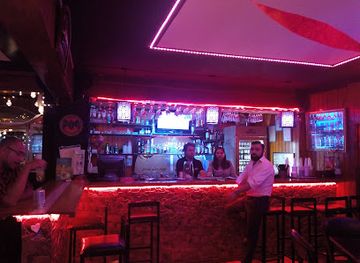
After dark, Valparaíso’s best-known evening areas are concentrated around Cerro Alegre, Cerro Concepción, Bellavista and streets near Plaza Aníbal Pinto and Cumming. Bars occupy renovated hillside houses, compact street-level rooms and terraces facing the harbour, with music, conversation and informal drinking shaping the atmosphere more than a single club district. Local nightlife can include live music, DJ events and cultural programming, while some venues operate as cafés or restaurants earlier in the day. The scene varies considerably by street and night, and many residential lanes become quiet once visitors leave the principal entertainment routes. Travel between venues carefully on steep, uneven streets and use established transport options when returning to accommodation.
-
Grill
Bar tercer tiempo
Experience the vibrant grill culture of Viña del Mar at Bar Tercer Tiempo, where delicious barbecue meets a lively atmosphere.
19 min drive · 6.4 km from neighbourhood centre
-
Pub
Glasgow Pub
Discover the heart of Valparaíso at Glasgow Pub, where great food, local brews, and lively ambiance come together in a vibrant atmosphere.
20 min drive · 6.6 km from neighbourhood centre
-
Restaurant
Café Journal
Experience the vibrant culture and culinary delights at Café Journal in Valparaíso, where food and music come together.
16 min drive · 5.3 km from neighbourhood centre
-
Bar
Jarbar Rooftop
Discover the vibrant atmosphere and stunning views at Jarbar Rooftop, the ideal bar in Viña del Mar for relaxation and local culture.
19 min drive · 6.4 km from neighbourhood centre


Best nightclubs in Valparaíso
After dark, Valparaíso’s best-known evening areas are concentrated around Cerro Alegre, Cerro Concepción, Bellavista and streets near Plaza Aníbal Pinto and Cumming. Bars occupy renovated hillside houses, compact street-level rooms and terraces facing the harbour, with music, conversation and informal drinking shaping the atmosphere more than a single club district. Local nightlife can include live music, DJ events and cultural programming, while some venues operate as cafés or restaurants earlier in the day. The scene varies considerably by street and night, and many residential lanes become quiet once visitors leave the principal entertainment routes. Travel between venues carefully on steep, uneven streets and use established transport options when returning to accommodation.
-
Gastropub
Club Viña - Lounge - Bar - Disco
Experience the vibrant nightlife of Viña del Mar at Club Viña, where delicious tapas and exciting disco beats come together for an unforgettable night out.
18 min drive · 5.9 km from neighbourhood centre
-
Disco club
Stingray
Discover the vibrant nightlife at Stingray, the ultimate disco club in Viña del Mar, where unforgettable dance parties come to life.
18 min drive · 6.2 km from neighbourhood centre
-
Night club
Castillo Reñaca
Discover the lively nightlife at Castillo Reñaca, a top night club in Viña del Mar with breathtaking ocean views and vibrant dance floors.
28 min drive · 9.4 km from neighbourhood centre
-
Night club
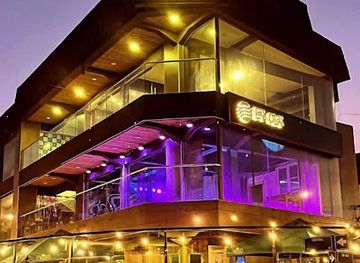
Las Olas
Discover the vibrant nightlife at Las Olas, the ultimate night club in Viña del Mar, where every night is a celebration of music, dance, and unforgettable memories.
31 min drive · 11 km from neighbourhood centre


Best shops in Valparaíso
Shopping in Valparaíso ranges from everyday commerce in the lower city to independent galleries, craft shops and small boutiques in Cerro Alegre and Cerro Concepción. Around the port and central markets, visitors encounter produce, seafood, household goods and practical local retail rather than a conventional luxury shopping district. The hills offer painted prints, ceramics, jewellery, textiles, books and design objects influenced by the city’s maritime and artistic identity, though stock and shop locations change regularly. Antique and second-hand finds appear in scattered independent businesses, while small galleries provide a useful introduction to local artists. The experience is shaped by steep streets, converted houses and mixed-use neighbourhoods, so browsing involves moving between viewpoints, cafés and ordinary residential commerce rather than following one continuous shopping boulevard.
-
Shopping mall
Mall Marina
Explore the vibrant Mall Marina in Viña del Mar, offering a unique shopping experience with diverse stores, dining, and entertainment.
22 min drive · 7.4 km from neighbourhood centre
-
Pet supply store
Paseo Viña Centro
Discover a vibrant shopping experience at Paseo Viña Centro, where pet lovers find everything they need in one delightful location.
20 min drive · 6.5 km from neighbourhood centre
-
Shopping mall
Outlet Park REÑACA Alto
Discover unbeatable deals at Outlet Park REÑACA Alto, the ultimate shopping center in Viña del Mar, Chile, featuring a variety of outlet stores and dining options.
33 min drive · 13 km from neighbourhood centre
-
Shopping mall
Mall Marina Oriente
Discover the ultimate shopping experience at Mall Marina Oriente in Viña del Mar - a vibrant hub of retail, dining, and family fun.
22 min drive · 7.5 km from neighbourhood centre


Valparaíso essentials
Getting There
Getting Around
Safety
Emergency Situations
Do's and Don'ts
Local Tips

From Eve
Local phrases worth knowing
You don't need to get them perfect. A few words go a long way, and locals appreciate the effort.
Basics
| English | Local | Say it |
|---|---|---|
| Hello | Hola | [oh-la] |
| Goodbye | Adiós | [ah-dee-ohs] |
| Yes | Sí | [see] |
| No | No | [noh] |
| Please/You're welcome | Por favor/De nada | [por fah-vor/de nah-dah] |
| Thank you | Gracias | [grah-see-ahs] |
| Excuse me/Sorry | Perdón/Lo siento | [pair-dohn/loh see-en-toh] |
| How are you? | ¿Cómo estás? | [koh-moh es-tahs] |
| Fine. And you? | Bien. ¿Y tú? | [bee-en. ee too] |
| Do you speak English? | ¿Hablas inglés? | [ah-blahs een-glays] |
| I don't understand | No entiendo | [noh en-tee-en-doh] |
Eating & Drinking
| English | Local | Say it |
|---|---|---|
| I'd like to see the menu, please | Me gustaría ver el menú, por favor | [may goos-tah-ree-ah ver el meh-noo, por fah-vor] |
| I don't eat meat | No como carne | [noh koh-moh kahr-neh] |
| Cheers! | ¡Salud! | [sah-lood] |
| I would like to pay, please | Quisiera pagar, por favor | [kee-see-eh-rah pah-gar, por fah-vor] |
Emergencies
| English | Local | Say it |
|---|---|---|
| Help! | ¡Ayuda! | [ah-you-dah] |
| Go away! | ¡Vete! | [veh-teh] |
| Call the Police! | ¡Llama a la Policía! | [yah-mah ah lah poh-lee-see-ah] |
| Call a doctor! | ¡Llama a un doctor! | [yah-mah ah oon dohk-tohr] |
| I'm lost | Estoy perdido/a | [es-toy pair-dee-doh/ah] |
| I'm ill | Estoy enfermo/a | [es-toy ehn-fehr-moh/ah] |
Shopping
| English | Local | Say it |
|---|---|---|
| I'd like to buy... | Me gustaría comprar... | [may goos-tah-ree-ah kohm-prar] |
| I'm just looking | Solo estoy mirando | [soh-loh es-toy mee-rahn-doh] |
| How much is it? | ¿Cuánto cuesta? | [kwan-toh kweh-stah] |
| That's too expensive | Eso es demasiado caro | [eh-soh es deh-mah-see-ah-doh kah-roh] |
| Can you lower the price? | ¿Puedes bajar el precio? | [pweh-dehs bah-har el preh-syoh] |
Time & Numbers
| English | Local | Say it |
|---|---|---|
| What time is it? | ¿Qué hora es? | [keh o-rah es] |
| It's one o'clock | Es la una | [es lah oo-nah] |
| Half past (10) | Son las diez y media | [sohn las dee-ehs ee meh-dee-ah] |
| Morning | Mañana | [mah-nyah-nah] |
| Afternoon | Tarde | [tahr-deh] |
| Evening | Noche | [noh-cheh] |
| Yesterday | Ayer | [ah-yehr] |
| Today | Hoy | [oy] |
| Tomorrow | Mañana | [mah-nyah-nah] |
| 1 | Uno | [oo-noh] |
| 2 | Dos | [dohs] |
| 3 | Tres | [trehs] |
| 4 | Cuatro | [kwah-troh] |
| 5 | Cinco | [seen-koh] |
| 6 | Seis | [seys] |
| 7 | Siete | [syeh-teh] |
| 8 | Ocho | [oh-choh] |
| 9 | Nueve | [nweh-veh] |
| 10 | Diez | [dee-ehs] |
Transport & Directions
| English | Local | Say it |
|---|---|---|
| Where's a/the...? | ¿Dónde está un/el...? | [dohn-deh es-tah oon/el] |
| What's the address? | ¿Cuál es la dirección? | [kwal es lah dee-rek-syon] |
| Can you show me (on the map)? | ¿Puedes mostrarme (en el mapa)? | [pweh-dehs mohs-trar-meh (en el mah-pah)] |
| When's the next (bus)? | ¿Cuándo es el próximo (bus)? | [kwan-doh es el proh-see-moh (boos)] |
| A ticket (to ....) | Un boleto (a ....) | [oon boh-leh-toh (ah)] |
History of Valparaíso
Indigenous Coast and Spanish Port
Before European settlement, the coast and valleys around present-day Valparaíso were inhabited by Indigenous communities, including the Picunche, whose territory was later absorbed into Spanish colonial rule. The settlement developed as a maritime outpost rather than as a grand planned colonial city, serving ships using the central Chilean coast and the nearby colonial capital of Santiago. Its name is commonly associated with Juan de Saavedra, a sixteenth-century Spanish commander, although the city’s early growth remained modest. The natural harbour, steep coastal hills and limited flat land established the physical conditions that still define Valparaíso’s streets and neighbourhoods.
The Nineteenth-Century Trading Port
Valparaíso expanded dramatically during the nineteenth century as a major Pacific port and an important stopping point for ships travelling around Cape Horn before the opening of the Panama Canal in 1914. British, German, Italian and other immigrant communities contributed to commerce, architecture and civic institutions, while warehouses, banks, shipping offices and merchants occupied the lower city. Residential districts climbed the surrounding cerros, producing the mixture of stairways, lanes and hillside houses that distinguishes the historic urban landscape. Fire, earthquakes and redevelopment repeatedly altered the city, but the port economy remained central to its identity.
Railways, Ascensores and Civic Culture
Rail connections and improved roads strengthened Valparaíso’s links with Santiago and other central Chilean settlements during the nineteenth century, while ascensores made the steep hills more accessible to residents and workers. Several historic lifts date from this period and became practical elements of daily life rather than merely tourist attractions. The city also developed theatres, newspapers, schools, commercial associations and public institutions around the port. This combination of international trade, industrial labour and hillside communities produced a cosmopolitan civic culture distinct from the more formal urban development of nearby Viña del Mar.
Decline, Heritage and Renewal
The opening of the Panama Canal weakened Valparaíso’s role as a principal Cape Horn stop, while later changes in shipping, industry and transport placed pressure on the old port city. Economic decline, earthquakes and fire affected historic buildings, even as artists, writers and residents maintained local cultural life. The historic quarter was inscribed on the UNESCO World Heritage List in 2003, encouraging conservation and tourism but also intensifying debates about restoration, uneven investment and the balance between visitor activity and everyday neighbourhood life. Today, Valparaíso remains both a working port city and a celebrated cultural landscape, with regeneration visible beside areas facing long-term social and infrastructural challenges.
Valparaíso in Photos
Browse through our photo collection highlighting the charm and character of the destination.
Neighbourhoods near Valparaíso
The closest neighbourhoods to Valparaíso, if you have time for more than one stop.
-

-


Swipe for more neighbourhoods
Explore more

Explore more of Viña del Mar
Viña del Mar, Chile blends Pacific beaches, grand villas, gardens and cultural landmarks with coastal dining, nightlife and easy Valparaíso connections.
Explore Viña del Mar