

Free Armenia Travel Guide & Mobile App
Plan your Armenia trip with Evendo. Get free guides to top attractions, restaurants, hotels, and bars. Web access or download the mobile app.


Armenia, Colombia blends Quindío coffee culture with Quimbaya heritage, lush landscapes and rewarding city sightseeing across parks, museums and local experiences.
A Gateway to the Coffee Landscape
Armenia is the capital of Quindío, a small department in Colombia’s central Andes where steep green hills, coffee farms and forested valleys shape both the scenery and the local identity. The city stands on a broad plateau between the western and central cordilleras, making it a practical base for exploring the Coffee Cultural Landscape while offering a distinct urban character of its own. Warm temperatures, frequent mountain rain and fertile volcanic soils help explain the region’s long association with coffee cultivation.Read more about Armenia
Urban Parks and Quimbaya Heritage
Coffee, Food and Mountain Excursions
When is the best time to visit Armenia?
Best: July–September · 28°C| Month | High (°C) | Rainfall (mm) |
|---|---|---|
| January | 28 | 100 |
| February | 29 | 100 |
| March | 29 | 100 |
| April | 29 | 100 |
| May | 29 | 100 |
| June | 28 | 100 |
| July (best) | 28 | 100 |
| August (best) | 28 | 100 |
| September (best) | 28 | 100 |
| October | 28 | 100 |
| November | 28 | 100 |
| December | 28 | 100 |
Getting to and around Armenia
How to get there
Transportation
Best attractions in Armenia
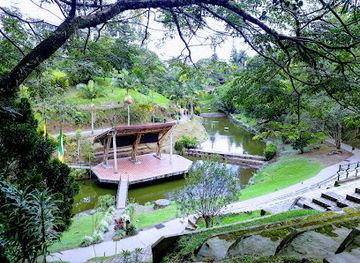
Armenia’s principal attractions combine public parks, regional culture and reminders of its coffee economy. Parque de la Vida is a landscaped urban retreat with paths and recreational areas, while Parque Sucre and Parque de los Fundadores provide central spaces for observing daily life and local gatherings. The Museo del Oro Quimbaya offers insight into the goldworking and artistic traditions of the region, subject to its current opening and institutional arrangements. The Catedral Inmaculada Concepción anchors the historic centre, and the former railway station evokes the infrastructure that once moved coffee and people through Quindío. Avenida Bolívar is useful for browsing cafés, shops and restaurants, while the Centro Cultural Metropolitano de Convenciones reflects Armenia’s role as a regional service centre. Beyond the city, organised visits to coffee farms and nearby botanical attractions extend the sightseeing experience into the cultivated Andean landscape.
-
Tourist attraction
Vida Park
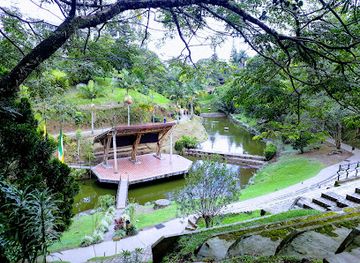
Experience nature's beauty at Vida Park in Armenia - a peaceful urban park with lush greenery and vibrant wildlife, perfect for relaxation and outdoor activities.
9 min drive · 3.0 km from city centre
-
Tourist attraction
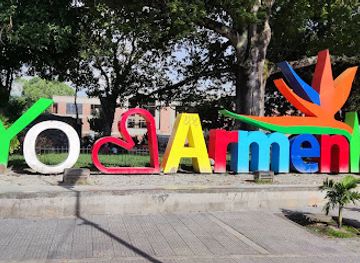
Parque Sucre
Explore Parque Sucre in Armenia, Quindio - an enchanting park filled with lush greenery, vibrant flora, and serene walking paths for a peaceful escape.
5 min drive · 1.6 km from city centre
-
Tourist attraction
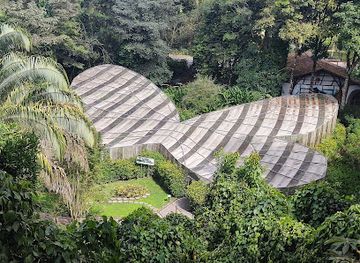
Quindío Botanical Garden
Explore the vibrant flora and fauna at Quindío Botanical Garden, a serene escape in Colombia's coffee region for nature lovers and adventure seekers.
13 min drive · 4.3 km from city centre
-
Tourist attraction
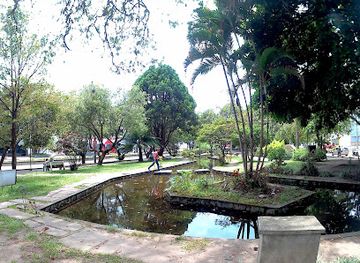
Parque de Los Fundadores
Discover the lush landscapes and cultural vibrancy of Parque de Los Fundadores in Armenia, Quindio—a perfect oasis for relaxation and recreation.
8 min drive · 2.7 km from city centre
Best landmarks in Armenia
Armenia’s landmarks are closely tied to its civic history, religious life, coffee economy and reconstruction after the 1999 earthquake. The Catedral Inmaculada Concepción is the principal church of the centre and an important point of orientation in the city. The former railway station recalls the period when rail transport supported the movement of coffee and passengers through Quindío; its surviving structure has cultural value beyond its original function. Parque de los Fundadores contains commemorative references to the city’s origins, while Parque Sucre represents the traditional central square as a place of public life. The Museo del Oro Quimbaya is significant for presenting the region’s pre-Hispanic artistic heritage, and Armenia’s newer public buildings and open spaces reflect the rebuilding and urban reorganisation that followed the earthquake.
-
Amusement park
Parque del Café
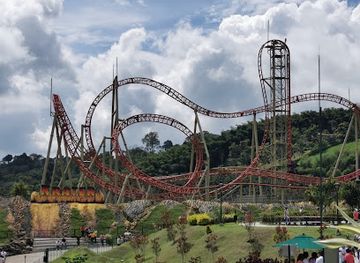
Explore Parque del Café in Colombia's Quindío region, where thrilling rides meet the rich tradition of coffee in a stunning natural setting.
29 min drive · 9.7 km from city centre
-
Park
Vida Park
Discover tranquility at Vida Park, a lush green haven in Armenia, Quindio, where nature meets culture and relaxation awaits.
9 min drive · 3.0 km from city centre
-
Theme park
Recuca
Discover the rich coffee culture of Colombia at Recuca, a theme park offering immersive experiences and interactive activities in the heart of Quindío.
32 min drive · 12 km from city centre
-
Park
Parque Sucre
Explore the lush landscapes and vibrant culture at Parque Sucre, a must-visit urban park in Armenia, Quindio, Colombia.
5 min drive · 1.6 km from city centre
Explore Armenia on the map
Plan your Armenia trip on one map. See where the top attractions, landmarks, restaurants, bars and hotels are, find what's near where you're staying, and book hotels and experiences in a few clicks.
Best hotels in Armenia
Best restaurants in Armenia
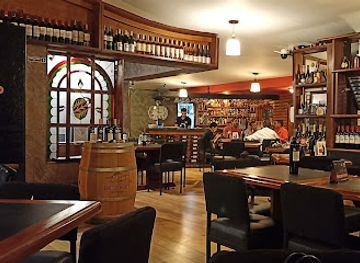
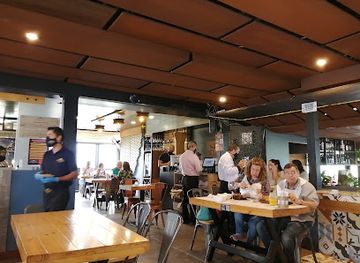
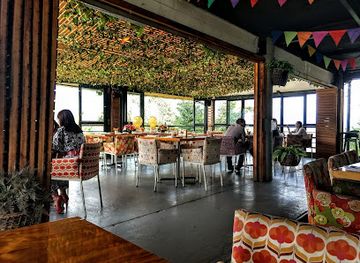
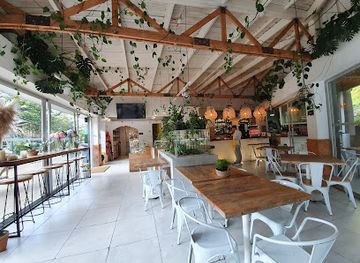
Armenia’s dining scene reflects Quindío’s agricultural setting and the wider cooking traditions of Colombia’s Andean interior. Menus commonly feature dishes such as bandeja paisa, sancocho, arepas, empanadas and trout from the mountain region, alongside rice, beans, plantain and fresh fruit. Coffee is central not only as a drink but as a farm product whose flavour varies with altitude, processing and municipality. The area around Avenida Bolívar has cafés, casual restaurants and contemporary dining, while central streets and market areas offer economical Colombian meals, juices and snacks. Bakeries and small coffee shops are useful places to sample local pastries and brewed beans without a formal meal. Restaurants serving international food are also present, but the strongest sense of place comes from combining Quindío coffee with produce from the surrounding valleys and traditional home-style dishes.
-
Grill
La Fogata
Experience authentic Colombian cuisine at La Fogata in Armenia - where every meal is a celebration of flavor and tradition.
11 min drive · 3.6 km from city centre
-
Restaurant
Boludo Parrilla
Discover Boludo Parrilla: A Culinary Delight in Armenia Offering Authentic Colombian Grilled Meats.
7 min drive · 2.5 km from city centre
-
Grill
Darpapaya
Discover Darpapaya: A delightful grill restaurant in Armenia offering authentic Colombian flavors with a modern twist.
8 min drive · 2.7 km from city centre
-
Restaurant
Bianco
Discover Bianco in Armenia - where authentic Colombian flavors meet modern culinary artistry in a welcoming atmosphere.
10 min drive · 3.4 km from city centre
Best bars in Armenia
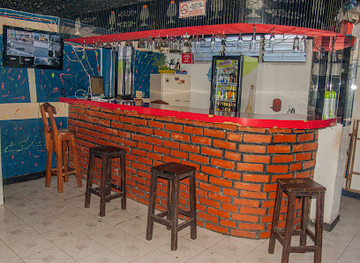
Evenings in Armenia are generally social rather than dominated by large-scale club culture. Avenida Bolívar and the northern commercial districts contain cafés, bars and restaurants where residents meet for coffee, beer, cocktails or conversation, while areas around Parque de la Vida and the city centre offer more relaxed evening activity. Music-led venues may include salsa, vallenato, reggaeton and other Colombian popular styles, with nightlife changing according to the day of the week and local events. Some establishments stay focused on conversation and regional coffee rather than alcohol, making the city suitable for a quieter evening as well as dancing. Taxis are practical for returning after dark, and visitors should check the atmosphere of a venue on arrival rather than assume that every commercial area remains active late into the night.
-
Bar
Mariajuana Ale House Coffee
Discover the vibrant Mariajuana Ale House Coffee in Armenia, Quindío - where local flavors and a lively atmosphere await every visitor.
11 min drive · 3.6 km from city centre
-
Bar
Finisterra
Discover the vibrant nightlife at Finisterra, an inviting bar in Armenia offering exquisite drinks and live music in a cozy atmosphere.
7 min drive · 2.3 km from city centre
-
Bar
Bar Zonica
Discover the vibrant nightlife at Bar Zonica in Armenia, Quindío, where locals and tourists enjoy crafted cocktails and a lively atmosphere.
13 min walk · 1.0 km from city centre
-
Bar
Discoteka El Balcon De La 14
Discover Armenia's nightlife at Discoteka El Balcon De La 14, where vibrant music and a lively atmosphere create unforgettable moments.
6 min drive · 2.1 km from city centre


Best nightclubs in Armenia
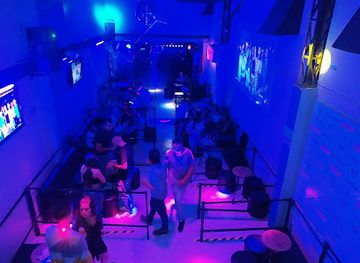
Evenings in Armenia are generally social rather than dominated by large-scale club culture. Avenida Bolívar and the northern commercial districts contain cafés, bars and restaurants where residents meet for coffee, beer, cocktails or conversation, while areas around Parque de la Vida and the city centre offer more relaxed evening activity. Music-led venues may include salsa, vallenato, reggaeton and other Colombian popular styles, with nightlife changing according to the day of the week and local events. Some establishments stay focused on conversation and regional coffee rather than alcohol, making the city suitable for a quieter evening as well as dancing. Taxis are practical for returning after dark, and visitors should check the atmosphere of a venue on arrival rather than assume that every commercial area remains active late into the night.
-
Night club
Shango Night Club
Dive into the exhilarating nightlife of Armenia at Shango Night Club, where vibrant music and unforgettable experiences await.
11 min walk · 0.9 km from city centre
-
Disco club
Salsoteca Soneros
Discover the lively ambiance of Salsoteca Soneros, Armenia's premier disco club for authentic salsa nights and unforgettable experiences.
14 min walk · 1.1 km from city centre
-
Night club
Taberna Kelvin
Discover the electrifying nightlife at Taberna Kelvin, Armenia's premier night club, where vibrant music and unforgettable memories await.
18 min walk · 1.4 km from city centre
-
Bar
Panda Club
Discover the vibrant nightlife of Armenia at Panda Club, where cocktails, music, and an electric atmosphere await you.
13 min drive · 4.2 km from city centre

Best shops in Armenia
Shopping in Armenia ranges from practical commercial streets and modern centres to markets selling everyday Colombian produce. Avenida Bolívar is one of the city’s principal retail corridors, with fashion, cafés, services and independent businesses, while central streets offer footwear, household goods and small specialist shops. Market areas are useful for seeing the agricultural connection between Armenia and the surrounding coffee municipalities, with fruit, vegetables and regional food products changing according to season. Coffee is the most characteristic purchase, although visitors should look for clear information about origin and roast rather than treating all Colombian coffee as identical. Quindío handicrafts, woven goods, small artworks and locally themed souvenirs appear in craft shops and cultural venues. Purchases from recognised retailers are preferable for pre-Hispanic-style objects, as genuine archaeological artefacts are protected and should not be traded casually.
-
Shopping mall
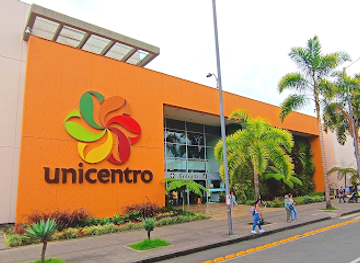
Unicentro
Discover Unicentro in Armenia, where shopping, dining, and entertainment come together for a delightful cultural experience.
6 min drive · 2.1 km from city centre
-
Shopping mall
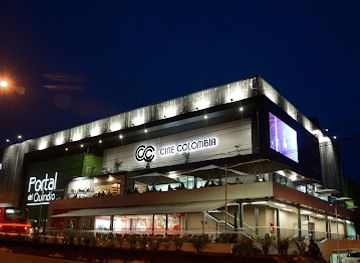
Portal del Quindío
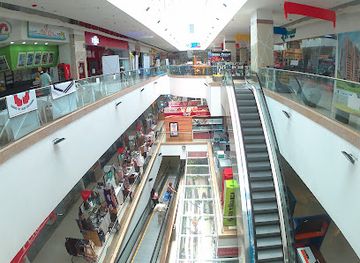
Explore Portal del Quindío, a vibrant shopping mall in Armenia offering unique local shopping, diverse dining options, and family-friendly entertainment.
13 min drive · 4.2 km from city centre
-
Shopping mall
Flora Plaza
Explore Flora Plaza in Armenia, Quindío - a vibrant shopping mall offering a mix of retail, dining, and entertainment for tourists and locals alike.
8 min drive · 2.7 km from city centre
-
Clothing store
Mattelsa Armenia - Tienda de Ropa
Discover the latest fashion trends at Mattelsa Armenia, your go-to clothing store in the heart of Quindío, Colombia.
13 min drive · 4.4 km from city centre
Get your free copy of our complete guide to Armenia, delivered straight to you.
Everything on this page, from attractions and restaurants to essentials and local phrases, in one PDF you can read offline, print or share.
Already have an account? Sign in
Your Armenia guide is ready.
We'll send it to · Not you? Sign out

Getting your guide ready…
We are putting together a fresh copy of the Armenia guide. This can take up to a minute.
This can take a few moments. If your browser asks, choose Allow so the download can start. You'll find the guide in your Downloads folder.
Nothing happened? Download it again
Sorry, the guide is taking longer than usual. Please try again in a minute, or get it by email instead.
Armenia essentials
Currency and Payment
Safety
Emergency Situations
Do's and Don'ts
Local Tips
From Eve
Local phrases worth knowing
You don't need to get them perfect. A few words go a long way, and locals appreciate the effort.
Basics
| English | Local | Say it |
|---|---|---|
| Hello | բարև | [barev] |
| Goodbye | հրաժարվես | [hradjarves] |
| Yes | այո | [ayo] |
| No | ոչ | [voch] |
| Please/You're welcome | խնդրել եմ | [khntrél em] |
| Thank you | Շնորհակալ եմ | [shnorhakal em] |
| Excuse me/Sorry | Ներողություն | [neroghutyun] |
| How are you? | Ինչպես եք | [inchpes ek] |
| Fine. And you? | Լավ եմ. Անդ դու | [lav em. and du] |
| Do you speak English? | Անգլերեն խոսում եք | [angleren khosum ek] |
| I don't understand | Ես չեմ հասկանում | [es chem haskanum] |
Eating & Drinking
| English | Local | Say it |
|---|---|---|
| I'd like to see the menu, please | Խնդրում եմ մենյունը տեսնել | [khntrum em menyunë tsnel] |
| I don't eat meat | Ես միս չուտում | [es mis chutum] |
| Cheers! | Շնորհակալություն | [shnorhakalutyun] |
| I would like to pay, please | Խնդրեմ վճարել | [khnrem vcharël] |
Emergencies
| English | Local | Say it |
|---|---|---|
| Help! | Օրգենացք | [orgenatsk] |
| Go away! | Ճակատեք | [chakatek] |
| Call the Police! | Զինվորներին զանգահարեք | [zinvornërin zangaharek] |
| Call a doctor! | Բժշկին զանգահարեք | [bzhshkin zangaharek] |
| I'm lost | Կորտում եմ | [kortum em] |
| I'm ill | հիվանդ եմ | [hivanad em] |
Shopping
| English | Local | Say it |
|---|---|---|
| I'd like to buy... | Խնդրում եմ գնել | [khntrum em gnel] |
| I'm just looking | Ես միասին գնում եմ | [es miasin gnum em] |
| How much is it? | Քանի՞ է | [kani? e] |
| That's too expensive | Դժվար է | [jvard e] |
| Can you lower the price? | Արթոնել կարճատում՞ | [artonel kcharatum?] |
Time & Numbers
| English | Local | Say it |
|---|---|---|
| What time is it? | Ժամ որպես է | [zham vorpes e] |
| It's one o'clock | Քսնի՞չ է | [ksni? e] |
| Half past (10) | Երկուսաընդամ ես | [yerkusandam es] |
| Morning | առավոտ | [aravot] |
| Afternoon | ցերեկ | [tserek] |
| Evening | երեկո | [erekho] |
| Yesterday | երեկ | [erek] |
| Today | այսօր | [aysor] |
| Tomorrow | վաղը | [vaghe] |
| 1 | մեկ | [mek] |
| 2 | երկու | [yerkoo] |
| 3 | երեք | [yerek] |
| 4 | չորս | [chorss] |
| 5 | հինգ | [hing] |
| 6 | վեց | [veg] |
| 7 | յոթ | [yot] |
| 8 | ութ | [oot] |
| 9 | ինը | [inë] |
| 10 | տաս | [tas] |
Transport & Directions
| English | Local | Say it |
|---|---|---|
| Where's a/the...? | Որտե՞ղ է | [vortegh e] |
| What's the address? | Հասցեն ի՞նչ է | [hascn inch e] |
| Can you show me (on the map)? | Կարող եք ցույց տալ | [karoq ek tsuyts tal] |
| When's the next (bus)? | Հաջորդը երբ է | [hajordë yer e] |
| A ticket (to ....) | Բիլետ (մինչեւ...) | [bilet (minchev...)] |
History of Armenia
Quimbaya Societies and Regional Foundations
Long before the modern city existed, the valleys and hills of present-day Quindío were inhabited by Indigenous societies, including communities associated with the Quimbaya cultural tradition. Their achievements in lost-wax gold casting, ceramics and textile production are represented in collections such as those of the Museo del Oro Quimbaya. Spanish colonisation altered Indigenous life through conquest, settlement and new systems of land control, although the modern urban history of Armenia belongs chiefly to the later colonisation of the western Andes by settlers from Antioquia and neighbouring regions.
Foundation During Antioquian Colonisation
Armenia was founded on 14 October 1889 by settlers led by Jesús María Ocampo, known as Tigrero, during the expansion of Antioquian colonisation into the highlands of the Cauca region. The settlement grew amid agriculture, cattle raising and the opening of roads linking new communities. Its name is commonly connected with international news from the period, particularly the Armenian massacres in the Ottoman Empire, although interpretations of the naming are not entirely uniform. The early town developed a practical Andean layout, with a central plaza and civic and religious buildings around it.
Coffee Economy and Urban Growth
Coffee became central to Armenia’s prosperity during the twentieth century as plantations expanded across Quindío’s fertile slopes and the crop entered national and international markets. Roads, rail connections and commercial institutions strengthened the city’s role as a collection and distribution centre for the surrounding countryside. The railway station, once part of the region’s coffee transport network, recalls this period of agricultural integration. Prosperity encouraged urban expansion, the construction of public buildings and the growth of services, while rural production continued to shape the city’s social and economic identity.
Quindío Department and Regional Capital
Armenia became the capital of the newly created Department of Quindío in 1966, an administrative change that confirmed its importance among the coffee-growing towns of the central Andes. Departmental institutions, education, commerce and public services expanded in the following decades, and the city increasingly served visitors travelling through the wider coffee region. The urban landscape combined modern concrete construction with civic parks, religious buildings and remnants of the railway era. This period also saw stronger regional identification around Quindío’s coffee culture and its Quimbaya heritage.
The 1999 Earthquake and Reconstruction
On 25 January 1999, a powerful earthquake struck the coffee region, causing extensive damage in Armenia and surrounding municipalities, with major loss of life and housing. The disaster transformed the city’s built environment and prompted large-scale reconstruction, relocation and redevelopment. Some historic structures survived or were restored, while many newer buildings reflect post-earthquake engineering and planning. Armenia’s present identity is therefore shaped by both the earlier coffee boom and the community’s rebuilding after the earthquake, an event still visible in memorial culture, urban form and local memory.
Armenia in Photos
Browse through our photo collection highlighting the charm and character of the destination.
Cities near Armenia
The closest cities to Armenia, if you have time for more than one stop.
-

-

-

-

-


Swipe for more cities
Explore more

Explore more of Colombia
Discover Colombia: A land of diverse beauty, rich heritage, and vibrant culture, offering everything from bustling cities to serene coffee plantations and stunning national parks.
Explore Colombia