

Free Manizales Travel Guide & Mobile App
Plan your Manizales trip with Evendo. Get free guides to top attractions, restaurants, hotels, and bars. Web access or download the mobile app.


Manizales, Colombia, pairs Andean mountain views with coffee culture, dramatic architecture, lively plazas and access to birding, forests and volcano landscapes.
A Mountain City Shaped by Coffee
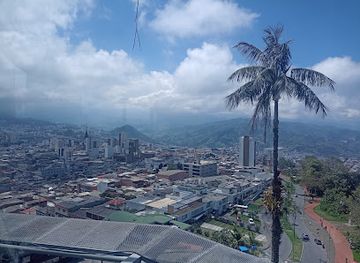
Manizales rises dramatically along the steep ridges of Colombia’s Central Cordillera, where streets climb and dip through a landscape of misty hills, deep valleys and coffee plantations. The capital of Caldas is part of Colombia’s famous Coffee Cultural Landscape, yet its character differs from the gentler, low-rise towns of the surrounding region: this is a hardworking Andean city with a compact centre, a growing university population and extraordinary views towards the mountains.Read more about Manizales
Architecture Above the Clouds
Culture, Coffee and Cloud Forest
When is the best time to visit Manizales?
Best: January–March · 20°C| Month | High (°C) | Rainfall (mm) |
|---|---|---|
| January (best) | 20 | 54 |
| February (best) | 20 | 63 |
| March (best) | 20 | 59 |
| April | 20 | 90 |
| May | 20 | 128 |
| June | 20 | 137 |
| July | 20 | 130 |
| August | 20 | 123 |
| September | 20 | 116 |
| October | 20 | 123 |
| November | 20 | 116 |
| December | 20 | 88 |
Getting to and around Manizales
How to get there
Transportation
Best attractions in Manizales
Manizales rewards exploration across several distinct levels of the city. In the centre, Plaza de Bolívar, the Cathedral Basilica of Our Lady of the Rosary and the Museo de Arte de Caldas introduce the city’s architecture, public life and artistic heritage. The Torre del Cable, a surviving railway structure near El Cable, recalls the transport network that once carried coffee through the mountains. For open-air views, the Chipre district looks across the steep ridges of the Coffee Region, while Ecoparque Los Yarumos offers forested paths and a closer encounter with the city’s green edge. Recinto del Pensamiento, outside the dense centre, combines gardens, birdlife and environmental interpretation. Excursions towards Río Blanco are valued for cloud-forest scenery and birdwatching, while the Nevado del Ruiz landscape lies farther away in Los Nevados National Natural Park and requires separate planning around weather and official access conditions.
-
Catholic cathedral
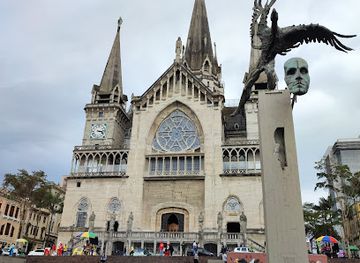
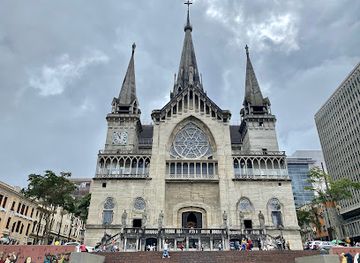
Cathedral Basilica of Our Lady of Rosary, Manizales
Explore the stunning Cathedral Basilica of Our Lady of Rosary in Manizales, a masterpiece of neo-Gothic architecture and a hub of spiritual heritage.
10 min walk · 0.8 km from city centre
-
Observation deck
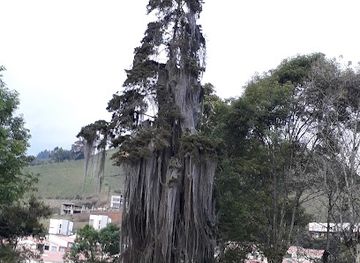
Chipre Tower
Experience breathtaking panoramic views of Manizales and the Andes Mountains from the iconic Chipre Tower, a must-visit landmark in Colombia's Coffee Region.
5 min drive · 1.8 km from city centre
-
Tourist attraction
Bosque Popular El Prado
Discover the lush landscapes and serene atmosphere of Bosque Popular El Prado, a green oasis in the heart of Manizales, Colombia.
16 min drive · 5.2 km from city centre
-
Sculpture
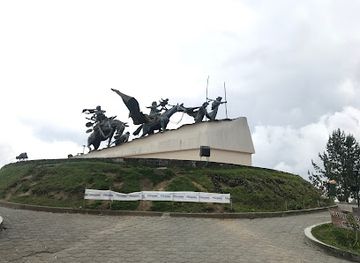
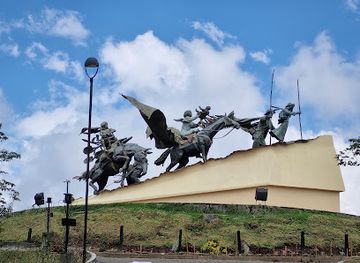
Monumento a Los Colonizadores
Discover the history and panoramic views at Monumento a Los Colonizadores in Manizales, Colombia. A tribute to the city's founders and heritage.
7 min drive · 2.2 km from city centre


Best landmarks in Manizales
The Cathedral Basilica of Our Lady of the Rosary is Manizales’s defining landmark, a tall reinforced-concrete church rebuilt after the fires of the 1920s and dominating the city centre. In Plaza de Bolívar, Rodrigo Arenas Betancourt’s Bolívar Cóndor presents Simón Bolívar in an expressive modern monument, while the surrounding civic buildings reveal the importance of the square as the departmental capital’s public stage. The Torre del Cable, once associated with the Manizales–Mariquita cableway, preserves the memory of the transport system that connected the coffee region with wider trade routes. The Basílica Menor de la Inmaculada Concepción adds a contrasting religious presence, with a more traditional interior and a strong place in local devotion. Historic bahareque houses and Republican façades, interspersed with concrete reconstruction, make the city’s architectural story visible in ordinary streets as well as monumental buildings.
-
Town square
Plaza de Bolivar
Discover the vibrant cultural heart of Manizales at Plaza de Bolívar, featuring stunning Botero murals and a lively atmosphere perfect for exploration.
10 min walk · 0.8 km from city centre
-
Catholic cathedral
Cathedral Basilica of Our Lady of Rosary, Manizales
Explore the stunning Cathedral Basilica of Our Lady of Rosary in Manizales, a neo-Gothic masterpiece offering breathtaking views and rich cultural heritage.
10 min walk · 0.8 km from city centre
-
Observation deck
Chipre Tower
Experience stunning panoramic views and serene nature at Chipre Tower, a must-visit observation deck in Manizales.
5 min drive · 1.8 km from city centre
-
Sculpture
Monumento a Los Colonizadores
Explore the Monumento a Los Colonizadores in Manizales, a stunning tribute to settlers with breathtaking views of nature and rich historical significance.
7 min drive · 2.2 km from city centre
Explore Manizales on the map
Plan your Manizales trip on one map. See where the top attractions, landmarks, restaurants, bars and hotels are, find what's near where you're staying, and book hotels and experiences in a few clicks.
Best hotels in Manizales
Best restaurants in Manizales
Manizales’s food culture reflects Caldas’s farming traditions, Antioquian heritage and the produce of Colombia’s central mountains. Menus commonly include regional versions of bandeja paisa, hearty soups, beans, rice, plantain, arepas and chorizo, while trout from the cooler upland areas appears in restaurants beyond the centre. Coffee is central to the city’s dining identity: specialist cafés offer beans from Caldas and often explain differences in altitude, processing and preparation. Around the historic centre, traditional eateries and market stalls provide filling local meals, while El Cable, Palermo and the sector around Avenida Santander support cafés, bakeries, casual dining and more contemporary kitchens. The Galería Plaza de Mercado gives a direct view of local ingredients and everyday food shopping, although visitors should choose stalls carefully and take normal precautions with water and food hygiene.
-
Restaurant
La Patateria
Experience the best of Colombian flavors at La Patateria in Manizales – where every potato dish tells a story!
12 min drive · 3.9 km from city centre
-
Restaurant
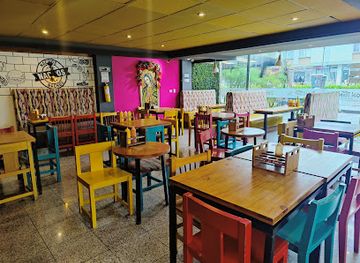
Don Ramón - Más que un Burro - Manizales
Experience authentic Mexican and Tex-Mex cuisine at Don Ramón - Más que un Burro in Manizales – where every meal tells a story.
7 min drive · 2.4 km from city centre
-
Restaurant
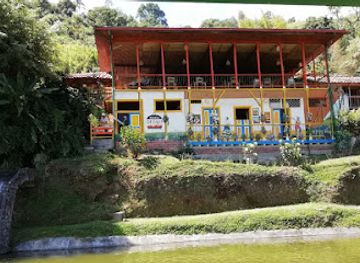
Fogón de Palo. Alojamiento rural & Restaurante
Discover the flavors of Colombia at Fogón de Palo—a perfect blend of rural lodging and exquisite dining in Manizales.
22 min drive · 7.4 km from city centre
-
Restaurant
Restaurante Arriero Campestre
Experience authentic Colombian flavors at Restaurante Arriero Campestre in Chinchiná—where tradition meets breathtaking landscapes.
14 min drive · 4.7 km from city centre

Best bars in Manizales
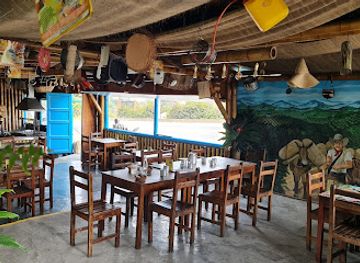
Evenings in Manizales are concentrated less in a single entertainment quarter than across the centre, El Cable, Palermo and parts of Avenida Santander. Traditional bars and modest neighbourhood venues offer beer, aguardiente and conversation, while the El Cable area has a younger selection of cocktail bars, cafés and late-evening restaurants. University life supports live music, cultural programming and informal social venues, though the city’s nightlife is generally more relaxed than that of larger Colombian capitals. During the Feria de Manizales in January, concerts, public celebrations and bullfighting-related traditions bring a much busier atmosphere to the city, subject to the annual programme. Visitors should use recognised taxis or trusted ride services at night, remain aware of their belongings and check current venue arrangements rather than relying on old opening information.
-
Gastropub
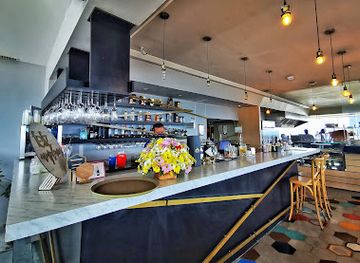
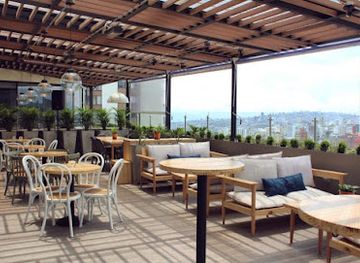
La Azotea Rooftop
Experience breathtaking views and exquisite gastropub cuisine at La Azotea Rooftop in Manizales, a must-visit for all food lovers.
10 min walk · 0.8 km from city centre
-
Bar
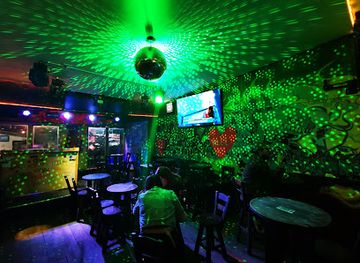
Bar Silmaril
Discover Bar Silmaril in Manizales, where vibrant nightlife meets an eclectic ambiance and delightful drinks await.
9 min drive · 2.9 km from city centre
-
American
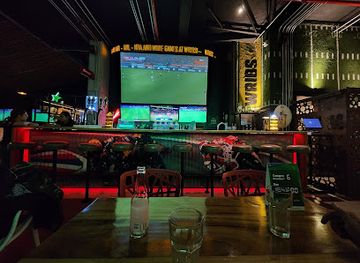
Wribs
Experience the best of American cuisine at Wribs in Manizales, where savory flavors and a warm atmosphere await you.
12 min drive · 4.0 km from city centre
-
Bar
Pasión del Cielo - Café Bar Manizales
Experience the vibrant atmosphere and rich coffee culture at Pasión del Cielo, a must-visit café bar in the heart of Manizales.
8 min drive · 2.7 km from city centre
Best nightclubs in Manizales
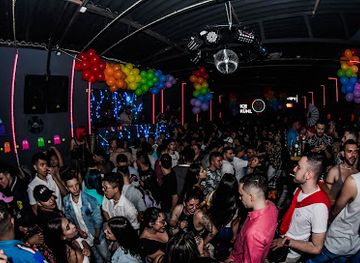
Evenings in Manizales are concentrated less in a single entertainment quarter than across the centre, El Cable, Palermo and parts of Avenida Santander. Traditional bars and modest neighbourhood venues offer beer, aguardiente and conversation, while the El Cable area has a younger selection of cocktail bars, cafés and late-evening restaurants. University life supports live music, cultural programming and informal social venues, though the city’s nightlife is generally more relaxed than that of larger Colombian capitals. During the Feria de Manizales in January, concerts, public celebrations and bullfighting-related traditions bring a much busier atmosphere to the city, subject to the annual programme. Visitors should use recognised taxis or trusted ride services at night, remain aware of their belongings and check current venue arrangements rather than relying on old opening information.
-
Disco club
2150 Club
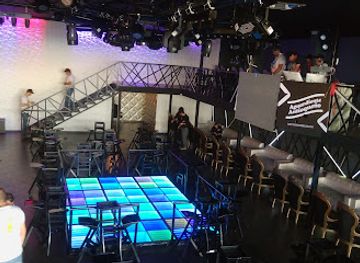
Discover the pulsating nightlife at 2150 Club in Manizales, where music, dance, and vibrant energy collide for an unforgettable evening.
12 min drive · 4.1 km from city centre
-
Disco club
Dollar Club
Discover the pulsating energy of Dollar Club in Manizales, where affordable drinks and thrilling beats create unforgettable nights.
7 min drive · 2.5 km from city centre
-
Disco club
Provenza Discobar
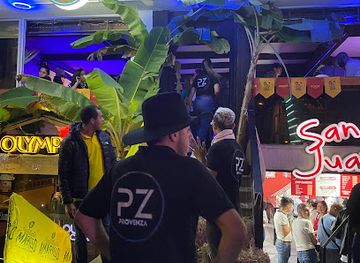
Experience the vibrant nightlife of Manizales at Provenza Discobar - the ultimate disco club and bar for unforgettable evenings filled with music and dancing.
8 min drive · 2.8 km from city centre
-
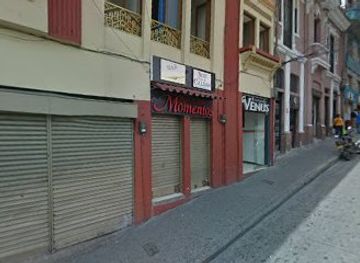
Night club
Momentos
Dance the night away at Momentos Night Club in Manizales, the ultimate destination for vibrant nightlife and unforgettable experiences.
9 min walk · 0.7 km from city centre
Best shops in Manizales
Shopping in Manizales ranges from everyday market trade to contemporary retail around El Cable and Avenida Santander. The Galería Plaza de Mercado is the most revealing place for regional produce, including fruit, vegetables, herbs, grains and other ingredients brought from the surrounding highlands. In the central streets, small shops sell clothing, household goods and practical Colombian staples, while shopping centres provide larger national chains and indoor browsing. Visitors interested in local products can look for Caldas coffee, panela, sweets and packaged regional foods, checking labels for origin rather than assuming every souvenir comes from the area. Artisan goods and coffee-related gifts are available through specialist shops and cultural venues, though quality and provenance vary. The compact centre is better suited to independent browsing, while El Cable offers a more modern commercial atmosphere alongside cafés and restaurants.
-
Shopping mall
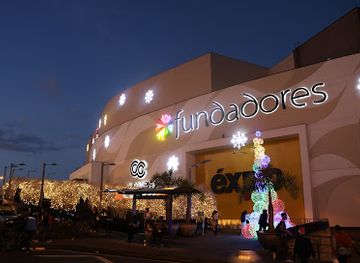
Centro Comercial Fundadores
Explore Centro Comercial Fundadores in Manizales - your ultimate shopping mall experience with diverse stores, dining, and entertainment options.
3 min walk · 0.2 km from city centre
-
Shopping mall
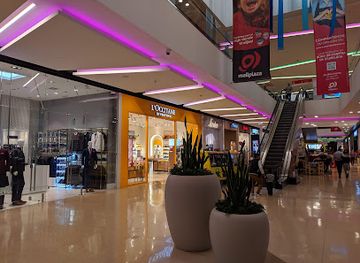
Centro Comercial Mall Plaza
Discover shopping, dining, and entertainment at Centro Comercial Mall Plaza in Manizales, a vibrant hub for tourists and locals alike.
7 min drive · 2.2 km from city centre
-
Shopping mall
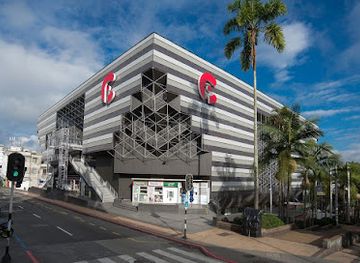
Caldas Park Mall
Explore Caldas Park Mall in Manizales for a delightful shopping and dining experience amidst a vibrant atmosphere.
4 min walk · 0.3 km from city centre
-
Clothing store
Mattelsa Manizales - Tienda de Ropa
Explore the heart of local fashion at Mattelsa Manizales – where style meets the spirit of Colombia.
18 min walk · 1.4 km from city centre

Get your free copy of our complete guide to Manizales, delivered straight to you.
Everything on this page, from attractions and restaurants to essentials and local phrases, in one PDF you can read offline, print or share.
Already have an account? Sign in
Your Manizales guide is ready.
We'll send it to · Not you? Sign out

Getting your guide ready…
We are putting together a fresh copy of the Manizales guide. This can take up to a minute.
This can take a few moments. If your browser asks, choose Allow so the download can start. You'll find the guide in your Downloads folder.
Nothing happened? Download it again
Sorry, the guide is taking longer than usual. Please try again in a minute, or get it by email instead.
Manizales essentials
Currency and Payment
Safety
Emergency Situations
Do's and Don'ts
Local Tips
From Eve
Local phrases worth knowing
You don't need to get them perfect. A few words go a long way, and locals appreciate the effort.
Basics
| English | Local | Say it |
|---|---|---|
| Hello | Hola | [oh-lah] |
| Goodbye | Adiós | [ah-dee-ohs] |
| Yes | Sí | [see] |
| No | No | [noh] |
| Please/You're welcome | Por favor/De nada | [por fah-bor/de nah-dah] |
| Thank you | Gracias | [grah-see-ahs] |
| Excuse me/Sorry | Disculpe/Lo siento | [dee-skool-peh/loh see-en-toh] |
| How are you? | ¿Cómo estás? | [koh-moh ehs-tahs] |
| Fine. And you? | Bien. ¿Y tú? | [byen. ee too] |
| Do you speak English? | ¿Hablas inglés? | [ah-blahs een-glehs] |
| I don't understand | No entiendo | [noh ehn-tyen-doh] |
Eating & Drinking
| English | Local | Say it |
|---|---|---|
| I'd like to see the menu, please | Me gustaría ver el menú, por favor | [meh goo-stah-ree-ah behr ehl meh-noo, por fah-bor] |
| I don't eat meat | No como carne | [noh koh-moh kahr-neh] |
| Cheers! | ¡Salud! | [sah-lood] |
| I would like to pay, please | Me gustaría pagar, por favor | [meh goo-stah-ree-ah pah-gahr, por fah-bor] |
Emergencies
| English | Local | Say it |
|---|---|---|
| Help! | ¡Ayuda! | [ah-yoo-dah] |
| Go away! | ¡Vete! | [veh-teh] |
| Call the Police! | ¡Llama a la Policía! | [yah-mah ah lah poh-lee-see-ah] |
| Call a doctor! | ¡Llama a un médico! | [yah-mah ah oon meh-dee-koh] |
| I'm lost | Estoy perdido | [ehs-toy pehr-dee-doh] |
| I'm ill | Estoy enfermo | [ehs-toy ehn-fehr-moh] |
Shopping
| English | Local | Say it |
|---|---|---|
| I'd like to buy... | Me gustaría comprar... | [meh goo-stah-ree-ah kohm-prahr] |
| I'm just looking | Sólo estoy mirando | [soh-loh ehs-toy mee-rahn-doh] |
| How much is it? | ¿Cuánto cuesta? | [kwan-toh kwehs-tah] |
| That's too expensive | Eso es muy caro | [eh-soh ehs mwee kah-roh] |
| Can you lower the price? | ¿Puede bajar el precio? | [pweh-deh bah-har ehl pree-syoh] |
Time & Numbers
| English | Local | Say it |
|---|---|---|
| What time is it? | ¿Qué hora es? | [keh oh-rah ehs] |
| It's one o'clock | Es la una en punto | [ehs lah oo-nah ehn poon-toh] |
| Half past (10) | Media hora (10) | [meh-dee-ah oh-rah (deez] |
| Morning | Mañana | [mah-nyah-nah] |
| Afternoon | Tarde | [tahr-deh] |
| Evening | Noche | [noh-cheh] |
| Yesterday | Ayer | [ah-yehr] |
| Today | Hoy | [oy] |
| Tomorrow | Mañana | [mah-nyah-nah] |
| 1 | Uno | [oo-noh] |
| 2 | Dos | [dohs] |
| 3 | Tres | [trehs] |
| 4 | Cuatro | [kwah-troh] |
| 5 | Cinco | [seen-koh] |
| 6 | Seis | [says] |
| 7 | Siete | [syeh-teh] |
| 8 | Ocho | [oh-choh] |
| 9 | Nueve | [nweh-veh] |
| 10 | Diez | [dyehs] |
Transport & Directions
| English | Local | Say it |
|---|---|---|
| Where's a/the...? | ¿Dónde está...? | [dohn-deh ehs-tah] |
| What's the address? | ¿Cuál es la dirección? | [kwal ehs lah dee-rehk-syohn] |
| Can you show me (on the map)? | ¿Puedes mostrarme (en el mapa)? | [pweh-dehs mohs-trar-meh (ehn ehl mah-pah)] |
| When's the next (bus)? | ¿Cuándo es el próximo (autobús)? | [kwan-doh ehs ehl proh-ksee-moh (ow-toh-boos)] |
| A ticket (to ....) | Un boleto (para ....) | [oon boh-leh-toh (pah-rah)] |
History of Manizales
Indigenous Lands and Spanish Rule
The territory around present-day Manizales was inhabited by Indigenous peoples, including communities associated with the broader Quimbaya cultural region, before Spanish conquest altered local political and social structures during the sixteenth century. Spanish settlement concentrated in other parts of the central Andes, and the high ridge where Manizales now stands remained a difficult, forested frontier for centuries. Colonial administration, Catholic missions and the expansion of agriculture gradually reshaped the region, but the modern city itself emerged much later. Its eventual foundation belonged to the nineteenth-century colonisation of Antioquia, when settlers moved southwards through the mountains in search of land and new commercial opportunities.
The Antioquian Colonisation
Manizales was founded in 1849 by settlers connected with the Antioquian colonisation, a nineteenth-century movement that carried families, livestock and agricultural practices into the central Colombian highlands. The settlement developed on steep terrain near routes linking Antioquia with the Cauca valley, and its position made it a useful centre for trade and administration. Early buildings commonly used timber, earth and locally available materials suited to the difficult slopes. The city’s growth was closely tied to small farms and regional commerce, while the surrounding mountains encouraged a distinctive urban form of ridges, ravines and narrow connecting roads rather than a broad, level grid.
Coffee and Regional Prosperity
During the late nineteenth and early twentieth centuries, coffee transformed Manizales and the wider Caldas region. Production expanded across the surrounding slopes, and the city became an important commercial and financial centre for moving coffee towards national and international markets. Improved roads and transport links strengthened its role, while banks, warehouses, schools and civic buildings reflected the prosperity generated by the crop. Coffee also encouraged migration and social mobility, although wealth remained unevenly distributed. The city’s identity today still rests on this history: cafés, rural estates and regional food traditions are part of a living economic culture rather than merely reminders of a completed agricultural era.
Fire, Reconstruction and Modern Architecture
A series of major fires in the 1920s destroyed large parts of central Manizales, including many earlier structures. Reconstruction transformed the city’s appearance and encouraged the use of reinforced concrete, a material considered better suited to a dense urban centre on unstable and sharply sloping ground. Architects combined modern engineering with local building traditions, creating the varied streetscape visible around Plaza de Bolívar and the cathedral. The rebuilding period also brought new civic institutions and a stronger sense of Manizales as the capital of a modern regional department. Surviving examples of bahareque and Republican architecture provide an important counterpoint to the concrete buildings that followed the fires.
The Modern Capital of Caldas
Manizales became the capital of the newly created Department of Caldas in 1905, strengthening its administrative importance within Colombia’s coffee-growing interior. The twentieth century brought universities, cultural institutions, industrial activity and improved connections with neighbouring cities, although the mountainous setting continued to shape expansion and transport. The city has also faced earthquakes, landslides and the environmental pressures associated with urban growth in a fragile Andean landscape. In contemporary Manizales, coffee remains central but shares the stage with higher education, services, research and cultural festivals. Its historic centre, hillside neighbourhoods and surrounding forests together express the layered development of an urban community built in demanding terrain.
Manizales in Photos
Browse through our photo collection highlighting the charm and character of the destination.
Cities near Manizales
The closest cities to Manizales, if you have time for more than one stop.
-

-

-

-

-


Swipe for more cities
Explore more

Explore more of Colombia
Discover Colombia: A land of diverse beauty, rich heritage, and vibrant culture, offering everything from bustling cities to serene coffee plantations and stunning national parks.
Explore Colombia