

Free Pereira Travel Guide & Mobile App
Plan your Pereira trip with Evendo. Get free guides to top attractions, restaurants, hotels, and bars. Web access or download the mobile app.


Pereira, Colombia, opens the Coffee Region with leafy plazas, lively culture, mountain scenery, local cuisine and gateways to farms, hot springs and wildlife.
A Coffee-Region Capital
Pereira stands in the heart of Colombia’s Eje Cafetero, or Coffee Axis, between the western and central ranges of the Andes. Its warm, often rain-washed climate sustains gardens, plantain country and coffee-growing hills, while the city itself has the energetic, practical character of a regional capital. Pereira is the largest city in Risaralda and an important commercial centre, yet its central districts remain easy to explore on foot, with tree-lined squares, civic buildings, cafés and busy streets radiating from Plaza de Bolívar.Read more about Pereira
Urban Culture and Living Heritage
Beyond the City
When is the best time to visit Pereira?
Best: January–March · 29°C| Month | High (°C) | Rainfall (mm) |
|---|---|---|
| January (best) | 29 | 100 |
| February (best) | 29 | 100 |
| March (best) | 29 | 100 |
| April | 29 | 100 |
| May | 29 | 100 |
| June | 29 | 100 |
| July | 29 | 100 |
| August | 29 | 100 |
| September | 29 | 100 |
| October | 29 | 100 |
| November | 29 | 100 |
| December | 29 | 100 |
Getting to and around Pereira
How to get there
Transportation
Best attractions in Pereira
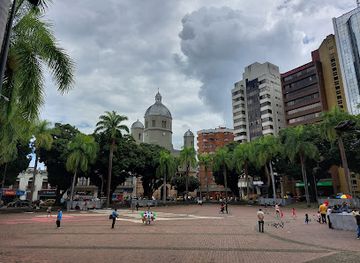
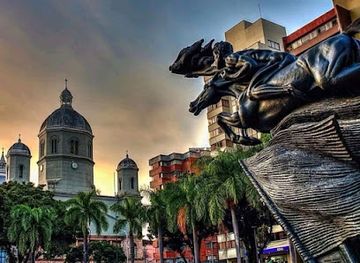
Pereira’s attractions show both its role as a regional capital and its position within the Coffee Region. Begin at Plaza de Bolívar, where the unusual Bolívar Desnudo creates a memorable civic setting beside Catedral Nuestra Señora de la Pobreza. The Centro Cultural Lucy Tejada offers exhibitions and performances that introduce local artistic life, while the Pereira Art Museum provides another window onto Colombian culture. The Megacable is more than transport: its ascent across the hills reveals the city’s geography and dense neighbourhoods. Families and wildlife enthusiasts can travel towards Cerritos for Bioparque Ukumarí, a major zoological and conservation-oriented attraction outside the central area. Parks, cafés and commercial streets provide a less formal way to observe daily life, while coffee farms in the surrounding countryside offer demonstrations of cultivation, harvesting and processing rather than a conventional urban museum visit.
-
Tourist attraction
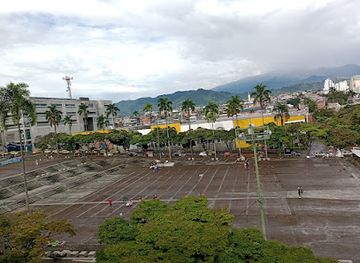
Plaza Victoria
Experience the vibrant heart of Pereira at Plaza Victoria, where culture, commerce, and history converge in a lively atmosphere.
4 min walk · 0.3 km from city centre
-
Tourist attraction
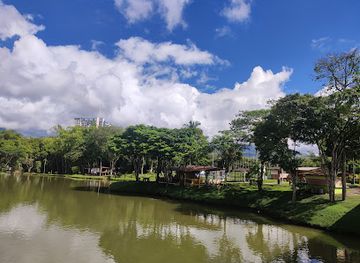
Lake La Pradera
Discover tranquility at Lake La Pradera in Dosquebradas: a perfect escape for nature lovers, families, and adventure seekers.
8 min drive · 2.6 km from city centre
-
Observation deck
Mirador Colina Iluminada
Experience breathtaking panoramic views of Colombia's Coffee Region from the iconic Mirador Colina Iluminada in Filandia.
36 min drive · 16 km from city centre
-
Tourist attraction
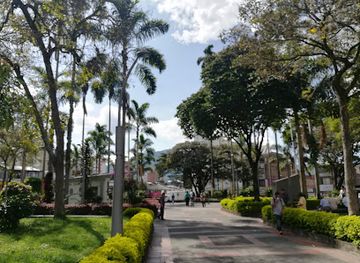
Parque La Libertad
Discover Pereira's historical heart at Parque La Libertad, a vibrant park offering relaxation, culture, and a taste of local life.
6 min walk · 0.5 km from city centre

Best landmarks in Pereira
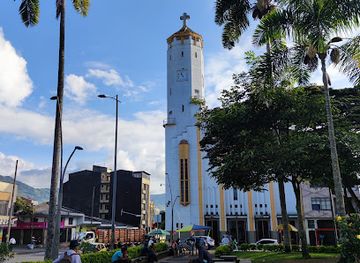
The most recognisable landmarks of Pereira are concentrated around its civic centre and major transport corridors. Catedral Nuestra Señora de la Pobreza, rebuilt in a modern architectural form after earthquake damage, is distinguished by its exposed structural treatment and remains an important Catholic landmark. In adjoining Plaza de Bolívar, Rodrigo Arenas Betancur’s Bolívar Desnudo presents Simón Bolívar as a dynamic, unclothed bronze figure, an unconventional monument that has become a symbol of the city. The César Gaviria Trujillo Viaduct spans the Otún River valley and expresses Pereira’s modern engineering ambitions, while the Centro Cultural Lucy Tejada represents the city’s artistic and civic life. The nearby railway heritage and historic central streets help connect these structures with Pereira’s emergence as a coffee-trading and transport centre.
-
Zoo
Ukumari Park
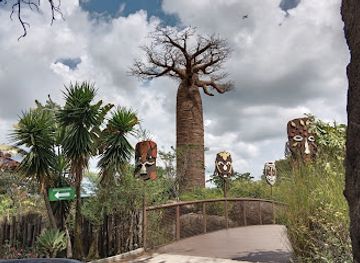
Experience the beauty and diversity of wildlife at Ukumari Park, an immersive zoo adventure in Pereira, Colombia.
33 min drive · 13 km from city centre
-
Park
Bolívar plaza, Pereira
Explore the charm of Bolívar Plaza in Pereira, where history, culture, and nature unite in a vibrant urban oasis.
1 min walk · 0.1 km from city centre
-
Park
Parque La Libertad
Discover the lush landscapes and vibrant culture at Parque La Libertad, Pereira's premier park for relaxation and recreation in the heart of Risaralda.
6 min walk · 0.5 km from city centre
-
Cathedral
Our Lady of Poverty Cathedral, Pereira
Discover the architectural beauty and spiritual tranquility of Our Lady of Poverty Cathedral in Pereira, a must-visit for every traveler.
2 min walk · 0.2 km from city centre
Explore Pereira on the map
Plan your Pereira trip on one map. See where the top attractions, landmarks, restaurants, bars and hotels are, find what's near where you're staying, and book hotels and experiences in a few clicks.
Best hotels in Pereira
Best restaurants in Pereira
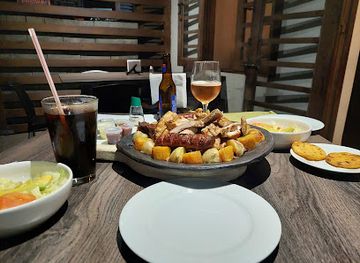
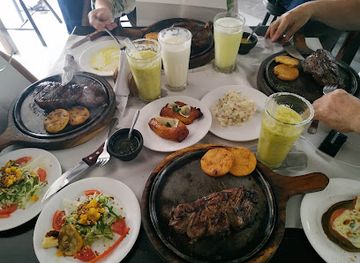
Pereira’s food culture reflects the agricultural abundance and migration history of the Coffee Region. Traditional meals commonly combine rice, beans, plantain, maize, pork, beef, avocado and arepas, with hearty dishes such as bandeja paisa and sancocho appearing alongside regional preparations of trout and fresh produce. Coffee is central to the local identity, although a good cup in Pereira may range from a simple tinto served in a neighbourhood café to carefully prepared beans from nearby farms. The central streets offer casual eateries and bakeries, while Avenida Circunvalar and the newer western districts contain a broader selection of Colombian and international restaurants. Markets and modest lunch spots are useful for trying fresh juices, empanadas and daily set meals; rural fincas around the city often combine countryside views with traditional cooking.
-
Argentinian
Leños & Parrilla
Experience the vibrant flavors of Argentinian cuisine at Leños & Parrilla in Pereira - where every meal tells a story.
5 min drive · 1.5 km from city centre
-
Meat
Patagonia Mía
Experience authentic Colombian cuisine at Patagonia Mía in Pereira – where every dish tells a story through exquisite flavors.
6 min drive · 2.0 km from city centre
-
Latin American
Restaurante La Ruana
Discover authentic Latin American flavors at Restaurante La Ruana in Pereira – where every meal is a celebration of culture and taste.
10 min walk · 0.8 km from city centre
-
Restaurant
Emilios Restaurante
Experience the best of Colombian cuisine at Emilios Restaurante in Pereira – where tradition meets innovation in every dish.
15 min walk · 1.2 km from city centre
Best bars in Pereira
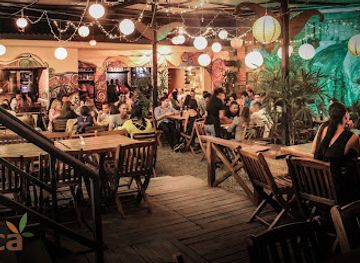
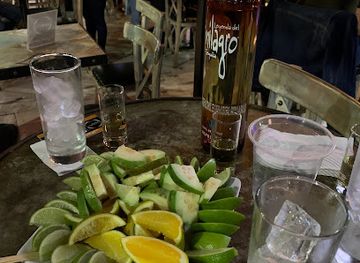
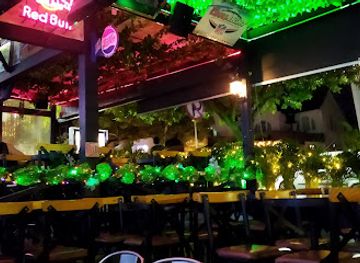
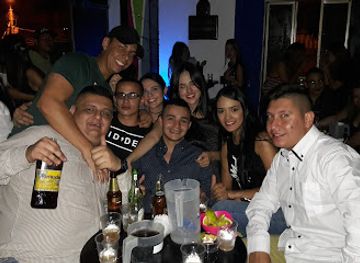
Pereira’s evening life is concentrated around the central area and Avenida Circunvalar, where cafés, Colombian bars, restaurants and music venues attract a local crowd. In the centre, evenings can be informal and social, with people gathering around plazas and streets before moving on to venues with salsa, vallenato, reggaeton or contemporary Latin playlists. Circunvalar offers a more polished mix of cocktail bars, lounges and late-night venues, while larger clubs tend to be aimed at dancing rather than conversation. Pereira is also known for a strong connection to Colombian popular music, and live performances or cultural events may provide an alternative to clubbing. Night-time movement is best kept to busy streets and organised transport, particularly when travelling between districts.
-
Grill
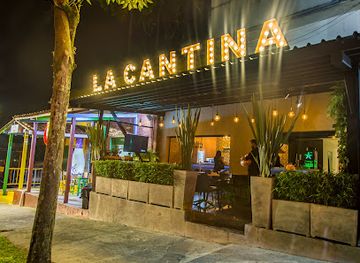
La Cantina Pereira Bar Restaurante Discoteca
Experience the vibrant fusion of grilled flavors and electrifying nightlife at La Cantina Pereira, a must-visit destination in Risaralda.
17 min walk · 1.3 km from city centre
-
Bar
Onca Restaurante y Café Bar
Discover the vibrant flavors and inviting ambiance at Onca Restaurante y Café Bar, Pereira's top spot for coffee, cocktails, and culinary delights.
7 min walk · 0.6 km from city centre
-
Bar
Yii Bar
Dive into the vibrant nightlife of Pereira at Yii Bar, where exquisite cocktails and lively ambiance create unforgettable moments.
16 min walk · 1.2 km from city centre
-
Bar
Icaro
Discover the vibrant nightlife of Pereira at Icaro, a lively bar offering a fantastic selection of drinks and live music.
16 min walk · 1.3 km from city centre
Best nightclubs in Pereira
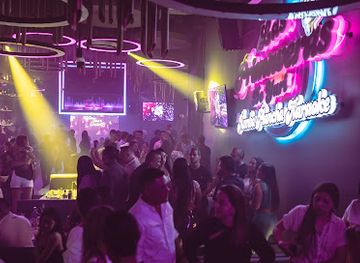
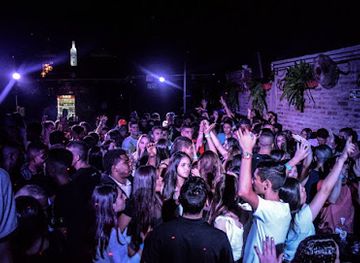
Pereira’s evening life is concentrated around the central area and Avenida Circunvalar, where cafés, Colombian bars, restaurants and music venues attract a local crowd. In the centre, evenings can be informal and social, with people gathering around plazas and streets before moving on to venues with salsa, vallenato, reggaeton or contemporary Latin playlists. Circunvalar offers a more polished mix of cocktail bars, lounges and late-night venues, while larger clubs tend to be aimed at dancing rather than conversation. Pereira is also known for a strong connection to Colombian popular music, and live performances or cultural events may provide an alternative to clubbing. Night-time movement is best kept to busy streets and organised transport, particularly when travelling between districts.
-
Disco club
Discoteca en Pereira Las Primaveras de Yuri | Rumba, Plancha y Karaoke
Experience the vibrant nightlife of Pereira at Las Primaveras de Yuri, where music, dance, and karaoke come together for an unforgettable evening.
9 min walk · 0.7 km from city centre
-
Disco club
Helium
Discover the pulsating nightlife at Helium Disco Club in Pereira, where music, dance, and vibrant energy collide for an unforgettable experience.
6 min walk · 0.5 km from city centre
-
Disco club
La Chismosa Pereira
Discover the vibrant nightlife at La Chismosa Pereira, where electrifying music and dance create unforgettable memories in the heart of Pereira.
17 min walk · 1.3 km from city centre
-
Night club
Discoteca La Parranda Vallenata 3167111730
Discover the heart of Pereira's nightlife at Discoteca La Parranda Vallenata, where music and dance come alive in a vibrant atmosphere.
12 min drive · 4.0 km from city centre
Best shops in Pereira
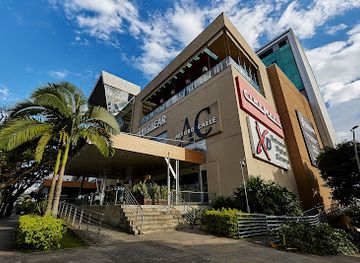
Pereira’s shopping scene ranges from central commercial streets and traditional food shops to modern retail complexes. The area around Plaza de Bolívar and the pedestrianised Calle 18 is useful for everyday Colombian goods, footwear, clothing, bakeries and small businesses, while Ciudad Victoria combines shopping, services and urban redevelopment near the centre. Avenida Circunvalar and the larger malls, including Parque Arboleda and Pereira Plaza, provide contemporary brands and dining in air-conditioned surroundings. Visitors looking for regional products can seek locally grown coffee, panela, chocolates, preserves and crafts rather than generic souvenirs; specialist coffee shops may explain the origin and roasting of their beans. Rural markets and farm visits around Pereira offer a more direct connection with agricultural goods, although product selection and opening patterns vary.
-
Shopping mall
Parque Arboleda Centro Comercial
Discover the ultimate shopping and entertainment experience at Parque Arboleda Centro Comercial in Pereira, Colombia - a hub of culture and cuisine.
17 min walk · 1.3 km from city centre
-
Shopping mall
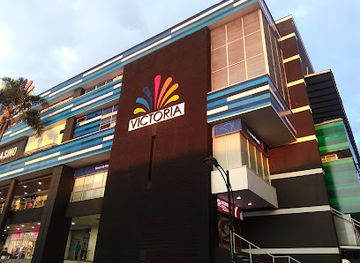
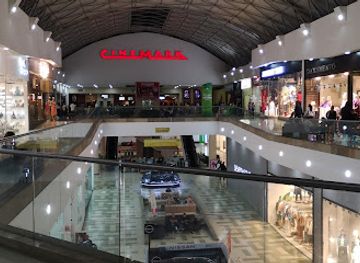
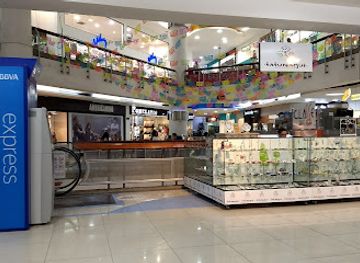
Victoria Mall
Victoria Mall: A Shopping Paradise in Pereira, Colombia with Diverse Retail, Dining, and Entertainment Options.
4 min walk · 0.3 km from city centre
-
Shopping mall
Centro Comercial Unicentro Pereira
Discover Unicentro Pereira: A vibrant shopping oasis offering diverse retail, dining, and entertainment experiences in the heart of Pereira, Colombia.
16 min drive · 5.3 km from city centre
-
Shopping mall
Pereira Plaza Shopping Center
Explore Pereira Plaza Shopping Center, a vibrant shopping hub in Pereira, Colombia offering diverse retail, dining, and entertainment options for all visitors.
8 min walk · 0.6 km from city centre
Get your free copy of our complete guide to Pereira, delivered straight to you.
Everything on this page, from attractions and restaurants to essentials and local phrases, in one PDF you can read offline, print or share.
Already have an account? Sign in
Your Pereira guide is ready.
We'll send it to · Not you? Sign out

Getting your guide ready…
We are putting together a fresh copy of the Pereira guide. This can take up to a minute.
This can take a few moments. If your browser asks, choose Allow so the download can start. You'll find the guide in your Downloads folder.
Nothing happened? Download it again
Sorry, the guide is taking longer than usual. Please try again in a minute, or get it by email instead.
Pereira essentials
Currency and Payment
Safety
Emergency Situations
Do's and Don'ts
Local Tips
From Eve
Local phrases worth knowing
You don't need to get them perfect. A few words go a long way, and locals appreciate the effort.
Basics
| English | Local | Say it |
|---|---|---|
| Hello | Hola | [oh-lah] |
| Goodbye | Adiós | [ah-dee-ohs] |
| Yes | Sí | [see] |
| No | No | [noh] |
| Please/You're welcome | Por favor/De nada | [por fah-vor/deh nah-dah] |
| Thank you | Gracias | [grah-see-ahs] |
| Excuse me/Sorry | Disculpe/Lo siento | [dee-skool-pe/loh see-en-toh] |
| How are you? | ¿Cómo estás? | [koh-moh ehs-tahs] |
| Fine. And you? | Bien. ¿Y tú? | [byen. ee too] |
| Do you speak English? | ¿Hablas inglés? | [ah-blahs een-glehs] |
| I don't understand | No entiendo | [noh ehn-tyen-doh] |
Eating & Drinking
| English | Local | Say it |
|---|---|---|
| I'd like to see the menu, please | Me gustaría ver el menú, por favor | [meh goos-tah-ree-ah behr ehl meh-noo, por fah-vor] |
| I don't eat meat | No como carne | [noh koh-moh kahr-neh] |
| Cheers! | ¡Salud! | [sah-lood] |
| I would like to pay, please | Me gustaría pagar, por favor | [meh goos-tah-ree-ah pah-gahr, por fah-vor] |
Emergencies
| English | Local | Say it |
|---|---|---|
| Help! | ¡Ayuda! | [ah-yoo-dah] |
| Go away! | ¡Vete! | [veh-teh] |
| Call the Police! | ¡Llama a la policía! | [yah-mah ah lah poh-lee-see-ah] |
| Call a doctor! | ¡Llama a un doctor! | [yah-mah ah oon dok-tohr] |
| I'm lost | Estoy perdido | [ehs-toy pehr-dee-doh] |
| I'm ill | Estoy enfermo | [ehs-toy ehn-fehr-moh] |
Shopping
| English | Local | Say it |
|---|---|---|
| I'd like to buy... | Me gustaría comprar... | [meh goos-tah-ree-ah kohm-prahr] |
| I'm just looking | Solo estoy mirando | [soh-loh ehs-toy meer-ahn-doh] |
| How much is it? | ¿Cuánto cuesta? | [kwan-toh kwehs-tah] |
| That's too expensive | Eso es demasiado caro | [eh-soh ehs deh-mah-see-ah-doh kah-roh] |
| Can you lower the price? | ¿Puede bajar el precio? | [pweh-deh bah-har ehl pree-syoh] |
Time & Numbers
| English | Local | Say it |
|---|---|---|
| What time is it? | ¿Qué hora es? | [keh oh-rah ehs] |
| It's one o'clock | Es la una en punto | [ehs lah oo-nah ehn poon-toh] |
| Half past (10) | Media (10) | [meh-dee-ah (deez) ] |
| Morning | Mañana | [mah-nyah-nah] |
| Afternoon | Tarde | [tahr-deh] |
| Evening | Noche | [noh-cheh] |
| Yesterday | Ayer | [ah-yehr] |
| Today | Hoy | [oy] |
| Tomorrow | Mañana | [mah-nyah-nah] |
| 1 | Uno | [oo-noh] |
| 2 | Dos | [dohs] |
| 3 | Tres | [trehs] |
| 4 | Cuatro | [kwah-troh] |
| 5 | Cinco | [seen-koh] |
| 6 | Seis | [says] |
| 7 | Siete | [syeh-teh] |
| 8 | Ocho | [oh-choh] |
| 9 | Nueve | [nwah-veh] |
| 10 | Diez | [dyehs] |
Transport & Directions
| English | Local | Say it |
|---|---|---|
| Where's a/the...? | ¿Dónde está...? | [dohn-deh ehs-tah] |
| What's the address? | ¿Cuál es la dirección? | [kwal ehs lah dee-rehk-syon] |
| Can you show me (on the map)? | ¿Puedes mostrarme (en el mapa)? | [pweh-dehs mohs-trar-meh (ehn ehl mah-pah)] |
| When's the next (bus)? | ¿Cuándo es el próximo (autobús)? | [kwan-doh ehs ehl proh-ksy-moh (ow-toh-boos)] |
| A ticket (to ....) | Un boleto (a ....) | [oon boh-leh-toh (ah ....)] |
History of Pereira
Cartago and the Pre-Columbian Landscape
The area around modern Pereira formed part of the territory inhabited by Indigenous peoples of the central Andes, including communities associated with the Quimbaya cultural region. Spanish colonists founded Cartago in 1540, but the original settlement was later abandoned and relocated towards the Cauca valley in 1691. The former site continued to shape the historical memory of the region, and Pereira’s later foundation took place on land connected with this earlier colonial presence. Archaeological evidence from the wider Coffee Region, including finely worked gold and ceramic objects, reflects a sophisticated pre-Columbian tradition that long predates the modern city.
The Foundation of Pereira
Pereira was founded on 30 August 1863 by Remigio Antonio Cañarte, with the support of settlers from Antioquia and other parts of the developing Colombian interior. The new settlement was named after Francisco Pereira Martínez, who had owned land in the area. Its position between the Cauca valley and the Andean routes encouraged agricultural settlement and regional exchange. Early Pereira was modest in scale, but migration, land clearance and the growth of rural communities gradually established the foundations of a town whose economy would depend on farming, trade and connections across the mountains.
Coffee, Roads and Regional Growth
During the late nineteenth and early twentieth centuries, coffee cultivation transformed Pereira and the surrounding countryside. The crop connected small farms with national and international markets, while roads and rail links strengthened the city’s role as a commercial intermediary between the coffee-growing hills and larger Colombian centres. Pereira’s population expanded as migrants arrived in search of agricultural and urban work, creating a society shaped by Antioquian settlement patterns as well as wider regional exchange. Institutions, schools, churches and civic buildings developed alongside warehouses, shops and transport infrastructure.
Modernisation and Civic Identity
The twentieth century brought rapid urbanisation, industrial development and new public works. Pereira became the capital of Risaralda when the department was created in 1966, reinforcing its administrative importance. Modern buildings and transport corridors altered the central city, while civic monuments expressed a growing regional identity. The Bolívar Desnudo by Rodrigo Arenas Betancur, unveiled in 1963, became one of the city’s most recognisable symbols, presenting Simón Bolívar in an unusual monumental form. Later projects, including the César Gaviria Trujillo Viaduct, reflected the city’s continuing expansion across difficult Andean terrain.
Contemporary Pereira
Today Pereira combines a service-based urban economy with the agricultural and cultural influence of the Coffee Region. The historic centre remains a focus for commerce, public life and religious heritage, while newer districts have developed offices, shopping centres, restaurants and nightlife. The Megacable, inaugurated in 2021, added a significant public-transport connection across the city’s hills and linked neighbourhoods previously separated by topography. Pereira’s contemporary identity is therefore both urban and rural: it is a growing regional capital whose daily life remains closely connected to coffee farms, mountain landscapes and the wider cultural world of Colombia’s Eje Cafetero.
Pereira in Photos
Browse through our photo collection highlighting the charm and character of the destination.
Cities near Pereira
The closest cities to Pereira, if you have time for more than one stop.
-

-

-

-

-


Swipe for more cities
Explore more

Explore more of Colombia
Discover Colombia: A land of diverse beauty, rich heritage, and vibrant culture, offering everything from bustling cities to serene coffee plantations and stunning national parks.
Explore Colombia