

Free Barranquilla Travel Guide & Mobile App
Plan your Barranquilla trip with Evendo. Get free guides to top attractions, restaurants, hotels, and bars. Web access or download the mobile app.


Barranquilla, Colombia blends Caribbean culture, Carnival traditions, riverfront views, lively music, coastal flavours and historic urban landmarks to explore.
A River Port with Caribbean Energy
Barranquilla stands on Colombia’s Caribbean coast, close to where the Magdalena River reaches the sea. Its identity has been shaped by movement: river traffic, Atlantic trade, migration and the constant exchange of music, food and ideas. Unlike Colombia’s colonial cities, Barranquilla developed chiefly as a modern commercial port during the nineteenth and twentieth centuries, giving its central districts a different architectural character. Historic warehouses, republican-era residences and early industrial buildings sit alongside contemporary towers and broad avenues.Read more about Barranquilla
Music, Carnival and Everyday Culture
Riverfront Landscapes and Urban Discovery
When is the best time to visit Barranquilla?
Best: January–March · 33°C| Month | High (°C) | Rainfall (mm) |
|---|---|---|
| January (best) | 33 | 1 |
| February (best) | 33 | 1 |
| March (best) | 33 | 1 |
| April | 33 | 1 |
| May | 33 | 1 |
| June | 33 | 1 |
| July | 33 | 1 |
| August | 33 | 1 |
| September | 34 | 1 |
| October | 34 | 1 |
| November | 34 | 1 |
| December | 34 | 1 |
Getting to and around Barranquilla
How to get there
Transportation
Best attractions in Barranquilla
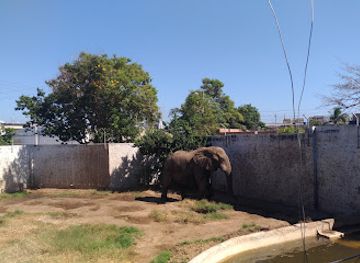
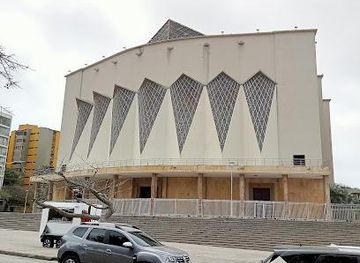
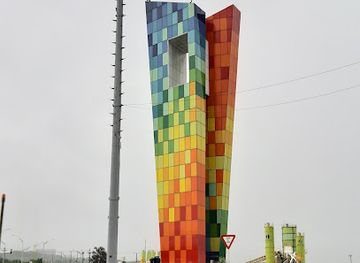
Barranquilla’s principal attractions reflect its riverfront setting and Caribbean culture. The Gran Malecón offers a broad promenade beside the Magdalena, with public spaces, sculptures, food outlets and views towards the river mouth. Nearby, the colourful Ventana al Mundo provides a contemporary emblem of the city, particularly striking after dark. In Barrio Abajo, the Casa del Carnaval introduces the costumes, characters and dance traditions of the city’s celebrated festival, while the Museo Romántico presents local memorabilia and stories connected with Barranquilla’s cultural life. The leafy El Prado district rewards slower exploration of republican-era residences and avenues. Families may visit the Barranquilla Zoológico, while the historic centre contains the Iglesia de San Nicolás and other civic landmarks. Excursions towards Bocas de Cenizas reveal the meeting of river and sea, although this is a distinct riverside outing rather than a conventional central-city attraction.
-
Stadium
Roberto Melendez Metropolitan Stadium
Experience the vibrant atmosphere of Roberto Melendez Metropolitan Stadium, the heart of sports culture in Barranquilla, Colombia, where passion and excitement collide.
12 min drive · 4.1 km from city centre
-
Park
Gran Malecón
Explore Gran Malecón in Barranquilla for breathtaking river views, vibrant culture, and a delightful outdoor experience that captures the essence of Colombia.
21 min drive · 6.9 km from city centre
-
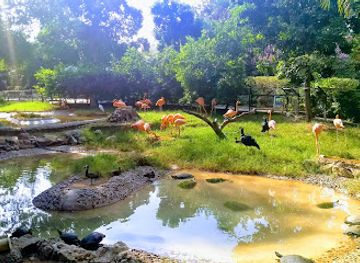
Zoo
Zoológico de Barranquilla
Discover the rich biodiversity at Zoológico de Barranquilla, a premier zoo experience in Colombia with engaging exhibits and family-friendly activities.
16 min drive · 5.3 km from city centre
-
Park
Plaza de la Paz - John Paul II
Discover the serene beauty of Plaza de la Paz - John Paul II in Barranquilla, where art, nature, and culture unite in a vibrant urban oasis.
8 min drive · 2.8 km from city centre


Best landmarks in Barranquilla
Barranquilla’s landmarks express its history as a commercial port and cultural meeting point. The Iglesia de San Nicolás de Tolentino anchors the historic centre and is associated with the city’s early civic development, while the former Intendencia Fluvial and the Aduana district recall the administrative and trading systems that connected the Magdalena with international commerce. El Prado’s grand residences and institutional buildings represent the prosperity and architectural ambition of the early twentieth century, when migration and trade reshaped the city. The Estación Montoya is a surviving reminder of the railway era that linked Barranquilla’s river traffic with the Caribbean harbour at Puerto Colombia. In a more contemporary register, the colourful Ventana al Mundo stands as a civic symbol of modern Barranquilla. The Gran Malecón, though principally a public promenade, has become an important physical expression of the city’s renewed relationship with the river.
-
Shopping mall
Portal del Prado Centro Comercial
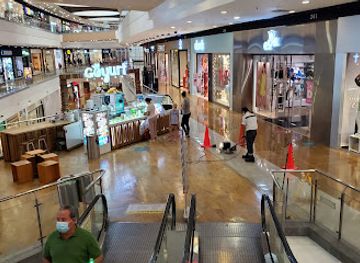
Explore the dynamic Portal del Prado Centro Comercial in Barranquilla, Colombia, where shopping, dining, and local culture come together in a vibrant setting.
9 min drive · 3.0 km from city centre
-
Park
Gran Malecón
Experience the vibrant culture and stunning views at Gran Malecón, Barranquilla's premier park and cultural hub along the Magdalena River.
21 min drive · 6.9 km from city centre
-
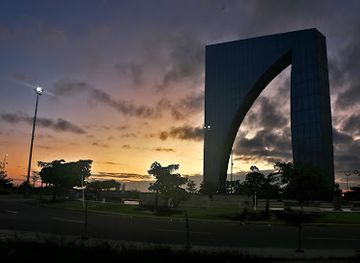
Monument
Monumento Ventana al Mundo
Explore Barranquilla's vibrant cultural landscape at the Monumento Ventana al Mundo, an iconic monument that celebrates unity and artistic expression.
26 min drive · 8.6 km from city centre
-
Zoo
Zoológico de Barranquilla
Explore the exotic wildlife and educational exhibits at Zoológico de Barranquilla, a top tourist attraction in Colombia's vibrant coastal city.
16 min drive · 5.3 km from city centre

Explore Barranquilla on the map
Plan your Barranquilla trip on one map. See where the top attractions, landmarks, restaurants, bars and hotels are, find what's near where you're staying, and book hotels and experiences in a few clicks.
Neighbourhoods in Barranquilla
-

-

-

-

-


Swipe for more neighbourhoods
Best hotels in Barranquilla
Best restaurants in Barranquilla
Barranquilla’s food culture belongs to Colombia’s Caribbean coast, combining river and sea produce with cassava, plantain, maize and influences brought by migration. Local specialities include arepa de huevo, a corn cake filled with egg; carimañola, a cassava fritter; bollo de mazorca; arroz de lisa made with mullet; and fried fish served with coconut rice, salad and patacones. Butifarras associated with nearby Soledad, enyucado and kibbeh also reflect the region’s broader culinary exchange. Traditional eateries and market stalls provide the most direct introduction to costeño flavours, while districts such as El Prado, Alto Prado, Riomar and Las Flores offer a wider range of seafood, Colombian cooking and contemporary restaurants. Barranquilla’s cafés and bakeries are also useful places to encounter snacks and fresh juices during the heat of the day.
-
Restaurant
Caimán del Río
Discover the rich flavors of Colombia at Caimán del Río, where culinary diversity meets warm hospitality in Barranquilla.
20 min drive · 6.6 km from city centre
-
Colombian
Narcobollo Barranquilla
Experience authentic Colombian flavors at Narcobollo Barranquilla, where delicious Caribbean dishes meet vibrant local culture.
14 min drive · 4.8 km from city centre
-
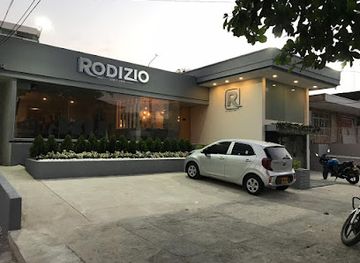
Restaurant
Rodizio carne e Vinho barranquilla
Experience the best of Brazilian barbecue at Rodizio Carne e Vinho in Barranquilla – where flavor meets tradition.
13 min drive · 4.4 km from city centre
-
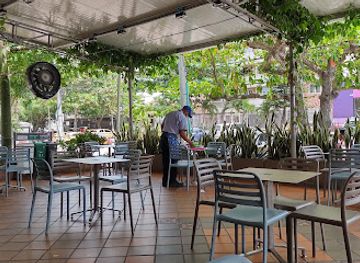
Restaurant
Varadero
Discover Varadero: A culinary haven in Barranquilla serving authentic Caribbean and Colombian flavors in a vibrant setting.
14 min drive · 4.6 km from city centre
Best bars in Barranquilla
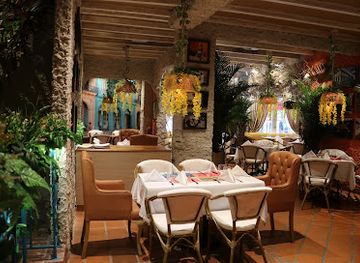
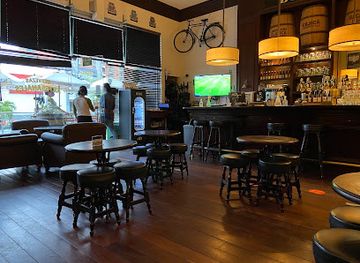
Barranquilla’s evenings are shaped by music, social dancing and warm-weather outdoor life rather than by a single concentrated nightlife quarter. The area around Calle 84 and Parque Washington contains restaurants, bars and lounges, while northern districts offer cocktail venues and contemporary nightlife. Salsa has a particularly strong presence: La Troja is an enduring cultural reference associated with dancing and records, and its surroundings reflect the city’s long relationship with Afro-Caribbean sounds. Barrio Abajo becomes especially animated around Carnival-related events and cultural performances, although activity varies by season. Vallenato, cumbia, porro and commercial Caribbean music appear across the city’s venues. Theatre, concerts and public events provide alternatives to clubbing, while visitors should use arranged transport at night and check current venue details rather than assuming late opening or entry conditions.
-
Bar
LA TROJA- ´Patrimonio musical y cultural de barranquilla.
Experience the rhythms of Barranquilla at La Troja, a vibrant bar and musical club celebrating Colombia's rich cultural heritage.
11 min drive · 3.6 km from city centre
-
Bar
Bourbon St. Bar Restaurante Barranquilla
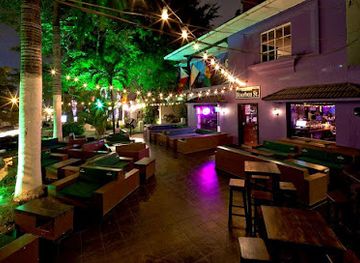
Discover the lively nightlife of Barranquilla at Bourbon St. Bar Restaurante, where great drinks and live music create unforgettable experiences.
12 min drive · 4.1 km from city centre
-
Grill
Johnny Maracas | Restaurante Bar, Karaoke
Dive into the lively spirit of Barranquilla at Johnny Maracas, where delicious grilled meals meet unforgettable karaoke nights.
12 min drive · 3.8 km from city centre
-
Pub
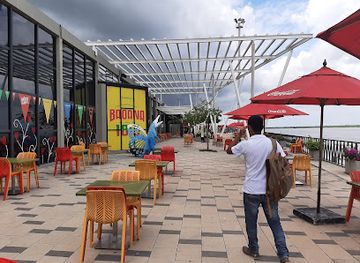
Bogota Beer Company
Experience the vibrant craft beer culture at Bogota Beer Company, the go-to pub in Barranquilla for beer lovers and food enthusiasts.
15 min drive · 5.1 km from city centre
Best nightclubs in Barranquilla
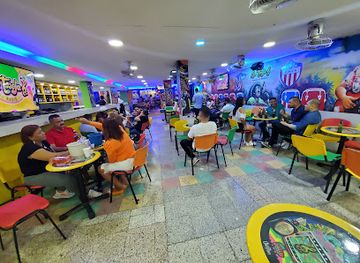
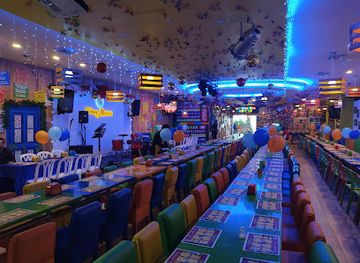
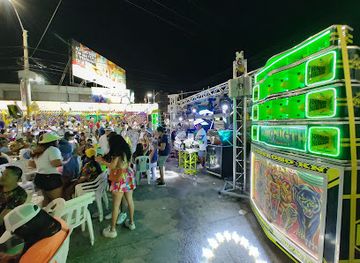
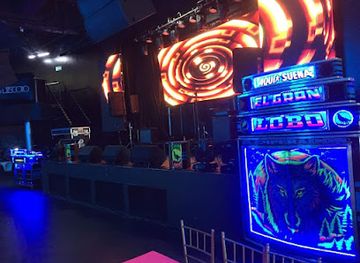
Barranquilla’s evenings are shaped by music, social dancing and warm-weather outdoor life rather than by a single concentrated nightlife quarter. The area around Calle 84 and Parque Washington contains restaurants, bars and lounges, while northern districts offer cocktail venues and contemporary nightlife. Salsa has a particularly strong presence: La Troja is an enduring cultural reference associated with dancing and records, and its surroundings reflect the city’s long relationship with Afro-Caribbean sounds. Barrio Abajo becomes especially animated around Carnival-related events and cultural performances, although activity varies by season. Vallenato, cumbia, porro and commercial Caribbean music appear across the city’s venues. Theatre, concerts and public events provide alternatives to clubbing, while visitors should use arranged transport at night and check current venue details rather than assuming late opening or entry conditions.
-
Night club
LA TROJA- ´Patrimonio musical y cultural de barranquilla.
Experience the vibrant nightlife and rich musical culture at La Troja, Barranquilla's iconic night club and cultural gem.
11 min drive · 3.6 km from city centre
-
Disco club
Trucupey Latin Disco
Experience the vibrant nightlife of Barranquilla at Trucupey Latin Disco, where Latin rhythms and unforgettable memories await you.
9 min drive · 3.0 km from city centre
-
Disco club
Díscolo
Experience the heartbeat of Barranquilla's nightlife at Díscolo, a premier disco club in the heart of the city.
18 min drive · 6.1 km from city centre
-
Bar
Lives Megaclub
Dive into Barranquilla's vibrant nightlife at Lives Megaclub, where electrifying music, delicious drinks, and unforgettable memories await.
12 min drive · 3.8 km from city centre

Best shops in Barranquilla
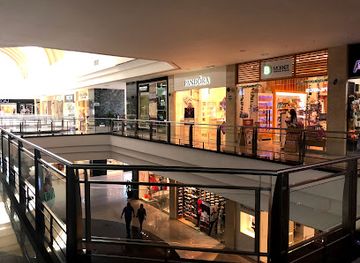
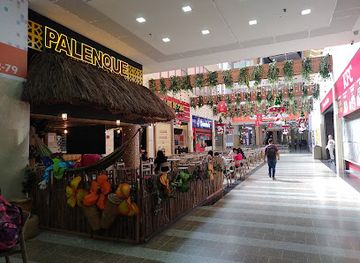
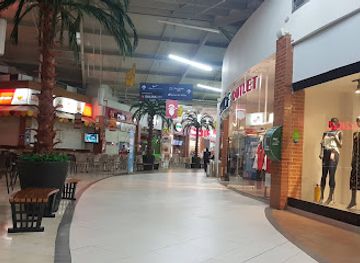
Shopping in Barranquilla ranges from traditional central streets and small specialist businesses to modern retail complexes in the northern districts. The Centro remains useful for practical purchases, local commerce and older shopfronts, while the areas around Calle 72 and the northern commercial corridors contain independent retailers, cafés and department-style stores. Buenavista and Viva Barranquilla provide air-conditioned shopping, dining and entertainment in a contemporary setting. Travellers seeking regional goods can look for Caribbean food products, woven items, hats, jewellery, leatherwork and Carnival-related crafts, bearing in mind that some Colombian handicrafts originate elsewhere in the country. The city’s markets and neighbourhood shops are also places to find packaged sweets, coffee and coastal ingredients. Bargaining is not a universal custom in formal shops, but prices may be more flexible with independent sellers when purchases are made respectfully.
-
Shopping mall
Viva Shopping Mall
Explore the vibrant Viva Shopping Mall in Barranquilla for an unforgettable shopping experience filled with diverse stores, delicious food, and family-friendly fun.
17 min drive · 5.7 km from city centre
-
Shopping mall
Centro Comercial Buenavista
Discover the vibrant shopping scene at Centro Comercial Buenavista in Barranquilla, featuring diverse brands, delicious dining, and exciting entertainment options.
19 min drive · 6.5 km from city centre
-
Shopping mall
Portal del Prado Centro Comercial
Explore the vibrant shopping experience at Portal del Prado Centro Comercial in Barranquilla, where shopping, dining, and entertainment come together.
9 min drive · 3.0 km from city centre
-
Outlet mall
UNICO OUTLET - Mall
Discover unbeatable deals and a delightful dining experience at UNICO Outlet, the premier shopping destination in Barranquilla.
10 min drive · 3.3 km from city centre
Get your free copy of our complete guide to Barranquilla, delivered straight to you.
Everything on this page, from attractions and restaurants to essentials and local phrases, in one PDF you can read offline, print or share.
Already have an account? Sign in
Your Barranquilla guide is ready.
We'll send it to · Not you? Sign out

Getting your guide ready…
We are putting together a fresh copy of the Barranquilla guide. This can take up to a minute.
This can take a few moments. If your browser asks, choose Allow so the download can start. You'll find the guide in your Downloads folder.
Nothing happened? Download it again
Sorry, the guide is taking longer than usual. Please try again in a minute, or get it by email instead.
Barranquilla essentials
Currency and Payment
Safety
Emergency Situations
Do's and Don'ts
Local Tips
From Eve
Local phrases worth knowing
You don't need to get them perfect. A few words go a long way, and locals appreciate the effort.
Basics
| English | Local | Say it |
|---|---|---|
| Hello | Hola | [oh-lah] |
| Goodbye | Adiós | [ah-dee-ohs] |
| Yes | Sí | [see] |
| No | No | [noh] |
| Please/You're welcome | Por favor/De nada | [por fah-vohr/de nah-dah] |
| Thank you | Gracias | [grah-see-ahs] |
| Excuse me/Sorry | Perdón/Lo siento | [pehr-dohn/loh see-ehn-toh] |
| How are you? | ¿Cómo estás? | [koh-moh ehs-tahs] |
| Fine. And you? | Bien. ¿Y tú? | [byen. ee too] |
| Do you speak English? | ¿Hablas inglés? | [ah-blahs een-glehs] |
| I don't understand | No entiendo | [noh ehn-tee-ehn-doh] |
Eating & Drinking
| English | Local | Say it |
|---|---|---|
| I'd like to see the menu, please | Me gustaría ver el menú, por favor | [meh goo-stah-ree-ah vehr ehl meh-noo, por fah-vohr] |
| I don't eat meat | No como carne | [noh koh-moh kahr-neh] |
| Cheers! | ¡Salud! | [sah-loohd] |
| I would like to pay, please | Me gustaría pagar, por favor | [meh goo-stah-ree-ah pah-gahr, por fah-vohr] |
Emergencies
| English | Local | Say it |
|---|---|---|
| Help! | ¡Ayuda! | [ah-yoo-dah] |
| Go away! | ¡Vete! | [veh-teh] |
| Call the Police! | ¡Llama a la Policía! | [yah-mah ah lah poh-lee-see-ah] |
| Call a doctor! | ¡Llama a un médico! | [yah-mah ah oon meh-dee-koh] |
| I'm lost | Estoy perdido | [ehs-toy pehr-dee-doh] |
| I'm ill | Estoy enfermo | [ehs-toy ehn-fehr-moh] |
Shopping
| English | Local | Say it |
|---|---|---|
| I'd like to buy... | Me gustaría comprar... | [meh goo-stah-ree-ah kohm-prahr] |
| I'm just looking | Solo estoy mirando | [soh-loh ehs-toy mee-rahn-doh] |
| How much is it? | ¿Cuánto cuesta? | [kwahn-toh kweh-stah] |
| That's too expensive | Eso es demasiado caro | [eh-soh ehs deh-mah-see-ah-doh kah-roh] |
| Can you lower the price? | ¿Puede bajar el precio? | [pweh-deh bah-hahr ehl preh-see-oh] |
Time & Numbers
| English | Local | Say it |
|---|---|---|
| What time is it? | ¿Qué hora es? | [keh oh-rah ehs] |
| It's one o'clock | Es la una | [ehs lah oo-nah] |
| Half past (10) | Son las diez y media | [sohn lahs dyehs ee meh-dee-ah] |
| Morning | Mañana | [mah-nyah-nah] |
| Afternoon | Tarde | [tahr-deh] |
| Evening | Noche | [noh-cheh] |
| Yesterday | Ayer | [ah-yehr] |
| Today | Hoy | [oy] |
| Tomorrow | Mañana | [mah-nyah-nah] |
| 1 | Uno | [oo-noh] |
| 2 | Dos | [dohs] |
| 3 | Tres | [trehs] |
| 4 | Cuatro | [kwah-troh] |
| 5 | Cinco | [seen-koh] |
| 6 | Seis | [seys] |
| 7 | Siete | [syeh-teh] |
| 8 | Ocho | [oh-choh] |
| 9 | Nueve | [nweh-veh] |
| 10 | Diez | [dyehs] |
Transport & Directions
| English | Local | Say it |
|---|---|---|
| Where's a/the...? | ¿Dónde está...? | [dohn-deh ehs-tah] |
| What's the address? | ¿Cuál es la dirección? | [kwahl ehs lah dee-rehk-syohn] |
| Can you show me (on the map)? | ¿Puedes mostrarme (en el mapa)? | [pweh-dehs mohs-trar-meh (ehn ehl mah-pah)] |
| When's the next (bus)? | ¿Cuándo es el próximo (autobús)? | [kwahn-doh ehs ehl proh-ksee-moh (ow-toh-boos)] |
| A ticket (to ....) | Un boleto (para ....) | [oon boh-leh-toh (pah-rah)] |
History of Barranquilla
Mokaná Territory and Early Settlement
The lower Magdalena region around present-day Barranquilla was inhabited by Mokaná communities before Spanish colonisation. The area’s waterways, marshes and access to the river supported fishing, farming and regional exchange, although it did not develop as a major Spanish colonial capital in the manner of Cartagena or Santa Marta. Spanish settlement grew gradually around small riverside and inland holdings during the seventeenth and eighteenth centuries. Barranquilla’s early history is therefore associated less with a single formal foundation than with scattered settlement and the gradual emergence of a community positioned between the Magdalena and the Caribbean. This riverine setting later became the basis for the city’s commercial importance.
The Rise of a Commercial Community
Barranquilla expanded during the late colonial and early republican periods as merchants and transport workers exploited its position on the Magdalena River. It received the status of villa in 1813 during the independence era and was formally recognised as a city in 1857. River transport connected the interior with the Caribbean coast, enabling the movement of coffee, tobacco, hides and other exports. Barranquilla’s population also grew through migration from other parts of Colombia and from Europe, the Middle East and the Caribbean. This mixture helped create the city’s commercially minded, outward-looking culture and contributed to the varied culinary and musical traditions visible today.
Railways, Steamships and the Port
The nineteenth century transformed Barranquilla into one of Colombia’s principal gateways to international trade. A railway linking the city with the harbour at Sabanilla, in the area of present-day Puerto Colombia, opened in 1871 and reduced the difficulties of moving goods between the river and the sea. Steam navigation on the Magdalena further strengthened connections with the interior. Customs buildings, warehouses, commercial offices and transport infrastructure followed this growth, while the city became an important entry point for imported goods, new technologies and immigrant communities. The former customs complex and railway heritage around the Aduana district recall this period of rapid economic expansion.
Immigration and Urban Modernisation
From the late nineteenth century into the twentieth, Barranquilla attracted merchants and workers from the Caribbean, Europe and the Middle East, alongside migrants from Colombia’s interior. Their businesses and institutions contributed to the city’s commercial networks, religious diversity and food culture. Wealth generated by trade helped finance schools, clubs, theatres and substantial residences, particularly in districts such as El Prado. Barranquilla also became an early centre for aviation and industrial enterprise in Colombia. Its modern identity consequently grew from commerce and migration rather than from a preserved colonial core, leaving an urban landscape of republican houses, port infrastructure and later twentieth-century development.
Carnival Becomes a Civic Tradition
Barranquilla Carnival developed from nineteenth-century festive customs, including dances, masquerades and public celebrations associated with the Caribbean’s pre-Lenten season. Over time, neighbourhood groups, musicians, artisans and community organisations shaped the event into a large civic festival with distinctive characters, dance traditions and competing comparsas. Cumbia, garabato, mapalé and other regional forms became part of its expressive repertoire, while figures such as the Marimonda acquired a specifically Barranquillero resonance. The festival was declared a Masterpiece of the Oral and Intangible Heritage of Humanity by UNESCO in 2003 and remains central to the city’s cultural identity.
Contemporary Renewal beside the River
During the later twentieth century, changes in national transport patterns and port logistics reduced some of Barranquilla’s earlier commercial dominance, while parts of the historic centre faced economic decline. In the twenty-first century, public investment and private development have sought to reconnect the city with the Magdalena waterfront and strengthen cultural infrastructure. The Gran Malecón, opened in stages from 2017, represents this renewed relationship with the river, while new public spaces and landmarks such as Ventana al Mundo project a contemporary image. Barranquilla today remains a major industrial and commercial centre whose identity continues to combine migration, music, river trade and Caribbean urban life.
Barranquilla in Photos
Browse through our photo collection highlighting the charm and character of the destination.
Cities near Barranquilla
The closest cities to Barranquilla, if you have time for more than one stop.
-

-
-

-

-


Swipe for more cities

