

Free Sierra Nevada de Santa Marta Travel Guide & Mobile App
Explore Sierra Nevada de Santa Marta with free travel guides. Discover regional history, expert tips, proposed trips, and audio guides on web or mobile app.


Discover the majestic Sierra Nevada de Santa Marta in Colombia: a blend of stunning landscapes, rich cultural heritage, and diverse wildlife in the world's highest coastal range.
Read more about Sierra Nevada de Santa Marta
When is the best time to visit Sierra Nevada de Santa Marta?
Best: November–January · 29°C| Month | High (°C) | Rainfall (mm) |
|---|---|---|
| January (best) | 29 | 15 |
| February | 30 | 20 |
| March | 30 | 25 |
| April | 31 | 30 |
| May | 31 | 35 |
| June | 32 | 40 |
| July | 31 | 35 |
| August | 31 | 30 |
| September | 30 | 25 |
| October | 30 | 20 |
| November (best) | 29 | 15 |
| December (best) | 29 | 10 |
Getting to and around Sierra Nevada de Santa Marta
How to get there
Transportation
Top city travel guides in Sierra Nevada de Santa Marta
The cities of Sierra Nevada de Santa Marta, and the easiest places to base yourself.

Swipe for more cities
Destinations in Sierra Nevada de Santa Marta
Resorts, valleys and scenic spots worth a trip of their own.
-
-


Swipe for more destinations
Best attractions in Sierra Nevada de Santa Marta
Nestled in the heart of Colombia, the Sierra Nevada de Santa Marta offers visitors an unparalleled blend of natural beauty and rich cultural heritage. Expect to be mesmerized by the towering snow-capped peaks, pristine rivers, and lush tropical forests that provide a stunning backdrop for an array of outdoor activities like hiking, bird-watching, and exploring hidden waterfalls. The region is also home to the ancient Lost City (Ciudad Perdida), a mystical archaeological site older than Machu Picchu, where you can delve into the history of the indigenous Tayrona civilization. Additionally, the charming local villages offer a unique opportunity to experience traditional crafts, vibrant festivals, and the warm hospitality of the Kogi and Arhuaco peoples. Whether you're an adventure seeker or a history enthusiast, the Sierra Nevada de Santa Marta promises a journey filled with discovery and wonder.
-
National park
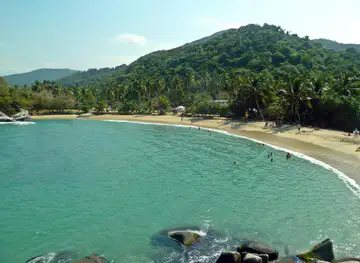
Tayrona Park entrance
Discover Tayrona Park: Where rainforest meets the Caribbean coast. Explore pristine beaches, ancient ruins, and vibrant ecosystems in Colombia's natural paradise.
-
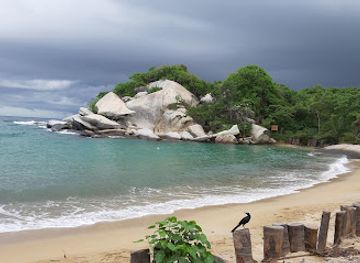
Beach
Playa Buritaca
Discover the serene beauty of Playa Buritaca, where the river flows into the sea, offering a unique Caribbean escape.
-
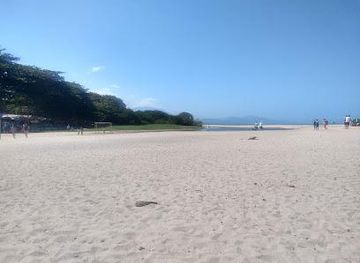
Playa Bello Horizonte
Discover the breathtaking Playa Bello Horizonte, a gem of Santa Marta, where sun, sand, and culture meet for an unforgettable beach experience.
-
Tourist attraction
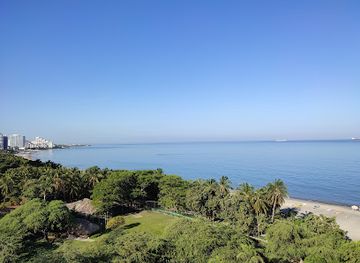
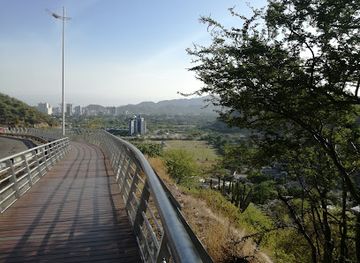
Cerro Ziruma
Experience the breathtaking views and serene atmosphere of Cerro Ziruma, a must-visit natural wonder in Santa Marta, Colombia.
Best landmarks in Sierra Nevada de Santa Marta
Nestled in the heart of Colombia, the Sierra Nevada de Santa Marta offers a mesmerizing tapestry of nature and history, where snow-capped peaks tower above tropical rainforests and ancient archaeological wonders. Visitors can explore the Lost City (Ciudad Perdida), an enigmatic pre-Columbian site shrouded in the mysteries of the Tayrona civilization, accessed through a thrilling multi-day jungle trek. The region's biodiversity is unparalleled, with endemic species found nowhere else on Earth, making it a paradise for birdwatchers and wildlife enthusiasts. The picturesque coastal town of Santa Marta serves as a gateway to the pristine beaches of Tayrona National Park, where turquoise waters and golden sands meet lush, verdant mountains. Cultural richness abounds in the indigenous villages, where the Kogi and Arhuaco people maintain their traditional way of life, offering a unique window into Colombia's living heritage. Whether you're drawn by the allure of ancient ruins, the call of the wild, or the serene beauty of its landscapes, the Sierra Nevada de Santa Marta promises an unforgettable adventure.
-
National park
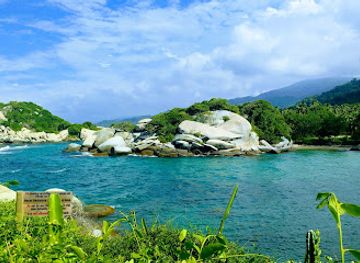
Parque Nacional Natural Tayrona
Explore the breathtaking natural beauty and cultural heritage of Parque Nacional Natural Tayrona, a national park in Colombia's Caribbean region.
-
Tourist attraction
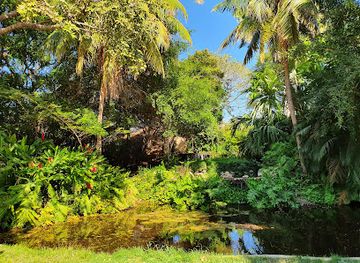
Quinta de San Pedro Alejandrino
Explore the enchanting Quinta de San Pedro Alejandrino, a historical and botanical haven in Santa Marta, rich with art and Colombian heritage.
-
Museum
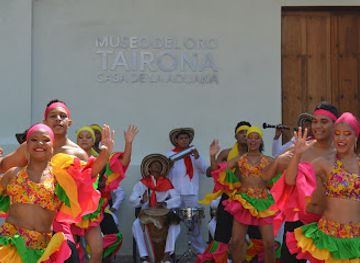
Museo del Oro Tairona - Casa de la Aduana
Explore the ancient treasures of the Tairona civilization at Museo del Oro Tairona, a captivating museum in Santa Marta showcasing extraordinary gold artifacts.
-
Travel agency
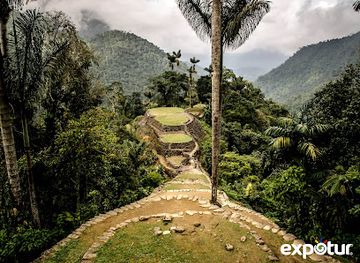
Expotur - Operador autorizado a Ciudad Perdida
Discover the Lost City with Expotur, the authorized operator for unforgettable treks through Colombia's stunning jungles and rich history.
Explore Sierra Nevada de Santa Marta on the map
Plan your trip on one map. See where the top cities, national parks and sights are, and book hotels and experiences in a few clicks.
Best hotels in Sierra Nevada de Santa Marta
Best restaurants in Sierra Nevada de Santa Marta
Nestled within the lush landscapes of Sierra Nevada de Santa Marta, the dining scene is a vibrant fusion of indigenous flavors, coastal seafood, and farm-to-table freshness that promises a culinary adventure like no other. Travelers can savor traditional Colombian dishes, such as arepas and bandeja paisa, infused with the rich, earthy ingredients harvested from the surrounding mountains. Coastal influences bring an array of fresh seafood, with ceviche and fried fish being local favorites, often accompanied by the sweet and tangy taste of tropical fruits. The high-altitude coffee plantations also offer an unparalleled experience for coffee enthusiasts, providing aromatic brews that capture the essence of the region. Whether dining in rustic eateries in quaint villages or enjoying gourmet meals in eco-lodges, visitors will find that each meal tells a story of the land and its people, making every bite an exploration of culture and tradition.
-
Pizza
Artesanal Restobar
Discover the flavors of Italy with a local twist at Artesanal Restobar in Santa Marta—where great pizza meets vibrant entertainment.
-
Restaurant
Crepes & Waffles Zazué
Experience the best of Colombian cuisine at Crepes & Waffles Zazué, where every bite is a celebration of flavor and freshness.
-
Restaurant
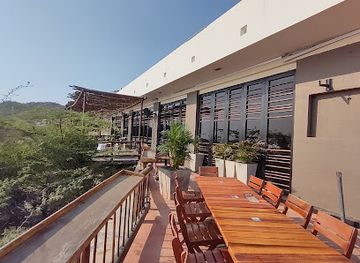
BK
Experience culinary excellence at BK in Santa Marta—a vibrant restaurant and bar offering exquisite dishes and unforgettable nightlife.
-
Grill
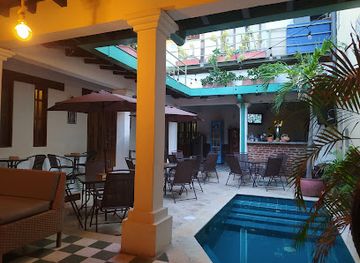
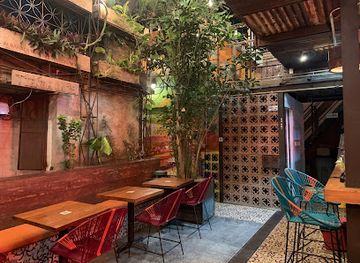
Lulo Café Bar
Discover authentic Colombian flavors at Lulo Café Bar in Santa Marta - where every meal is a celebration!
Best bars in Sierra Nevada de Santa Marta
As the sun dips behind the majestic peaks of the Sierra Nevada de Santa Marta, the region transforms into a vibrant haven for night owls eager to experience its unique nightlife. Visitors can expect an eclectic mix of rustic jungle bars where live traditional Colombian music fills the air, and chic, modern lounges offering panoramic views of the rolling hills and coastline. The towns nestled within the Sierra Nevada, such as Minca and Palomino, boast an array of intimate venues where travelers can savor artisan cocktails crafted from local fruits and herbs, dance to the rhythms of cumbia and vallenato, or relax by bonfires under a starlit sky. Whether you are mingling with locals in a lively open-air bar or enjoying a quiet nightcap in a secluded mountain retreat, the nightlife here is an enchanting blend of cultural richness and natural beauty.
-
Mediterranean
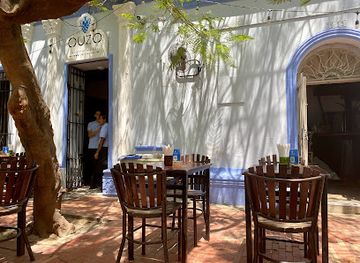
Ouzo Santa Marta
Experience the vibrant flavors of Mediterranean cuisine at Ouzo Santa Marta, a culinary hotspot in the heart of Santa Marta, Colombia.
-
Bar
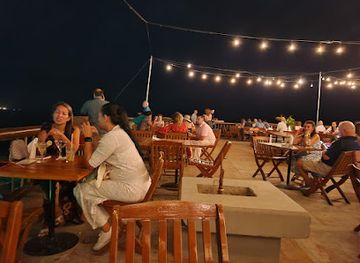
BK
Discover BK in Santa Marta: A premier bar and restaurant offering a vibrant atmosphere, delicious cuisine, and stunning views of the Caribbean.
-
Grill
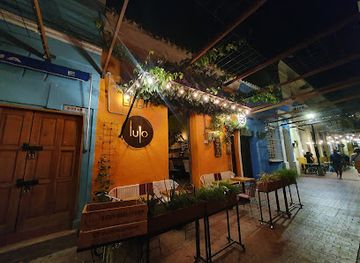
Lulo Café Bar
Experience the vibrant flavors of Colombia at Lulo Café Bar in Santa Marta, where delicious grilled dishes and a lively atmosphere await.
-
Bar
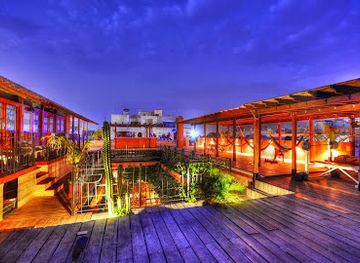
La Brisa Loca
Discover the vibrant nightlife and social atmosphere at La Brisa Loca, Santa Marta's premier bar and hostel where adventure meets relaxation.
Best nightclubs in Sierra Nevada de Santa Marta
As the sun dips behind the majestic peaks of the Sierra Nevada de Santa Marta, the region transforms into a vibrant haven for night owls eager to experience its unique nightlife. Visitors can expect an eclectic mix of rustic jungle bars where live traditional Colombian music fills the air, and chic, modern lounges offering panoramic views of the rolling hills and coastline. The towns nestled within the Sierra Nevada, such as Minca and Palomino, boast an array of intimate venues where travelers can savor artisan cocktails crafted from local fruits and herbs, dance to the rhythms of cumbia and vallenato, or relax by bonfires under a starlit sky. Whether you are mingling with locals in a lively open-air bar or enjoying a quiet nightcap in a secluded mountain retreat, the nightlife here is an enchanting blend of cultural richness and natural beauty.
-
Hostel
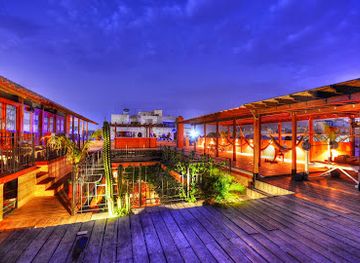
La Brisa Loca
Experience the lively ambiance of La Brisa Loca, a unique hostel and nightlife venue in Santa Marta, offering unforgettable moments in a tropical paradise.
-
Bar
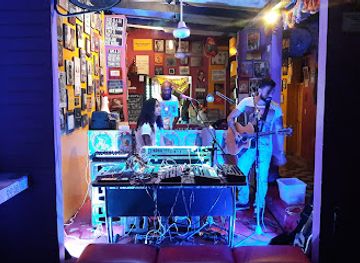
La Puerta
Discover the vibrant nightlife at La Puerta, a lively bar in Santa Marta offering an unforgettable atmosphere with great drinks and music.
-
Bar
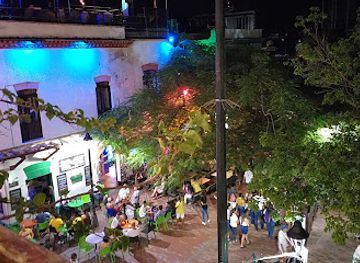
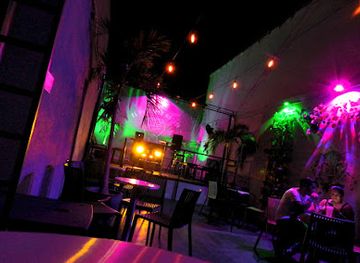
La Azotea Disco Bar Santa Marta
Discover the lively nightlife of Santa Marta at La Azotea Disco Bar, where exquisite cocktails and vibrant dance beats create unforgettable memories.
-
Disco club
El Mono ROjo
Discover the electrifying nightlife at El Mono ROjo, Santa Marta's top disco club and bar, where music and fun come alive every night.
Best shops in Sierra Nevada de Santa Marta
The shopping scene in Sierra Nevada de Santa Marta is a vibrant tapestry of local craftsmanship and cultural heritage. Visitors can explore bustling marketplaces filled with colorful handmade textiles, intricate beadwork, and traditional mochilas (woven bags) crafted by the indigenous Kogi, Arhuaco, and Wiwa communities. Artisanal stalls offer unique treasures like organic coffee, cacao, and natural beauty products derived from the region's rich biodiversity. Small boutiques and open-air markets showcase a blend of modern and ancestral crafts, providing an authentic shopping experience that captures the essence of the Sierra Nevada's diverse culture and breathtaking landscapes.
-
National park
Parque Nacional Natural Tayrona
Explore the biodiversity and stunning beaches of Parque Nacional Natural Tayrona, Colombia's treasure for nature lovers and adventure seekers.
-
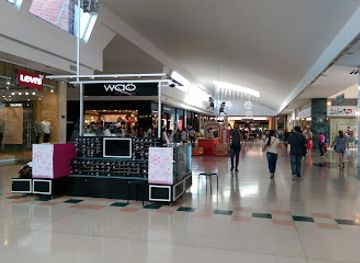
Shopping mall
Centro Comercial Buenavista
Discover the ultimate shopping experience at Centro Comercial Buenavista: Santa Marta's vibrant hub for retail, dining, and entertainment.
-
Supermarket
Éxito Buenavista Santa Marta
Explore the vibrant Éxito Buenavista in Santa Marta: a one-stop marketplace for fresh food, unique crafts, and local shopping experiences.
-
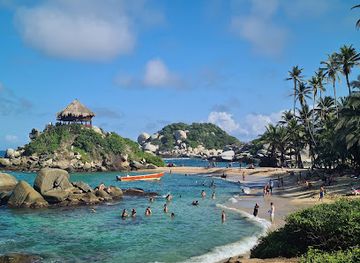
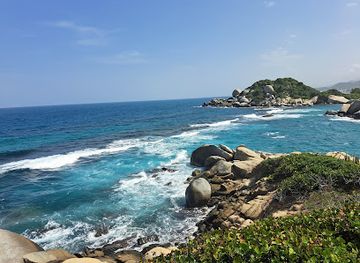
National park
Tayrona Park entrance
Tayrona Park: A breathtaking national park in Colombia, showcasing stunning beaches, lush jungles, and rich cultural heritage.

Get your free copy of our complete guide to Sierra Nevada de Santa Marta, delivered straight to you.
Everything on this page, from attractions and restaurants to essentials and local phrases, in one PDF you can read offline, print or share.
Already have an account? Sign in
Your Sierra Nevada de Santa Marta guide is ready.
We'll send it to · Not you? Sign out

Getting your guide ready…
We are putting together a fresh copy of the Sierra Nevada de Santa Marta guide. This can take up to a minute.
This can take a few moments. If your browser asks, choose Allow so the download can start. You'll find the guide in your Downloads folder.
Nothing happened? Download it again
Sorry, the guide is taking longer than usual. Please try again in a minute, or get it by email instead.
Sierra Nevada de Santa Marta essentials
Currency and Payment
Safety
Emergency Situations
Do's and Don'ts
Local Tips
From Eve
Local phrases worth knowing
You don't need to get them perfect. A few words go a long way, and locals appreciate the effort.
Basics
| English | Local | Say it |
|---|---|---|
| Hello | Hola | [Ola] |
| Goodbye | Adiós | [Adios] |
| Yes | Sí | [Si] |
| No | No | [No] |
| Please/You're welcome | Por favor | [Por favor] |
| Thank you | Gracias | [Grasias] |
| Excuse me/Sorry | Disculpe | [Disculpe] |
| How are you? | ¿Cómo estás? | [Como estas] |
| Fine. And you? | Bien. ¿Y tú? | [Bien. Y tu] |
| Do you speak English? | ¿Hablas inglés? | [Hablas ingles] |
| I don't understand | No entiendo | [No entiendo] |
Eating & Drinking
| English | Local | Say it |
|---|---|---|
| I'd like to see the menu, please | Me gustaría ver el menú, por favor | [Me gustaria ver el menu, por favor] |
| I don't eat meat | No como carne | [No como carne] |
| Cheers! | ¡Salud! | [Salud] |
| I would like to pay, please | Me gustaría pagar, por favor | [Me gustaria pagar, por favor] |
Emergencies
| English | Local | Say it |
|---|---|---|
| Help! | ¡Ayuda! | [Ayuda] |
| Go away! | ¡Vete! | [Vete] |
| Call the Police! | ¡Llama a la policía! | [Llama a la policia] |
| Call a doctor! | ¡Llama a un doctor! | [Llama a un doctor] |
| I'm lost | Estoy perdido | [Estoy perdido] |
| I'm ill | Estoy enfermo | [Estoy enfermo] |
Shopping
| English | Local | Say it |
|---|---|---|
| I'd like to buy... | Me gustaría comprar... | [Me gustaria comprar] |
| I'm just looking | Solo estoy mirando | [Solo estoy mirando] |
| How much is it? | ¿Cuánto cuesta? | [Cuanto cuesta] |
| That's too expensive | Eso es demasiado caro | [Eso es demasiado caro] |
| Can you lower the price? | ¿Puedes bajar el precio? | [Puedes bajar el precio] |
Time & Numbers
| English | Local | Say it |
|---|---|---|
| What time is it? | ¿Qué hora es? | [Que hora es] |
| It's one o'clock | Es la una | [Es la una] |
| Half past (10) | Y media | [Y media] |
| Morning | Mañana | [Manana] |
| Afternoon | Tarde | [Tarde] |
| Evening | Noche | [Noche] |
| Yesterday | Ayer | [Ayer] |
| Today | Hoy | [Hoy] |
| Tomorrow | Mañana | [Manana] |
| 1 | Uno | [Uno] |
| 2 | Dos | [Dos] |
| 3 | Tres | [Tres] |
| 4 | Cuatro | [Cuatro] |
| 5 | Cinco | [Cinco] |
| 6 | Seis | [Seis] |
| 7 | Siete | [Siete] |
| 8 | Ocho | [Ocho] |
| 9 | Nueve | [Nueve] |
| 10 | Diez | [Diez] |
Transport & Directions
| English | Local | Say it |
|---|---|---|
| Where's a/the...? | ¿Dónde hay un...? | [Donde hay un] |
| What's the address? | ¿Cuál es la dirección? | [Cual es la direccion] |
| Can you show me (on the map)? | ¿Puedes mostrarme (en el mapa)? | [Puedes mostrarme en el mapa] |
| When's the next (bus)? | ¿Cuándo es el próximo (autobús)? | [Cuando es el proximo autobus] |
| A ticket (to ....) | Un boleto (a ...) | [Un boleto a] |
History of Sierra Nevada de Santa Marta
Ancient Civilizations: The Tayrona
Long before the arrival of the Spanish conquistadors, the Sierra Nevada de Santa Marta was home to the Tayrona civilization. This indigenous group built advanced cities, such as the famous Ciudad Perdida (Lost City), which flourished around 800 AD. The Tayrona were known for their sophisticated agricultural techniques, intricate goldwork, and complex social structures. Their descendants, including the Kogi, Arhuaco, Wiwa, and Kankuamo, still inhabit the region and continue to preserve their cultural heritage.
The Spanish Conquest
In the early 16th century, Spanish explorers, led by Rodrigo de Bastidas, arrived in the region, seeking gold and new territories. The Spanish conquest brought significant disruption to the indigenous populations. The Tayrona people resisted fiercely but were eventually subdued. The Spanish introduced Christianity, new agricultural practices, and a colonial administrative system that drastically altered the region’s socio-political landscape.
The Establishment of Santa Marta
Santa Marta, the oldest surviving city founded by the Spanish in Colombia, was established in 1525 by Rodrigo de Bastidas. This city served as a crucial base for further expeditions into the interior of the continent. Santa Marta became a key port for the export of goods such as gold and agricultural products. The city’s establishment marked the beginning of a new era of commerce and cultural exchange in the region.
The Role in the Independence Movement
During the early 19th century, the Sierra Nevada de Santa Marta played a significant role in Colombia’s struggle for independence from Spanish rule. The region's geography provided natural fortifications for revolutionary forces. Notable figures, such as Simón Bolívar, the liberator of much of South America, spent their last days in Santa Marta, further cementing the area’s importance in the independence movement.
20th Century and Beyond
In the 20th century, the Sierra Nevada de Santa Marta saw significant changes, including the development of tourism and the establishment of national parks aimed at preserving its unique biodiversity and cultural heritage. The region has also been a focal point for archaeological research, uncovering further insights into the Tayrona civilization. Today, the area continues to captivate visitors with its rich history, vibrant indigenous cultures, and breathtaking landscapes.
Sierra Nevada de Santa Marta in Photos
Browse through our photo collection highlighting the charm and character of the destination.
Neighbouring regions of Sierra Nevada de Santa Marta
The closest regions to Sierra Nevada de Santa Marta, if you have time for more than one.
-

-

-
-

-


Swipe for more regions
Explore more

Explore more of Colombia
Discover Colombia: A land of diverse beauty, rich heritage, and vibrant culture, offering everything from bustling cities to serene coffee plantations and stunning national parks.
Explore Colombia