
Caribbean Region, Colombia Travel Guide
Discover the Caribbean Region of Colombia: A mix of stunning beaches, rich history, and vibrant culture surrounded by lush natural landscapes.
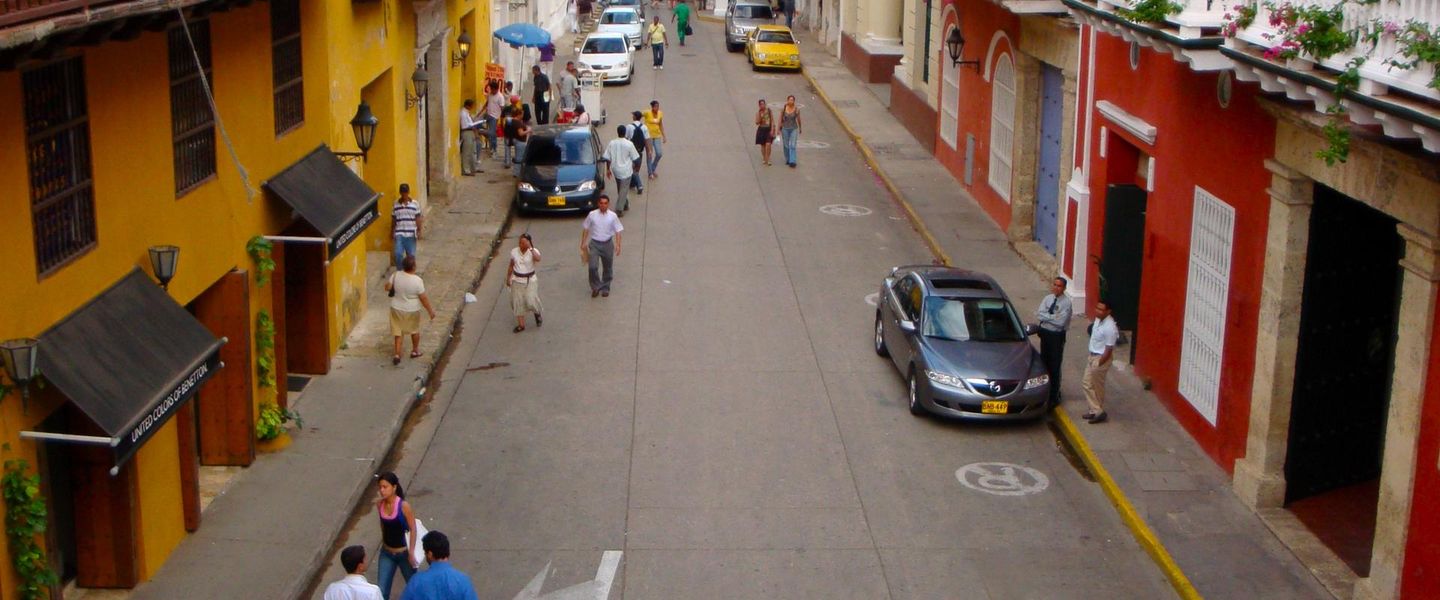
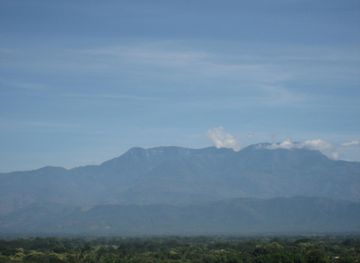
The Caribbean Region of Colombia is a vibrant and diverse destination that offers a blend of stunning beaches, rich cultural heritage, and lush natural landscapes. This region stretches along the northern coast of Colombia, offering tourists a chance to experience the warm, turquoise waters of the Caribbean Sea. Major cities like Cartagena, Santa Marta, and Barranquilla serve as gateways to explore the region's historical and natural wonders. Cartagena, a UNESCO World Heritage Site, is famous for its well-preserved colonial architecture, lively plazas, and historic fortresses. Walking through its charming streets, you will be transported back in time. Santa Marta, the oldest city in Colombia, is the starting point for excursions to the breathtaking Tayrona National Natural Park, where the jungle meets the sea. Barranquilla, known for its vibrant Carnival, offers a lively and colorful cultural experience. Beyond the cities, the Caribbean Region boasts pristine islands such as the Rosario Islands and San Andrés, where you can snorkel, dive, and relax on white sandy beaches. The region is also home to the Sierra Nevada de Santa Marta, the highest coastal mountain range in the world, perfect for adventurous hikers. Local cuisine, influenced by African, Indigenous, and Spanish traditions, offers a delightful culinary journey with dishes like arepas, fresh seafood, and exotic fruits.

Know before you go
Hi, I'm Eve. Here are a few practical things to know before exploring Caribbean Region.
- Visit the historic center of Cartagena early in the morning to avoid the crowds and the heat.
- Bring cash, as not all small towns and islands have ATMs or accept credit cards.
- If planning to hike in Tayrona National Natural Park, wear comfortable shoes and bring plenty of water.
- Try local dishes at small eateries, called 'fondas', for an authentic culinary experience.
- Attend Barranquilla Carnival if visiting in February for a cultural feast of music, dance, and parades.
Top City Travel Guides in Caribbean Region
The cities of Caribbean Region, and the easiest places to base yourself.


Destinations in Caribbean Region
Resorts, valleys and scenic spots worth a trip of their own.


Explore Caribbean Region: Things to Do, Places to Eat, Hotels & More
Handpicked recommendations for top attractions, local dining, accommodations, and more

Top Attractions & Sightseeing in Caribbean Region
Top-rated picks
Best Attractions

Walls of Cartagena
Discover the historic Walls of Cartagena, a UNESCO World Heritage Site, offering stunning views and a rich cultural experience in vibrant Colombia.

Playa Blanca
Experience the pristine beauty and vibrant activities of Playa Blanca, an idyllic beach destination in Santa Marta, Colombia, perfect for relaxation and adventure.

Quinta de San Pedro Alejandrino
Explore the historical legacy and natural beauty of Quinta de San Pedro Alejandrino in Santa Marta, Colombia—a unique blend of culture and tranquility.

Oceanarium Rosario Islands
Explore the Oceanarium Rosario Islands and immerse yourself in the beauty of Colombia's marine biodiversity for an unforgettable experience.

Best landmarks in Caribbean Region
Top-rated picks
Best Landmarks

San Felipe de Barajas Fort
Discover the rich history and stunning views at San Felipe de Barajas Fort, a must-visit historical landmark in Cartagena, Colombia.

Parque Nacional Natural Tayrona
Experience the breathtaking beauty and diverse ecosystems of Parque Nacional Natural Tayrona on Colombia's Caribbean coast, a gem for eco-tourists and adventurers.

Castle Salgar
Discover the enchanting Castle Salgar in Puerto Colombia, a stunning blend of history and architecture set against the backdrop of the Caribbean Sea.

Historical and Cultural Heritage of Humanity
Discover the captivating beauty of Santa Cruz de Mompox, a UNESCO World Heritage site with rich history, colonial charm, and vibrant culture.

Best restaurants in Caribbean Region
Top-rated picks
Best Restaurants

La Mulata
Experience the flavors of Caribbean and Colombian cuisine at La Mulata, a top-rated restaurant in Cartagena’s historic San Diego neighborhood.

Restaurante Candé
Discover exquisite Caribbean and Creole flavors at Restaurante Candé in Cartagena - a fine dining experience you won't forget.

Varadero
Experience the vibrant fusion of Caribbean, Colombian, and Cuban cuisine at Varadero in Barranquilla.

Restaurante La Casa de Socorro
Experience authentic Caribbean cuisine at Restaurante La Casa de Socorro in Getsemaní, Cartagena - where every meal tells a story.

Best bars in Caribbean Region
Top-rated picks
Best Bars

Gaira Café Cumbia House
Experience the vibrant fusion of Colombian cuisine and live music at Gaira Café Cumbia House, Bogotá's premier destination for food and entertainment.

Bar Shamua
Discover the vibrant atmosphere and delicious cuisine at Bar Shamua, a must-visit bar and grill in Bogotá's San Patricio neighborhood.

Vintrash Bogotá
Discover the vibrant nightlife of Bogotá at Vintrash, a bar and disco club in Chapinero known for its cocktails and lively atmosphere.
El Irish Pub
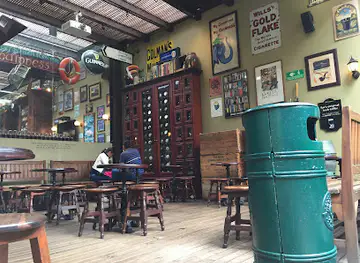
Experience the charm of Irish culture at El Irish Pub in Bogotá, where great food and drinks meet vibrant entertainment.

Best nightclubs in Caribbean Region
Top-rated picks
Best Nightclubs

Donde Fidel Salsa Bar
Dive into the heart of Cartagena's nightlife at Donde Fidel Salsa Bar, where salsa rhythms and vibrant cocktails create unforgettable memories.

Taboo Disco Club
Discover the heartbeat of Cartagena's nightlife at Taboo Disco Club – a vibrant disco and bar experience in the heart of Getsemaní.

Bar Tu Candela
Discover the vibrant nightlife and delicious cuisine at Bar Tu Candela in the heart of Cartagena, where every visit promises fun and flavor.

La Movida Cartagena
Discover the vibrant nightlife at La Movida Cartagena, where delicious food and pulsating music create unforgettable moments in the heart of Colombia.

Best shops in Caribbean Region
Top-rated picks
Best Shops

Andino
Discover the essence of shopping in Bogotá at Andino, where local brands meet international flair in a vibrant atmosphere.

La Serrezuela Mall
Experience the heart of Cartagena at La Serrezuela Mall, a vibrant hub for shopping, dining, and local culture.

Parque Nacional Natural Tayrona
Explore the breathtaking landscapes and rich biodiversity at Parque Nacional Natural Tayrona, Colombia's premier national park destination, perfect for nature lovers and adventurers.

Hacienda Santa Barbara Mall
Experience the perfect blend of shopping, dining, and culture at Hacienda Santa Barbara Mall in Bogotá, Colombia.

Explore Caribbean Region on the Map
A handpicked selection of must-see spots in Caribbean Region, mapped for you.
Caribbean Region Essentials
-
The Caribbean Region in Colombia is accessible via several major airports, including Rafael Núñez International Airport in Cartagena, Ernesto Cortissoz International Airport in Barranquilla, and Simón Bolívar International Airport in Santa Marta. Direct flights are available from various international destinations. Additionally, domestic flights connect these cities to Bogotá and other major Colombian cities. Bus services also operate from major cities like Bogotá, Medellín, and Cali to the Caribbean Region.
-
Within the Caribbean Region, transportation options include taxis, buses, and moto-taxis. Taxis are widely available and are a convenient way to travel within cities. Make sure to agree on a fare before starting your journey or ensure the meter is running. Public buses and minivans (colectivos) are affordable and connect various towns and cities. Renting a car is another option, providing flexibility to explore the region at your own pace. In cities like Cartagena and Barranquilla, ridesharing services like Uber are also available.
-
The official currency is the Colombian Peso (COP). Credit and debit cards are commonly accepted in hotels, restaurants, and larger stores, but it is advisable to carry cash for smaller establishments and rural areas. ATMs are readily available in urban areas, but it's wise to withdraw sufficient cash before venturing into remote locations. Currency exchange services are available at airports, banks, and exchange bureaus.
-
While the Caribbean Region is generally safe for tourists, it's important to remain vigilant, especially in crowded areas and at night. Avoid displaying valuables and be cautious in unfamiliar neighborhoods. Some areas, particularly in larger cities like Barranquilla and Cartagena, may have higher crime rates. Specific neighborhoods to avoid include La Candelaria in Barranquilla and certain parts of El Pozón in Cartagena. Always seek local advice on safe areas to visit.
-
In case of an emergency, dial 123 for immediate assistance. This number connects you to police, medical, and fire services. Major cities have hospitals and clinics with emergency services. It is advisable to have travel insurance that covers medical emergencies. Pharmacies are widely available for minor health issues. Keep a list of important contacts, including your country's embassy or consulate.
-
Fashion: Do dress comfortably and casually, but avoid overly revealing clothing, especially in rural or conservative areas. Religion: Do respect local customs and practices, especially in religious sites. Public Transport: Do be courteous and offer your seat to elderly passengers. Avoid eating or drinking on public buses. Greetings: Do greet people with a handshake or a simple 'Hola.' A friendly smile is always appreciated. Eating & Drinking: Do try local dishes and accept food offerings graciously. Don't refuse hospitality, as it is considered impolite.
-
To experience the Caribbean Region like a local, visit traditional markets such as Bazurto Market in Cartagena for fresh produce and local delicacies. Engage with locals, who are often friendly and eager to share their culture. Don't miss out on regional festivals like the Barranquilla Carnival. For a unique experience, explore lesser-known beaches and natural parks such as Tayrona National Park and the Rosario Islands. Taking a salsa or cumbia dance lesson will also enhance your cultural experience.
When is the best time to visit Caribbean Region?
Useful Local Phrases for Caribbean Region
You don't need to speak the language perfectly. Even learning a few simple words can make conversations warmer—and locals usually appreciate the effort.
— Eve

Here are the phrases I use most often in Caribbean Region. Try a few—you'll be surprised how far they go! 😊
❤️
-
- HelloHola
[Ola] - GoodbyeAdiós
[A-dios] - YesSí
[See] - NoNo
[No] - Please/You're welcomePor favor/De nada
[Por fa-vor/De na-da] - Thank youGracias
[Gra-sias] - Excuse me/SorryPerdón
[Per-don] - How are you?¿Cómo estás?
[Ko-mo es-tas] - Fine. And you?Bien. ¿Y tú?
[Byen. E tu] - Do you speak English?¿Hablas inglés?
[A-blas in-glez] - I don't understandNo entiendo
[No en-tien-do]
- HelloHola
-
- I'd like to see the menu, pleaseMe gustaría ver el menú, por favor
[Me gus-ta-ría ver el me-nu, por fa-vor] - I don't eat meatNo como carne
[No co-mo car-ne] - Cheers!¡Salud!
[Sa-lud] - I would like to pay, pleaseMe gustaría pagar, por favor
[Me gus-ta-ría pa-gar, por fa-vor]
- I'd like to see the menu, pleaseMe gustaría ver el menú, por favor
-
- Help!¡Ayuda!
[A-yu-da] - Go away!¡Vete!
[Ve-te] - Call the Police!¡Llama a la policía!
[Ya-ma a la po-li-ci-a] - Call a doctor!¡Llama a un doctor!
[Ya-ma a un doc-tor] - I'm lostEstoy perdido
[Es-toy per-di-do] - I'm illEstoy enfermo
[Es-toy en-fer-mo]
- Help!¡Ayuda!
-
- I'd like to buy...Quisiera comprar...
[Ki-sie-ra com-prar] - I'm just lookingSolo estoy mirando
[So-lo es-toy mi-ran-do] - How much is it?¿Cuánto cuesta?
[Kuan-to kwes-ta] - That's too expensiveEso es muy caro
[E-so es muy ca-ro] - Can you lower the price?¿Puedes bajar el precio?
[Pwe-des ba-har el pre-cio]
- I'd like to buy...Quisiera comprar...
-
- What time is it?¿Qué hora es?
[Ke o-ra es] - It's one o'clockEs la una
[Es la u-na] - Half past (10)Diez y media
[Dyez y me-dia] - MorningMañana
[Ma-ña-na] - AfternoonTarde
[Tar-de] - EveningNoche
[No-che] - YesterdayAyer
[A-yer] - TodayHoy
[Oy] - TomorrowMañana
[Ma-ña-na] - 1Uno
[U-no] - 2Dos
[Dos] - 3Tres
[Tres] - 4Cuatro
[Kua-tro] - 5Cinco
[Sin-co] - 6Seis
[Seis] - 7Siete
[Sye-te] - 8Ocho
[O-cho] - 9Nueve
[Nwe-ve] - 10Diez
[Dyez]
- What time is it?¿Qué hora es?
-
- Where's a/the...?¿Dónde está...?
[Don-de es-ta] - What's the address?¿Cuál es la dirección?
[Kwal es la di-rec-ción] - Can you show me (on the map)?¿Me puedes mostrar (en el mapa)?
[Me pwe-des mos-trar (en el ma-pa)] - When's the next (bus)?¿Cuándo es el próximo (bus)?
[Kwan-do es el pro-xi-mo (bus)] - A ticket (to ....)Un tiquete (a ...)
[Un ti-ke-te (a ...)]
- Where's a/the...?¿Dónde está...?
History of Caribbean Region
-
Before the arrival of Europeans, the Caribbean Region of Colombia was inhabited by various indigenous groups such as the Tairona, Zenú, and Mokaná. These communities were known for their sophisticated societal structures, impressive gold work, and advanced agricultural practices. The Tairona, in particular, built terraces, roads, and stone structures that can still be seen today in places like Ciudad Perdida.
-
The Caribbean coast of Colombia was one of the first regions in South America to be explored and settled by Spanish conquistadors. In 1525, the city of Santa Marta was founded by Rodrigo de Bastidas, making it the oldest surviving city in Colombia. Cartagena de Indias, founded in 1533 by Pedro de Heredia, quickly became one of the most important ports in the Spanish Empire, serving as a key hub for the export of gold and silver to Europe.
-
During the 16th and 17th centuries, the Caribbean coast of Colombia was a hotbed of pirate activity. The wealth flowing through ports like Cartagena attracted the attention of infamous pirates such as Francis Drake and Henry Morgan. The city of Cartagena was heavily fortified with walls and castles, including the impressive Castillo San Felipe de Barajas, to defend against these frequent attacks.
-
The Caribbean Region played a crucial role in Colombia's fight for independence from Spanish rule. In 1811, Cartagena declared its independence, becoming the first Colombian city to do so. However, it wasn't until the decisive Battle of Carabobo in 1821, led by Simón Bolívar, that the region was fully liberated from Spanish control. This period also saw the rise of significant figures such as José Prudencio Padilla, a naval hero from Riohacha who played a key role in securing victory.
-
In the late 19th and early 20th centuries, the Caribbean Region underwent significant economic changes with the establishment of large-scale banana plantations, particularly by the United Fruit Company. This period, often referred to as the 'Banana Republic' era, saw both economic growth and social upheaval. The 1928 Banana Massacre in Ciénaga is a dark chapter in this history, where workers striking for better conditions were violently suppressed.
-
The Caribbean Region of Colombia is renowned for its rich and diverse cultural heritage. This area is a melting pot of African, Indigenous, and Spanish influences. Traditional music genres such as cumbia, vallenato, and champeta trace their roots here. Festivals like the Barranquilla Carnival, one of the largest and most colorful in the world, showcase this vibrant cultural fusion.
-
In recent decades, the Caribbean Region has seen considerable modernization and development. Cities like Barranquilla have become major industrial and commercial hubs, while tourism has thrived in places like Cartagena and Santa Marta. This development has brought both opportunities and challenges, including efforts to preserve the region's rich cultural and historical heritage amidst rapid growth.
Neighbouring Regions of Caribbean Region
The closest regions to Caribbean Region, if you have time for more than one.




Your all‑in‑one travel companion app
Explore expert travel guides, compare and book tours, experiences, hotels, and more—all from the palm of your hand. Download now for seamless trip planning wherever your wanderlust takes you.


Explore More of Colombia

Looking beyond Caribbean Region? Discover Colombia for broader travel guides, local hot-spots, and regional highlights.
Explore ColombiaCaribbean Region in Photos
Browse through our photo collection highlighting the charm and character of the destination.


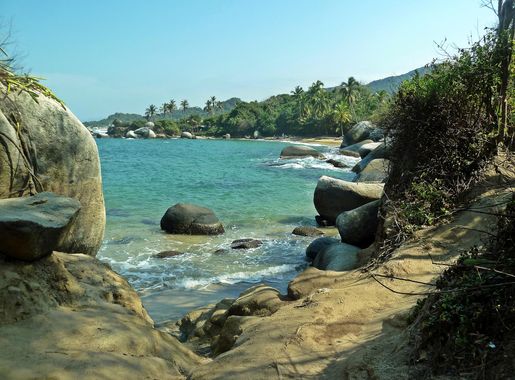


Caribbean Paradise of Colombia
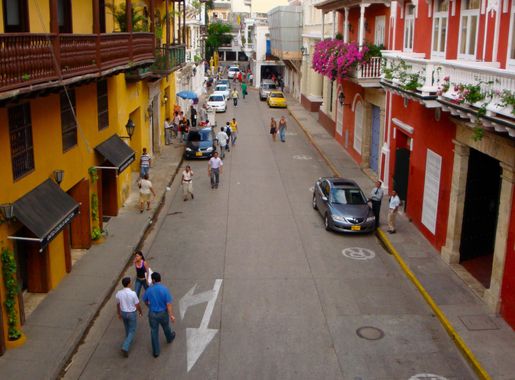
The Caribbean Region of Colombia is a vibrant and diverse destination that offers a blend of stunning beaches, rich cultural heritage, and lush natural landscapes. This region stretches along the northern coast of Colombia, offering tourists a chance to experience the warm, turquoise waters of the Caribbean Sea. Major cities like Cartagena, Santa Marta, and Barranquilla serve as gateways to explore the region's historical and natural wonders. Cartagena, a UNESCO World Heritage Site, is famous for its well-preserved colonial architecture, lively plazas, and historic fortresses. Walking through its charming streets, you will be transported back in time. Santa Marta, the oldest city in Colombia, is the starting point for excursions to the breathtaking Tayrona National Natural Park, where the jungle meets the sea. Barranquilla, known for its vibrant Carnival, offers a lively and colorful cultural experience. Beyond the cities, the Caribbean Region boasts pristine islands such as the Rosario Islands and San Andrés, where you can snorkel, dive, and relax on white sandy beaches. The region is also home to the Sierra Nevada de Santa Marta, the highest coastal mountain range in the world, perfect for adventurous hikers. Local cuisine, influenced by African, Indigenous, and Spanish traditions, offers a delightful culinary journey with dishes like arepas, fresh seafood, and exotic fruits.