

Free Andean Region Travel Guide & Mobile App
Explore Andean Region with free travel guides. Discover regional history, expert tips, proposed trips, and audio guides on web or mobile app.


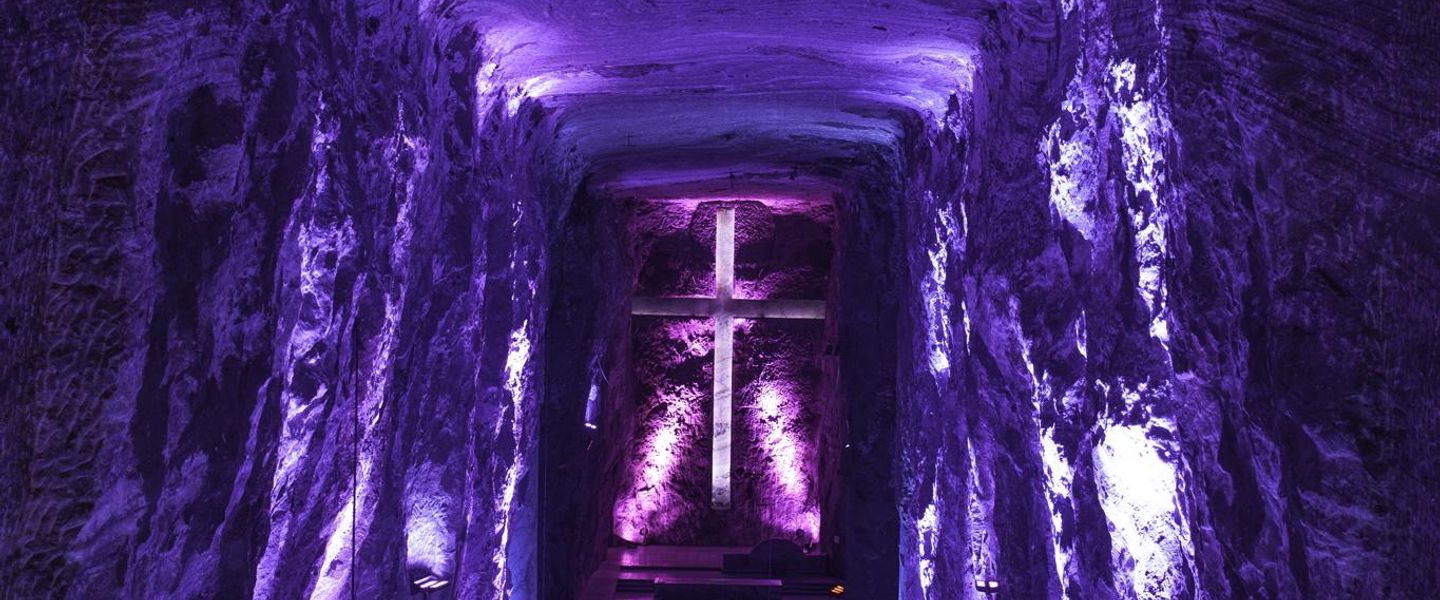


Discover Colombia’s Andean Region through highland cities, coffee country, colonial towns, páramos, canyons and ancient archaeological landscapes.
Read more about Andean Region
When is the best time to visit Andean Region?
Best: December–February · 22–23°C| Month | High (°C) | Rainfall (mm) |
|---|---|---|
| January (best) | 22 | 60 |
| February (best) | 23 | 70 |
| March | 23 | 80 |
| April | 23 | 90 |
| May | 24 | 100 |
| June | 23 | 90 |
| July | 23 | 80 |
| August | 23 | 90 |
| September | 23 | 100 |
| October | 24 | 90 |
| November | 23 | 80 |
| December (best) | 23 | 70 |
Getting to and around Andean Region
How to get there
Transportation
Top city travel guides in Andean Region
The cities of Andean Region, and the easiest places to base yourself.
-

-

-

-

-

-


Swipe for more cities
Destinations in Andean Region
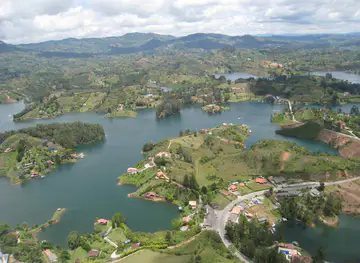
Resorts, valleys and scenic spots worth a trip of their own.
-

-

-
-


Swipe for more destinations
Best attractions in Andean Region
The Andean Region offers an unusually broad range of attractions because its mountains contain major cities, agricultural landscapes, historic settlements and high-altitude ecosystems. Bogotá provides museums, galleries, theatres and the historic streets of La Candelaria, while Medellín combines cultural institutions with views across the Aburrá Valley and access to surrounding towns. Colonial and republican architecture is especially evident in Villa de Leyva, Barichara, Tunja and Popayán. The Coffee Cultural Landscape around Armenia, Pereira and Manizales is suited to farm visits, rural walks and explanations of cultivation and processing. Outdoor attractions include Los Nevados National Natural Park, the Chicamocha Canyon, the Cocora Valley and canyon and river landscapes in Santander, subject to local access conditions. Archaeological travel is particularly rewarding around San Agustín, where monumental carved stones and burial sites reveal ancient societies. Páramos, cloud forests and Andean wetlands support distinctive wildlife and regulate water supplies, but these fragile environments should be visited through authorised routes. Cycling, birdwatching, rafting, hiking and canyon viewpoints complement the region’s museums, markets and cultural venues.
-
Historical landmark
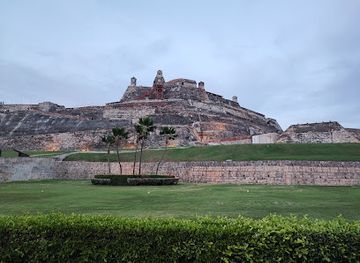
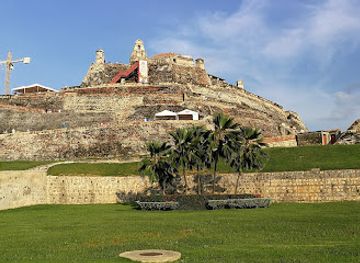
San Felipe de Barajas Fort
Discover the captivating history and breathtaking views at San Felipe de Barajas Fort, Cartagena's most significant historical landmark and fortress.
-
National park
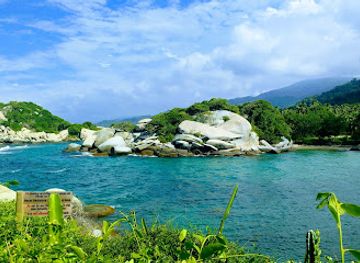
Parque Nacional Natural Tayrona
Explore the natural wonders and rich biodiversity of Parque Nacional Natural Tayrona, a paradise for adventure seekers and nature lovers in Colombia.
-
Park
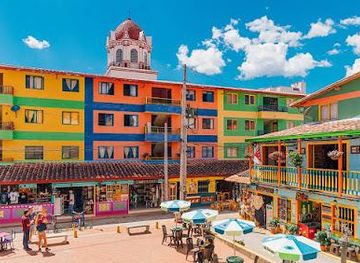
Plazoleta de Los Zócalos
Discover Guatapé's vibrant culture at Plazoleta de Los Zócalos, a colorful park showcasing the town's rich history and artistry through intricate zócalos.
-
Park
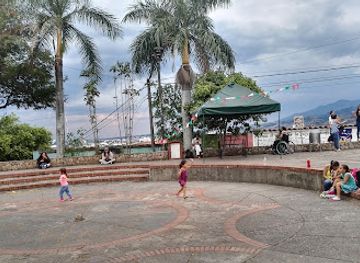
Parque Artesanal Loma de La Cruz
Explore the cultural richness of Cali at Parque Artesanal Loma de La Cruz, where local crafts, food, and music come together in a vibrant park setting.
Best landmarks in Andean Region
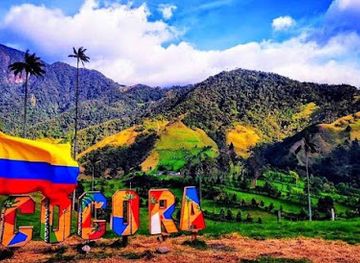
The Andean Region’s landmarks reflect several different histories and landscapes. Bogotá’s Cerro de Monserrate is a prominent mountain and pilgrimage site overlooking the capital, while the historic centre’s churches, plazas and civic buildings reveal the city’s colonial and republican development. Villa de Leyva’s broad main square and preserved townscape are among the most recognisable architectural settings in Boyacá, and Barichara is noted for its carefully maintained stone streets and buildings. In Santander, the Chicamocha Canyon is a major geographical landmark, with immense slopes and river-cut terrain defining the landscape. The wax palms and steep mountain forms of the Cocora Valley have become emblematic of the central coffee country, while the high volcanoes and páramos of Los Nevados express the region’s Andean geology. Near San Agustín, carved stone figures and ceremonial monuments mark an ancient cultural landscape rather than a colonial settlement. These places are significant for their setting, architecture or archaeological evidence, not simply for scenic appeal.
-
Plaza
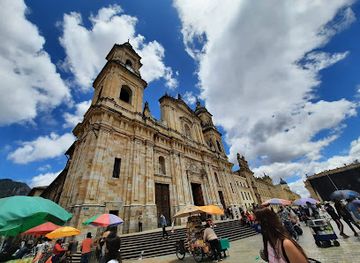
Plaza de Bolívar
Discover Plaza de Bolívar, Bogotá's historic square, surrounded by stunning architecture and rich cultural heritage, a true heart of Colombia's capital.
-
Historical landmark
San Felipe de Barajas Fort
Explore the grandeur of San Felipe de Barajas Fort, Cartagena's iconic fortress offering breathtaking views and rich historical insights.
-
Park
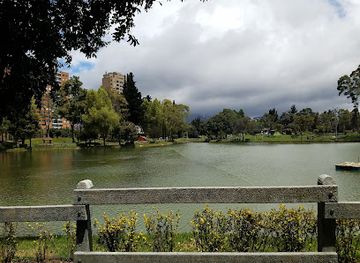
Parque de los Novios
Discover the lush landscapes and romantic charm of Parque de los Novios, Bogotá's serene park ideal for relaxation and leisure.
-
National park
Cocora Valley
Explore the stunning landscapes of Cocora Valley, Colombia, where wax palms tower above breathtaking hiking trails and vibrant ecosystems await your discovery.
Explore Andean Region on the map
Plan your trip on one map. See where the top cities, national parks and sights are, and book hotels and experiences in a few clicks.
Best hotels in Andean Region
Best restaurants in Andean Region
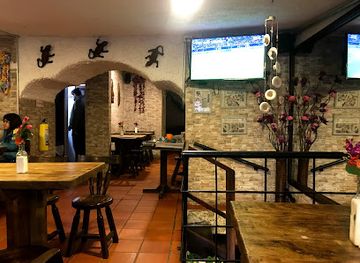
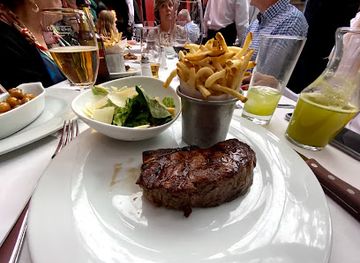
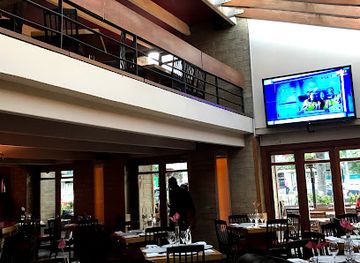
Andean dining varies with altitude, history and agriculture. Bogotá’s restaurants and market halls draw on highland produce, including potatoes, maize, beans, herbs and dairy, with warming soups such as ajiaco associated with the capital and surrounding plateau. Antioquia is known for substantial home-style cooking, while Santander has its own strongly regional rural dishes and distinctive use of local ingredients. In the Coffee Cultural Landscape, cafés and farm kitchens provide opportunities to understand coffee from cultivation to preparation, alongside fruit, baked goods and traditional meals. The southern Andes add culinary influences connected with Indigenous, colonial and highland traditions. Throughout the region, look for bakeries, family restaurants, roadside eateries, urban food halls and rural inns rather than assuming that the most formal dining room offers the clearest regional expression. Colombian coffee is central to the experience, but preparation and quality vary, so specialist cafés are useful for learning about different growing areas and brewing methods.
-
Restaurant
Andrés D.C. Bogotá
Experience the vibrant culture of Colombia through exquisite cuisine at Andrés D.C., Bogotá's premier steakhouse and bar.
-
Fine Dining
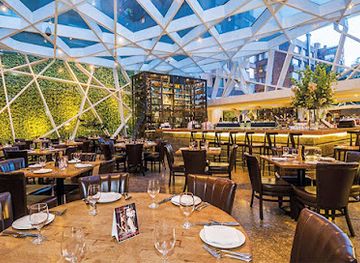
Harry Sasson
Discover culinary artistry at Harry Sasson in Bogotá - where fine dining meets innovative flavors in an elegant setting.
-
Restaurant
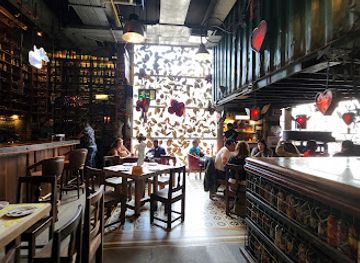
La Puerta Falsa Restaurant
Experience authentic Colombian cuisine at La Puerta Falsa in Bogotá's historic La Candelaria district—where tradition meets flavor.
-
Restaurant
La Brasserie
Experience authentic French cuisine at La Brasserie in Bogotá - where culinary artistry meets elegant dining.
Best bars in Andean Region
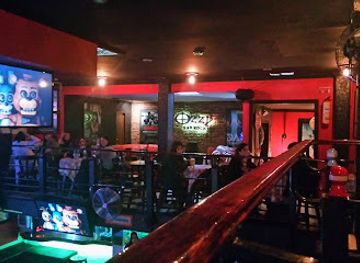
Nightlife is concentrated in the major Andean cities, with Bogotá offering the widest range of cocktail bars, live music, theatres and late-evening restaurants, and Medellín known for varied dining and nightlife areas across the metropolitan valley. University communities support evening activity in several regional cities, while Pereira, Armenia, Manizales, Bucaramanga and Popayán have their own bars, music venues and social districts on a smaller scale. In historic towns and rural coffee areas, the evening usually centres on cafés, traditional bars, breweries, restaurants and plazas rather than large clubs. Some venues remain seasonal or change frequently, so current local advice is more reliable than relying on old listings. Take licensed taxis or reputable ride services after late nights, keep drinks in sight and remember that live music, conversation and food are as important to the region’s evening culture as dancing.
-
Bar
Ozzy Company
Experience the vibrant nightlife of Bogotá at Ozzy Company, a premier live music bar celebrating rock music with delicious food and drinks.
-
Bar
Bar Shamua
Experience the vibrant nightlife of Bogotá at Bar Shamua with crafted cocktails, delicious food, and a lively atmosphere perfect for all visitors.
-
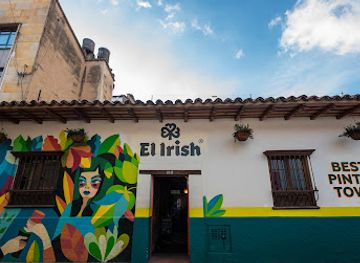
Pub
El Irish Pub
Experience the vibrant atmosphere of El Irish Pub in Bogotá, where authentic Irish cuisine meets local craft brews for an unforgettable night out.
-
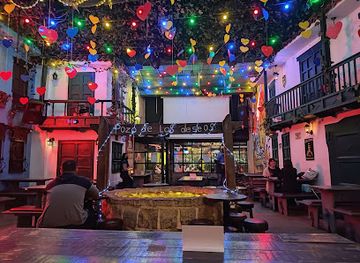
Bar
Colombian Pub
Discover the vibrant atmosphere of Colombian Pub in Bogotá, a lively brewpub offering craft beers and authentic local cuisine.
Best nightclubs in Andean Region
Nightlife is concentrated in the major Andean cities, with Bogotá offering the widest range of cocktail bars, live music, theatres and late-evening restaurants, and Medellín known for varied dining and nightlife areas across the metropolitan valley. University communities support evening activity in several regional cities, while Pereira, Armenia, Manizales, Bucaramanga and Popayán have their own bars, music venues and social districts on a smaller scale. In historic towns and rural coffee areas, the evening usually centres on cafés, traditional bars, breweries, restaurants and plazas rather than large clubs. Some venues remain seasonal or change frequently, so current local advice is more reliable than relying on old listings. Take licensed taxis or reputable ride services after late nights, keep drinks in sight and remember that live music, conversation and food are as important to the region’s evening culture as dancing.
-
Grill
Indigo Club 51
Experience the vibrant nightlife and exquisite grilled cuisine at Indigo Club 51, Bogotá's ultimate destination for food and fun.
-
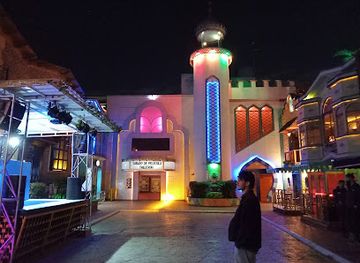
Night club
THEATRON
Experience the vibrant nightlife of Bogotá at Theatron, a cultural landmark featuring themed rooms, live performances, and an electric atmosphere.
-
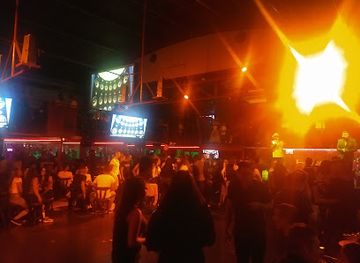
Disco club
Disco Jaguar
Dive into the electrifying nightlife at Disco Jaguar in Bogotá, where vibrant music and a lively atmosphere come together for an unforgettable experience.
-
Disco club
Paradaise Natural Party
Discover Bogotá's nightlife at Paradaise Natural Party, a vibrant disco club offering exceptional music, dancing, and a lively atmosphere for tourists.


Best shops in Andean Region
Shopping across the Andean Region ranges from sophisticated urban retail in Bogotá and Medellín to small market towns, artisan workshops and farm-based produce sales. Bogotá has the broadest selection of books, design, fashion, galleries and Colombian food products, while Medellín is particularly associated with contemporary design, textiles and creative industries. In Villa de Leyva, Barichara and other historic towns, independent shops sell pottery, woven goods, leatherwork, jewellery and decorative crafts, though quality and authenticity vary. Coffee-growing districts are good places to buy properly labelled beans and learn about their origin, while regional markets offer fruit, panela, preserves, baked goods and other products that travel well. Artisans’ work should be bought from established makers where possible, and visitors should avoid purchasing archaeological objects, protected wildlife products or plant material. Rural markets are often more useful for local produce than souvenirs, and card payment becomes less dependable away from the principal cities.
-
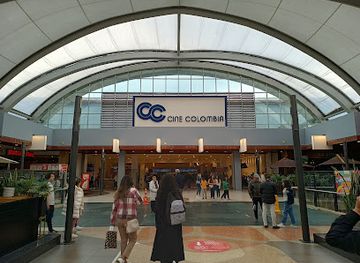
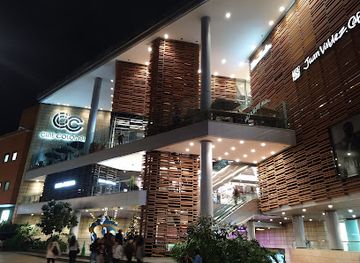
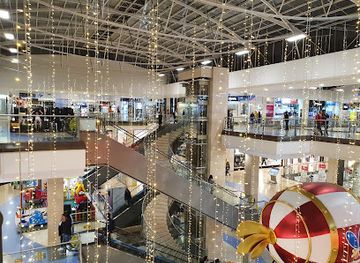
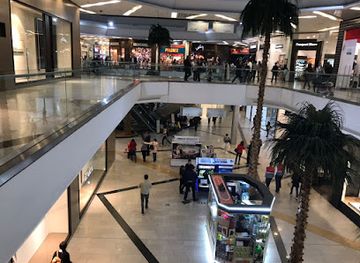
Shopping mall
Titan Plaza Shopping Mall
Explore Bogotá's vibrant shopping scene at Titan Plaza, featuring diverse stores, dining options, and family-friendly entertainment.
-
Shopping mall
Andino
Explore the vibrant Andino shopping mall in Bogotá, Colombia, where fashion, dining, and entertainment come together for an unforgettable experience.
-
Shopping mall
Santafé Mall
Explore Santafé Mall in Bogotá for a vibrant shopping experience with diverse dining and entertainment options.
-
Shopping mall
Unicentro Bogota
Experience the best of shopping, dining, and entertainment at Unicentro Bogota, where Colombian culture meets international flair.
Get your free copy of our complete guide to Andean Region, delivered straight to you.
Everything on this page, from attractions and restaurants to essentials and local phrases, in one PDF you can read offline, print or share.
Already have an account? Sign in
Your Andean Region guide is ready.
We'll send it to · Not you? Sign out

Getting your guide ready…
We are putting together a fresh copy of the Andean Region guide. This can take up to a minute.
This can take a few moments. If your browser asks, choose Allow so the download can start. You'll find the guide in your Downloads folder.
Nothing happened? Download it again
Sorry, the guide is taking longer than usual. Please try again in a minute, or get it by email instead.
Andean Region essentials
Currency and Payment
Safety
Emergency Situations
Do's and Don'ts
Local Tips
From Eve
Local phrases worth knowing
You don't need to get them perfect. A few words go a long way, and locals appreciate the effort.
Basics
| English | Local | Say it |
|---|---|---|
| Hello | Hola | [Oh-lah] |
| Goodbye | Adiós | [Ah-dee-ohs] |
| Yes | Sí | [See] |
| No | No | [Noh] |
| Please/You're welcome | Por favor/De nada | [Por fah-vor/Day nah-dah] |
| Thank you | Gracias | [Grah-see-ahs] |
| Excuse me/Sorry | Perdón | [Pehr-dohn] |
| How are you? | ¿Cómo estás? | [Koh-moh es-tahs] |
| Fine. And you? | Bien. ¿Y tú? | [Bee-en. Ee too] |
| Do you speak English? | ¿Hablas inglés? | [Ah-blahs een-glehs] |
| I don't understand | No entiendo | [Noh en-tyen-doh] |
Eating & Drinking
| English | Local | Say it |
|---|---|---|
| I'd like to see the menu, please | Me gustaría ver el menú, por favor | [Meh goos-tah-ree-ah vehr el meh-noo, por fah-vor] |
| I don't eat meat | No como carne | [Noh koh-moh kar-neh] |
| Cheers! | ¡Salud! | [Sah-lood] |
| I would like to pay, please | Me gustaría pagar, por favor | [Meh goos-tah-ree-ah pah-gar, por fah-vor] |
Emergencies
| English | Local | Say it |
|---|---|---|
| Help! | ¡Ayuda! | [Ah-yoo-dah] |
| Go away! | ¡Vete! | [Veh-teh] |
| Call the Police! | ¡Llama a la policía! | [Yah-mah ah lah poh-lee-see-ah] |
| Call a doctor! | ¡Llama a un doctor! | [Yah-mah ah oon dok-tor] |
| I'm lost | Estoy perdido | [Es-toy pehr-dee-doh] |
| I'm ill | Estoy enfermo | [Es-toy en-fehr-moh] |
Shopping
| English | Local | Say it |
|---|---|---|
| I'd like to buy... | Me gustaría comprar... | [Meh goos-tah-ree-ah kom-prar] |
| I'm just looking | Solo estoy mirando | [Soh-lo es-toy mee-ran-doh] |
| How much is it? | ¿Cuánto cuesta? | [Kwan-toh kwes-tah] |
| That's too expensive | Eso es demasiado caro | [Eh-so es deh-mah-see-ah-doh kah-roh] |
| Can you lower the price? | ¿Puedes bajar el precio? | [Pweh-des bah-har el preh-syo] |
Time & Numbers
| English | Local | Say it |
|---|---|---|
| What time is it? | ¿Qué hora es? | [Keh oh-rah es] |
| It's one o'clock | Es la una | [Es lah oo-nah] |
| Half past (10) | Y diez y media | [Ee dyess ee meh-dee-ah] |
| Morning | Mañana | [Mah-nyah-nah] |
| Afternoon | Tarde | [Tar-deh] |
| Evening | Noche | [Noh-cheh] |
| Yesterday | Ayer | [Ah-yer] |
| Today | Hoy | [Oy] |
| Tomorrow | Mañana | [Mah-nyah-nah] |
| 1 | Uno | [Oo-noh] |
| 2 | Dos | [Dohs] |
| 3 | Tres | [Trehs] |
| 4 | Cuatro | [Kwah-troh] |
| 5 | Cinco | [Seen-koh] |
| 6 | Seis | [Seys] |
| 7 | Siete | [Syet-eh] |
| 8 | Ocho | [Oh-choh] |
| 9 | Nueve | [Nweh-veh] |
| 10 | Diez | [Dyehs] |
Transport & Directions
| English | Local | Say it |
|---|---|---|
| Where's a/the...? | ¿Dónde hay un/a...? | [Dohn-deh eye oon/ah] |
| What's the address? | ¿Cuál es la dirección? | [Kwahl es lah dee-rek-syon] |
| Can you show me (on the map)? | ¿Puedes mostrarme (en el mapa)? | [Pweh-des mohs-trar-meh (en el mah-pah)] |
| When's the next (bus)? | ¿Cuándo es el próximo (bus)? | [Kwan-doh es el prohk-see-mo (boos)] |
| A ticket (to ....) | Un boleto (a ...) | [Oon bo-leh-toh (ah ...)] |
History of Andean Region
Muisca Societies and Pre-Columbian Highlands
Before Spanish colonisation, the Eastern Cordillera and the Bogotá savannah were home to Muisca-speaking communities organised through complex political and trading networks. Their agriculture benefited from fertile highland soils, while salt extraction, goldwork and regional exchange supported a prosperous culture. The famous El Dorado story was shaped by Spanish interpretations of Muisca ceremonial traditions, particularly those associated with Lake Guatavita, although the lake itself lies in the wider highland area northeast of Bogotá rather than representing a literal city of gold. Muisca heritage remains important in museums, archaeological interpretation and living cultural memory across central Colombia.
Spanish Conquest and Colonial Foundations
Spanish forces entered the Andean interior during the sixteenth century, establishing settlements and administrative centres over existing Indigenous territories. Bogotá became the capital of the colonial New Kingdom of Granada, while towns such as Tunja, Popayán and others developed around churches, convents, estates and commercial routes. Colonial society brought forced labour, land redistribution, Catholic institutions and new crops and animals, with profound consequences for Indigenous and African communities. Surviving churches, plazas, town plans and religious art provide tangible evidence of this period, although the colonial landscape also reflects centuries of inequality and cultural change.
Independence and the Republican Andes
The Andean highlands were central to the independence struggles that transformed Spanish South America in the early nineteenth century. The Battle of Boyacá in 1819, fought near Tunja in present-day Boyacá, secured a decisive victory for the independence forces and opened the way to Bogotá. The republican era brought new political institutions, changing property relationships and efforts to connect mountainous settlements through roads and later railways. Public buildings, civic plazas and commemorative landscapes in Bogotá, Boyacá and other regional centres preserve the memory of this transition from colonial rule to an unstable but independent republic.
Coffee Expansion and Rural Transformation
Coffee cultivation expanded strongly in the central Andes from the late nineteenth century, especially across the departments now associated with the Coffee Cultural Landscape. Small and medium-sized farms, steep terrain and mule-based transport shaped a distinctive rural economy, while coffee revenues helped finance roads, towns and commercial growth. The resulting landscape of planted hillsides, guadua bamboo, drying patios and colourful settlements became one of the region’s defining cultural environments. Coffee remains economically and socially important, although the industry has adapted to international price pressures, changing production methods and the growth of tourism.
Industrialisation and the Growth of Andean Cities
During the twentieth century, Medellín and other Andean urban centres developed manufacturing, commerce, banking and transport networks that connected mountain valleys with national markets. Medellín’s textile and industrial expansion was particularly influential, while Bogotá grew into Colombia’s administrative, educational and cultural capital. Urbanisation brought employment and investment but also informal settlement, social inequality and pressure on rivers, forests and highland water systems. Contemporary museums, universities, transport infrastructure and regenerated public spaces reflect both the industrial legacy and the continuing effort to manage rapid metropolitan growth.
Conflict, Peacebuilding and Contemporary Cultural Change
Several Andean departments experienced political violence and conflict during the late twentieth and early twenty-first centuries, affecting rural communities, transport corridors and urban life. The consequences remain part of public memory, while museums, memorial initiatives and civic organisations contribute to processes of remembrance and reconciliation. At the same time, cities such as Bogotá and Medellín have expanded their international cultural profiles through galleries, festivals, libraries, public art and design. Rural regions have increasingly combined agriculture with conservation and carefully managed tourism, though development, land use and access to fragile mountain ecosystems remain continuing issues.
Andean Region in Photos
Browse through our photo collection highlighting the charm and character of the destination.
Neighbouring regions of Andean Region
The closest regions to Andean Region, if you have time for more than one.
-

-

-

-

-


Swipe for more regions
Explore more

Explore more of Colombia
Discover Colombia: A land of diverse beauty, rich heritage, and vibrant culture, offering everything from bustling cities to serene coffee plantations and stunning national parks.
Explore Colombia