

Cesar Department, Colombia Travel Guide
Discover Cesar Department in Colombia: A vibrant blend of cultural heritage, natural beauty, and traditional Vallenato music, offering an authentic and unforgettable travel experience.
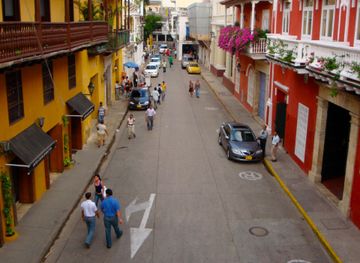
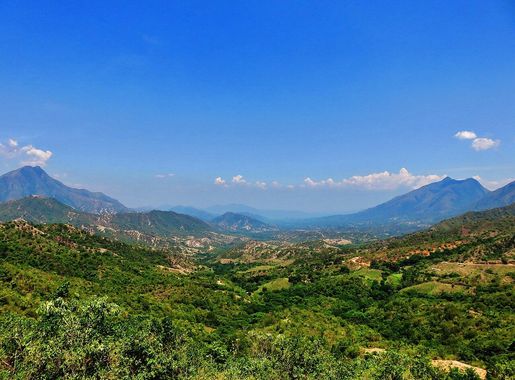
Cesar Department, nestled in the northeastern part of Colombia, is a region rich in culture, music, and natural beauty. This destination offers an authentic Colombian experience, away from the more touristic spots, allowing visitors to immerse themselves in the local way of life. Known for its vibrant Vallenato music, which originated here, Cesar is a haven for music lovers who want to explore the roots of this traditional genre. Valledupar, the capital city, hosts the annual Vallenato Legend Festival, a must-attend for anyone keen to witness the infectious rhythms and melodies that define the region. The landscape of Cesar is diverse and captivating, ranging from the lush green valleys of the Sierra Nevada de Santa Marta to the arid plains of La Guajira Peninsula. The department's natural attractions include the serene Guatapurí River, perfect for a refreshing dip, and the majestic mountains that offer excellent hiking and bird-watching opportunities. Nature enthusiasts will appreciate the variety of flora and fauna, with many endemic species found only in this part of Colombia. Cesar is also a place where history and tradition are deeply rooted. The indigenous communities, such as the Yukpa and Arhuaco, have preserved their customs and way of life, providing visitors with a unique cultural insight. Exploring local markets, tasting traditional foods, and engaging with the warm and welcoming locals are experiences that will leave a lasting impression on any traveler. Whether you're an adventurer, a culture enthusiast, or simply in search of tranquility, Cesar Department promises a memorable and enriching journey.

Know before you go
Hi, I'm Eve. Here are a few practical things to know before exploring Cesar Department.
- Visit during the Vallenato Legend Festival in April to experience the heart of Cesar's music culture.
- Bring comfortable walking shoes for exploring Valledupar and the surrounding natural areas.
- Learn a few basic phrases in Spanish to enhance your interactions with locals.
- Try local dishes like 'sancocho' and 'arepa de queso' for an authentic culinary experience.
- Respect the traditions and customs of indigenous communities when visiting their territories.
Explore Cesar Department: Things to Do, Places to Eat, Hotels & More
Handpicked recommendations for top attractions, local dining, accommodations, and more

Top Attractions & Sightseeing in Cesar Department
Top-rated picks
Best Attractions

Plaza Alfonso Lopez
Experience the vibrant culture and rich musical heritage of Valledupar at Plaza Alfonso Lopez, a must-visit hub of local life and festivities.

Balneario Hurtado
Experience the rejuvenating natural springs of Balneario Hurtado in Valledupar, a serene escape offering relaxation and cultural richness.

Algarrobillos. Park
Discover the tranquility of Algarrobillos Park in Valledupar, a beautiful green space perfect for relaxation, nature walks, and capturing stunning photographs.

Las Gachas
Explore the stunning rock formations and vibrant pools of Las Gachas, a natural wonder in the heart of Guadalupe, Santander, perfect for adventure and relaxation.

Best landmarks in Cesar Department
Top-rated picks
Best Landmarks

Plaza de Bolívar
Discover the iconic Plaza de Bolívar in Bogotá, a vibrant hub of history, culture, and architecture that reflects Colombia's rich heritage.

San Felipe de Barajas Fort
Discover the historic San Felipe de Barajas Fort in Cartagena, a UNESCO World Heritage site offering stunning views and rich colonial history.

Parque Nacional Natural Tayrona
Discover the stunning landscapes of Parque Nacional Natural Tayrona, a top national park in Colombia with breathtaking beaches and rich biodiversity.

Salt Cathedral
Discover the enchanting Salt Cathedral of Zipaquirá, a stunning underground marvel filled with religious artistry and breathtaking architecture.

Best restaurants in Cesar Department
Top-rated picks
Best Restaurants

Restaurante Rancho Grande
Experience authentic Colombian cuisine at Restaurante Rancho Grande in Pailitas - where flavor meets tradition in a welcoming atmosphere.
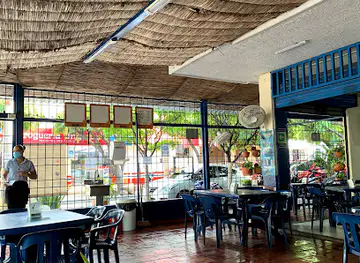
Restaurante Montacarga del Norte
Experience authentic Colombian flavors at Restaurante Montacarga del Norte in Valledupar - a haven for meat lovers seeking delicious grilled dishes.
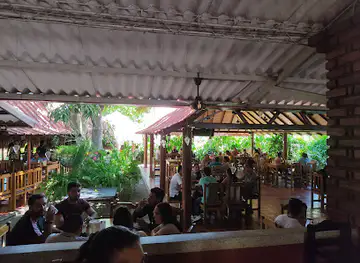
Restaurante La Brasa
Experience the rich flavors of Colombia at Restaurante La Brasa, where grilled perfection meets vibrant dining in Aguachica.

Restaurante Montacarga Cañahuate
Experience authentic Colombian cuisine at Restaurante Montacarga Cañahuate in Valledupar - where tradition meets flavor.

Best bars in Cesar Department
Top-rated picks
Best Bars

Huerta Coctelería Artesanal
Experience innovative cocktails and health-conscious dishes at Bogotá's vibrant Huerta Coctelería Artesanal, the perfect destination for cocktail enthusiasts.

Pedro Mandinga Rum Bar Bogota
Discover the lively charm of Pedro Mandinga Rum Bar, a must-visit cocktail haven in Bogotá's Usaquén district, perfect for rum enthusiasts and night owls alike.

El Patio Bar
Experience the vibrant nightlife at El Patio Bar in Valledupar, offering delicious drinks and a cultural ambiance that captivates every visitor.
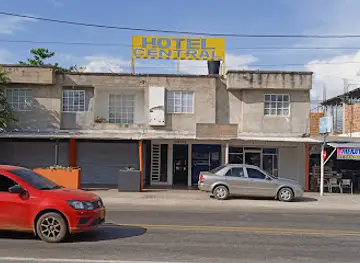
Hotel Central y Bar Geyli Club
Experience the lively ambiance and delicious drinks at Hotel Central y Bar Geyli Club, the perfect spot for nightlife in El Paso, Cesar.

Best nightclubs in Cesar Department
Top-rated picks
Best Nightclubs

Discoteca Sol y Luna
Immerse yourself in the electrifying nightlife of Valledupar at Discoteca Sol y Luna, where vibrant beats and unforgettable experiences await.

Paradise Disco Club Amanecedero
Dance the night away at Paradise Disco Club Amanecedero, the heartbeat of Valledupar's nightlife with music, drinks, and unforgettable fun.

El Higuerón Club
Experience the vibrant nightlife of Valledupar at El Higuerón Club, where music, dance, and unforgettable moments come together.

Discoteca Deja Vú
Discover the heartbeat of Bosconia's nightlife at Discoteca Deja Vú, where vibrant music and a lively atmosphere await.

Best shops in Cesar Department
Top-rated picks
Best Shops

Santafé Mall
Discover the vibrant shopping experience at Santafé Mall in Bogotá, where modern stores and delightful dining await every visitor.

Hacienda Santa Barbara Mall
Discover the vibrant shopping and cultural experience at Hacienda Santa Barbara Mall in Bogotá, where local charm meets modern retail.

TIENDAS D1
Experience local shopping at TIENDAS D1, Chiriguaná’s favorite discount supermarket offering diverse products at unbeatable prices.

Servisystem - Servicio de Sistema Informatico Integrales
Explore the vibrant Servisystem shopping mall in Chiriguaná, where local culture and modern shopping meet for an unforgettable experience.

Explore Cesar Department on the Map
A handpicked selection of must-see spots in Cesar Department, mapped for you.
Cesar Department Essentials
-
Cesar Department is accessible via multiple routes. The nearest major airport is Alfonso López Pumarejo Airport (VUP) in Valledupar, the capital of Cesar Department. It has regular flights from Bogotá and other major cities in Colombia. If traveling by road from Bogotá, it takes approximately 12 hours by car or bus. Buses operate regularly from Bogotá, Medellín, and other major cities to Valledupar. There is also a train service from Santa Marta, although it is less frequent.
-
Within Cesar Department, transportation options include buses, taxis, and moto-taxis. Valledupar has a well-established local bus network connecting different parts of the city and its surroundings. Taxis are widely available and relatively inexpensive. For a more local experience, consider using moto-taxis, especially in smaller towns. Car rentals are available in Valledupar for those looking to explore the region at their own pace.
-
The official currency of Colombia is the Colombian Peso (COP). Credit and debit cards are widely accepted in Valledupar, especially in hotels, restaurants, and larger shops. However, it is advisable to carry cash when traveling to smaller towns and rural areas. ATMs are abundant in Valledupar, but less frequent in remote areas, so plan accordingly.
-
Cesar Department is generally safe for tourists, but it is advisable to take standard precautions. Valledupar has a lower crime rate compared to other Colombian cities, but be cautious in crowded places and avoid displaying valuables. Areas like La Loma and some rural parts of Cesar Department have higher crime rates, including incidents targeting tourists. It’s best to stay informed and avoid traveling alone at night in these areas.
-
In case of emergency, dial 123 for police, medical, or fire assistance. Valledupar has several hospitals and medical facilities. It's recommended to have travel insurance that covers medical emergencies. Pharmacies are widely available in Valledupar for minor health issues. In rural areas, medical facilities may be limited, so plan accordingly.
-
Fashion: Do dress modestly, especially in rural areas and religious sites. Avoid overly revealing clothing. Religion: Do respect local customs and traditions. When visiting churches, dress conservatively. Public Transport: Do be polite and give up your seat to elderly passengers. Don’t eat or drink on public transport. Greetings: Do greet people with a handshake. A friendly 'Hola' suffices. Eating & Drinking: Do try local dishes such as 'arepa' and 'sancocho'. Don’t refuse hospitality, as it may be considered impolite.
-
To experience Cesar Department like a local, visit Valledupar during the Festival de la Leyenda Vallenata, a significant cultural event celebrating Vallenato music. Explore local markets to buy fresh produce and artisanal goods. Engage with locals to learn about the rich cultural heritage and traditions. Don’t miss a visit to the Sierra Nevada de Santa Marta for breathtaking natural landscapes and indigenous communities.
When is the best time to visit Cesar Department?
Useful Local Phrases for Cesar Department
You don't need to speak the language perfectly. Even learning a few simple words can make conversations warmer—and locals usually appreciate the effort.
— Eve

Here are the phrases I use most often in Cesar Department. Try a few—you'll be surprised how far they go! 😊
❤️
-
- HelloHola
[Ola] - GoodbyeAdiós
[Adios] - YesSí
[Si] - NoNo
[No] - Please/You're welcomePor favor
[Por favor] - Thank youGracias
[Grasias] - Excuse me/SorryPerdón
[Perdon] - How are you?¿Cómo estás?
[Como estas] - Fine. And you?Bien. ¿Y tú?
[Bien. Y tu] - Do you speak English?¿Hablas inglés?
[Hablas ingles] - I don't understandNo entiendo
[No entiendo]
- HelloHola
-
- I'd like to see the menu, pleaseMe gustaría ver el menú, por favor
[Me gustaria ver el menu, por favor] - I don't eat meatNo como carne
[No como carne] - Cheers!¡Salud!
[Salud] - I would like to pay, pleaseMe gustaría pagar, por favor
[Me gustaria pagar, por favor]
- I'd like to see the menu, pleaseMe gustaría ver el menú, por favor
-
- Help!¡Ayuda!
[Ayuda] - Go away!¡Vete!
[Vete] - Call the Police!¡Llama a la policía!
[Llama a la policia] - Call a doctor!¡Llama a un médico!
[Llama a un medico] - I'm lostEstoy perdido
[Estoy perdido] - I'm illEstoy enfermo
[Estoy enfermo]
- Help!¡Ayuda!
-
- I'd like to buy...Me gustaría comprar...
[Me gustaria comprar] - I'm just lookingSolo estoy mirando
[Solo estoy mirando] - How much is it?¿Cuánto cuesta?
[Cuanto cuesta] - That's too expensiveEso es muy caro
[Eso es muy caro] - Can you lower the price?¿Puedes bajar el precio?
[Puedes bajar el precio]
- I'd like to buy...Me gustaría comprar...
-
- What time is it?¿Qué hora es?
[Que hora es] - It's one o'clockEs la una
[Es la una] - Half past (10)Y media (10)
[Y media] - MorningMañana
[Mañana] - AfternoonTarde
[Tarde] - EveningNoche
[Noche] - YesterdayAyer
[Ayer] - TodayHoy
[Hoy] - TomorrowMañana
[Mañana] - 1Uno
[Uno] - 2Dos
[Dos] - 3Tres
[Tres] - 4Cuatro
[Cuatro] - 5Cinco
[Cinco] - 6Seis
[Seis] - 7Siete
[Siete] - 8Ocho
[Ocho] - 9Nueve
[Nueve] - 10Diez
[Diez]
- What time is it?¿Qué hora es?
-
- Where's a/the...?¿Dónde está un/una...?
[Donde esta un/una] - What's the address?¿Cuál es la dirección?
[Cual es la direccion] - Can you show me (on the map)?¿Puedes mostrarme (en el mapa)?
[Puedes mostrarme en el mapa] - When's the next (bus)?¿Cuándo es el próximo (bus)?
[Cuando es el proximo bus] - A ticket (to ....)Un billete (a ....)
[Un billete a]
- Where's a/the...?¿Dónde está un/una...?
History of Cesar Department
-
The region now known as Cesar Department was originally inhabited by various indigenous groups, including the Chimila and Yukpa peoples. These communities thrived in the area, developing distinct cultures, languages, and traditions. The Chimilas, in particular, were known for their resistance against Spanish colonizers.
-
The Spanish arrived in the region in the early 16th century, led by explorers such as Rodrigo de Bastidas. The arrival of the Spanish marked the beginning of significant cultural and demographic changes. The indigenous populations faced displacement, forced labor, and diseases brought by the Europeans. Valledupar, the current capital of Cesar Department, was founded by Hernando de Santana in 1550.
-
During the colonial era, Valledupar became an important center for agriculture and cattle ranching. The region produced significant quantities of cotton, tobacco, and livestock, contributing to the economic wealth of the Spanish Crown. The colonial architecture of Valledupar, with its churches and plazas, reflects the Spanish influence of this time.
-
Cesar Department played a role in Colombia's struggle for independence from Spanish rule. Local leaders and residents supported the fight for freedom, participating in various battles and uprisings. The region was part of the larger movement that led to the creation of the Republic of Gran Colombia in 1819, which later dissolved into several independent nations, including Colombia.
-
Cesar Department was officially created on December 21, 1967, through the efforts of local leaders and politicians who sought greater administrative autonomy and resources for the region. The establishment of the department facilitated the development of infrastructure, education, and healthcare services, enhancing the quality of life for its residents.
-
Cesar Department is the birthplace of Vallenato, a traditional Colombian music genre that blends African, European, and indigenous influences. Vallenato is characterized by its use of the accordion, caja, and guacharaca. The annual Vallenato Legend Festival in Valledupar attracts musicians and fans from across the country and the world, celebrating the rich cultural heritage of the region.
-
In recent decades, Cesar Department has experienced significant economic growth, driven by agriculture, mining, and tourism. The region is known for its production of coal, coffee, and exotic fruits. Efforts to preserve its cultural heritage and natural landscapes have also increased, making Cesar a vibrant and dynamic destination for travelers.
Neighbouring Regions of Cesar Department
The closest regions to Cesar Department, if you have time for more than one.




Your all‑in‑one travel companion app
Explore expert travel guides, compare and book tours, experiences, hotels, and more—all from the palm of your hand. Download now for seamless trip planning wherever your wanderlust takes you.


Explore More of Colombia

Looking beyond Cesar Department? Discover Colombia for broader travel guides, local hot-spots, and regional highlights.
Explore ColombiaCesar Department in Photos
Browse through our photo collection highlighting the charm and character of the destination.




Cesar Department: Colombia's Hidden Gem
Cesar Department, nestled in the northeastern part of Colombia, is a region rich in culture, music, and natural beauty. This destination offers an authentic Colombian experience, away from the more touristic spots, allowing visitors to immerse themselves in the local way of life. Known for its vibrant Vallenato music, which originated here, Cesar is a haven for music lovers who want to explore the roots of this traditional genre. Valledupar, the capital city, hosts the annual Vallenato Legend Festival, a must-attend for anyone keen to witness the infectious rhythms and melodies that define the region. The landscape of Cesar is diverse and captivating, ranging from the lush green valleys of the Sierra Nevada de Santa Marta to the arid plains of La Guajira Peninsula. The department's natural attractions include the serene Guatapurí River, perfect for a refreshing dip, and the majestic mountains that offer excellent hiking and bird-watching opportunities. Nature enthusiasts will appreciate the variety of flora and fauna, with many endemic species found only in this part of Colombia. Cesar is also a place where history and tradition are deeply rooted. The indigenous communities, such as the Yukpa and Arhuaco, have preserved their customs and way of life, providing visitors with a unique cultural insight. Exploring local markets, tasting traditional foods, and engaging with the warm and welcoming locals are experiences that will leave a lasting impression on any traveler. Whether you're an adventurer, a culture enthusiast, or simply in search of tranquility, Cesar Department promises a memorable and enriching journey.