
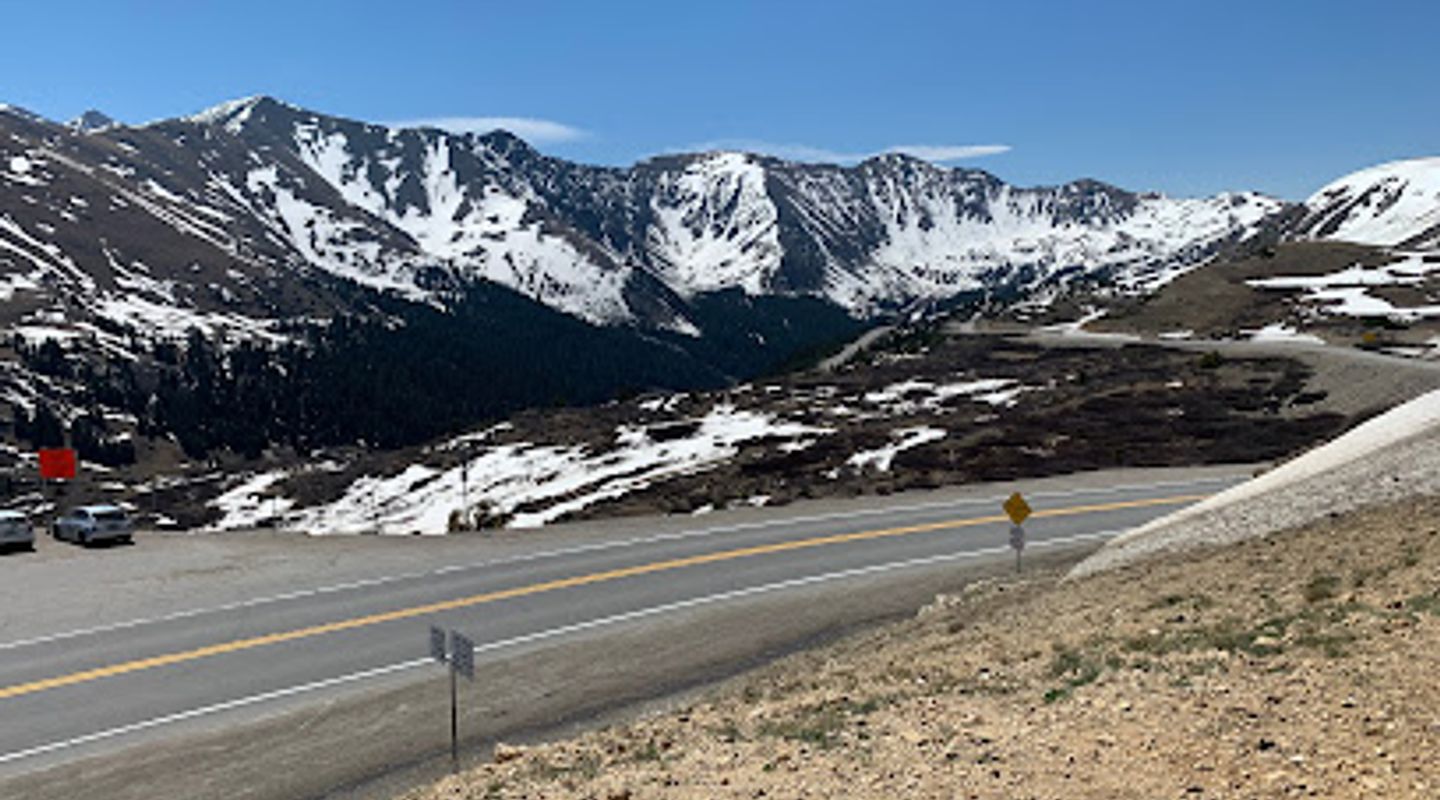
Loveland Pass, Tenmile Range Travel Guide
Experience breathtaking views and outdoor adventures at Loveland Pass, a high mountain pass on the Continental Divide in the Colorado Rockies.
Loveland Pass, a high mountain pass in Colorado, offers stunning views and a glimpse into the state's rugged beauty. At 11,990 feet, it marks the Continental Divide and provides access to hiking, backcountry skiing, and breathtaking scenery, making it a must-see destination for outdoor enthusiasts.
A brief summary to Loveland Pass
- Colorado, US

Know before you go
Hi, I'm Eve. Here are a few practical things to know before exploring Loveland Pass.
- Check weather conditions and road closures before heading up, especially during winter, as the pass can be treacherous.
- Parking at the summit can be limited, especially on weekends; consider arriving early or carpooling.
- Bring layers of clothing, as the weather at high altitude can change rapidly.
- Take it slow on the winding roads, and be prepared for steep grades and hairpin turns.
- Stay hydrated and be aware of altitude sickness symptoms, as the pass is nearly 12,000 feet high.
Do you manage this location?
Take control to get all the benefits, like improved information, better appearance, and stronger visibility across AI-powered discovery. Learn more about listing your business on Evendo
Activate your presenceOther nearby places you may find interesting
The closest places of the same kind, if this one is not quite what you had in mind.


Explore Loveland Pass on the Map
A handpicked selection of must-see spots near Loveland Pass, mapped for you.
Unlock the Best of Loveland Pass
Buy tickets
-
No tickets available
Book tours with entry


Getting There
-
Driving
From Denver, take I-70 West to Exit 216 for US-6 West toward Loveland Ski Area. Follow US-6, which winds up to the summit of Loveland Pass. The drive is approximately 60 miles and takes about 1-2 hours, depending on traffic and weather. Parking is available at the summit, but it can fill up quickly. There are no fees to drive the pass, but be aware that chain restrictions may be in effect during winter storms. There are no tolls.
Discover more about Loveland Pass













Your all‑in‑one travel companion app
Explore expert travel guides, compare and book tours, experiences, hotels, and more—all from the palm of your hand. Download now for seamless trip planning wherever your wanderlust takes you.


Explore More of Tenmile Range
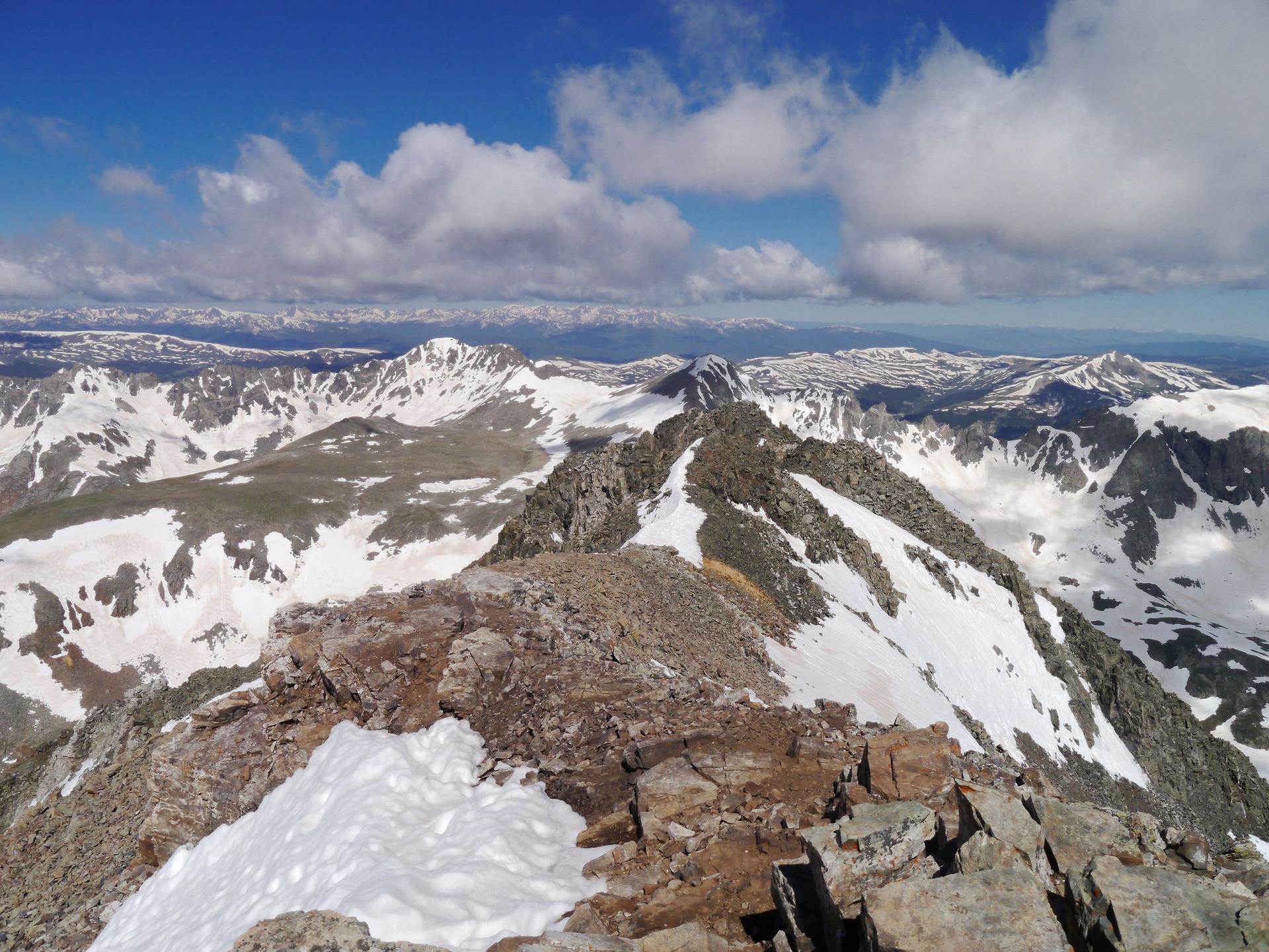
Looking beyond Loveland Pass? Discover Tenmile Range for broader travel guides, local hot-spots, and regional highlights.
Explore Tenmile Range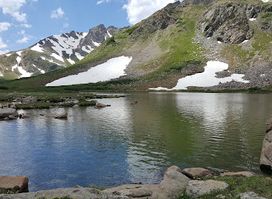
Discover alpine beauty near Dillon, Colorado, with wildflower meadows, mountain vistas, and a pristine lake on the popular Herman Gulch Trail.
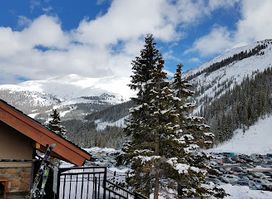
Experience Colorado's authentic ski culture at Loveland Ski Area: Uncrowded slopes, abundant snow, and a long season await just west of Denver.
