Gate of Hercules: A Portal to Pula's Past
Step through Pula's oldest Roman gate, a simple yet significant monument to the city's ancient past and the enduring legend of Hercules.
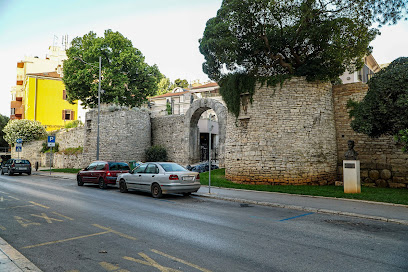
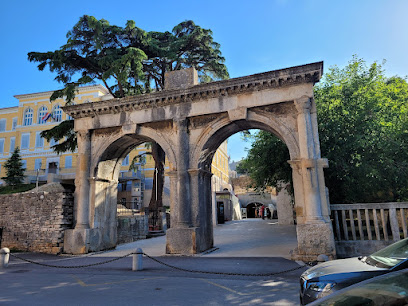
The Gate of Hercules, dating back to 47-44 BC, stands as Pula's oldest Roman gate. Modest in design, this single-arched stone gate features a worn relief of Hercules, the mythical guardian of Pula, along with an inscription detailing its Roman founders.
A brief summary to Gate of Hercules
- Giardini 5, Pula, 52100, HR
- Visit website
Local tips
- Take a moment to appreciate the worn carvings of Hercules and the ancient inscription above the archway.
- Combine your visit with a walk through the adjacent Italian Community area for a glimpse into Pula's diverse cultural influences.
- Visit during the day to best see the details of the carvings and inscription, as lighting is limited at night.

Getting There
-
Walking
From Pula's main square, Trg Portarata, walk northeast towards Ulica Sergijevaca. Continue until you reach the Roman Theatre, then turn left onto Ulica Flavijevska. Turn right onto Ulica Giardini; the Gate of Hercules will be on your left at Giardini 5.
-
Public Transport
From the Pula Bus Station, take bus number 2 or 3 and get off at the 'Giardini' stop. Walk straight ahead, and the Gate of Hercules will be visible. A single bus ticket costs around 11 HRK.
Discover more about Gate of Hercules
Iconic landmarks you can’t miss

Gate of Hercules
0.0 km
Step through Pula's oldest Roman gate, a simple yet significant monument to the city's ancient past and the enduring legend of Hercules.
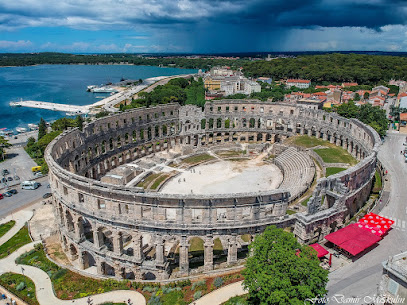
Pula/Pola ancient walls
0.0 km
Discover the ancient walls of Pula, Croatia – a stunning historical landmark showcasing the city's rich Roman heritage and breathtaking views.
Arheološki muzej Pule
0.0 km
Uncover the ancient wonders of Istria at the Archaeological Museum of Pula, where history comes alive through remarkable artifacts and engaging exhibits.
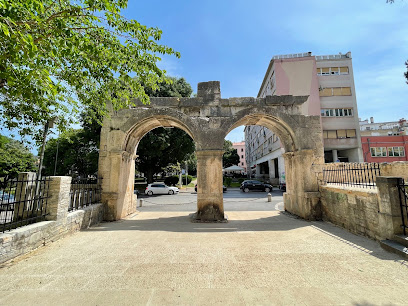
Twin Gate
0.1 km
Explore the Twin Gate, a stunning Roman landmark in Pula, Croatia; a gateway to history and architectural beauty.
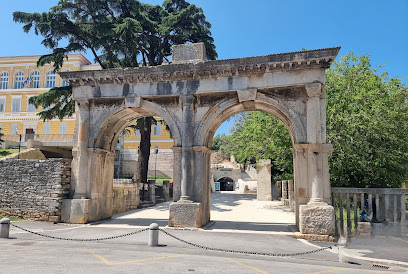
Roman Mausoleum
0.1 km
Explore Pula's ancient Roman heritage at this octagonal mausoleum, a hidden gem dating back to the 1st century AD.
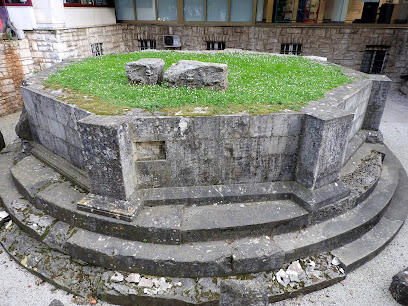
Town walls
0.2 km
Explore Pula's ancient Town Walls, a window into the city's Roman past, showcasing centuries of history and architectural evolution.
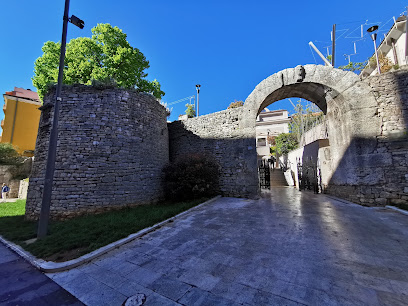
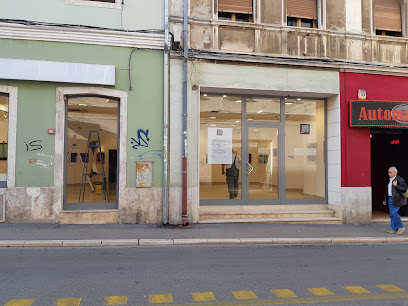
Hrvatsko društvo likovnih umjetnika Istre
0.2 km
Explore contemporary Istrian art at the Croatian Society of Fine Arts in Pula, showcasing local talent and vibrant exhibitions.
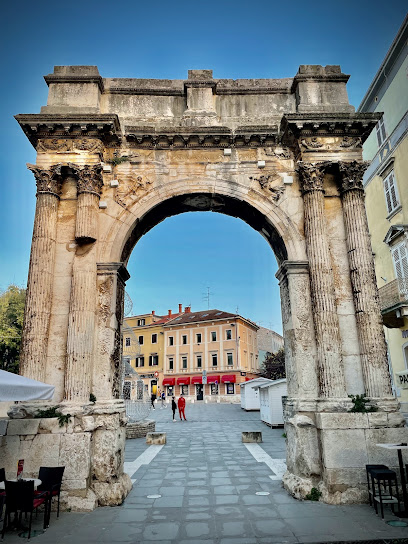
Arch of the Sergii
0.2 km
Discover Pula's ancient Roman roots at the Arch of the Sergii, a remarkably preserved triumphal arch with intricate carvings and a rich history.
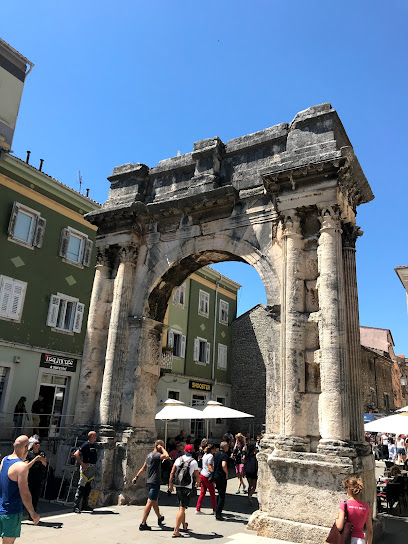
Muzejsko-galerijski prostor Sveta Srca
0.3 km
Explore art and history in a stunningly renovated church in Pula's old town, a unique blend of sacred past and vibrant present.
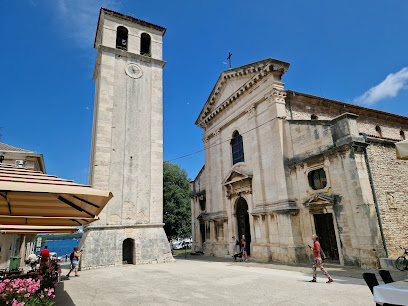
Contemporary Art Museum of Istria
0.3 km
Explore contemporary art in a historical setting at Pula's Museum of Contemporary Art of Istria, showcasing local and international artists.
The Shipyard Pub
0.3 km
Experience Pula's maritime history at The Shipyard Pub, a unique themed venue with live music, great food, and a lively atmosphere.
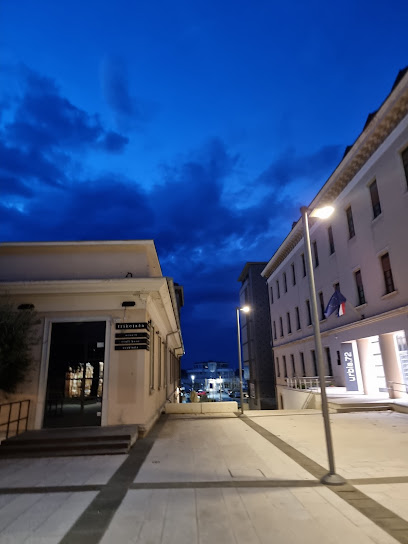
Old City Bar Pula
0.3 km
Experience Pula's vibrant nightlife at Old City Bar: a mix of local charm, refreshing drinks, and lively entertainment in a historic setting.
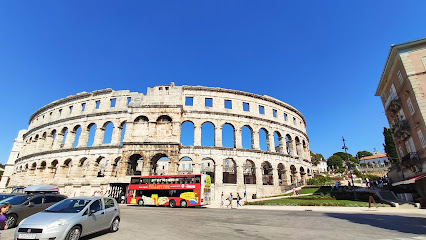
Cathedral's bell tower
0.3 km
Ascend Pula's Cathedral Bell Tower for panoramic city views, a glimpse into history, and a unique architectural experience.
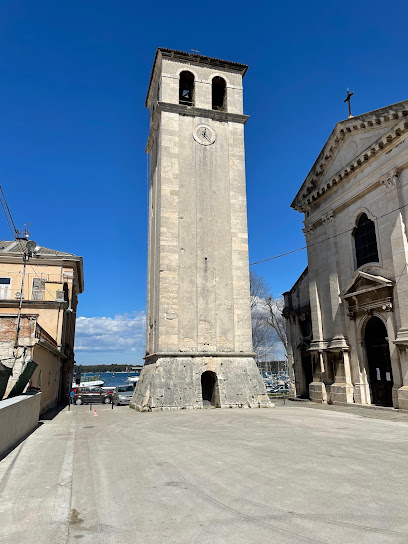
Free Walking Tour Pula with a local guide - Augustus Walks
0.3 km
Explore Pula's ancient history and vibrant culture with a local guide on a free walking tour, discovering hidden gems and iconic landmarks.
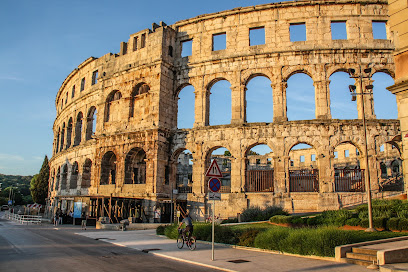
Mosaic The Punishment of Dirce
0.4 km
Explore the historical charm of Mosaic The Punishment of Dirce in Pula, where ancient artistry meets captivating mythology.
Unmissable attractions to see

Zerostrasse
0.1 km
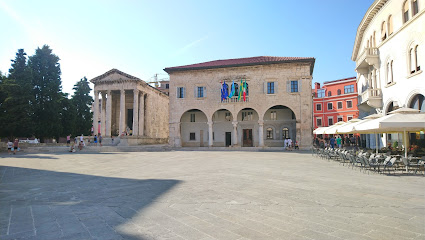
Uncover the secrets of Pula's past at Zerostrasse, a historic underground tunnel complex offering a unique glimpse into the city's heritage.
Giardini
0.1 km
Discover the tranquil beauty of Giardini in Pula, a serene park filled with lush greenery and vibrant flowers, perfect for relaxation and leisurely strolls.
MEMO Museum of good Memories
0.2 km
Explore the past at the MEMO Museum of Good Memories in Pula, where nostalgia and cherished artifacts come together in a delightful experience.
Pula Citadel
0.2 km
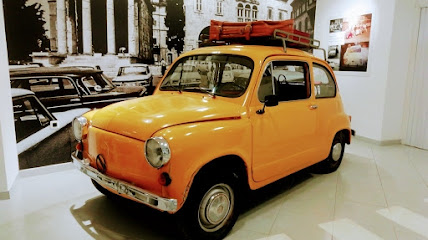
Discover the historical splendor and breathtaking views at Pula Citadel, a must-visit fortress in Croatia's stunning coastal city.
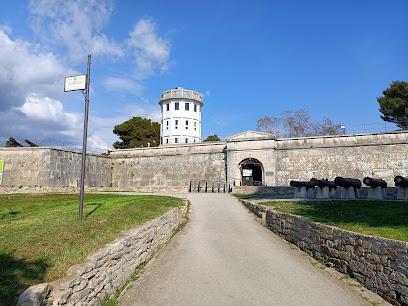
Historical and Maritime Museum of Istria
0.2 km
Explore the Historical and Maritime Museum of Istria, where captivating exhibits reveal the rich heritage and maritime history of Pula.
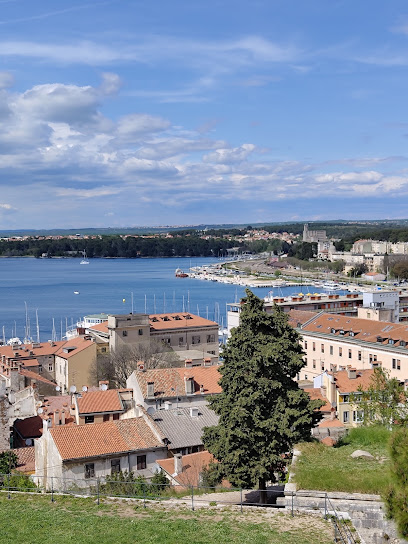
Istrian olive oil museum
0.2 km
Experience the exquisite taste and rich history of Istrian olive oil at the Istrian Olive Oil Museum in Pula, a must-visit for culinary enthusiasts.
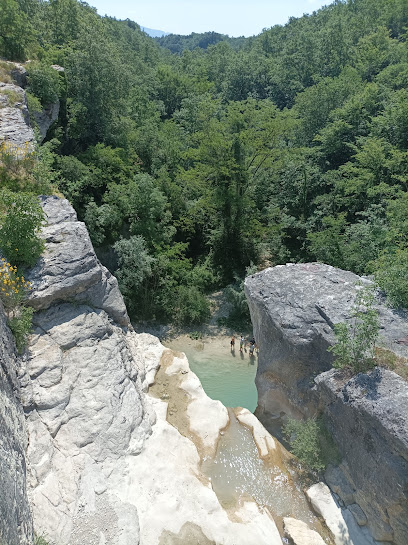
Miniature City Model of Pula
0.2 km
Explore the Miniature City Model of Pula, where the rich history and stunning architecture of Croatia's coastal gem come to life in captivating detail.
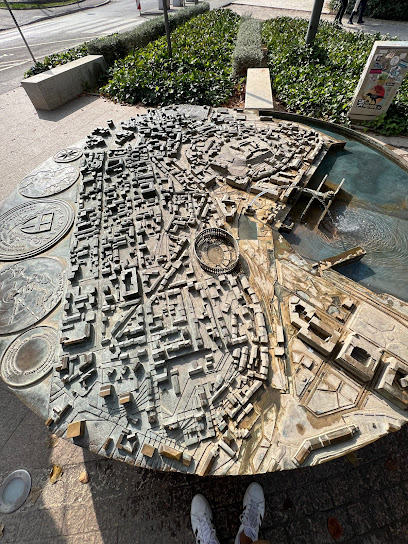
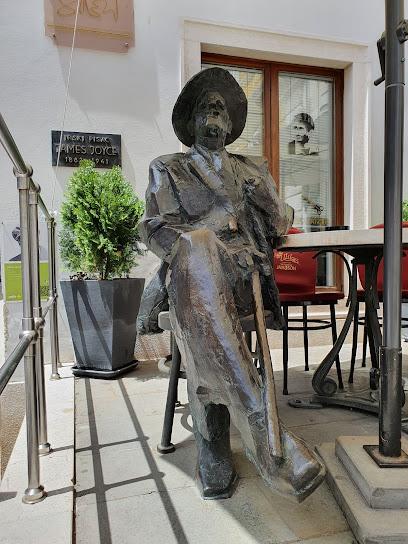
James Joyce monument
0.2 km
Explore the James Joyce Monument in Pula, a tribute to the literary giant amidst the stunning backdrop of Croatia's cultural heritage.
Pogled
0.2 km
Discover breathtaking views of Pula at Pogled, where the Adriatic Sea meets stunning cityscapes.

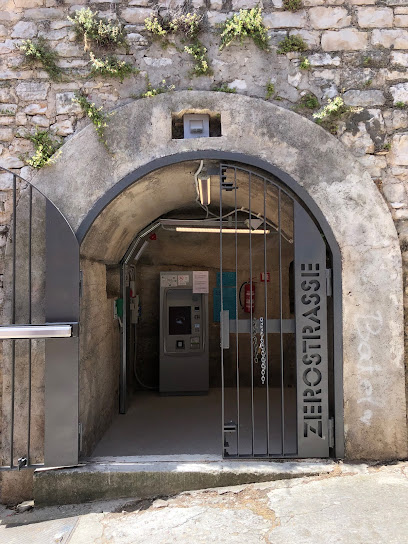
ZEROSTRASSE(EXIT-CVEĆIĆEV USPON)
0.2 km
Explore Zerostrasse, an underground marvel in Pula, Croatia, where history and architecture intertwine to offer a unique glimpse into the past.
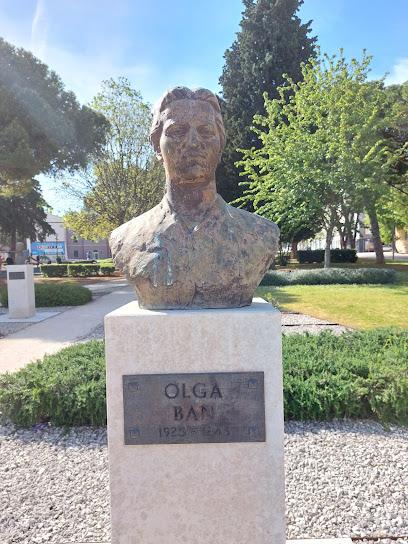
Tito's Park
0.3 km
Discover Tito's Park in Pula, a tranquil urban oasis perfect for relaxation, nature walks, and enjoying the rich cultural landscape of Croatia.
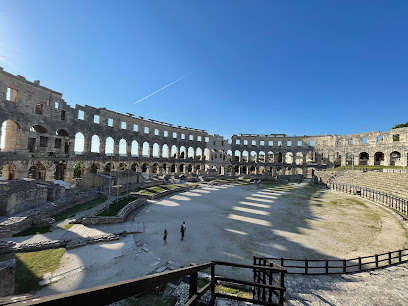
Fontana Pula (Amfiteatar)
0.3 km
Explore the stunning Pula Amphitheater, a remarkable Roman architectural marvel that offers a glimpse into Croatia's rich history and cultural heritage.
Church and monastery of St. Francis
0.3 km
Explore the Church and Monastery of St. Francis in Pula, a serene haven showcasing stunning Baroque architecture and rich spiritual heritage.
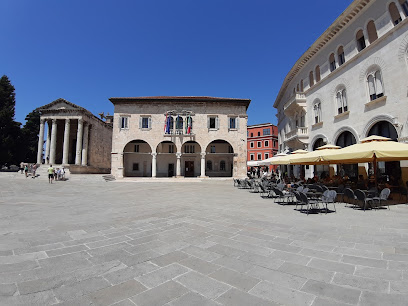
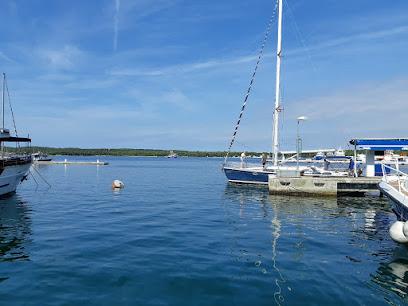
Riva
0.3 km
Discover the vibrant atmosphere of Riva in Pula, a waterfront promenade blending stunning views, local cuisine, and rich history along the Adriatic Sea.
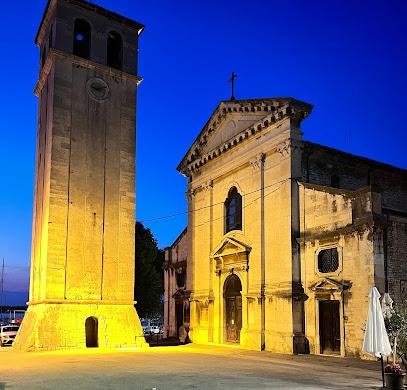
Cathedral of the Assumption of the Blessed Virgin Mary, Pula
0.3 km
Explore the stunning Cathedral of the Assumption of the Blessed Virgin Mary in Pula, a masterpiece of Romanesque architecture and rich history.
Essential places to dine

Gladiator restaurant
0.2 km
Discover the flavors of Croatia at Gladiator Restaurant in Pula - where tradition meets taste in every dish.
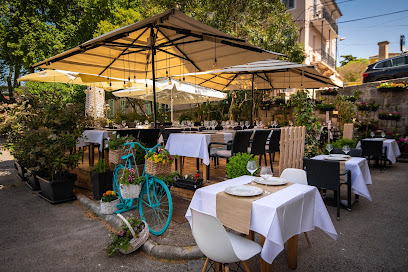
Epulon Food & Wine
0.2 km
Discover the rich flavors of local cuisine at Epulon Food & Wine in Pula - where every dish tells a story.
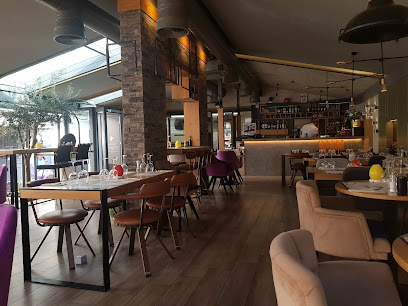
Fabbrica Pula | Pizza&Bbq
0.2 km
Experience authentic Italian flavors at Fabbrica Pula | Pizza&Bbq in Croatia - where delicious pizzas meet savory BBQ delights.
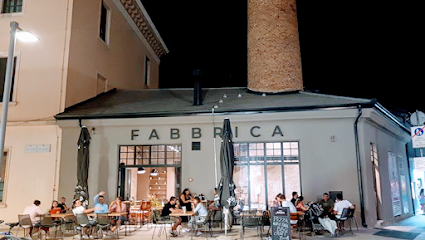
Restaurant Zlatna Vrata
0.2 km
Experience authentic Croatian cuisine at Restaurant Zlatna Vrata in Pula - where fresh ingredients meet traditional recipes for an unforgettable dining experience.
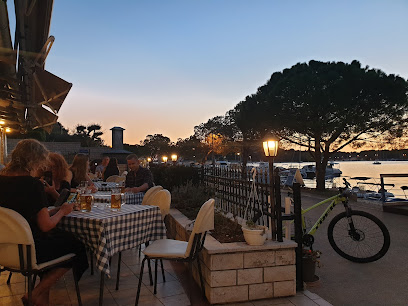
Restoran Momento
0.2 km
Experience authentic Istrian cuisine at Restoran Momento in Pula – where tradition meets modern culinary artistry.
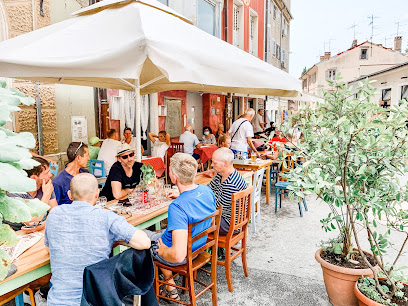
Amfiteatar Restaurant
0.2 km
Experience authentic Croatian cuisine at Amfiteatar Restaurant in Pula – where local flavors meet warm hospitality.
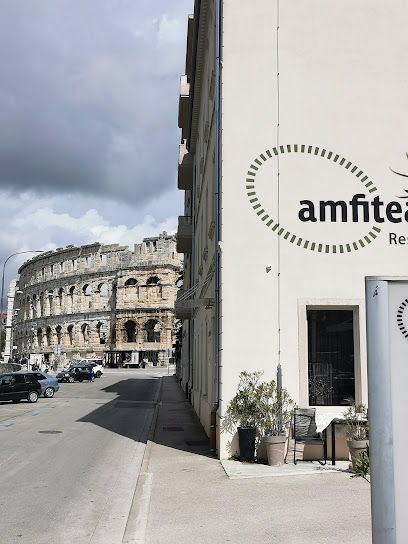
Osteria Food & Wine
0.3 km
Discover the rich flavors of Mediterranean cuisine at Osteria Food & Wine in Pula – where every meal is a celebration of local ingredients.
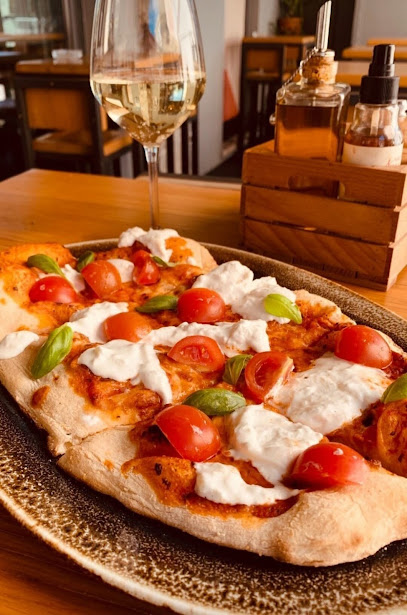
Dva Ferala
0.3 km
Discover Dva Ferala in Pula: Where traditional Croatian flavors meet modern culinary artistry in a welcoming atmosphere.
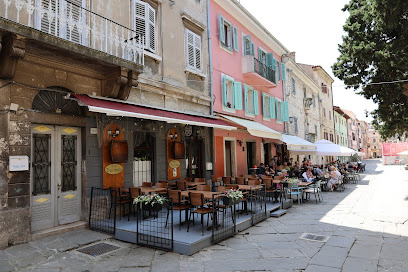
Rendez-vous
0.3 km
Experience the essence of Croatian cuisine at Rendez-vous in Pula—where local flavors meet warm hospitality.
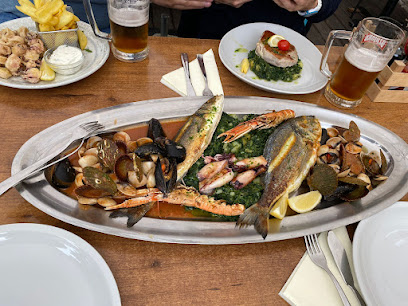
Restoran & lounge bar Meating
0.3 km
Discover culinary excellence at Restoran & Lounge Bar Meating in Pula - where gourmet meats meet stunning seafood.
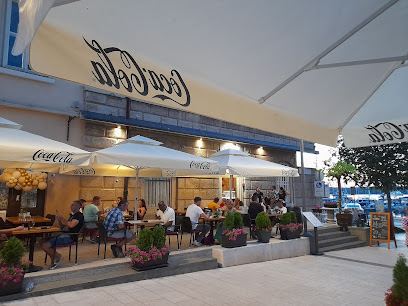
Hook & Cook Pula
0.3 km
Discover culinary delights at Hook & Cook Pula – where fresh seafood meets innovative flavors in a vibrant coastal atmosphere.
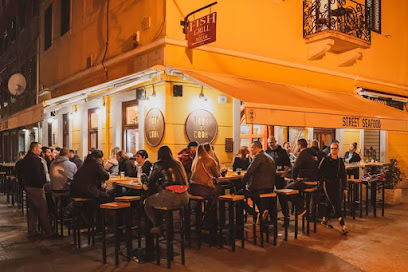
Restoran Popaj
0.3 km
Experience authentic Croatian cuisine at Restoran Popaj in Pula – where local flavors meet warm hospitality in a charming setting.
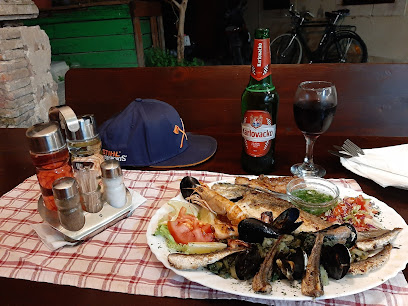
Restoran La Cuxina
0.3 km
Experience authentic Croatian cuisine at Restoran La Cuxina in Pula, where local flavors meet Mediterranean charm.
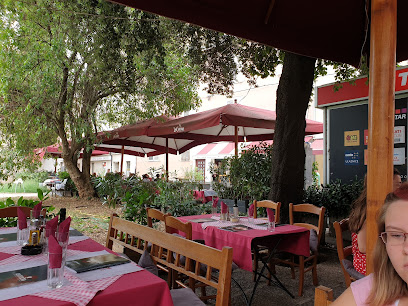
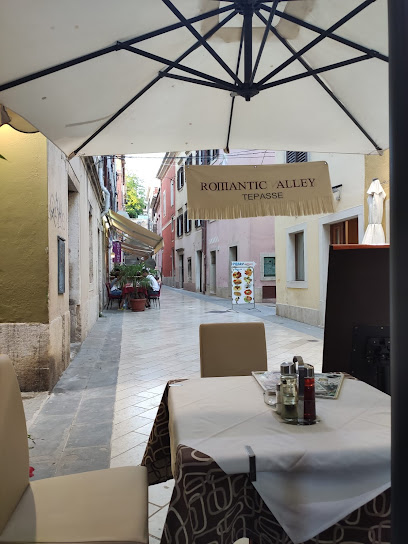
Bistro Romantic Alley
0.3 km
Discover the enchanting flavors of Croatia at Bistro Romantic Alley, where every meal is a celebration of local ingredients and heartfelt hospitality.
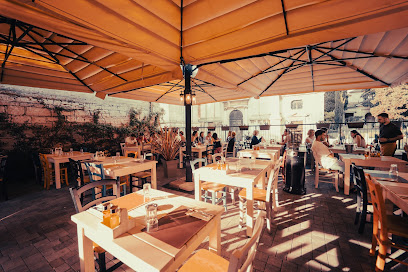
Duomo Trattoria
0.3 km
Experience authentic Italian cuisine in Pula at Duomo Trattoria, where every dish tells a story and every meal is a celebration.
Markets, malls and hidden boutiques

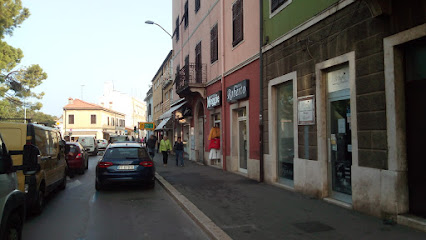
Muffin fashion store
0.1 km
Explore the stylish world of Muffin Fashion Store in Pula, where fashion meets local charm for every discerning traveler.
GARAGE
0.1 km
Explore GARAGE in Pula for unique fashion finds and local designer collections, all set in a trendy boutique atmosphere.
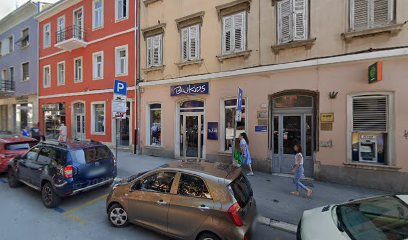
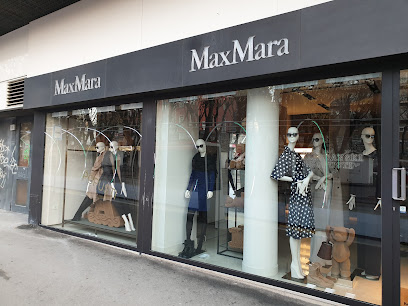
Max Mara
0.2 km
Explore Max Mara in Pula for exquisite women's clothing and stylish fashion accessories that redefine elegance and sophistication.
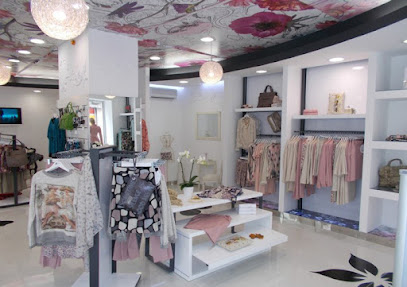
P....S....fashion Pula
0.2 km
Discover the latest trends in women's fashion at Pula's chic clothing store, where style meets quality in a vibrant shopping atmosphere.
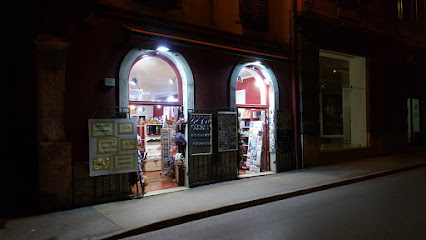
Gift shop & suvenir shop Trezor - Pula
0.2 km
Explore Trezor Gift Shop in Pula for authentic Croatian souvenirs, local crafts, and a piece of Pula's cultural heritage.
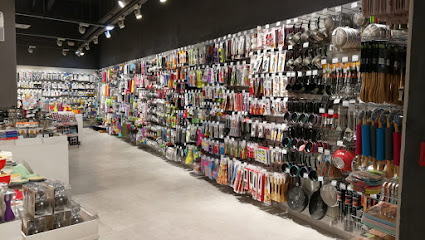
Naracamicie
0.2 km
Discover unique elegance at Naracamicie, a premier dress store in Pula, Croatia, offering a stunning collection for every occasion.
Jam Jam
0.2 km
Discover the ultimate shopping paradise at Jam Jam in Pula, featuring a diverse range of stores and a vibrant atmosphere for all visitors.
Office Shoes Pula
0.2 km
Explore stylish and comfortable footwear at Office Shoes Pula, your premier shoe store in the heart of this historic coastal city.
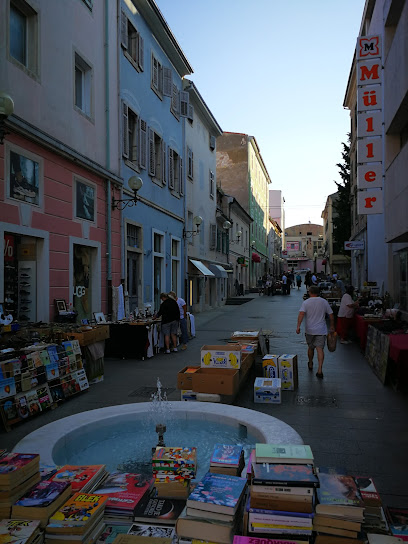
Müller
0.2 km
Discover Müller in Pula: A versatile drug store offering health essentials, perfumes, and more for all your travel needs.
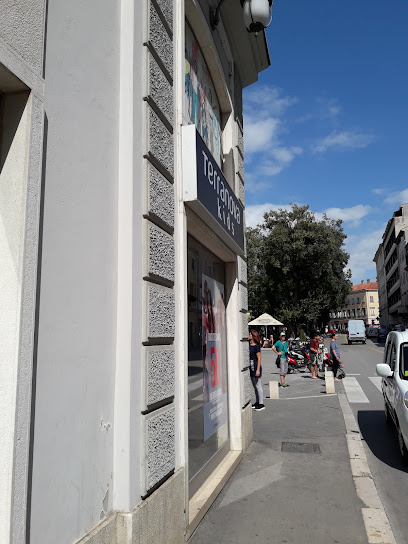
Terranova
0.2 km
Explore the stylish world of Terranova in Pula, where fashion meets affordability for all ages.
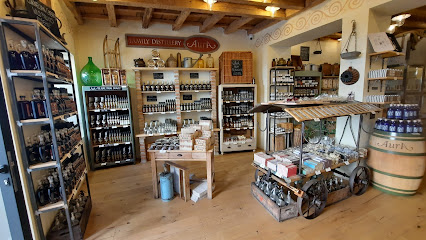
Aura Distillery Shop
0.2 km
Experience the essence of Croatia at Aura Distillery Shop, home to exquisite local spirits and a celebration of traditional distillation.
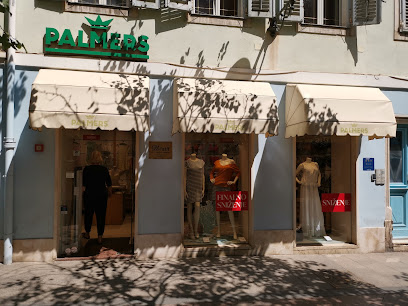
PALMERS
0.2 km
Explore Palmers, Pula’s premier clothing store, offering unique styles and quality apparel that reflects the vibrant culture of Croatia.
ITMANS EMPORIO
0.2 km
Explore the vibrant world of yarn at ITMANS EMPORIO in Pula, where creativity meets quality in every skein.
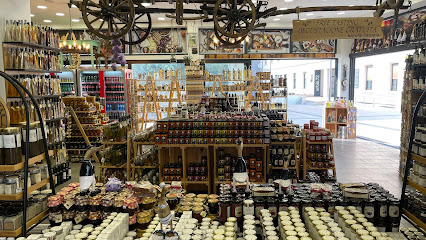
Nature Croatia
0.2 km
Explore Nature Croatia: Your go-to souvenir store in Pula for authentic local crafts and eco-friendly products that celebrate the beauty of Croatia.
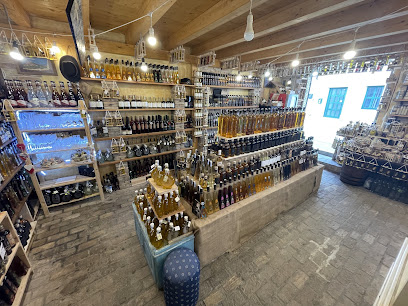
Distillery Shop
0.2 km
Explore Pula's Distillery Shop for authentic local spirits, unique souvenirs, and a taste of Croatian culture in a charming setting.
Essential bars & hidden hideouts

Bolero
0.1 km
Discover Bolero in Pula: A lively bar offering a vibrant atmosphere, diverse drink menu, and a perfect spot to soak in the city's nightlife.
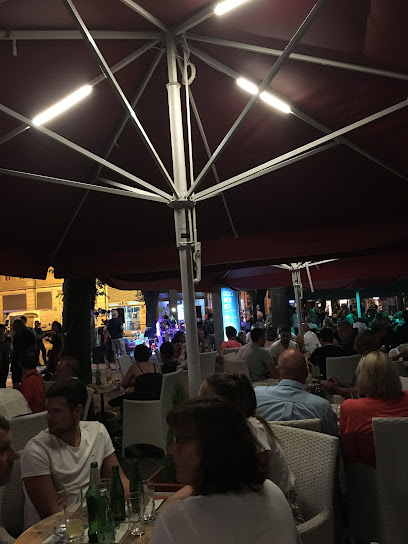
Ulysses
0.2 km
Explore Ulysses in Pula for a delightful blend of local wines, craft beers, and a vibrant atmosphere perfect for socializing.
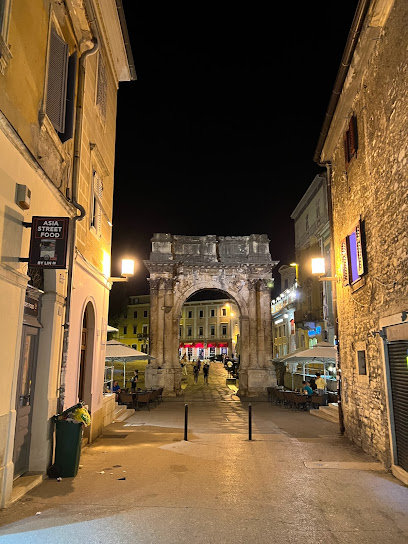
Caffe bar Nautica
0.3 km
Experience the perfect blend of coffee and cocktails at Caffe Bar Nautica, where coastal charm meets vibrant atmosphere in Pula.
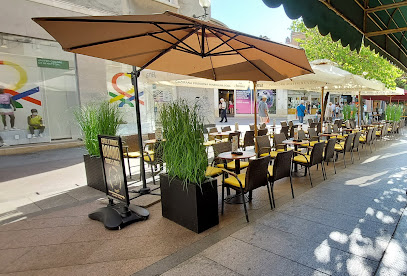
Bounty
0.3 km
Experience the vibrant nightlife of Pula at Bounty, a lively bar offering delicious cocktails and a welcoming atmosphere.
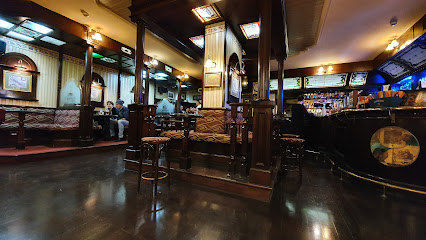
Boca Wine Bar
0.3 km
Discover the rich flavors of Croatia at Boca Wine Bar in Pula, where fine wines and a cozy atmosphere await every visitor.
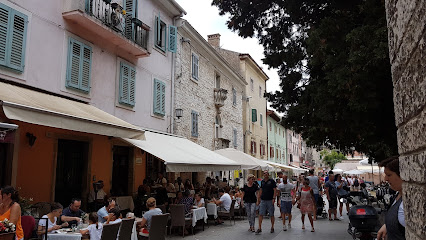
Scandal Express
0.3 km
Discover the vibrant nightlife of Pula at Scandal Express, a lively bar offering delicious drinks and an inviting atmosphere for all.
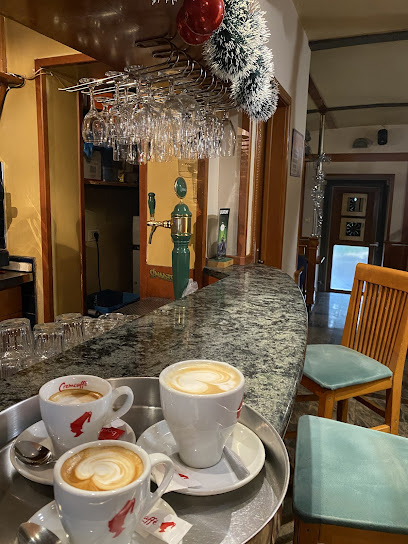
Enoteca Istriana
0.4 km
Enoteca Istriana: Your gateway to the finest Istrian wines and local delicacies in the heart of Pula.
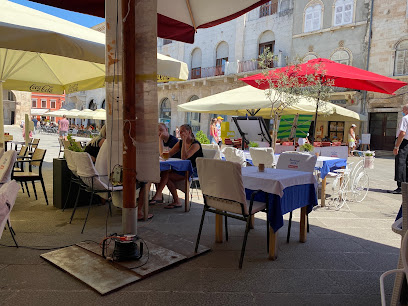
Pula Pub Crawl
0.5 km
Unleash your inner party animal at Pula Pub Crawl, the ultimate nightlife experience in Pula, Croatia, blending bars, disco vibes, and unforgettable memories.
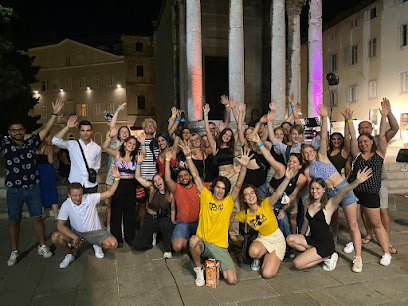
Caffe Bar Scala
0.5 km
Experience the vibrant atmosphere and local flavors at Caffe Bar Scala, a cozy bar in the heart of Pula, Croatia.
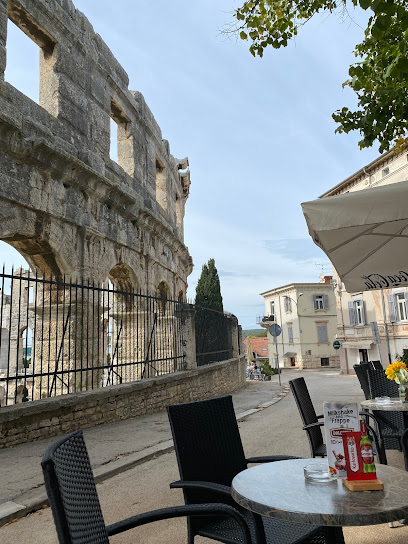
Rock Bar Mimoza
0.5 km
Experience the vibrant atmosphere and stunning views at Rock Bar Mimoza, the perfect coastal retreat in Pula for drinks and relaxation.
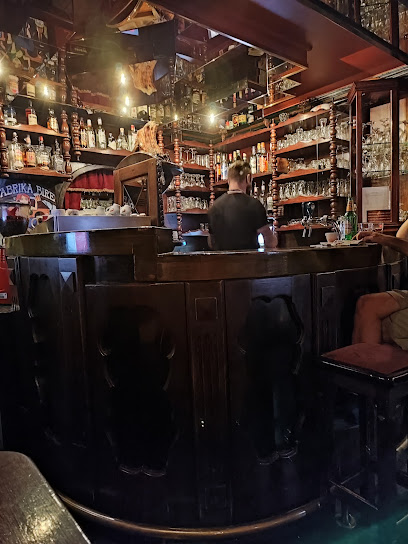
Pietas Julia
0.6 km
Experience the vibrant blend of culinary excellence and nightlife at Pietas Julia in Pula, where every meal and night out is unforgettable.
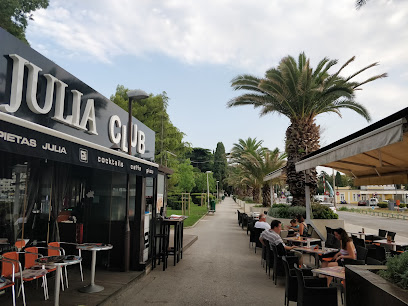
Baboo Cocktail bar
0.7 km
Experience the lively atmosphere and signature cocktails at Baboo Cocktail Bar in Pula, the perfect spot for nightlife enthusiasts.
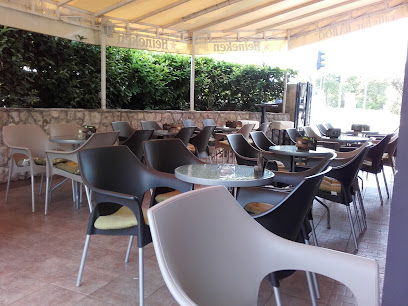
Bass bar Pula
1.6 km
Experience the lively ambiance and delightful drinks at Bass Bar Pula, where locals and tourists come together to unwind in style.
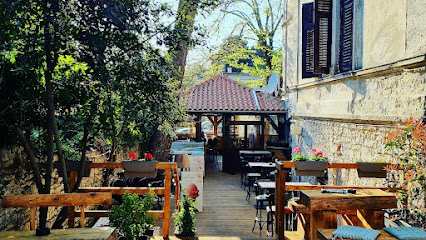
Cabahia
1.6 km
Discover the lively nightlife of Pula at Cabahia, a vibrant bar offering a great selection of drinks and a welcoming atmosphere for all visitors.
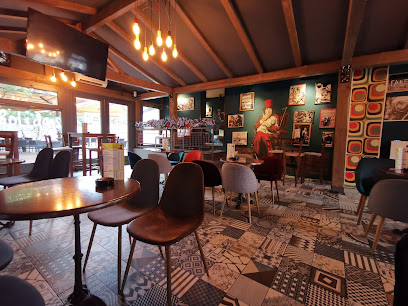
Champagne Bar
1.6 km
Experience the elegance of the Champagne Bar in Pula, where exquisite bubbles and a vibrant atmosphere await every visitor.
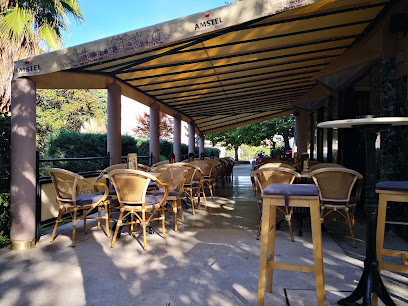
Nightclubs & after hour spots

Rock Caffe
0.2 km
Experience the electrifying nightlife of Pula at Rock Caffe, where great music, vibrant ambiance, and unforgettable nights await.
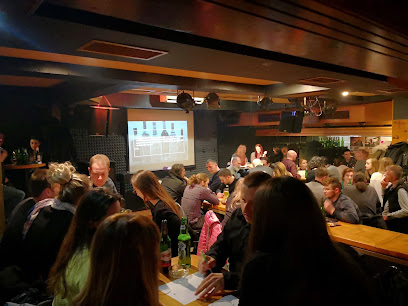
SVETLAN BAY
0.3 km
Dive into the vibrant nightlife at Svetlan Bay, Pula's premier night club offering electrifying music, delicious cocktails, and unforgettable experiences.
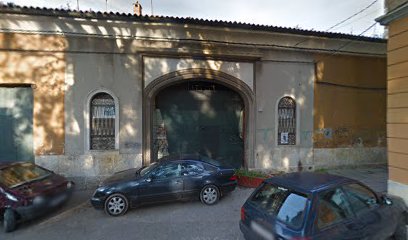
Cargo Club
1.0 km
Discover the vibrant nightlife at Cargo Club in Pula, where great music, lively atmosphere, and top-notch service create unforgettable nights.
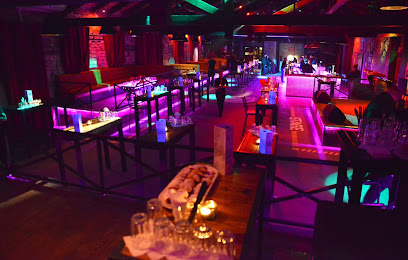
Stella Club
1.6 km
Experience the electric nightlife at Stella Club, Pula’s premier destination for dancing, drinks, and unforgettable memories.
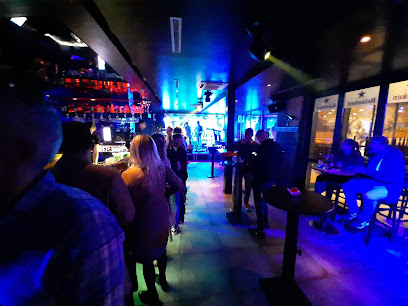
M.GRACIJA obrt za masazu
2.3 km
Experience serenity and rejuvenation at M.GRACIJA, Pula's top massage studio, offering personalized therapies in a tranquil lounge setting.
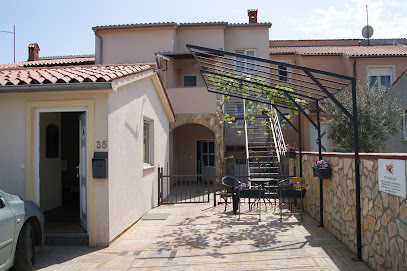
Monte Serpente
2.3 km
Discover the lively nightlife of Monte Serpente, a top night club in Pula, Croatia, where unforgettable parties and pulsating music await.
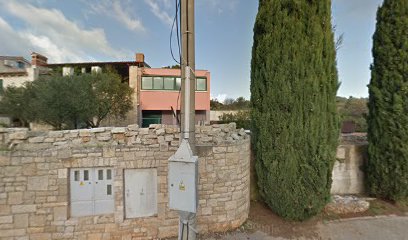
Vestrum beach
23.5 km
Discover the tranquil beauty of Vestrum Beach in Rovinj, a perfect spot for sunbathing, swimming, and enjoying refreshing drinks by the Adriatic.
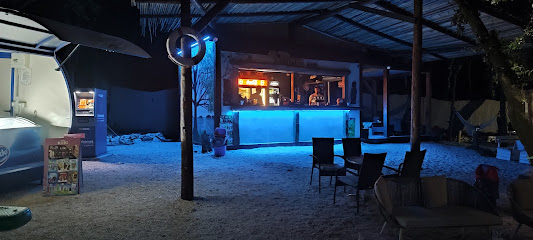
Adris Old Tobacco Factory
28.4 km
Experience the lively nightlife at Adris Old Tobacco Factory in Rovinj, a historic night club blending culture and entertainment.
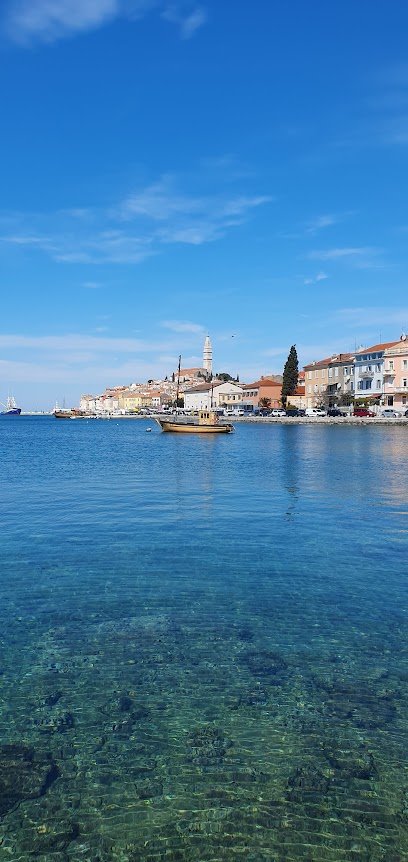
Swinger club Bada Bing
28.5 km
Experience the vibrant nightlife at Bada Bing, Rovinj's unique swinger club, where freedom and fun meet in an exciting atmosphere.
Óváros éjszaka
29.0 km
Dive into the electrifying nightlife of Óváros éjszaka in Rovinj, where music, dance, and an unforgettable atmosphere await you.
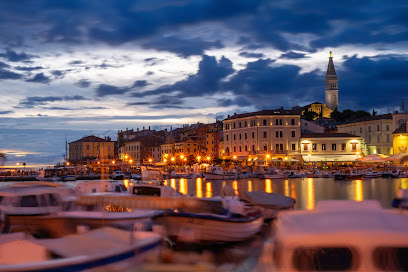
JAE1 Cruises
29.1 km
Experience the best of Rovinj with JAE1 Cruises: breathtaking boat tours and vibrant nightlife await you in this stunning coastal town.
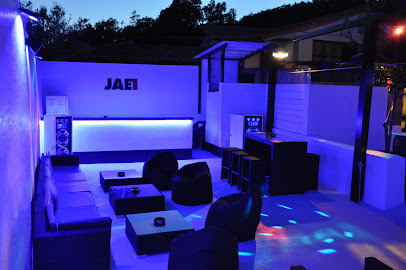
Swingerclub Moonlight
31.0 km
Discover the vibrant nightlife at Swingerclub Moonlight in Rovinj, where adventure meets elegance in a welcoming atmosphere for adults.
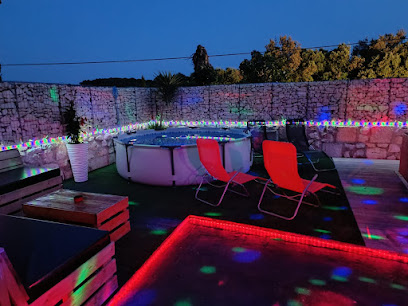
Byblos - Porec - Croatia
41.8 km
Discover the electrifying nightlife at Byblos in Poreč, Croatia – where music, dance, and unforgettable memories come alive.
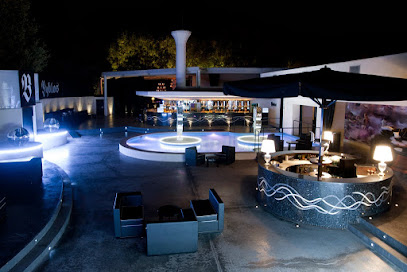
Villa Club Poreč
43.9 km
Experience the electrifying nightlife at Villa Club Poreč, where vibrant music and delicious cocktails await you in the heart of Istria.
COCO Club
44.0 km
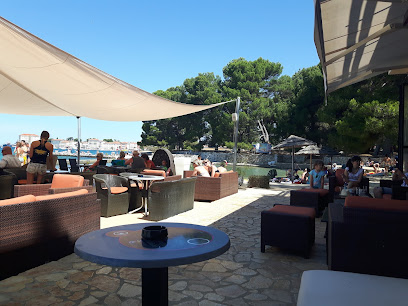
Experience the vibrant nightlife of Poreč at COCO Club, where energetic beats and lively crowds create unforgettable nights.