

Brass Gate, Split Travel Guide
Free Guide: Enter Diocletian's Palace through the Brass Gate, a historic passage connecting Split's vibrant Riva to ancient Roman wonders.


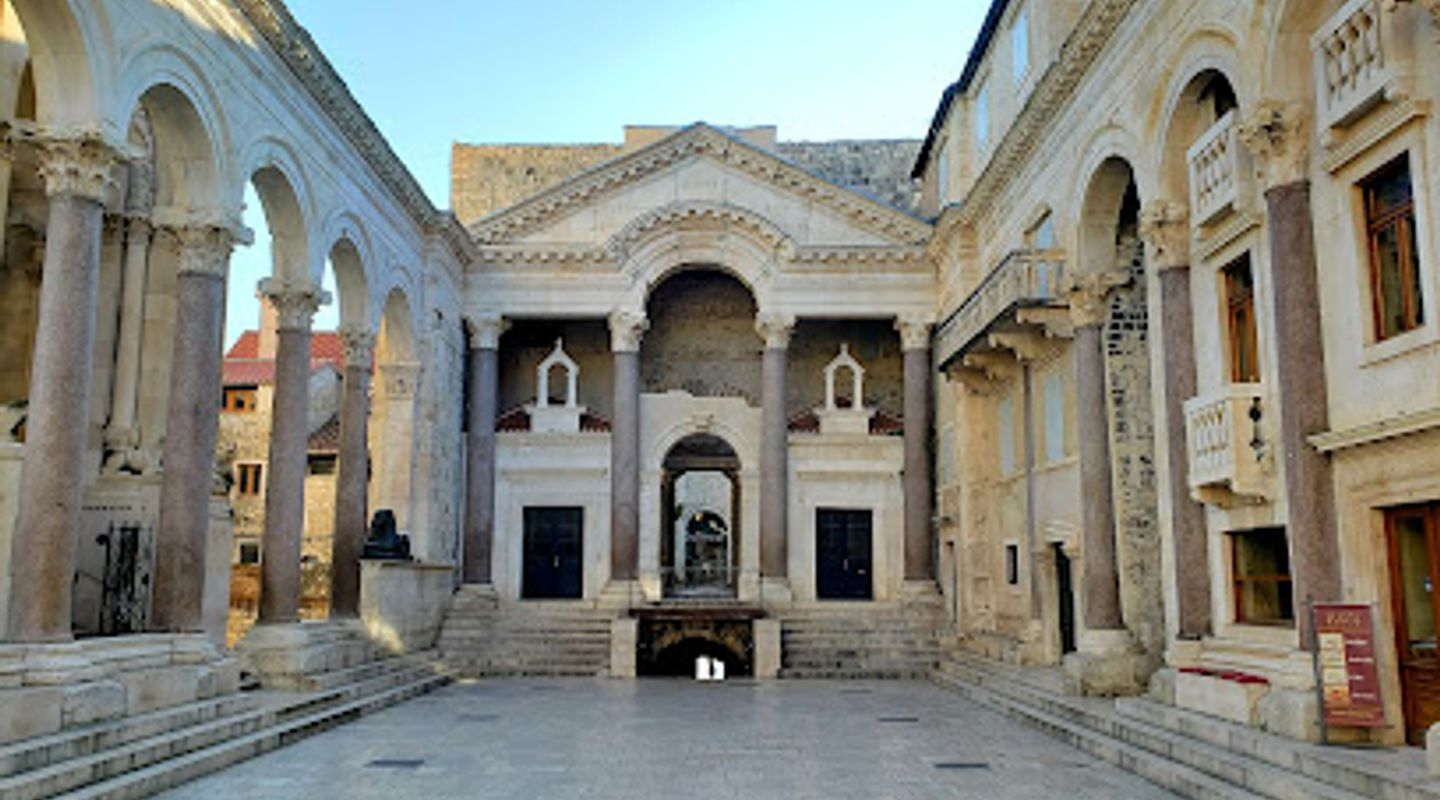
A brief summary of Brass Gate
Enter Diocletian's Palace through the Brass Gate, a historic passage connecting Split's vibrant Riva to ancient Roman wonders.
The Brass Gate, or 'Porta Meridionalis,' is the southern entrance to Diocletian's Palace in Split, Croatia. Smaller and less ornate than the other gates, it once opened directly onto the sea, serving as a secure escape route. Today, it's a bustling entry point to the Palace and its substructures.
Opening hours
- Every day8:30 am–10 pm
Opening hours as listed on the venue’s Google Business Profile. Hours can change for services and special events, so check with the venue before you go.
- Address
- Obala Hrvatskog narodnog preporoda 22, 21000, Split
- Phone
- Website
Getting there
Walking
Public Transport
Taxi
Discover more about Brass Gate
Overview
The Brass Gate, known in Roman times as Porta Meridionalis, offers a unique entry into the heart of Split's Diocletian's Palace. Unlike the grander Golden, Silver, and Iron Gates, the Brass Gate is more modest in size and design. Its original purpose was less about ceremonial entrance and more about practical access to the sea.In ancient times, the gate opened directly onto the waterfront, allowing for the direct delivery of goods to the palace substructures. This direct access also provided a secure escape route by sea in case of attack. The Venetians later renamed it the Brass Gate.Today, the Riva promenade has been built up, and the gate now leads from the bustling waterfront into the cool depths of the Palace cellars. These substructures offer a glimpse into the original layout of Diocletian's private residences and now house souvenir shops. The Brass Gate is the most frequently used entrance by tourists, who often begin their guided tours here.
Evendo Review Centre
 Google
Guest reviews
Explore Brass Gate on the map
A handpicked selection of must-see spots near Brass Gate, mapped for you.
Get your free copy of our complete guide to Brass Gate, delivered straight to you.
Everything on this page, from opening hours and how to get there to Eve’s tips and the best time to go, in one PDF you can read offline, print or share.
Already have an account? Sign in
Your Brass Gate guide is ready.
We'll send it to · Not you? Sign out

Getting your guide ready…
We are putting together a fresh copy of the Brass Gate guide. This can take up to a minute.
This can take a few moments. If your browser asks, choose Allow so the download can start. You'll find the guide in your Downloads folder.
Nothing happened? Download it again
Sorry, the guide is taking longer than usual. Please try again in a minute, or get it by email instead.
Unlock the best of Brass Gate
Skip-the-line tickets, guided tours with entry, and walking tours of the area, booked in a few clicks.
 Tour with entry
Split Walking Tour: Diocletian’s Palace & Old Town Highlights
from $26.70 Tour with entry
Essential Split Walking Tour Discover History and Culture
from $37.38 Tour with entry
Split City Tour By Electric Rickshaw┃Riva Ride
from $72.62 Tour with entry
Split Tour in Private Electric Rickshaw
from $85.44
Other nearby places you may find interesting
The closest places of the same kind, if this one is not quite what you had in mind.
-
-
-
-
-


Swipe for more places
More to explore near Brass Gate

 Best experiences near Brass Gate
 Best hotels near Brass Gate
 Best landmarks near Brass Gate
 Best attractions near Brass Gate
 Best shops near Brass Gate
 Best restaurants near Brass Gate
 Best bars near Brass Gate
Do you manage this location?
Take control to get all the benefits, like improved information, better appearance, and stronger visibility across AI-powered discovery.
Explore more

Explore more of Bacvice
Discover Bacvice in Split: A vibrant coastal haven with sandy beaches, lively nightlife, and rich cultural heritage, perfect for an unforgettable Mediterranean getaway.
Explore Bacvice
Explore more of Split
Explore Split, Croatia's vibrant coastal gem, where ancient history meets modern charm. Discover stunning beaches, rich culture, and a gateway to the beautiful Dalmatian islands.
Explore Split
