Mirogoj cemetery, Zagreb Travel Guide
Free Guide: Discover Zagreb's stunning Mirogoj Cemetery: a peaceful landmark blending art, architecture, and Croatian history.


A brief summary of Mirogoj cemetery
Discover Zagreb's stunning Mirogoj Cemetery: a peaceful landmark blending art, architecture, and Croatian history.
Mirogoj Cemetery, a landmark in Zagreb, is more than a burial ground; it's an open-air art gallery and a peaceful retreat. Designed by Hermann Bollé and opened in 1876, it features impressive arcades, diverse religious symbols, and the graves of notable Croatians, making it a must-see destination for history and art enthusiasts alike.
Opening hours
- Mon6 am–6 pm
- Tue6 am–6 pm
- Wed6 am–6 pm
- Thu6 am–6 pm
- Fri6 am–6 pm
- Sat6 am–8 pm
- Sun6 am–8 pm
Opening hours as listed on the venue’s Google Business Profile. Hours can change for services and special events, so check with the venue before you go.
- Address
- Aleja Hermanna Bollea 27, 10000, Zagreb
- Phone
- Website
Getting there
Public Transport
Taxi
Walking
Discover more about Mirogoj cemetery
Overview
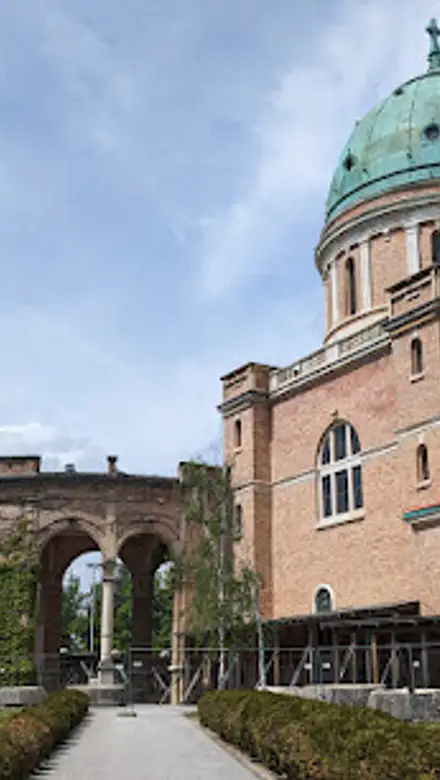
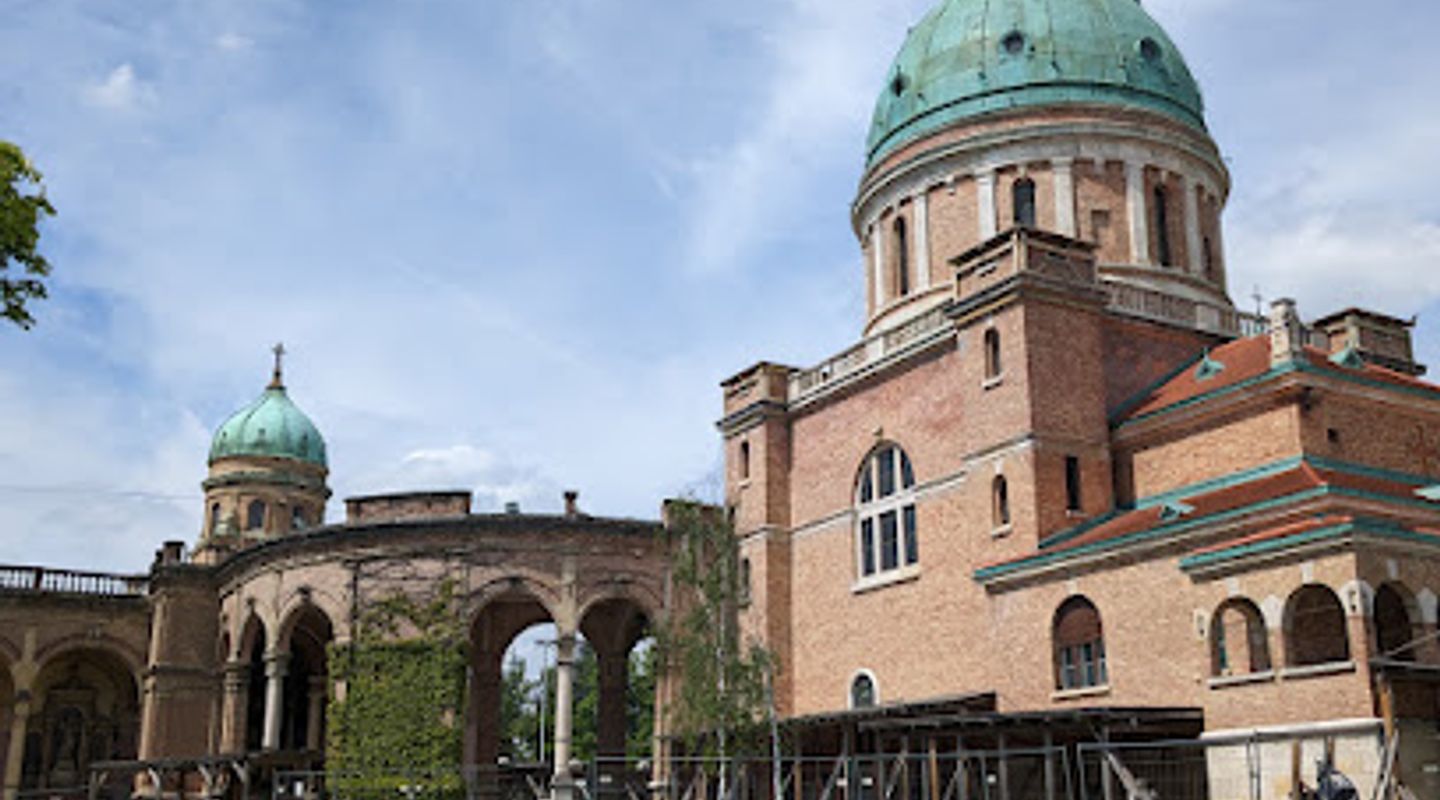
Mirogoj Cemetery, often called the Croatian Pantheon, stands as one of Zagreb's most remarkable landmarks. Opened in 1876, this cemetery transcends its primary function as a burial ground, evolving into a serene park, an open-air art gallery, and a testament to Croatian history and culture.The cemetery's design is the work of Hermann Bollé, a German architect who left an indelible mark on Zagreb. Bollé envisioned Mirogoj as a harmonious blend of architecture, art, and nature, drawing inspiration from Italian and Central European cemeteries. The result is a stunning Neo-Renaissance complex characterized by symmetry, balance, and clear perspectives. Construction of the iconic arcades, cupolas, and the main church began in 1879, with work continuing until 1929.Mirogoj is a multi-denominational cemetery, a unique feature for its time, accepting burials from all religious backgrounds, including Catholic, Orthodox, Muslim, Jewish, and Protestant. This inclusivity is reflected in the diverse religious symbols adorning the cupolas and monuments. The arcades serve as the final resting place for many famous Croats, including artists, writers, musicians, scientists, and politicians. Walking through the cemetery, visitors can discover the graves of notable figures such as the architect Hermann Bollé himself, writer Ivana Brlić-Mažuranić, and basketball player Dražen Petrović.The cemetery is also home to numerous memorials, including monuments to the victims of World War I, World War II, and the Croatian War of Independence. These memorials serve as poignant reminders of Croatia's complex history and the sacrifices made by its people. Mirogoj is celebrated as one of Europe's most beautiful cemeteries, attracting visitors with its peaceful atmosphere, stunning architecture, and rich cultural significance.
Evendo Review Centre
 Google
Guest reviews
Explore Mirogoj cemetery on the map
A handpicked selection of must-see spots near Mirogoj cemetery, mapped for you.
Get your free copy of our complete guide to Mirogoj cemetery, delivered straight to you.
Everything on this page, from opening hours and how to get there to Eve’s tips and the best time to go, in one PDF you can read offline, print or share.
Already have an account? Sign in
Your Mirogoj cemetery guide is ready.
We'll send it to · Not you? Sign out

Getting your guide ready…
We are putting together a fresh copy of the Mirogoj cemetery guide. This can take up to a minute.
This can take a few moments. If your browser asks, choose Allow so the download can start. You'll find the guide in your Downloads folder.
Nothing happened? Download it again
Sorry, the guide is taking longer than usual. Please try again in a minute, or get it by email instead.
Other nearby places you may find interesting
The closest places of the same kind, if this one is not quite what you had in mind.
-

-
-
-
-


Swipe for more places
More to explore near Mirogoj cemetery

 Best experiences near Mirogoj cemetery
 Best hotels near Mirogoj cemetery
 Best landmarks near Mirogoj cemetery
 Best attractions near Mirogoj cemetery
 Best shops near Mirogoj cemetery
 Best restaurants near Mirogoj cemetery
 Best bars near Mirogoj cemetery
Do you manage this location?
Take control to get all the benefits, like improved information, better appearance, and stronger visibility across AI-powered discovery.
Explore more

Explore more of Zagreb
Discover Zagreb: Croatia’s Capital of Charm, Culture, and History. From medieval streets to vibrant nightlife, this city has something for every traveler.
Explore Zagreb
Explore more of Croatia
Discover Croatia: A Mediterranean paradise with stunning coastlines, ancient cities, and rich cultural heritage. Perfect for beach lovers, history buffs, and nature enthusiasts.
Explore Croatia