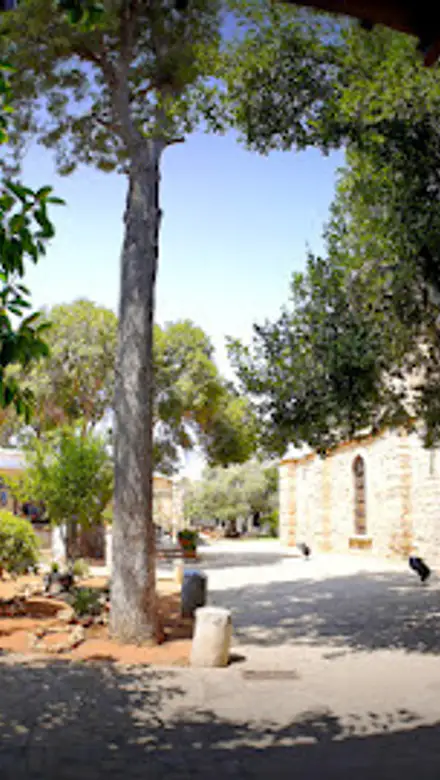
Saint Barnabas Monastery, Famagusta District Travel Guide
Discover the spiritual and historical significance of Saint Barnabas Monastery near Tuzla, Cyprus, home to ancient relics, stunning Byzantine architecture, and the tomb of the island's patron saint.
Nestled near Tuzla, Cyprus, the Saint Barnabas Monastery is a captivating blend of history, spirituality, and art. Founded in the 5th century and rebuilt in the 18th, this Greek Orthodox monastery is dedicated to Saint Barnabas, the patron saint of Cyprus. Today, it functions as a museum, housing an impressive collection of Cypriot artifacts dating back to the 7th century BC. Visitors can explore the icon museum, the archaeological museum, and the chapel containing St. Barnabas's tomb. The monastery's serene atmosphere, coupled with its rich historical and religious significance, makes it a must-visit destination for those seeking a deeper understanding of Cyprus's cultural heritage. Wander through the tranquil grounds, admire the Byzantine architecture, and discover the fascinating stories behind the ancient relics, making for an unforgettable experience.
A brief summary to Saint Barnabas Monastery
- 5VFJ+V4X, Tuzla, CY
- Monday 8 am-6 pm
- Tuesday 8 am-6 pm
- Wednesday 8 am-6 pm
- Thursday 8 am-6 pm
- Friday 8 am-6 pm
- Saturday 8 am-6 pm
- Sunday 8 am-6 pm

Know before you go
Hi, I'm Eve. Here are a few practical things to know before exploring Saint Barnabas Monastery.
- Visit early in the morning to avoid crowds and experience the monastery's peaceful atmosphere.
- Explore both the icon museum and the archaeological museum to gain a comprehensive understanding of the site's history and religious significance.
- Dress modestly when visiting, as it is a religious site.
- Combine your visit with a trip to the nearby ancient city of Salamis for a full day of historical exploration.
- Check the opening hours in advance, especially during holidays or religious events.
Do you manage this location?
Take control to get all the benefits, like improved information, better appearance, and stronger visibility across AI-powered discovery. Learn more about listing your business on Evendo
Activate your presenceOther nearby places you may find interesting
The closest places of the same kind, if this one is not quite what you had in mind.
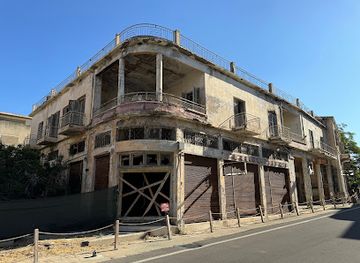
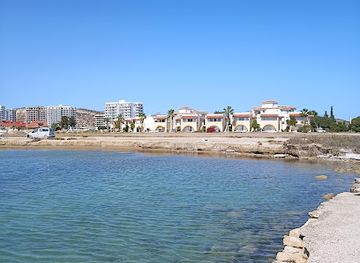
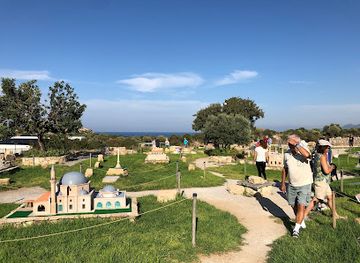
Explore Saint Barnabas Monastery on the Map
A handpicked selection of must-see spots near Saint Barnabas Monastery, mapped for you.
Unlock the Best of Saint Barnabas Monastery
Buy tickets
-
No tickets available
Book tours with entry


Book tours without entry

Getting There
-
Driving
If driving from Famagusta, head east on the Gazimağusa-Lefkoşa road. Follow signs for Tuzla. Once in Tuzla, the monastery is well-signposted. Parking is available near the monastery entrance.
-
Public Transport
From Famagusta, take a local bus towards Tuzla. Buses depart regularly from Famagusta's main bus station. Ask the driver to drop you off near Saint Barnabas Monastery in Tuzla. From the bus stop, it's a short walk to the monastery. Bus fare is approximately €1-2.
-
Taxi/Ride-Share
Taxis are readily available in Famagusta. A taxi ride to Saint Barnabas Monastery from Famagusta will take approximately 15-20 minutes and cost around €15-€20. Confirm the fare with the driver before starting your journey.
Discover more about Saint Barnabas Monastery
More to explore near Saint Barnabas Monastery













Your all‑in‑one travel companion app
Explore expert travel guides, compare and book tours, experiences, hotels, and more—all from the palm of your hand. Download now for seamless trip planning wherever your wanderlust takes you.


Explore More of Famagusta District
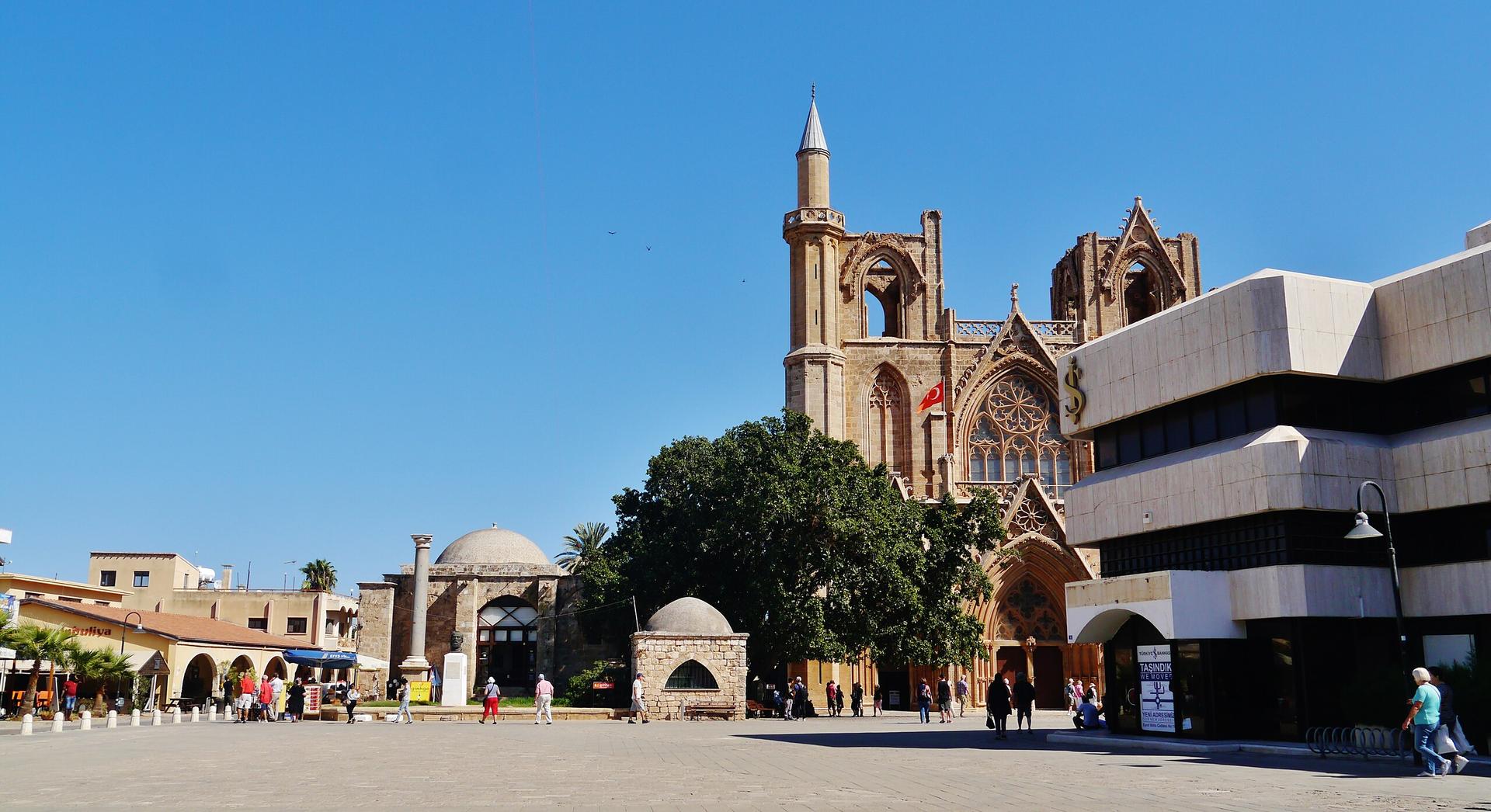
Looking beyond Saint Barnabas Monastery? Discover Famagusta District for broader travel guides, local hot-spots, and regional highlights.
Explore Famagusta District
Explore Kapalı Maraş, the 'Ghost Town' of Famagusta: A haunting journey through a frozen moment in time, offering a unique glimpse into Cyprus's divided past and uncertain future.
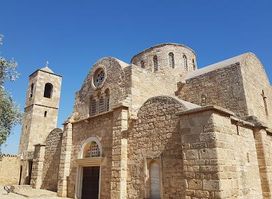
Explore the historical and spiritual beauty of Saint Barnabas Monastery, a captivating destination in Tuzla, Cyprus, blending art, culture, and serenity.