

Kamares Aqueduct Travel Guide
Free Guide: Discover the historical Kamares Aqueduct in Larnaca, an 18th-century marvel showcasing Ottoman engineering and offering tranquil walks amidst Cyprus's rich cultural heritage.


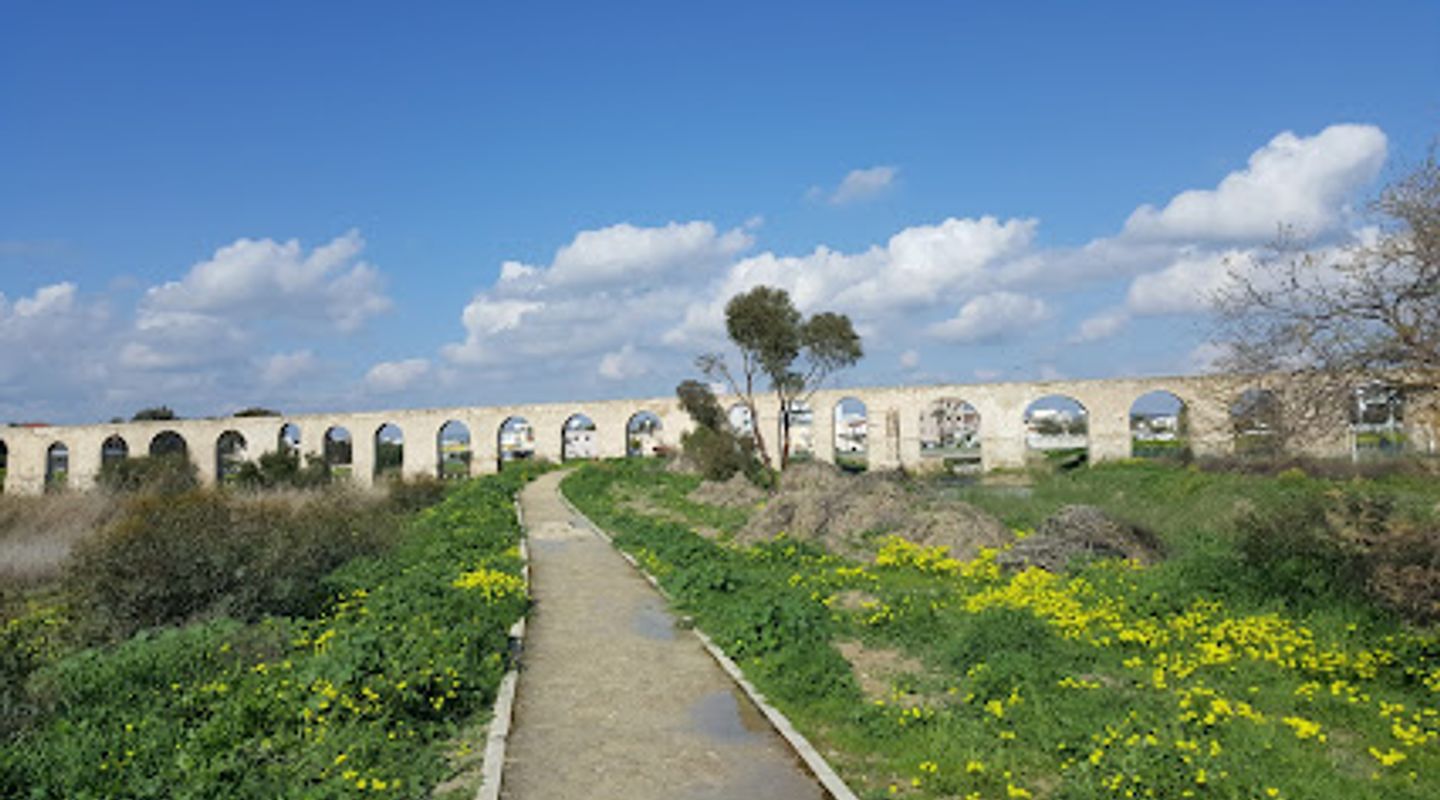
A brief summary of Kamares Aqueduct
Discover the historical Kamares Aqueduct in Larnaca, an 18th-century marvel showcasing Ottoman engineering and offering tranquil walks amidst Cyprus's rich cultural heritage.
The Kamares Aqueduct, located on the outskirts of Larnaca, Cyprus, is an impressive 18th-century structure that once supplied the city with fresh water. Built in 1746 by Ottoman Governor Bekir Pasha, the aqueduct showcases a blend of Roman and Ottoman engineering. Featuring a series of elegant arches, the aqueduct stretches across the landscape, offering a glimpse into the island's rich history and architectural ingenuity. Today, it stands as a cultural heritage site, attracting visitors with its well-preserved state and scenic surroundings. The site provides a tranquil escape, perfect for leisurely walks and photography, especially when the arches are beautifully illuminated at night. A visit to the Kamares Aqueduct offers a unique opportunity to connect with Cyprus's past and appreciate the enduring legacy of its historical landmarks, making it a worthwhile destination for any traveler exploring Larnaca.
Opening hours
- Every dayOpen 24 hours
Opening hours as listed on the venue’s Google Business Profile. Hours can change for services and special events, so check with the venue before you go.
- Address
- WJ72+C3Q, Larnaca 6040, Cyprus
- Phone
Getting there
Public Transport
Taxi/Ride-Share
Walking
Discover more about Kamares Aqueduct
Overview
The Kamares Aqueduct, also known as the Bekir Pasha Aqueduct, is a remarkable historical landmark located just outside of Larnaca, Cyprus. This impressive structure, built in 1746 during the Ottoman period, served as the primary water supply for the city for nearly two centuries. Its elegant arches and robust construction stand as a testament to the engineering skills of the time and offer a fascinating glimpse into Larnaca's past. The aqueduct was commissioned by Bekir Pasha, the Ottoman governor of Larnaca, to address the city's pressing need for a reliable source of fresh water. Before its construction, Larnaca struggled with water scarcity, as the available water sources were often distant and difficult to access. Bekir Pasha recognized the importance of a stable water supply for the city's growth and development and personally funded the project, demonstrating his commitment to improving the lives of Larnaca's residents. The Kamares Aqueduct is an outstanding example of Ottoman architecture, drawing inspiration from Roman aqueduct designs. The structure is primarily constructed of limestone, a durable material that has allowed it to withstand the test of time. Originally, the aqueduct consisted of 75 arches, stretching over 10 kilometers to transport water from the Tremithos River to Larnaca. The name 'Kamares' itself is derived from the Greek word for 'arches,' reflecting the aqueduct's distinctive architectural feature. The aqueduct's design cleverly utilized gravity to channel water from the distant springs to the city. The water flowed through underground tunnels and overground arches, maintaining a consistent gradient that ensured a steady supply. This innovative system eliminated the need for pumps or other mechanical devices, making it a sustainable and efficient solution for Larnaca's water needs. For nearly 200 years, the Kamares Aqueduct played a vital role in Larnaca's daily life. It supplied water to homes, public fountains, bathhouses, and agricultural lands, contributing to the city's prosperity and well-being. The aqueduct became an integral part of Larnaca's identity, symbolizing its progress and resilience. However, with the advent of modern water supply systems in the 20th century, the Kamares Aqueduct gradually became obsolete. In 1939, it was officially decommissioned, as new technologies replaced the need for its services. Despite its disuse, the aqueduct remained a cherished historical monument, representing Larnaca's rich heritage. Today, the Kamares Aqueduct stands as a cultural heritage site, attracting tourists and locals alike. Although only a portion of the original structure remains, the well-preserved arches offer a captivating sight. Visitors can explore the site on foot, walking along the cobbled paths and admiring the intricate details of the stonework. The surrounding landscape provides a tranquil setting, perfect for leisurely strolls and picnics. At night, the Kamares Aqueduct is beautifully illuminated, creating a magical atmosphere. The soft lighting accentuates the arches' architectural features, making it a popular spot for evening walks and photography. The illuminated aqueduct offers a unique perspective, highlighting its historical significance and aesthetic appeal. The Kamares Aqueduct is easily accessible from Larnaca city center. It is located on the outskirts of the city, near the road to Limassol. Visitors can reach the site by car, taxi, or public bus. Free parking is available near the aqueduct, making it convenient for those driving. Public transportation options are also readily available, with several bus routes connecting the city center to the aqueduct. While visiting the Kamares Aqueduct, take the opportunity to explore other nearby attractions. The Larnaca Salt Lake, a significant wetland habitat, is located close to the aqueduct. It is home to a variety of bird species, including flamingos, making it a popular spot for birdwatching. The Hala Sultan Tekke, a revered Muslim shrine, is also situated near the Salt Lake, offering a glimpse into the island's diverse cultural heritage. The Kamares Aqueduct is more than just an ancient structure; it is a symbol of Larnaca's history, resilience, and cultural identity. Its well-preserved arches, tranquil surroundings, and historical significance make it a must-see destination for anyone visiting Larnaca. Whether you are a history enthusiast, a nature lover, or simply seeking a peaceful escape, the Kamares Aqueduct offers a unique and enriching experience.
Evendo Review Centre
 Google
Guest reviews
Explore Kamares Aqueduct on the map
A handpicked selection of must-see spots near Kamares Aqueduct, mapped for you.
Get your free copy of our complete guide to Kamares Aqueduct, delivered straight to you.
Everything on this page, from opening hours and how to get there to Eve’s tips and the best time to go, in one PDF you can read offline, print or share.
Already have an account? Sign in
Your Kamares Aqueduct guide is ready.
We'll send it to · Not you? Sign out

Getting your guide ready…
We are putting together a fresh copy of the Kamares Aqueduct guide. This can take up to a minute.
This can take a few moments. If your browser asks, choose Allow so the download can start. You'll find the guide in your Downloads folder.
Nothing happened? Download it again
Sorry, the guide is taking longer than usual. Please try again in a minute, or get it by email instead.
Unlock the best of Kamares Aqueduct
Skip-the-line tickets, guided tours with entry, and walking tours of the area, booked in a few clicks.
 Tour with entry
Larnaca Salt Lake and Cultural Highlights Bike Tour
from $31.98 Tour with entry
Cyprus: Private Larnaca City Tour & Glass-Bottom Boat Trip
from $212.12 Tour with entry
Private Full-Day Tour in Larnaca with Hotel Pick Up
from $373.07 Tour with entry
Larnaca's Splendors: From Private Ancient Echoes to Wine
from $724.83
Other nearby places you may find interesting
The closest places of the same kind, if this one is not quite what you had in mind.
-
-
-
-
-


Swipe for more places
More to explore near Kamares Aqueduct

 Best experiences near Kamares Aqueduct
 Best hotels near Kamares Aqueduct
 Best landmarks near Kamares Aqueduct
 Best attractions near Kamares Aqueduct
 Best shops near Kamares Aqueduct
 Best restaurants near Kamares Aqueduct
 Best bars near Kamares Aqueduct
Do you manage this location?
Take control to get all the benefits, like improved information, better appearance, and stronger visibility across AI-powered discovery.
Explore more

Explore more of Larnaca District
Explore Larnaca District: A captivating blend of ancient history, stunning beaches, and vibrant nightlife on the southern coast of Cyprus.
Explore Larnaca District
Explore more of Cyprus
Discover Cyprus: A Mediterranean paradise with a rich tapestry of history, culture, and breathtaking landscapes, offering a perfect blend of relaxation and adventure.
Explore Cyprus
