Background

Famagusta Ghost Town: A Journey Through Time

Explore Famagusta Ghost Town, a haunting reminder of Cyprus's divided past. Witness the poignant decay of a once-thriving resort frozen in time since the 1974 Turkish invasion.

4.8

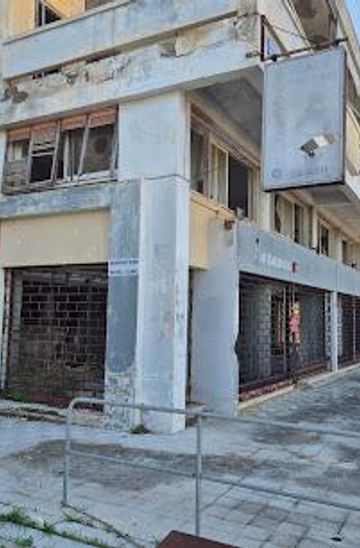
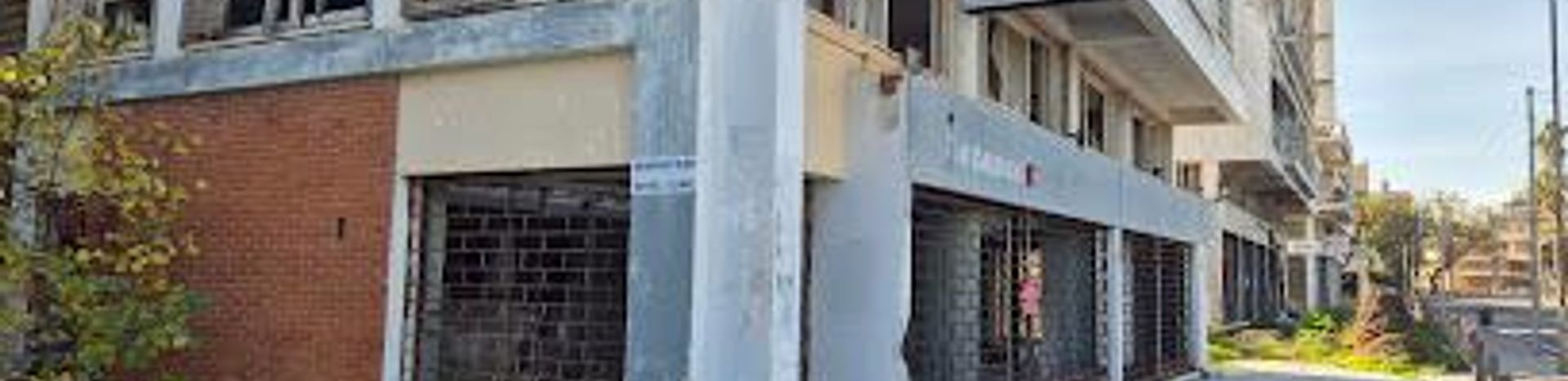
Famagusta Ghost Town, also known as Varosha, is a haunting reminder of Cyprus's divided past. Once a glamorous resort, it was abruptly abandoned in 1974 during the Turkish invasion, leaving behind a time capsule of hotels, homes, and businesses. Today, visitors can explore designated areas of this eerie locale, witnessing the poignant decay and reflecting on the lives interrupted. The experience offers a unique blend of history, melancholy, and stark beauty, making it a compelling destination for those seeking a deeper understanding of the island's complex story. Walking through the deserted streets, one can't help but feel the weight of history and the echoes of a vibrant past.

A brief summary to Famagusta Ghost Town

  • 4X93+3VJ, Famagusta, Namık Kemal, CY

Local tips

  • Wear comfortable shoes, as you'll be walking on uneven terrain and exploring a large area.
  • Bring water and sunscreen, especially during the hot summer months, as there is limited shade.
  • Be respectful of the site's history and avoid entering restricted areas or disturbing the ruins.
  • Consider renting a bicycle or scooter at the entrance to cover more ground within the open areas.
  • Visit early in the morning or late in the afternoon to avoid crowds and experience the ghost town in a more serene atmosphere.
widget icon

Getting There

  • Walking

    From the center of Famagusta, the Varosha entrance is approximately 4 km away. Follow signs towards Varosha/Maraş. The walk takes about 45-60 minutes. Landmarks along the way include the Famagusta State Hospital and the I Love Magusa sign. There are no specific costs associated with walking.

  • Public Transport

    Local buses (dolmuş) operate within Famagusta and can take you closer to the Varosha entrance. Look for buses heading towards Maraş. A single fare typically costs around 15-20 Turkish Lira (TRY). From the bus stop, there may be a short walk to the entrance.

  • Taxi/Ride-Share

    Taxis are readily available in Famagusta. A taxi ride from the city center to the Varosha entrance will cost approximately 100-150 TRY, depending on traffic and the specific starting point. Agree on the fare before starting your journey.

  • Driving

    If driving, follow signs towards Varosha/Maraş from Famagusta city center. Limited parking is available near the entrance. Parking fees are typically around 30-50 TRY for a few hours. Be aware that traffic can be heavy during peak tourist season.

Unlock the Best of Famagusta Ghost Town

Buy tickets

    No tickets available

Book tours with entry

    No tours available

Book tours without entry

    No tours available

Discover more about Famagusta Ghost Town

Famagusta Ghost Town, or Varosha, stands as a powerful symbol of Cyprus's troubled history and a chilling testament to the consequences of conflict. Before 1974, Varosha was a thriving, modern city and a premier tourist destination, often dubbed the "French Riviera of Cyprus." Celebrities like Elizabeth Taylor and Richard Burton frequented its luxurious hotels and pristine beaches, making it a jewel of the Mediterranean. However, this idyllic existence was shattered in August 1974 during the Turkish invasion of Cyprus. As Turkish forces advanced, the Greek Cypriot residents of Varosha fled, anticipating a swift return once the situation stabilized. They left behind their homes, businesses, and possessions, expecting to reclaim them within days. But their hopes were never realized. The Turkish military fenced off the entire area, declaring it a forbidden zone, and Varosha became a ghost town, frozen in time. For over four decades, Varosha remained sealed off, untouched by human hands. Buildings crumbled, nature reclaimed the streets, and the once-glittering resort became a decaying urban landscape. The world watched as the city deteriorated, a stark reminder of the unresolved Cyprus issue. The abandoned cars, left exactly where they were parked, the laundry still hanging on clotheslines, and the half-set dinner tables became iconic symbols of the sudden abandonment and the enduring pain of displacement. In recent years, there have been movements towards reopening parts of Varosha. In 2020, the beachfront was partially reopened to the public, allowing limited access to certain areas. This decision has been met with mixed reactions, stirring complex political sensitivities and reopening old wounds. While some view it as a step towards reconciliation and economic revitalization, others see it as a violation of international law and the rights of displaced residents. Today, visitors can walk along the designated paths of Varosha, witnessing the haunting beauty of its abandoned buildings and the poignant reminders of its past glory. The experience is both captivating and deeply moving, offering a unique glimpse into a time capsule of history. The contrast between the once-thriving resort and its current state of decay is striking, evoking a sense of nostalgia, curiosity, and profound sadness. Exploring Varosha is not merely a sightseeing activity; it is an emotional journey that prompts reflection on the human cost of conflict and the enduring power of memory. As you wander through the deserted streets, you'll encounter iconic landmarks such as the skeletal remains of luxury hotels, the crumbling facades of apartment buildings, and the overgrown gardens that once adorned elegant villas. The silence is broken only by the sound of the wind and the distant waves, creating an eerie atmosphere that amplifies the sense of loss and abandonment. The reopening of parts of Varosha has also sparked renewed interest in its future. Discussions are ongoing regarding potential redevelopment plans, property rights, and the return of displaced residents. However, these issues remain highly sensitive and politically charged, with no easy solutions in sight. The fate of Varosha remains uncertain, but its story continues to resonate as a symbol of division, resilience, and the enduring hope for a peaceful resolution in Cyprus. Visiting Famagusta Ghost Town requires a certain level of sensitivity and respect for the site's history and the people affected by its abandonment. It is essential to approach your exploration with an open mind and a willingness to learn about the complex political and social issues that have shaped its destiny. Whether you are a history enthusiast, a photographer, or simply a curious traveler, Famagusta Ghost Town offers a unique and unforgettable experience that will leave a lasting impression. Beyond the ghost town itself, Famagusta offers other attractions that showcase its rich history and cultural heritage. The Lala Mustafa Pasha Mosque, formerly the Cathedral of Saint Nicholas, is a stunning example of Gothic architecture transformed into a mosque, reflecting the island's diverse religious influences. Othello Castle, a medieval fortress overlooking the harbor, is another must-see landmark, offering panoramic views of the city and the coastline. The ancient ruins of Salamis, located just north of Famagusta, provide a fascinating glimpse into Cyprus's ancient past, with remnants of Roman baths, a gymnasium, and a theater. Famagusta Ghost Town is more than just a collection of abandoned buildings; it is a living monument to the human spirit, a reminder of the fragility of peace, and a testament to the enduring power of hope. Its story is a complex and multifaceted one, inviting visitors to delve deeper into the history of Cyprus and to reflect on the broader themes of conflict, displacement, and reconciliation. A visit to this hauntingly beautiful place is an experience that will stay with you long after you leave, prompting contemplation and a renewed appreciation for the importance of understanding and empathy in a world often divided by conflict.

Popular Experiences near Famagusta Ghost Town

Popular Hotels near Famagusta Ghost Town

Select Currency