The Cyprus Museum: Gateway to Millennia of Island History
Cyprus’s largest archaeological museum, showcasing artifacts from every era of the island’s history in a tranquil Nicosia setting.
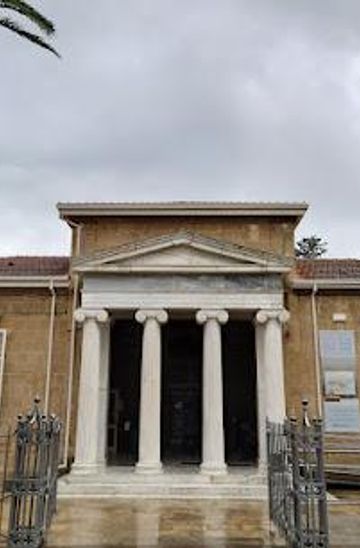
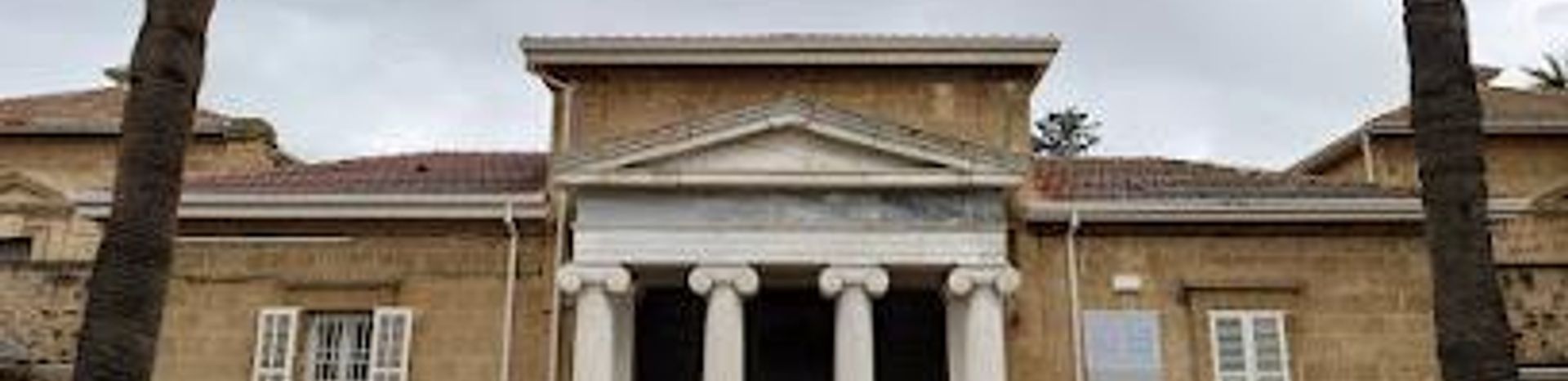
The Cyprus Museum in Nicosia is the nation’s premier archaeological institution, housing the richest collection of Cypriot antiquities in the world. Visitors can explore everything from prehistoric basins and Cypro-Minoan tablets to exquisite Roman mosaics and Hellenistic statues, all presented in a tranquil neoclassical setting that traces the island’s story from the Neolithic age to the Byzantine period.
A brief summary to The Cyprus Museum
- Mouseiou 1, Nicosia, City Centre, 1097, CY
- Click to display
- Click to display
- Tuesday 8 am-6 pm
- Wednesday 8 am-6 pm
- Thursday 8 am-6 pm
- Friday 8 am-6 pm
- Saturday 9 am-5 pm
- Sunday 10 am-1 pm

Know before you go
Hi, I'm Eve. Here are a few practical things to know before exploring The Cyprus Museum.
- Admission is free for all visitors, making it an excellent low-cost cultural stop.
- The museum is usually quieter on weekday mornings, so plan your visit early for a more peaceful experience.
- Don’t miss the museum gardens, which are ideal for a short break or to sketch the building’s neoclassical façade.
- Photography is allowed without flash, but some sensitive exhibits may be restricted—check signage inside.
- Combine your visit with a stroll around Nicosia’s Venetian walls, located just a few minutes away.
Do you manage this location?
Take control to get all the benefits, like improved information, better appearance, and stronger visibility across AI-powered discovery. Learn more
Activate your presenceOther nearby places you may find interesting
Getting There
-
Public Transport
Intercity buses connect Larnaca to Nicosia; the journey typically takes 40–60 minutes (€4–5 one way). Upon arrival at Nicosia’s central station, the Cyprus Museum is a short walk away, its neoclassical façade clearly visible just beyond the historic city walls.
-
Taxi
A taxi from central Larnaca to the Cyprus Museum in Nicosia usually takes 35–50 minutes depending on traffic and costs €45–55. Drop-off is convenient near the main entrance, but availability can be limited at peak cross-city hours.
-
Driving
Driving from Larnaca to the museum takes about 40–50 minutes. Parking options are available nearby, averaging €2–3 per hour, though spaces fill quickly, especially during weekends and school holidays.
Discover more about The Cyprus Museum
Explore the best of what The Cyprus Museum has to offer













More about Kyrenia District
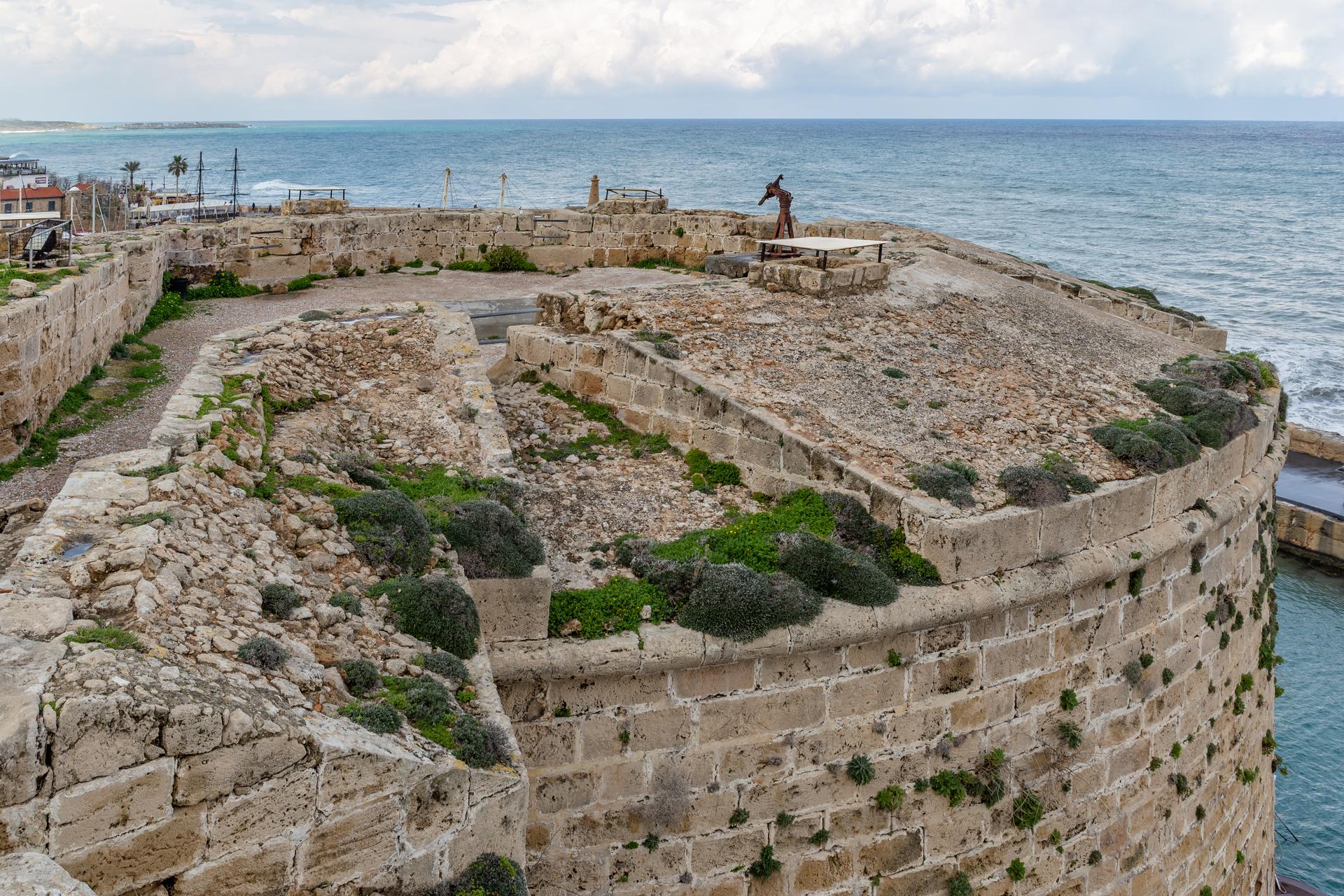
Discover Kyrenia District in Cyprus: Experience a blend of rich history, stunning natural beauty, and vibrant culture in this Mediterranean paradise.
Tell me more about Kyrenia District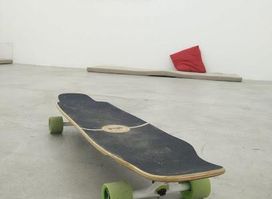
Explore contemporary art at Nicosia's Point Centre, a hub for innovative exhibitions, workshops, and artistic dialogue between local and international artists.
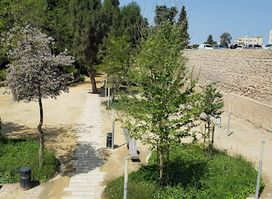
Explore Nicosia's history at the Tripoli Bastion Moat, a peaceful park within the city's ancient Venetian walls.