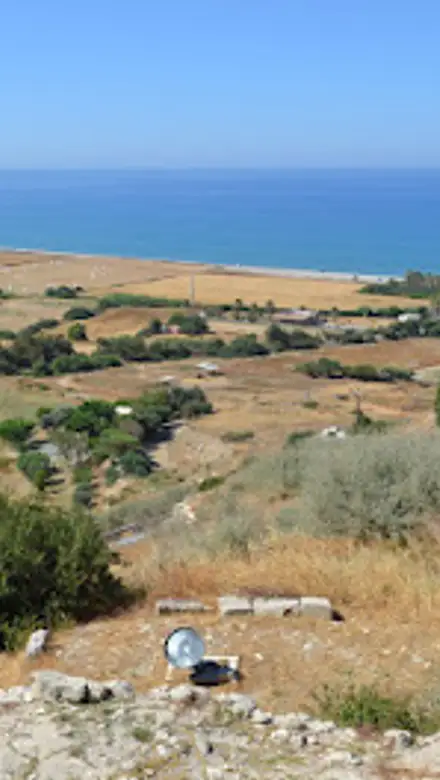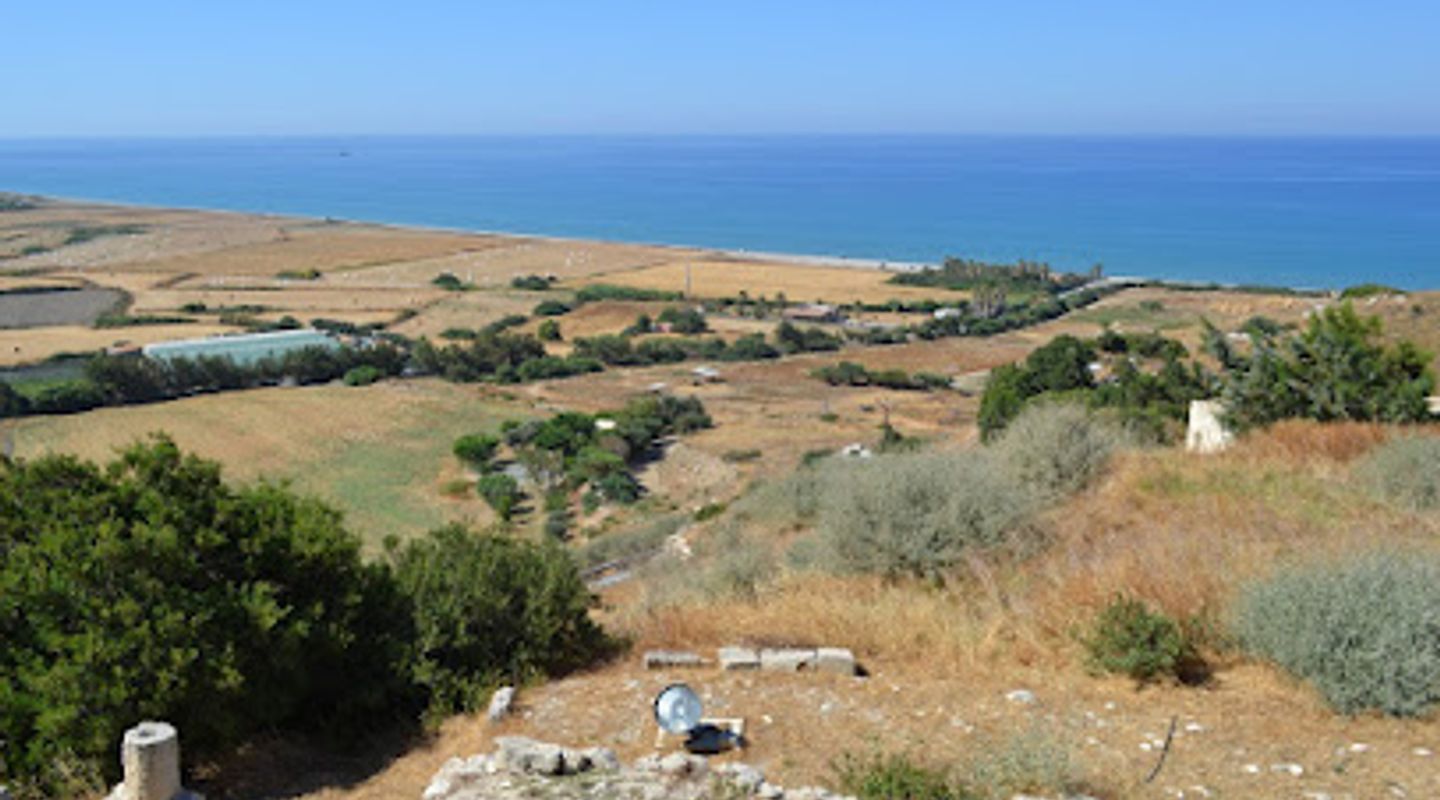
House of Eustolios, Limassol District Travel Guide
Explore the House of Eustolios at Kourion, Cyprus: Discover stunning Roman mosaics and ancient bathing complexes in this well-preserved archaeological site overlooking the Mediterranean Sea.
The House of Eustolios, located within the Kourion archaeological site near Episkopi, offers a captivating glimpse into the luxurious life of Roman Cyprus. Originally a private villa dating back to the late 4th century AD, it was transformed into a public recreation center in the early Christian period. The house is renowned for its well-preserved mosaic floors, depicting Christian symbols alongside mythological scenes, reflecting the transition of the island's culture. Visitors can explore the remains of the bathing complex, offering insights into ancient Roman bathing practices. A visit to the House of Eustolios provides a fascinating journey through time, showcasing the rich history and artistic heritage of Kourion.
A brief summary to House of Eustolios
- Курион, Епископи, Кипр, Episkopi, GB
- Click to display
- Monday 8:15 am-5:15 pm
- Tuesday 8:15 am-5:15 pm
- Wednesday 8:15 am-5:15 pm
- Thursday 8:15 am-5:15 pm
- Friday 8:15 am-5:15 pm
- Saturday 8:15 am-5:15 pm
- Sunday 8:15 am-5:15 pm

Know before you go
Hi, I'm Eve. Here are a few practical things to know before exploring House of Eustolios.
- Visit early in the morning to avoid the midday heat and crowds, allowing for a more peaceful exploration of the site.
- Wear comfortable shoes as the terrain is uneven and involves walking on ancient stones and pathways.
- Bring water and sunscreen, as there is limited shade available at the archaeological site.
- Consider hiring a local guide at the entrance for a more in-depth understanding of the history and significance of the House of Eustolios and Kourion.
- Check the Kourion Archaeological Site's official website for seasonal hours and any special events or closures before your visit.
Do you manage this location?
Take control to get all the benefits, like improved information, better appearance, and stronger visibility across AI-powered discovery. Learn more about listing your business on Evendo
Activate your presenceOther nearby places you may find interesting
The closest places of the same kind, if this one is not quite what you had in mind.

Explore House of Eustolios on the Map
A handpicked selection of must-see spots near House of Eustolios, mapped for you.
Unlock the Best of House of Eustolios
Buy tickets
-
No tickets available
Book tours with entry


Book tours without entry
-
No tours available
Getting There
-
Driving
From Limassol, take the A6 motorway west towards Paphos. Exit for Kourion Archaeological Site; follow the signs, which are clearly marked. The drive is approximately 20 minutes. Parking is available near the entrance to the site. Parking costs are free.
-
Public Transport
From Limassol, take bus number 16 from Archiepiskopou Makariou III Avenue towards Kourion Beach. The bus ride takes approximately 40 minutes. From the Kourion Beach bus stop, walk inland for about 10 minutes to reach the archaeological site entrance. A single bus fare costs approximately €2.
-
Taxi/Ride-Share
Taxis and ride-sharing services are readily available in Limassol. A taxi ride from Limassol city center to the House of Eustolios at Kourion will cost approximately €20-€25, depending on traffic and the time of day.
Discover more about House of Eustolios













Your all‑in‑one travel companion app
Explore expert travel guides, compare and book tours, experiences, hotels, and more—all from the palm of your hand. Download now for seamless trip planning wherever your wanderlust takes you.


Explore More of Limassol District
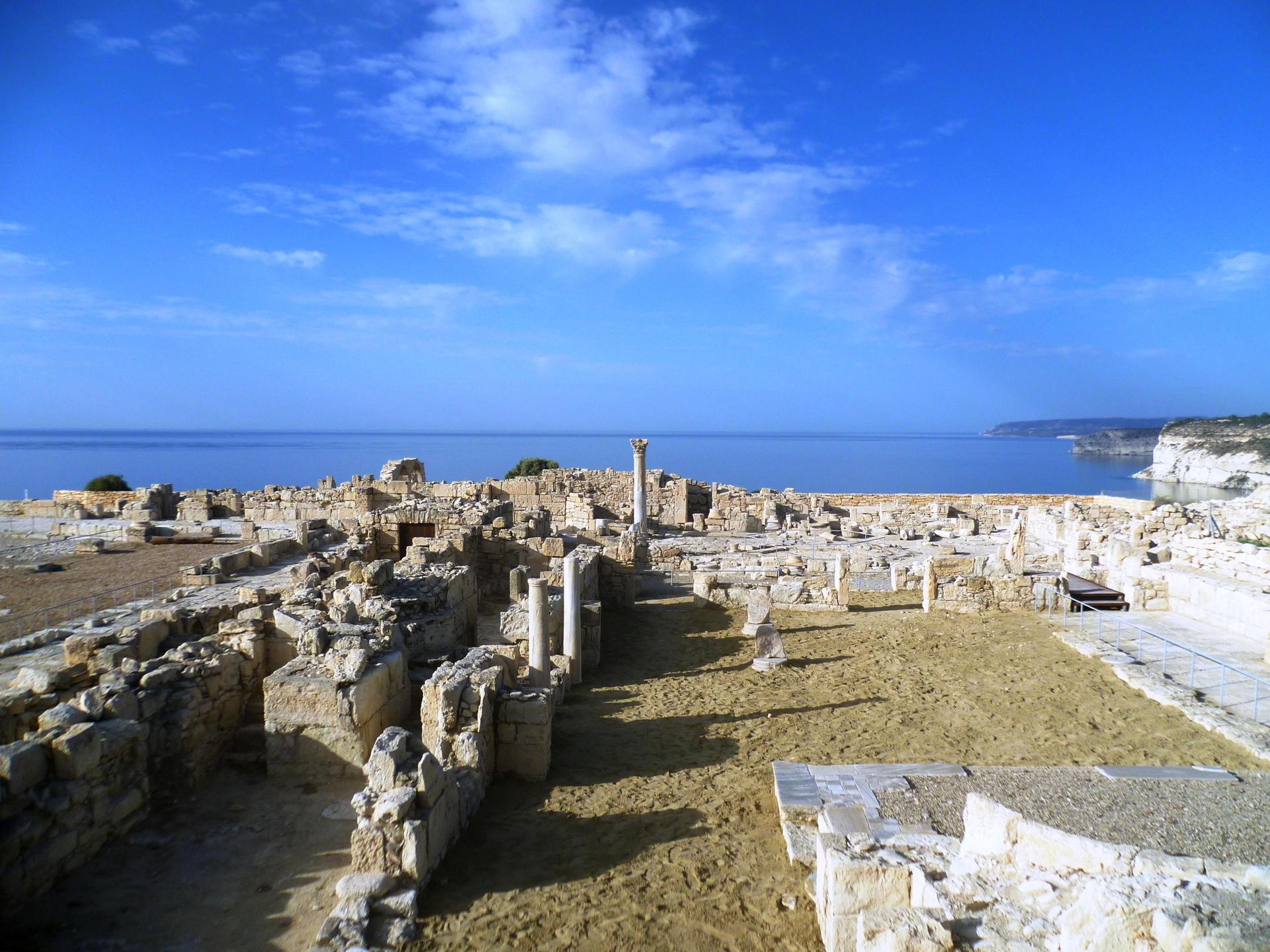
Looking beyond House of Eustolios? Discover Limassol District for broader travel guides, local hot-spots, and regional highlights.
Explore Limassol District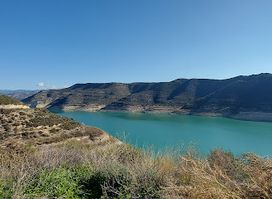
Discover Kouris Dam in Cyprus: the island's largest dam offering serene beauty, walking trails, birdwatching, and a peaceful escape into nature.
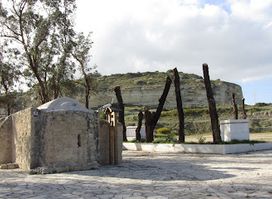
Discover Agios Ermogenis, a hidden church gem in Episkopi, Cyprus, rich in history and serene beauty, perfect for a peaceful retreat near the ancient Kourion.