Background

Kykkos Monastery: A Spiritual and Artistic Haven

Discover Cyprus's spiritual heart at Kykkos Monastery, a Byzantine treasure nestled in the Troodos Mountains, showcasing religious art and offering panoramic views.

4.7

Nestled high in the Troodos Mountains, Kykkos Monastery is Cyprus's wealthiest and most renowned religious site, drawing visitors with its rich history, stunning Byzantine architecture, and spiritual significance. Founded in the late 11th century by Byzantine Emperor Alexios I Komnenos, the monastery is dedicated to the Virgin Mary and houses a revered icon believed to have been painted by Saint Luke. Explore the monastery's intricate frescoes, gilded woodwork, and the Monastery Museum's collection of religious artifacts, offering a glimpse into Cyprus's cultural and religious heritage. Remember to dress modestly, covering shoulders and knees, to fully appreciate this serene and sacred space. The monastery provides a tranquil escape with breathtaking mountain views and a deep connection to Cypriot history.

A brief summary to Kykkos Monastery

  • Monday 5:30 am-6 pm
  • Tuesday 5:30 am-6 pm
  • Wednesday 5:30 am-6 pm
  • Thursday 5:30 am-6 pm
  • Friday 5:30 am-6 pm
  • Saturday 5:30 am-6 pm
  • Sunday 5:30 am-6 pm

Local tips

  • Dress modestly when visiting; shoulders and knees should be covered. Shawls are often available at the entrance if needed.
  • Visit early in the morning to avoid crowds and experience the monastery's serene atmosphere.
  • Explore the Monastery Museum to discover a rich collection of religious artifacts and learn about the monastery's history.
  • Take a moment to light a candle and soak in the spiritual ambiance of the main church.
  • Combine your visit with a trip to Archbishop Makarios III's tomb, located a short distance west of the monastery.
widget icon

Getting There

  • Driving

    From Pedoulas, a common base for exploring the Troodos Mountains, Kykkos Monastery is approximately 20 km west. The drive takes around 30-40 minutes along well-maintained but winding mountain roads. Follow the E912 route, keeping an eye out for signposts to 'Monastery of Kykkos'. The route offers scenic views of the Marathasa Valley. Free parking is available near the monastery entrance.

  • Taxi/Ride-Share

    From nearby villages like Prodromos or Pedoulas, a taxi or ride-share to Kykkos Monastery is a convenient option. Expect to pay around €30-€40 for a one-way trip. Confirm the fare with the driver before starting your journey. Ride-sharing services may be limited in this area, so pre-booking a taxi is recommended. The journey offers views of the Troodos Mountains.

  • Public Transport

    While there is no direct bus to Kykkos Monastery from major cities, you can take a bus to a nearby village like Prodromos or Pedoulas and then hire a taxi for the final leg. From Nicosia, buses to Kykkos Monastery are available via Mitropoliti Chrysanthou Sarigianni - Atsas 1, with a change to line 82 bus. The bus and line 82 bus will cost approximately €5-€8 and takes 2h 52m. Check local bus schedules for the most up-to-date information. This option requires more planning but can be more budget-friendly.

Unlock the Best of Kykkos Monastery

Buy tickets

    No tickets available

Book tours with entry

    No tours available

Book tours without entry

    No tours available

Discover more about Kykkos Monastery

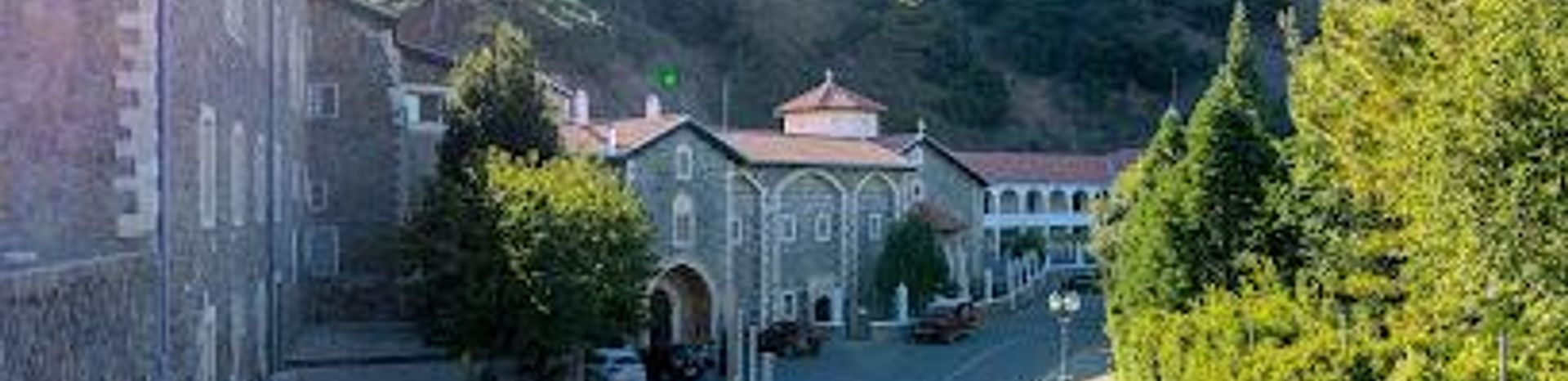
Kykkos Monastery, officially the Holy Monastery of the Virgin of Kykkos, stands as a beacon of religious and cultural heritage in the heart of the Troodos Mountains. Perched at an altitude of 1,318 meters, this opulent and historically significant monastery offers visitors a unique blend of spiritual solace, artistic appreciation, and natural beauty. Founded in the late 11th century by Byzantine Emperor Alexios I Komnenos (1081–1118), the monastery's origins are intertwined with a series of miraculous events. Legend tells of a hermit named Esaias who, through divine intervention, healed the daughter of the emperor, leading to the donation of a sacred icon of the Virgin Mary, believed to have been painted by Saint Luke the Apostle. This icon, known as Panagia Eleousa tou Kykkou (the "All-Merciful" Kykkos Icon of the Mother of God), remains one of the monastery's most prized possessions, drawing pilgrims from across the world. Throughout its history, Kykkos Monastery has faced numerous trials, including devastating fires that destroyed much of its original structure. The current buildings, dating back to the 18th and 19th centuries, showcase a remarkable blend of Byzantine architectural elements, characterized by imposing facades, arched galleries, and intricate mosaic decorations. The monastery complex comprises two courtyards, surrounded by chapels, cells, workshops, and storerooms, reflecting its self-sufficient nature and historical importance as a center of religious and economic activity. The monastery's main church, dedicated to Panagia (the Virgin Mary), is a masterpiece of religious art. Adorned with vibrant frescoes, gilded woodwork, and elaborate mosaics, the church interior exudes an atmosphere of reverence and awe. The iconostasis, a screen separating the nave from the sanctuary, is particularly noteworthy, featuring a silver-encased icon of the Virgin Mary that has been venerated for centuries. Photography is not permitted inside the church, encouraging visitors to fully immerse themselves in the spiritual ambiance. Beyond its architectural and artistic treasures, Kykkos Monastery holds a significant place in Cypriot history and national identity. The first President of Cyprus, Archbishop Makarios III, began his ecclesiastical career here as a monk in 1926. He remained deeply connected to the monastery throughout his life, and his tomb, located 3 kilometers west of the monastery, remains a popular pilgrimage site. The Monastery Museum houses a rich collection of religious artifacts, including icons, vestments, manuscripts, and Cypriot antiquities, providing valuable insights into the island's religious and cultural heritage. The museum's exhibits span centuries, showcasing the evolution of Byzantine art and the monastery's role in preserving Orthodox traditions. Visiting Kykkos Monastery is an immersive experience that engages the senses and nourishes the soul. The scent of incense fills the air, the sound of chanting echoes through the courtyards, and the sight of devout pilgrims lighting candles creates a palpable sense of spirituality. Whether you are a religious seeker, an art enthusiast, or simply a traveler seeking tranquility, Kykkos Monastery offers a unique and unforgettable journey into the heart of Cypriot culture and faith. To fully appreciate the experience, it is essential to dress modestly, covering shoulders and knees. Shawls and cover-up clothing are often provided at the entrance for those who are not appropriately dressed. The monastery is open daily, with varying hours depending on the season, and admission is free. However, there is a small entrance fee for the museum. Outside the monastery, ample free parking is available for both buses and private cars. Kykkos Monastery also produces Zivania spirit and other alcoholic drinks, and holds religious fairs on September 8th (Birth of the Virgin) and August 15th (Dormition of the Virgin).

Popular Experiences near Kykkos Monastery

Popular Hotels near Kykkos Monastery

Select Currency