Treasures of Kourion: Unveiling the Past
Discover ancient treasures and stories at the Local Archaeological Museum of Kourion in Episkopi, Cyprus, offering a glimpse into the lives of those who once thrived in the ancient city-kingdom.
The Local Archaeological Museum of Kourion, nestled in the village of Episkopi, Cyprus, offers a captivating glimpse into the rich history of the ancient city-kingdom of Kourion and its surrounding areas. Housed in a traditional building that was once the residence of George McFadden, who led extensive archaeological research in the area, the museum showcases a diverse collection of artifacts unearthed from nearby sites. Visitors can explore exhibits featuring red polished ware from the Early Bronze Age, exquisite Mycenaean pottery and golden jewelry, and a significant array of offerings from the Sanctuary of Apollo Hylates. One of the museum's most poignant displays features the skeletal remains of Kourion's inhabitants who perished during the devastating earthquakes of the 4th century AD, providing a tangible connection to the city's dramatic past. The museum provides a valuable context to the nearby Kourion archaeological site.
A brief summary to Local Archaeological Museum of Kourion
- MW92+VC4, Episkopi, CY
- +35725932453
- Visit website
- Monday 8 am-3:30 pm
- Tuesday 8 am-3:30 pm
- Wednesday 8 am-3:30 pm
- Thursday 8 am-3:30 pm
- Friday 8 am-3:30 pm
Local tips
- Visit the museum before exploring the Kourion archaeological site to gain valuable context and a deeper understanding of the city's history.
- Take your time to examine the skeletal remains of the earthquake victims, a poignant reminder of the city's dramatic end.
- Check the museum's opening hours in advance, as it is closed on weekends and public holidays.

Getting There
-
Public Transport
From Limassol, take Bus number 16 from the Old Hospital bus stop. The journey to Episkopi village takes approximately 30-40 minutes. From the bus stop in Episkopi, it's a short walk to the museum. A single bus fare costs approximately €1.50. Check the Limassol Buses website for the most up-to-date schedule.
-
Taxi/Ride-Share
A taxi or ride-share from Limassol to the Local Archaeological Museum of Kourion in Episkopi will take approximately 20-30 minutes, depending on traffic. The estimated fare is between €25-€35. There is usually readily available parking near the museum.
-
Driving
From Limassol, follow the B6 road west towards Paphos. After approximately 14km, turn off for Episkopi. Follow the signs to the village center; the museum is located on Museum Street. Parking is available near the museum, and is free of charge.
Discover more about Local Archaeological Museum of Kourion
Iconic landmarks you can’t miss

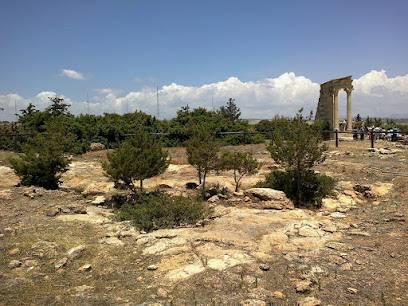
Sanctuary of Apollo Hylates
3.5 km
Explore the Sanctuary of Apollo Hylates in Episkopi, Cyprus - a captivating historical landmark steeped in ancient mythology and stunning architecture.
Akrotiri park
9.3 km
Escape to the serene beauty of Akrotiri Park in the UK: lush greenery, peaceful trails, and a tranquil atmosphere await nature lovers and families.

Limassol
11.0 km
Explore Limassol, Cyprus: A dynamic coastal city with stunning beaches, rich history, and vibrant nightlife for an unforgettable travel experience.
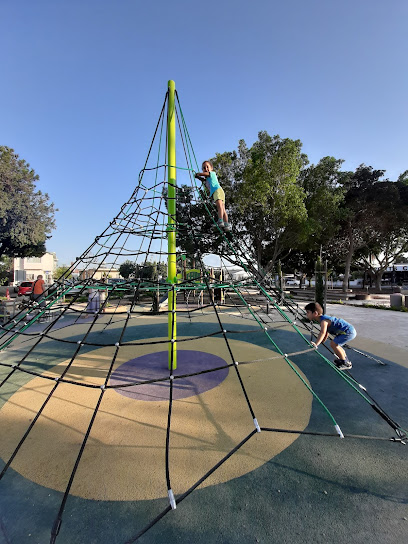
Πλατεία Αναγέννησης - Anagennissi Park
12.2 km
Explore Anagennissi Park in Limassol, Cyprus - a serene escape with playgrounds, picnic spots, and lush greenery for families and nature lovers.
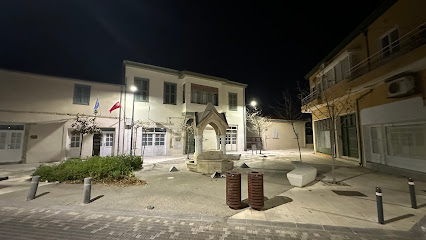
Fountain of the Good Samaritan
12.4 km
Experience the beauty and history of Limassol at the Fountain of the Good Samaritan, a serene landmark symbolizing kindness and community.
The Water Tower
12.6 km
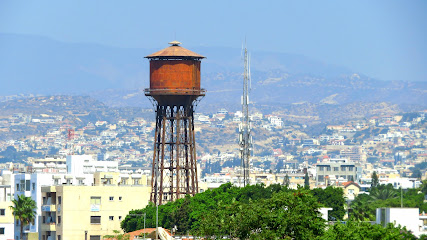
Discover Limassol's iconic Water Tower: a historic landmark showcasing the city's industrial heritage and offering picturesque views in a vibrant urban setting.
Carob Museum
12.8 km
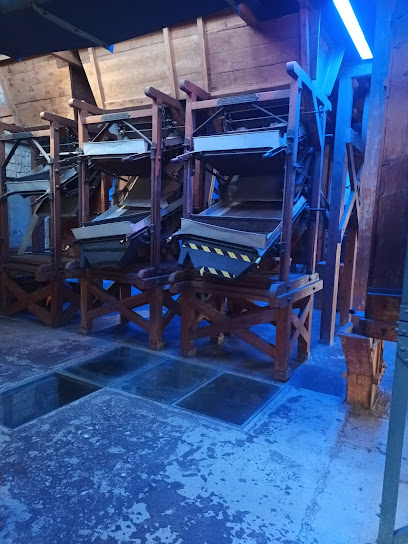
Explore Cyprus's sweet history at the Carob Museum in Limassol, showcasing the island's 'black gold' and its impact on local life.
Gothic Capital 13th Century AD.
12.8 km
Explore the Gothic Capital in Limassol, a 13th-century historical landmark that showcases medieval architecture and rich Cypriot heritage.
Limassol Castle - Cyprus Medieval Museum
12.8 km
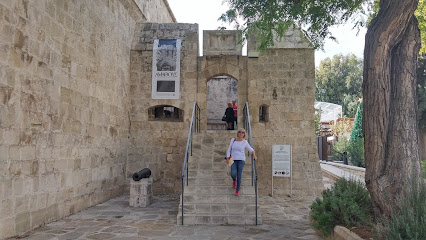
Explore Limassol Castle, a medieval fortress steeped in history, and uncover the treasures of Cyprus's rich cultural heritage.
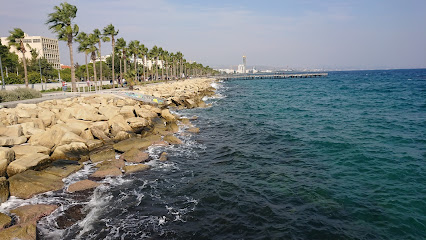
Stoa Phylactou
12.9 km
Explore the historical allure of Stoa Phylactou in Limassol, a captivating landmark where Cyprus' rich heritage comes to life.
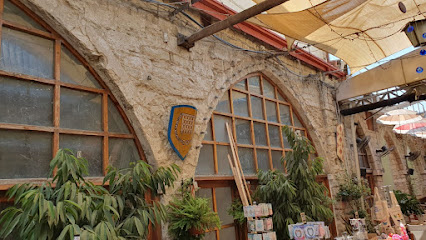
Limassol Old Port
12.9 km
Explore the enchanting Limassol Old Port, a vibrant blend of history, culture, and stunning seaside views in Cyprus.
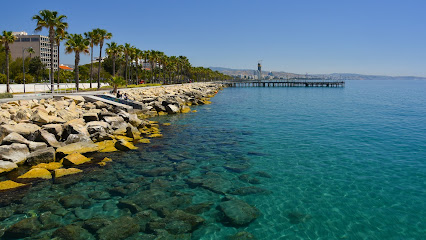
ESCAPE Limassol Old Town
13.0 km
Discover the thrill of ESCAPE Limassol Old Town, where adventure meets creativity in Cyprus's vibrant historic heart.
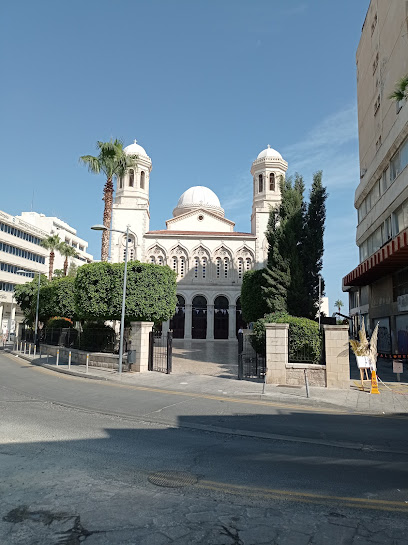
Old Port
13.0 km
Explore the Old Port of Limassol - a captivating blend of history, culture, and culinary delights along the stunning Mediterranean coast.
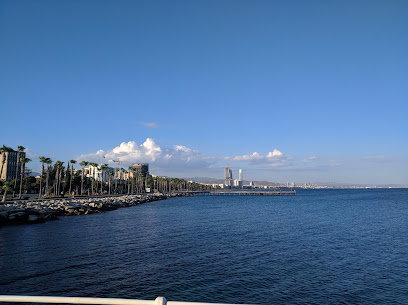
Yellow House
13.1 km
Discover the historical charm of the Yellow House in Limassol, a stunning landmark embodying Cyprus's rich cultural heritage.
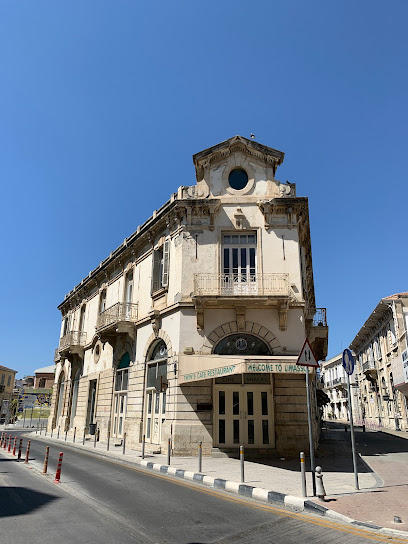
Ayia Napa Cathedral
13.1 km
Explore the beauty and spirituality of Ayia Napa Cathedral, a must-visit Greek Orthodox church in Limassol, Cyprus, rich in history and architectural elegance.
Unmissable attractions to see

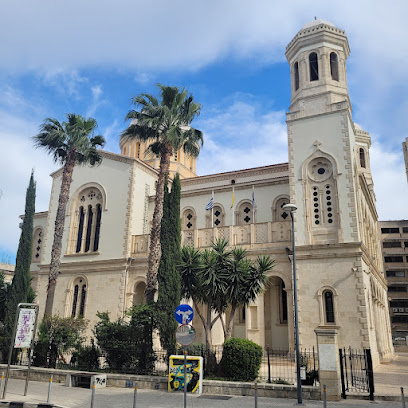
Agios Ermogenis
1.2 km
Discover Agios Ermogenis, a hidden church gem in Episkopi, Cyprus, rich in history and serene beauty, perfect for a peaceful retreat near the ancient Kourion.
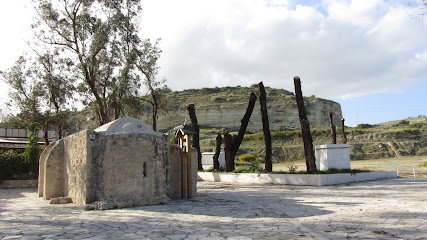
Kourion archaelogical site
1.2 km
Discover the ancient city-kingdom of Kourion, perched on a cliff overlooking the Mediterranean, and explore its remarkably preserved Greco-Roman theatre, mosaic-adorned villas, and early Christian basilica.
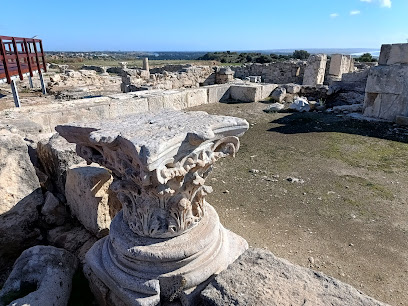
House of Eustolios
1.3 km
Explore the House of Eustolios in Kourion, Cyprus: Discover stunning Roman mosaics and ancient architecture in this well-preserved villa, offering a glimpse into Cyprus's rich history.
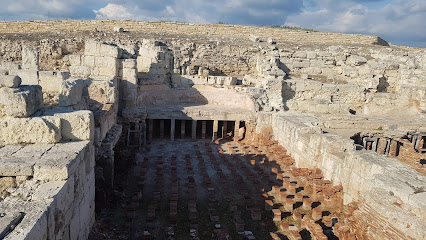
Κourion Ancient Amphitheater
1.3 km
Explore the ancient city-kingdom of Kourion in Cyprus: a captivating blend of Greco-Roman history, stunning mosaics, and breathtaking Mediterranean views awaits discovery.
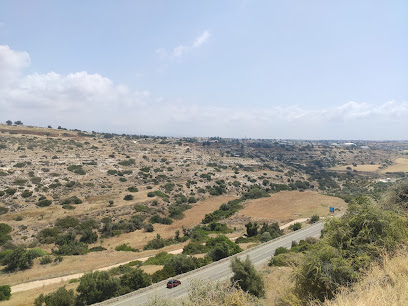
Nymphaeum of Kourion
1.5 km
Explore the ancient Roman Nymphaeum of Kourion in Cyprus, a historical fountain complex dedicated to water nymphs, offering insights into Roman engineering and culture with stunning Mediterranean views.
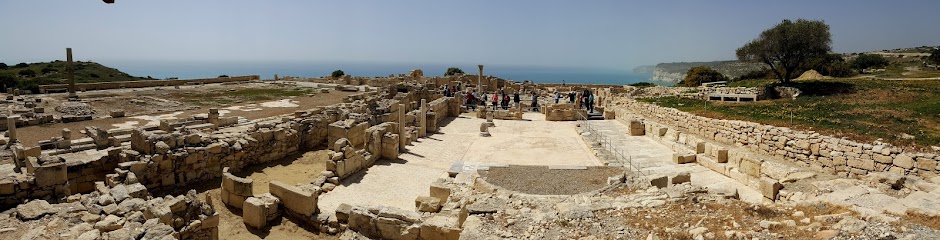
The Cyprus Wine Museum
1.5 km
Explore Cyprus's rich wine heritage at The Cyprus Wine Museum, where tradition and taste blend seamlessly for an unforgettable experience.
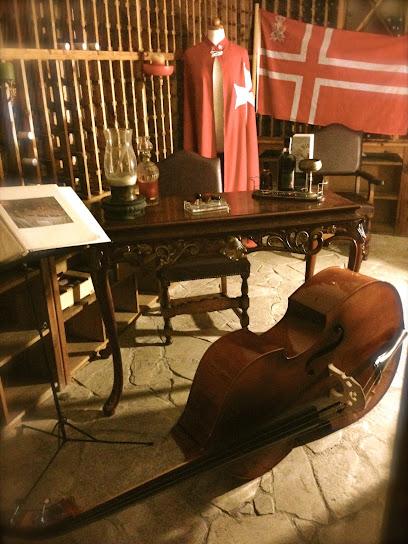
Early Christian Basilica
1.6 km
Discover the serene ruins of the Early Christian Basilica at Kourion, a testament to Cyprus's rich religious history and architectural heritage, offering breathtaking views and ancient mosaics.
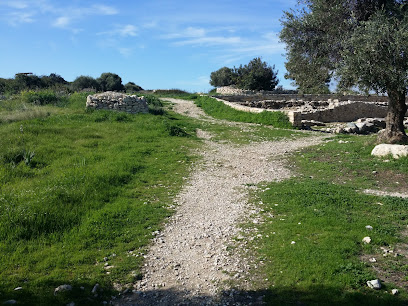
Παλαιοχριστιανική Οικία με Τρικλίνιο
1.6 km
Discover the Paleochristian Triclinium at Kourion, Cyprus: Unearth ancient mosaics and explore early Christian life in this captivating historical landmark with stunning Mediterranean views.
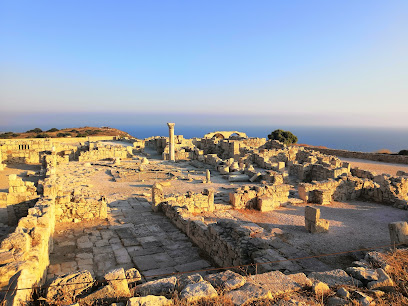
House of the Gladiators
1.7 km
Explore the ancient Roman villa of gladiators in Episkopi, Cyprus, and discover exquisite mosaics depicting combat and mythology near the Kourion ruins.
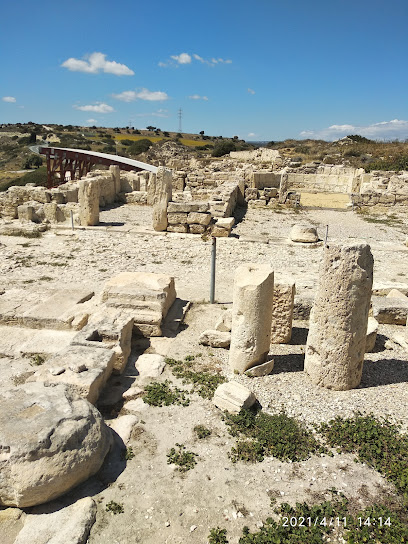
House of Achilles
1.7 km
Step back in time at the House of Achilles in Kourion, Cyprus, and discover stunning mosaics that reveal the stories of ancient Roman life and mythology on this historic island.
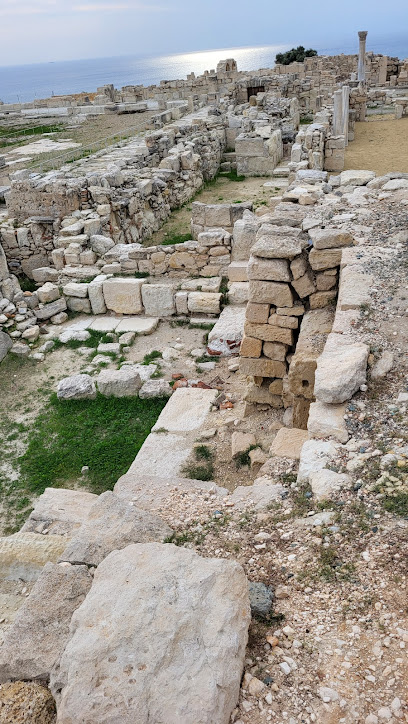
Saulrieta skata vieta
1.7 km
Discover the ancient city-kingdom of Kourion at Saulrieta Skata Vieta, where Greco-Roman ruins meet breathtaking Mediterranean views, offering a unique glimpse into Cyprus's rich past.
Ancient Kourion
1.7 km
Explore the ancient city-kingdom of Kourion in Cyprus: a captivating blend of Greco-Roman history, stunning mosaics, and breathtaking Mediterranean views. A must-see archaeological treasure.
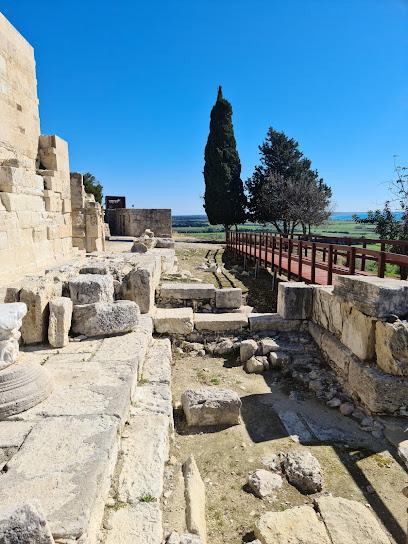
Kourion Beach
2.2 km
Discover Kourion Beach: Where ancient history meets serene shores on Cyprus's captivating coastline, offering sun, sea, and a journey through time.
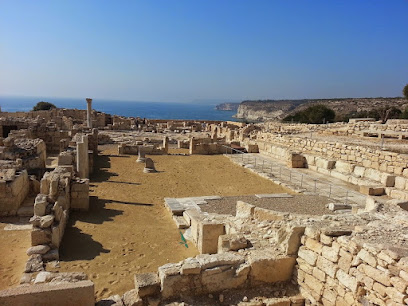
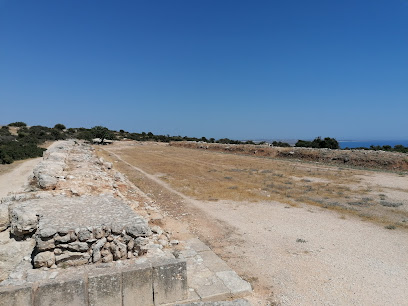
Kourion Stadium
2.3 km
Discover the ancient sporting heritage of Cyprus at Kourion Stadium, a remarkably preserved site where athletes once competed, offering a unique glimpse into the island's vibrant past near Limassol.
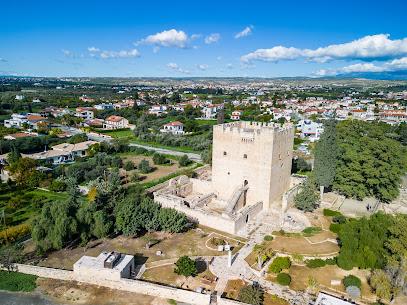
Kolossi Castle
3.1 km
Explore Kolossi Castle, a historical gem in Cyprus, showcasing medieval architecture and rich cultural heritage amid stunning landscapes.
Essential places to dine

Kourion Beach Restaurant
1.9 km
Experience authentic Cypriot cuisine with stunning sea views at Kourion Beach Restaurant in Episkopi.
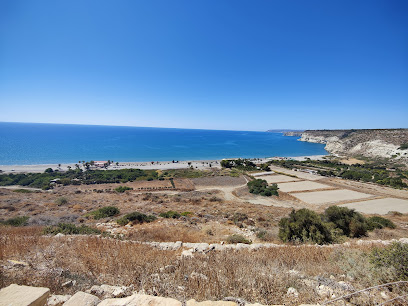
Chris Blue Beach
2.2 km
Experience exquisite seafood dining with breathtaking beach views at Chris Blue Beach in Cyprus.
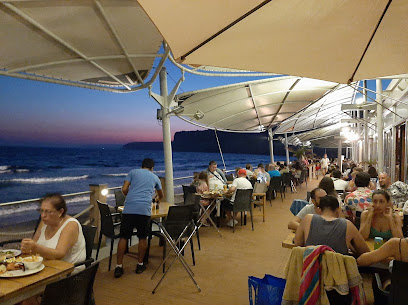
Amber Dragon
8.9 km
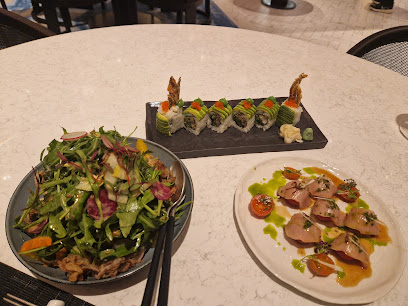
Discover exquisite Asian flavors at Amber Dragon in Limassol - an unforgettable culinary experience awaits you.
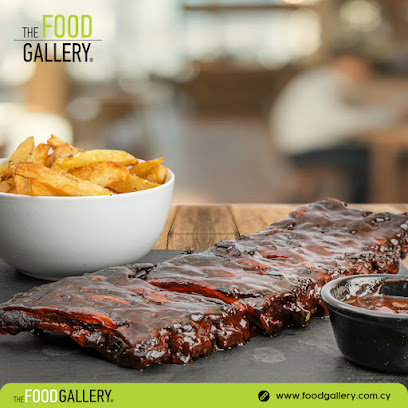
FOOD GALLERY
10.1 km
Discover the vibrant culinary scene at Food Gallery in Limassol - where diverse flavors meet exceptional dining experiences.
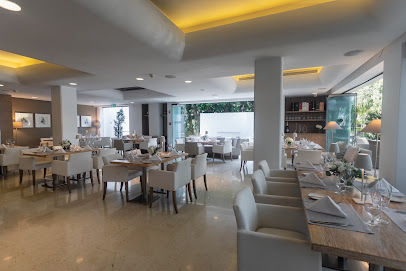
The Polo Restaurant & Bar
11.8 km
Discover culinary excellence at The Polo Restaurant & Bar in Limassol - where local flavors meet international sophistication.
Marina Breeze
12.6 km
Experience exquisite dining at Marina Breeze in Limassol Marina - a blend of local flavors and breathtaking views.
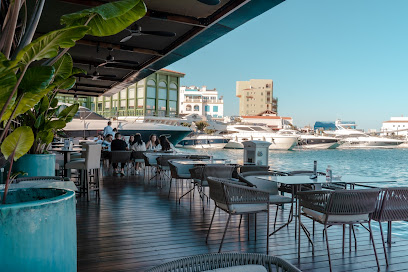
Epsilon Resto Bar
12.6 km
Experience exceptional cuisine with stunning marina views at Epsilon Resto Bar in Limassol - a must-visit dining destination for all food lovers.
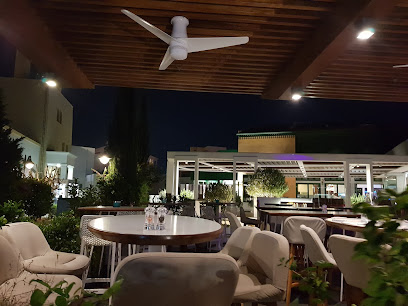
Pyxida Fish Tavern
12.6 km
Discover fresh seafood delights at Pyxida Fish Tavern in Limassol Marina, where every meal is a celebration of Mediterranean flavors.
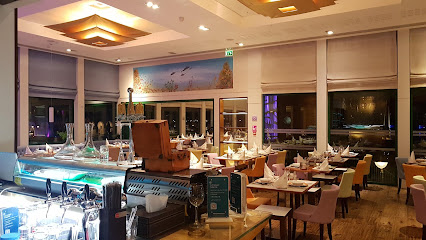
Aliada
12.7 km
Experience authentic Cypriot cuisine at Aliada in Limassol - a delightful restaurant combining local flavors with warm hospitality.
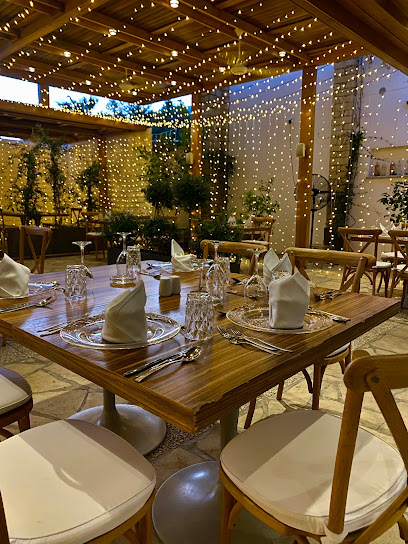
Afxentis Fish Restaurant
12.7 km
Experience the best of Cypriot seafood at Afxentis Fish Restaurant in Limassol - where fresh flavors meet stunning views.
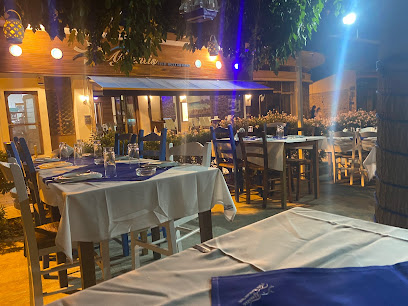
Dionysus Mansion
12.7 km
Experience authentic Greek cuisine at Dionysus Mansion in Limassol - where tradition meets taste in every delightful dish.
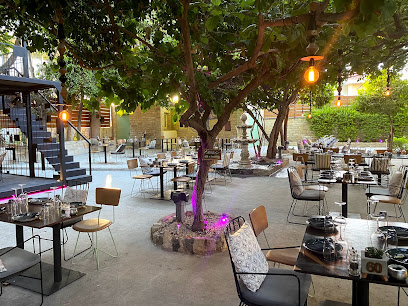
Hobo Mediterraneo
12.7 km
Experience authentic Mediterranean cuisine at Hobo Mediterraneo in Limassol Marina – where every meal is a celebration of flavor.
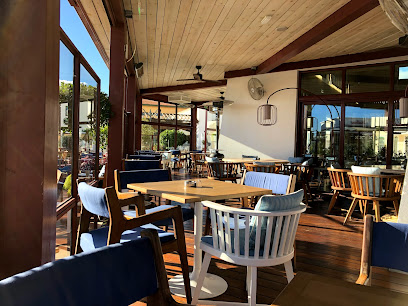
TGI Fridays - Limassol Marina
12.7 km
Experience classic American flavors at TGI Fridays in Limassol Marina—where great food meets stunning seaside views.
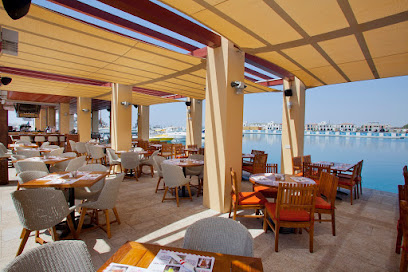
wagamama limassol marina
12.8 km
Discover Wagamama Limassol Marina - where vibrant Pan Asian flavors meet stunning waterfront views in Cyprus.
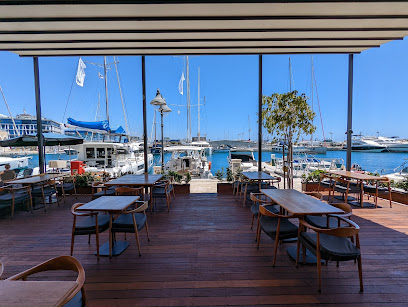
Bistrot 55 Classic Edition
12.8 km
Discover the exquisite flavors of Mediterranean cuisine at Bistrot 55 Classic Edition in Limassol, where every dish tells a story.
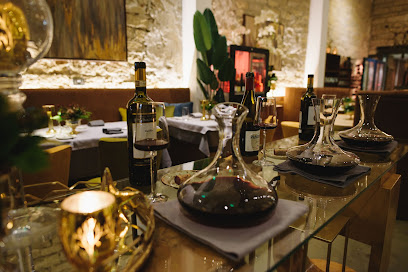
Markets, malls and hidden boutiques

Buysellmoto.com
4.8 km
Discover Cyprus' premier motorcycle dealer, Buysellmoto, and find your dream ride amidst the stunning landscapes of the island.

Hublot Limassol City of Dreams Boutique
8.9 km
Explore the Hublot Limassol City of Dreams Boutique for a luxurious selection of exquisite watches in Cyprus, where craftsmanship meets elegance.
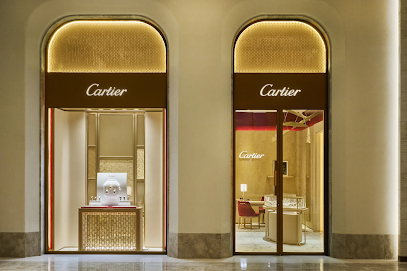
Cartier Limassol City of Dreams Boutique
8.9 km
Discover luxury at Cartier Limassol, where exquisite timepieces and elegant jewelry await in the City of Dreams.
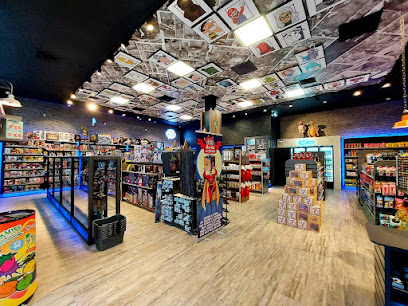
POW! The Shop
8.9 km
Explore a treasure trove of collectibles, rare finds, and unique memorabilia at POW! The Shop in Limassol, Cyprus.
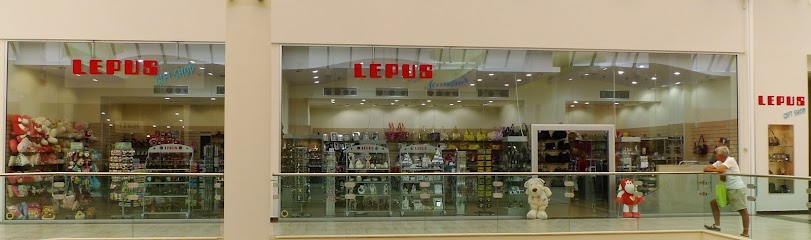
LEPUS Gift Shop - MYMALL Limassol
8.9 km
Shop unique gifts and stylish accessories at LEPUS Gift Shop in MYMALL Limassol, a must-visit destination for tourists seeking memorable souvenirs.
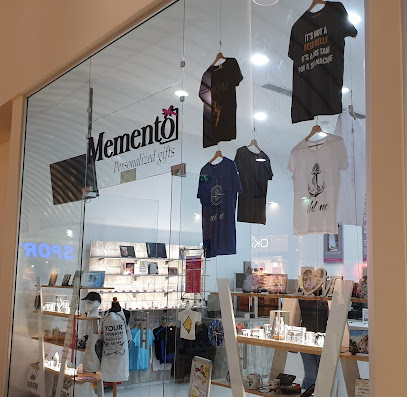
Memento Personalized Gifts
9.0 km
Discover unique personalized gifts at Memento Personalized Gifts in Limassol, the perfect place for meaningful souvenirs and heartfelt presents.
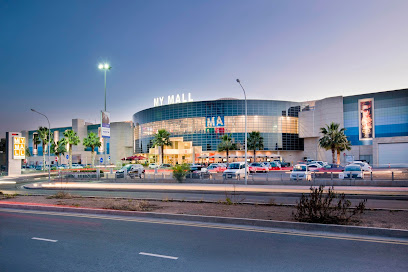
MY MALL Limassol
9.0 km
Explore MY MALL Limassol: Your ultimate shopping, dining, and entertainment hub in Cyprus, offering diverse stores and delightful experiences.
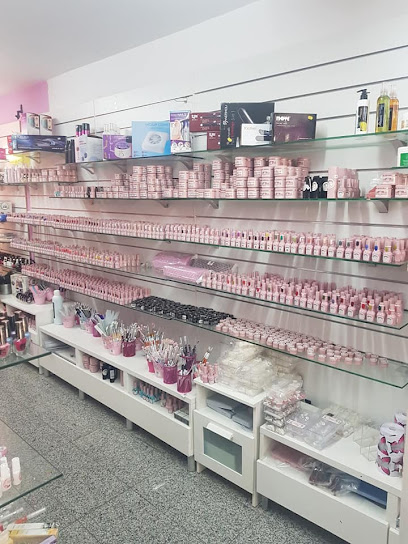
Lavender Shop Cy
9.5 km
Lavender Shop Cy: Your one-stop destination for exquisite perfumes and trendy cell phone accessories in Limassol, Cyprus.
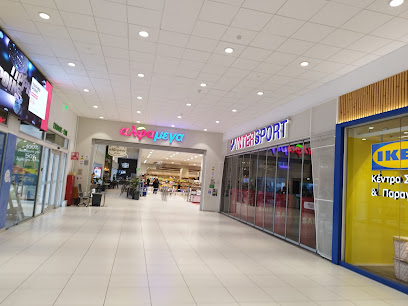
Limassol Shopping Centre
10.2 km
Explore a shopper's paradise at Limassol Shopping Centre—your destination for fashion, food, and fun in the heart of Cyprus.
Status Boutique Limassol
10.2 km
Explore contemporary men's fashion at Status Boutique Limassol, where style meets comfort in the heart of Cyprus.

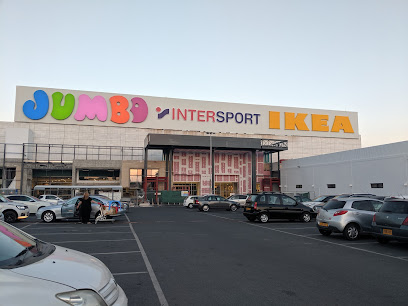
Jumbo
10.2 km
Explore Jumbo, Limassol's vibrant shopping mall offering a diverse range of toys, home goods, and unique gifts for all ages.
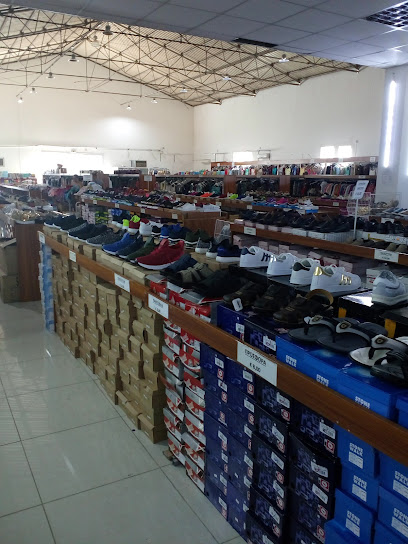
Primestore
10.3 km
Explore Primestore in Limassol, Cyprus – where shopping meets convenience and value in a modern warehouse-style mall.
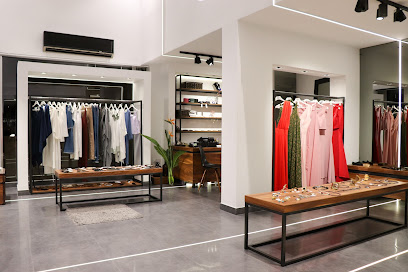
The Sunshine Boutique
11.1 km
Explore the finest collection of women's clothing at The Sunshine Boutique in Limassol, Cyprus - where style meets elegance.
Perche Boutique
12.1 km
Discover unique fashion and accessories at Perche Boutique, a stylish destination in Limassol, perfect for fashion enthusiasts and tourists alike.
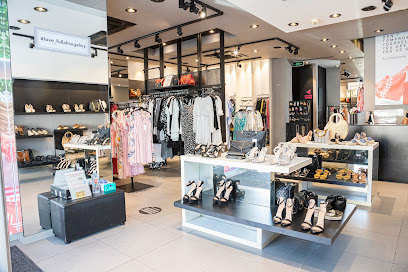
Fullah Sugah | Woman Brand Shopping Limassol
12.2 km
Explore Fullah Sugah in Limassol, your ultimate destination for stylish women's clothing, trendy accessories, and beachwear.
Essential bars & hidden hideouts

ST.Ermogenis Tavern
1.2 km
Savor the flavors of Cyprus at ST. Ermogenis Tavern, where authentic dishes meet warm hospitality in the heart of Episkopi.
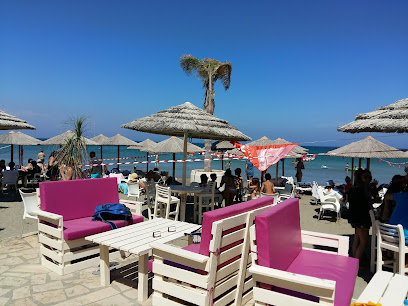
Oceania beach bar
11.4 km
Discover the vibrant Oceania Beach Bar in Limassol, where refreshing drinks and delicious meals meet stunning Mediterranean views.
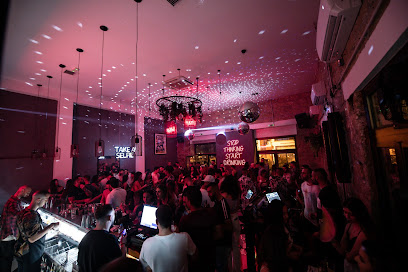
Tipsy Donkey Drinkery
12.6 km
Experience the lively atmosphere and unique cocktails at Tipsy Donkey Drinkery in the heart of Limassol, a must-visit bar for travelers.
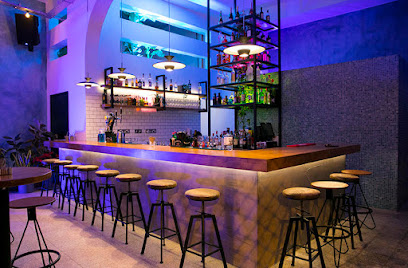
Zester.
12.6 km
Experience the vibrant nightlife of Limassol at Zester, a must-visit cocktail bar offering innovative drinks and a lively atmosphere.
Tapper Bar
12.7 km
Experience the vibrant nightlife at Tapper Bar in Limassol, Cyprus, where great music, refreshing drinks, and a friendly crowd await you.
Marina Roof Bar
12.7 km
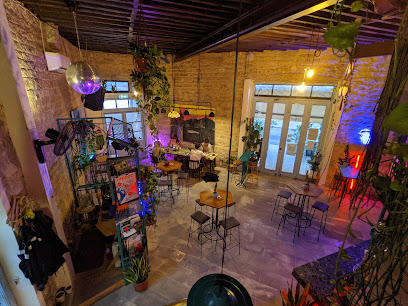
Discover the Marina Roof Bar in Limassol for stunning views, delightful cocktails, and a vibrant atmosphere that captures the spirit of Cyprus.
Bar Louise
12.8 km
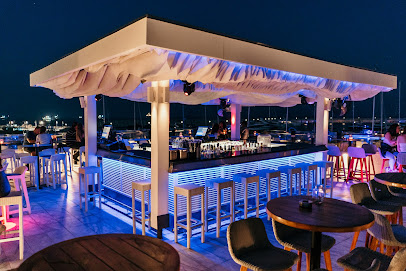
Discover the vibrant atmosphere and exquisite drinks at Bar Louise, a must-visit bar in Limassol, Cyprus, perfect for a night out.
The Wine Bar
12.8 km
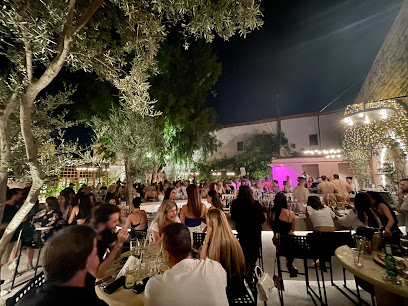
Experience the essence of wine culture at The Wine Bar in Limassol, where every sip tells a story and every visit is a celebration.
Lithos Concept bar
12.8 km
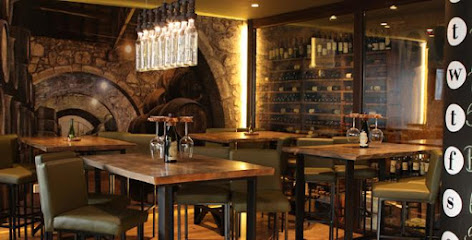
Experience the vibrant nightlife of Kastrou at Lithos Concept Bar, where exquisite cocktails and stylish ambiance come together for an unforgettable night out.
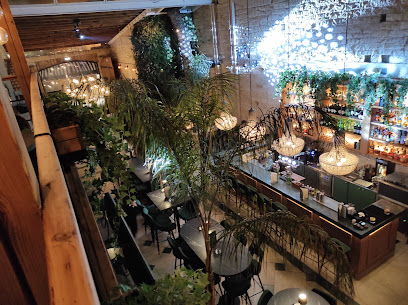
Vinylio Wine Etc
12.8 km
Discover a cozy haven for wine lovers at Vinylio Wine Etc, where exquisite wines and a lively atmosphere await in Limassol.
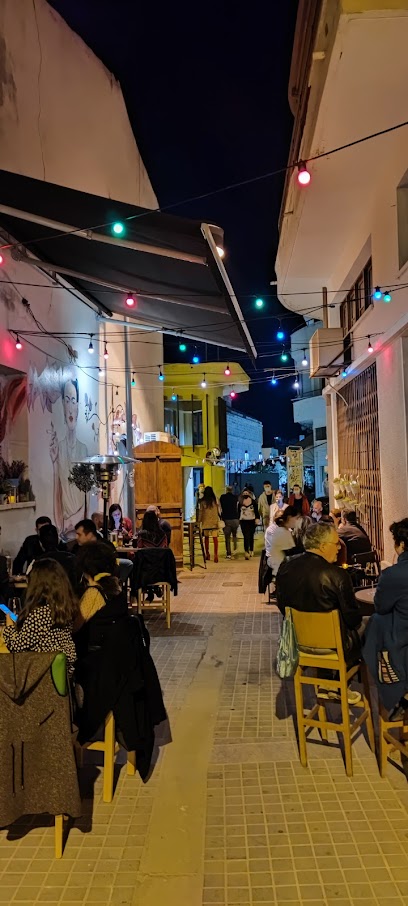
22B Roof Bar
12.8 km
Discover the enchanting atmosphere and stunning views at Limassol's 22B Roof Bar, where unforgettable nights come to life.
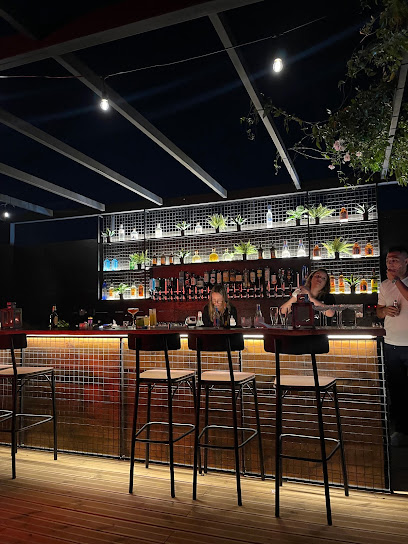
Salut
13.0 km
Discover the vibrant nightlife of Limassol at Salut, a trendy bar offering delicious food, refreshing drinks, and an unforgettable atmosphere.
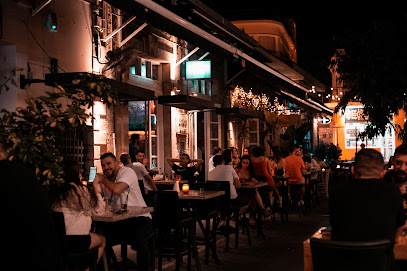
Tiki Tiki Bar
13.0 km
Experience the vibrant nightlife of Limassol at Tiki Tiki Bar, where tropical vibes and expertly crafted cocktails come together for an unforgettable evening.
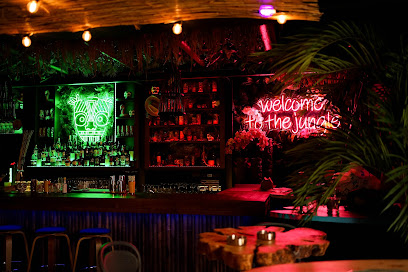
Bar Du Soleil
13.0 km
Discover Limassol's vibrant Bar Du Soleil, where exquisite cocktails, fresh sushi, and artistic ambiance create a perfect getaway.
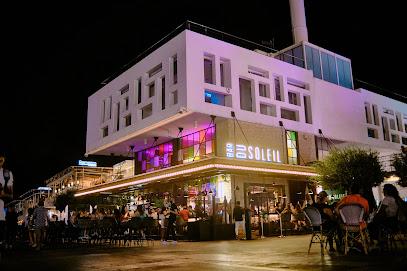
Mason Bar
13.0 km
Experience the vibrant nightlife of Limassol at Mason Bar, where great music and delicious cocktails create unforgettable moments.
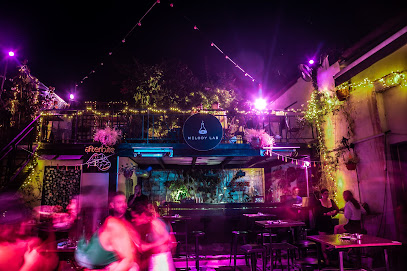
Nightclubs & after hour spots

Rainbow Mens Club
7.4 km
Discover the electrifying ambiance of Rainbow Mens Club, Ypsonas' premier night club, where unforgettable nights and vibrant music await every visitor.
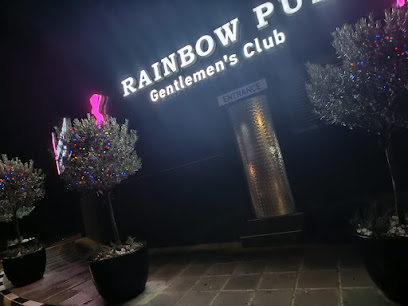
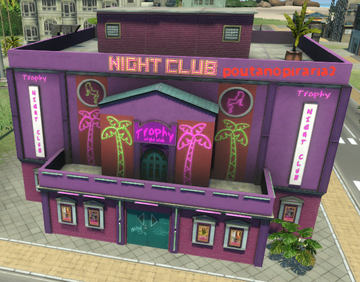
poutanopiraria2
9.2 km
Dive into the enchanting nightlife at Poutanopiraria2, Kato Polemidia’s vibrant gay night club, where music, dance, and inclusivity unite.
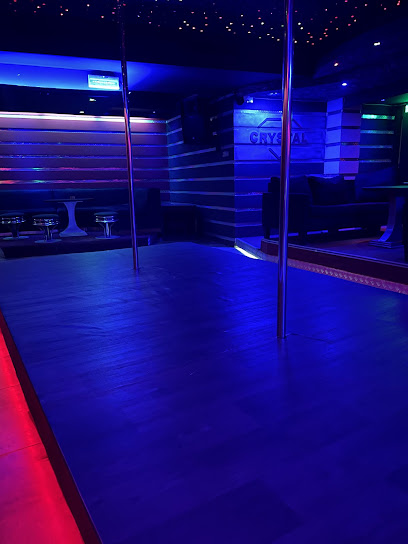
Crystal Night Club
9.9 km
Experience the electrifying nightlife of Limassol at Crystal Night Club, where vibrant energy meets top-notch entertainment and unforgettable memories are made.
W Club
11.7 km
Dive into the vibrant nightlife of Limassol at W Club, where electrifying music and an unforgettable atmosphere await you.

DK night club
12.1 km
Discover the vibrant nightlife at DK Night Club in Limassol, where the beat never stops and unforgettable memories are made.

Unholy Night Club
12.7 km
Experience the electrifying nightlife at Unholy Night Club in Limassol, Cyprus, where music and dancing come together for an unforgettable evening.
NFT CLUB
12.7 km
Experience the vibrant nightlife of Limassol at NFT Club, where top DJs and an energetic atmosphere create unforgettable nights.
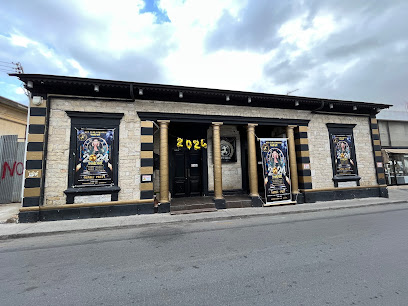
Bull's Night Club
12.7 km
Bull's Night Club in Limassol: A pulsating nightlife experience with electric beats, vibrant atmosphere, and unforgettable nights under the Cyprus skies.
RSD CLUB
12.7 km
Experience the vibrant nightlife of Limassol at RSD CLUB, a premier disco club featuring electrifying music and an energetic atmosphere.
Notes Live Cyprus
12.9 km
Dive into Limassol's nightlife at Notes Live Cyprus, where live music and vibrant energy create an unforgettable experience.

Rock and Roll
12.9 km
Experience the vibrant nightlife of Limassol at Rock and Roll, where electrifying music meets an unforgettable ambiance.

Dx Club
13.2 km
Dance the night away at Limassol's top nightlife destination, Dx Club, where vibrant music and an electric atmosphere await.
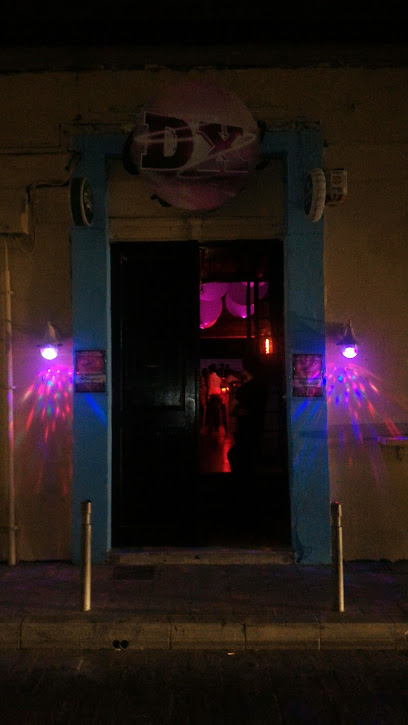
Voice Karaoke Club
13.2 km
Experience the vibrant nightlife of Limassol at Voice Karaoke Club, where every song is a chance to shine and make unforgettable memories.
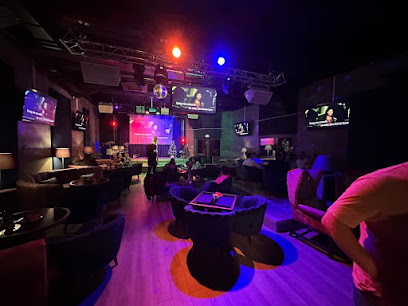
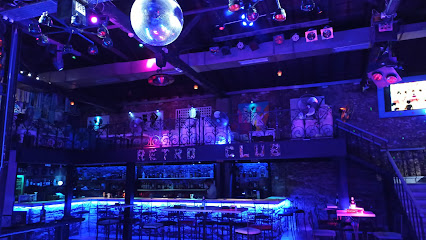
Metropole Retro Club
13.2 km
Experience the vibrant energy of Limassol's nightlife at Metropole Retro Club, where retro beats and modern vibes collide for an unforgettable night.
Kastro Restaurant
16.4 km
Savor the essence of Greece with fresh seafood and Mediterranean fare at Kastro Restaurant in Pissouri, Cyprus.