

Free Beskids Travel Guide & Mobile App
Explore Beskids with free travel guides. Discover regional history, expert tips, proposed trips, and audio guides on web or mobile app.


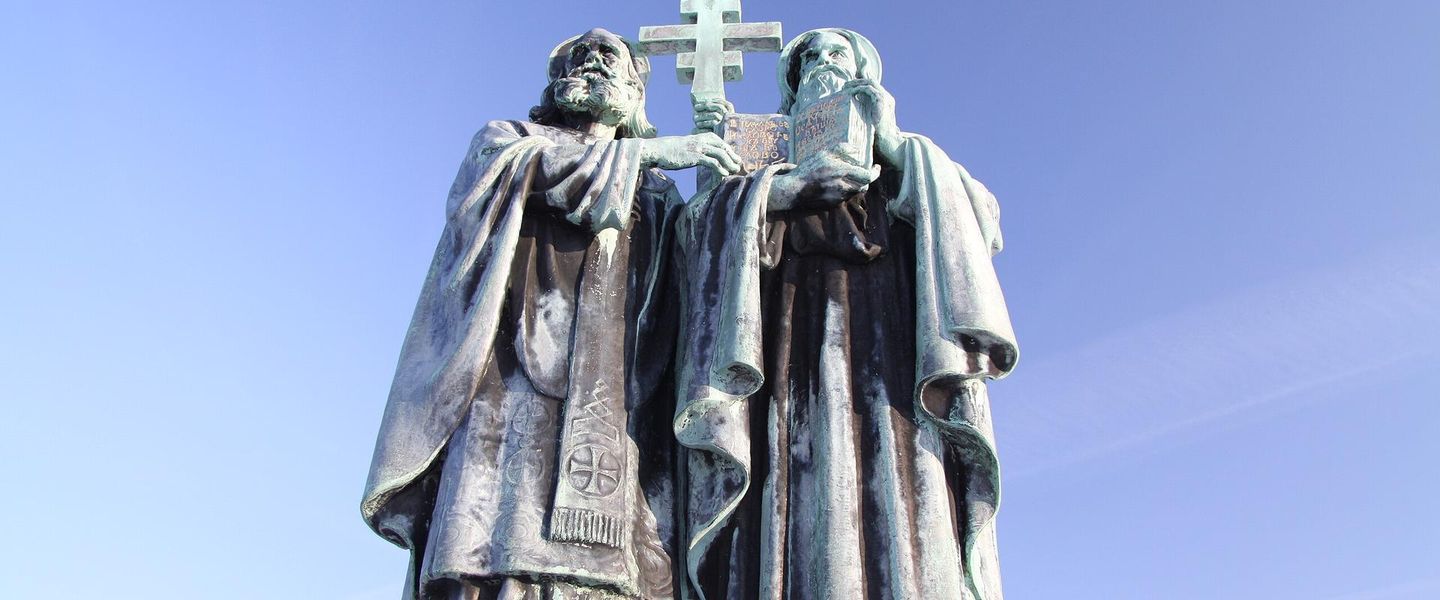


Explore the Czech Beskids for forested summits, Wallachian culture, timber architecture, mountain trails and traditional Moravian food.
Read more about Beskids
When is the best time to visit Beskids?
Best: June–August · 22–24°C| Month | High (°C) | Rainfall (mm) |
|---|---|---|
| January | 1 | 40 |
| February | 3 | 35 |
| March | 7 | 40 |
| April | 12 | 50 |
| May | 17 | 60 |
| June (best) | 22 | 70 |
| July (best) | 24 | 80 |
| August (best) | 23 | 80 |
| September | 19 | 60 |
| October | 13 | 50 |
| November | 7 | 45 |
| December | 2 | 40 |
Getting to and around Beskids
How to get there
Transportation
Destinations in Beskids
Resorts, valleys and scenic spots worth a trip of their own.

Swipe for more destinations
Best attractions in Beskids
The Beskids’ main attraction is the landscape itself: long forested ridges, mountain meadows, rushing streams and valleys shaped by traditional settlement. Hiking routes range from gentle woodland walks around the foothills to demanding ascents of Lysá hora, the highest summit in the Moravian-Silesian Beskids. Pustevny provides accessible ridge scenery, distinctive timber architecture and routes towards Radhošť, while the valleys around Ostravice, Čeladná and Frýdlant nad Ostravicí support walking, cycling and winter recreation. The Beskydy Protected Landscape Area also offers opportunities to observe a carefully managed mountain environment rather than a heavily built-up resort. Cultural attractions broaden the picture: the Wallachian Open-Air Museum in Rožnov pod Radhoštěm presents regional buildings and rural life, and the foothill towns contain museums, churches and historic quarters. Families can combine shorter walks with heritage visits, while experienced hikers can plan longer ridge crossings. Winter activities are concentrated around established mountain areas and depend on snow conditions, so the region is best approached as a collection of valleys and trail networks rather than a single resort.
-
Tourist attraction
Prague Castle
Discover the grandeur of Prague Castle, a historical gem that showcases the rich cultural tapestry of the Czech Republic amidst stunning architecture and breathtaking views.
-
Tourist attraction
Memorial and Museum Auschwitz I
Explore Auschwitz I, a UNESCO World Heritage Site, and pay tribute to the victims of the Holocaust while gaining a profound understanding of history.
-
Tourist attraction
Zamek Dunajec w Niedzicy, Stowarzyszenie Historyków Sztuki
Explore Zamek Dunajec in Niedzica, a captivating castle and museum offering a deep dive into Poland's rich history and stunning natural landscapes.
-
Tourist attraction
Park Mirakulum
Experience adventure and fun at Park Mirakulum, a top amusement park in Milovice nad Labem, perfect for families and thrill-seekers.


Best landmarks in Beskids
Lysá hora is the Beskids’ most recognisable natural landmark, rising to 1,323 metres above the surrounding valleys and serving as a demanding but rewarding walking objective. Pustevny is the region’s best-known architectural landmark, where timber buildings designed by Dušan Jurkovič create an expressive mountain ensemble linked to the early history of Czech tourism. The nearby summit and pilgrimage site of Radhošť is marked by the chapel of Saints Cyril and Methodius and a statue of the two missionaries, while the ridge also carries strong associations with the legendary figure Radegast. In the foothills, the Wallachian Open-Air Museum at Rožnov pod Radhoštěm preserves and interprets timber architecture from Moravian villages. Frýdek Castle and its historic surroundings give Frýdek-Místek a different, urban landmark character, reflecting the region’s older estates and later town development. The wooded ridges, open summit grasslands and deep valleys of the protected landscape are themselves defining geographical landmarks, especially when viewed from the foothill roads and towns.
-
Scenic spot
Petrin Tower
Discover stunning views and rich history at Petrin Tower, a must-visit landmark in Prague's beautiful Petřín Park.
-
National park
Adršpach-Teplice Rocks
Explore the breathtaking Adršpach-Teplice Rocks National Park, a natural wonder filled with towering cliffs, serene lakes, and stunning hiking trails in the Czech Republic.
-
Heritage museum
Wallachian Open Air Museum
Explore the Wallachian Open Air Museum: A Living Heritage Experience in Rožnov pod Radhoštěm, Showcasing Traditional Culture and Scenic Landscapes.
-
Tourist attraction
Tiské stěny
Discover Tiské Stěny, a breathtaking natural wonder in the Czech Republic, known for its stunning rock formations and scenic hiking trails.


Explore Beskids on the map
Plan your trip on one map. See where the top cities, national parks and sights are, and book hotels and experiences in a few clicks.
Best hotels in Beskids
Best restaurants in Beskids
Beskid dining reflects the food traditions of eastern Moravia and Moravian Wallachia, where potatoes, cabbage, flour, mushrooms, pork and dairy products have long been important. Traditional menus may include kyselica, a hearty sour cabbage soup, potato dishes, dumplings and preparations using sheep’s cheese; the sweet, round frgál pastry is particularly associated with Wallachia and is sold in bakeries and local food shops. Mountain huts and village inns provide filling meals for walkers, while cafés in Rožnov pod Radhoštěm, Frenštát pod Radhoštěm and the larger foothill towns offer modern interpretations and lighter food. Regional beer is common, and local producers may feature honey, preserves, cheese and baked goods. Dining is generally informal in rural areas, although hotels and contemporary restaurants in Čeladná and the valley resorts provide more polished settings. Farmers’ markets and seasonal events can be useful places to encounter regional produce, but availability varies through the year.
-
Restaurant
Restaurace Masné krámy
Savor authentic Czech cuisine at Restaurace Masné krámy in České Budějovice – where tradition meets taste in every bite.
-
Restaurant
Prašivá chalet - accommodation in Beskydy
Discover Prašivá Chalet: A Scenic Dining Retreat in Beskydy Mountains Offering Local Cuisine and Breathtaking Views.
-
Czech
Penzion a restaurace Staré časy
Experience authentic Czech cuisine and cozy accommodation at Penzion a restaurace Staré časy in Horní Bečva.
-
Restaurant
Chata Čantoryje
Experience authentic Czech flavors at Chata Čantoryje in Nýdek – a culinary haven for tourists seeking traditional delights.


Best bars in Beskids
Evening life in the Beskids is predominantly social and local rather than centred on large clubs. Traditional pubs, mountain guesthouses and restaurants provide the main settings for a drink after walking, with Czech beer, regional dishes and informal conversation more typical than late-night entertainment. Frýdek-Místek, Frenštát pod Radhoštěm and Rožnov pod Radhoštěm offer the broadest choice of cafés, bars and occasional live-music venues, while smaller villages generally close earlier and have fewer options. Čeladná and other resort areas may have hotel bars and seasonal evening events, but their atmosphere changes with the tourist calendar. Visitors should not expect a continuous nightlife district across the mountains: evening plans are best made around the town or valley where accommodation is located. Cultural programmes, concerts and village events occur at varying times, so current local listings are more reliable than assuming a fixed schedule.
-
Bar
Hemingway Bar
Experience the essence of Ernest Hemingway with expertly crafted cocktails in a charming Old Town bar that embraces literary elegance.
-
Tour operator
Drunken Monkey Pub Crawl & Boat Party
Discover Prague's nightlife with Drunken Monkey Pub Crawl & Boat Party for an unforgettable evening of fun, friends, and stunning river views.
-
Restaurant
Terasa U Prince
Experience exquisite dining with breathtaking views at Terasa U Prince, the perfect blend of culinary delight and scenic beauty in Prague.
-
Restaurant
Pivovarský klub Benedict
Experience the best of Czech cuisine and local beer at Pivovarský klub Benedict in Karlín, a cultural hotspot for tourists and locals alike.


Best nightclubs in Beskids
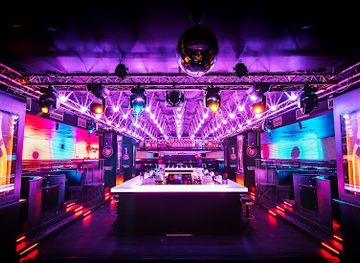
Evening life in the Beskids is predominantly social and local rather than centred on large clubs. Traditional pubs, mountain guesthouses and restaurants provide the main settings for a drink after walking, with Czech beer, regional dishes and informal conversation more typical than late-night entertainment. Frýdek-Místek, Frenštát pod Radhoštěm and Rožnov pod Radhoštěm offer the broadest choice of cafés, bars and occasional live-music venues, while smaller villages generally close earlier and have fewer options. Čeladná and other resort areas may have hotel bars and seasonal evening events, but their atmosphere changes with the tourist calendar. Visitors should not expect a continuous nightlife district across the mountains: evening plans are best made around the town or valley where accommodation is located. Cultural programmes, concerts and village events occur at varying times, so current local listings are more reliable than assuming a fixed schedule.
-
Night club
Duplex
Experience the vibrant nightlife of Prague at Duplex, a premier night club with stunning views, exquisite drinks, and unforgettable music.
-
Night club
Karlovy Lazne - Nightclub
Discover the heart of Prague's nightlife at Karlovy Lazne, a multi-level nightclub offering diverse music and vibrant atmosphere for an unforgettable experience.
-
Disco club
Epic Prague
Experience the vibrant nightlife of Prague at Epic Prague, where music, dancing, and unforgettable memories await in the heart of the city.
-
Night club
One Club
Dive into the heart of Prague's nightlife at One Club, where electrifying music, stylish cocktails, and an unforgettable atmosphere await!

Best shops in Beskids
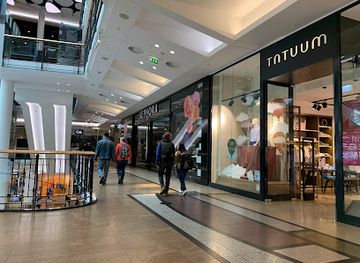
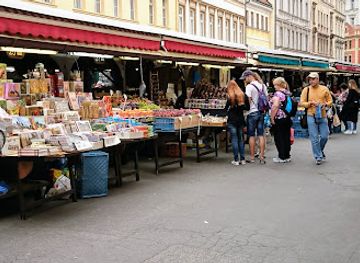
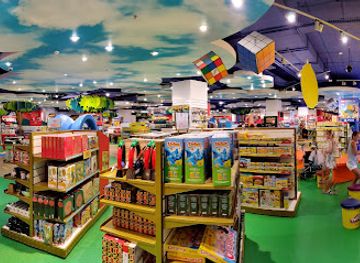
Shopping in the Beskids is concentrated in the foothill towns rather than in large dedicated retail districts. Frýdek-Místek provides the widest range of everyday shops, while Rožnov pod Radhoštěm and Frenštát pod Radhoštěm combine practical retail with independent food shops, cafés, galleries and craft-oriented businesses. Visitors looking for regional products can seek out frgál pastries, honey, preserves, cheese, herbal products and other goods from eastern Moravia, although labels and availability vary between producers. The Wallachian Open-Air Museum and local cultural venues may offer craft items, books and explanatory material connected with regional architecture and traditions. Small village shops are useful for picnic supplies but have limited opening patterns and selection, particularly outside the main settlements. Markets and seasonal craft fairs take place at changing times, so local noticeboards and town information offices are the best way to find current events. The most meaningful souvenirs are generally food, locally made textiles, woodwork or ceramics rather than mass-produced mountain imagery.
-
Shopping mall
PALLADIUM
Explore the vibrant PALLADIUM shopping mall in Prague – a treasure trove of fashion, dining, and entertainment awaits!
-
Shopping mall
Nový Smíchov Shopping Centre
Experience the energy of Nový Smíchov Shopping Centre, where shopping, dining, and entertainment come together in the heart of Prague.
-
Market
Havelské tržiště
Explore the vibrant Havelské tržiště in Prague, where local flavors and unique crafts come together in a historic market setting.
-
Gift shop
The Playground
Discover joy and creativity at The Playground, a premier children's amusement center and toy store in New Town, perfect for family adventures.

Get your free copy of our complete guide to Beskids, delivered straight to you.
Everything on this page, from attractions and restaurants to essentials and local phrases, in one PDF you can read offline, print or share.
Already have an account? Sign in
Your Beskids guide is ready.
We'll send it to · Not you? Sign out

Getting your guide ready…
We are putting together a fresh copy of the Beskids guide. This can take up to a minute.
This can take a few moments. If your browser asks, choose Allow so the download can start. You'll find the guide in your Downloads folder.
Nothing happened? Download it again
Sorry, the guide is taking longer than usual. Please try again in a minute, or get it by email instead.
Beskids essentials
Currency and Payment
Safety
Emergency Situations
Do's and Don'ts
Local Tips
From Eve
Local phrases worth knowing
You don't need to get them perfect. A few words go a long way, and locals appreciate the effort.
Basics
| English | Local | Say it |
|---|---|---|
| Hello | Ahoj | [ahoy] |
| Goodbye | Sbohem | [sbohem] |
| Yes | Ano | [ah-no] |
| No | Ne | [neh] |
| Please/You're welcome | Prosím | [pro-seem] |
| Thank you | Děkuji | [dyeh-koo-yee] |
| Excuse me/Sorry | Omlouvám se | [om-loh-vahm seh] |
| How are you? | Jak se máš? | [yak seh mahsh] |
| Fine. And you? | Dobře. A ty? | [dob-zheh. ah tee] |
| Do you speak English? | Mluvíš anglicky? | [mloo-veesh ahn-glits-kee] |
| I don't understand | Nerozumím | [neh-roh-zoo-meem] |
Eating & Drinking
| English | Local | Say it |
|---|---|---|
| I'd like to see the menu, please | Chtěl bych vidět menu, prosím | [khtel bikh vid-yet meh-noo, pro-seem] |
| I don't eat meat | Nejím maso | [nay-eem mah-so] |
| Cheers! | Na zdraví! | [nah zdrah-vee] |
| I would like to pay, please | Chtěl bych zaplatit, prosím | [khtel bikh zah-pla-teet, pro-seem] |
Emergencies
| English | Local | Say it |
|---|---|---|
| Help! | Pomoc! | [poh-mots] |
| Go away! | Jdi pryč! | [yee preech] |
| Call the Police! | Zavolej policii! | [zah-vo-ley poh-li-tsee] |
| Call a doctor! | Zavolej doktora! | [zah-vo-ley dok-toh-ra] |
| I'm lost | Ztratil jsem se | [ztrah-teel ysem seh] |
| I'm ill | Jsem nemocný | [ysem ne-mots-nee] |
Shopping
| English | Local | Say it |
|---|---|---|
| I'd like to buy... | Chtěl bych koupit... | [khtel bikh kou-pit] |
| I'm just looking | Jen se dívám | [yen seh dee-vahm] |
| How much is it? | Kolik to stojí? | [ko-lik toh stoy-ee] |
| That's too expensive | To je příliš drahé | [toh yeh pree-leesh dra-heh] |
| Can you lower the price? | Můžeš snížit cenu? | [moo-zesh snee-zit tseh-noo] |
Time & Numbers
| English | Local | Say it |
|---|---|---|
| What time is it? | Kolik je hodin? | [ko-lik yeh ho-deen] |
| It's one o'clock | Je jedna hodina | [yeh yed-nah ho-dee-nah] |
| Half past (10) | Půl (desáté) | [pool (deh-sa-teh)] |
| Morning | Ráno | [rah-no] |
| Afternoon | Odpoledne | [od-po-leh-dneh] |
| Evening | Večer | [veh-cher] |
| Yesterday | Včera | [vcheh-rah] |
| Today | Dnes | [dnes] |
| Tomorrow | Zítra | [zee-trah] |
| 1 | 1 | [1] |
| 2 | 2 | [2] |
| 3 | 3 | [3] |
| 4 | 4 | [4] |
| 5 | 5 | [5] |
| 6 | 6 | [6] |
| 7 | 7 | [7] |
| 8 | 8 | [8] |
| 9 | 9 | [9] |
| 10 | 10 | [10] |
Transport & Directions
| English | Local | Say it |
|---|---|---|
| Where's a/the...? | Kde je...? | [kdeh yeh] |
| What's the address? | Jaká je adresa? | [ya-kah yeh ah-dreh-sah] |
| Can you show me (on the map)? | Můžeš mi to ukázat (na mapě)? | [moo-zesh mee toh oo-kah-zat (nah mah-peh)] |
| When's the next (bus)? | Kdy jede další (autobus)? | [kdee yeh-deh dal-shee (ow-to-boos)] |
| A ticket (to ....) | Jeden lístek (do ....) | [ye-den lee-stek (doh ....)] |
History of Beskids
Early settlement and the Wallachian landscape
The Beskid valleys and foothills were settled gradually as woodland was cleared for small farms, pasture and village communities. From the late medieval period, the mountain economy developed around timber, grazing, charcoal burning and limited agriculture. Later migration and cultural exchange from the Carpathian east contributed to the Wallachian character associated with the area, although Wallachian identity in Moravia developed through a long process rather than a single migration. The legacy is visible in dispersed settlements, timber buildings, pastoral traditions and the distinctive vocabulary and customs of Moravian Wallachia.
Medieval estates and frontier communities
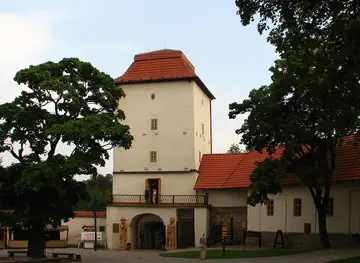
The Beskids lay within the historical lands of Moravia and close to the frontier with Silesia and the Kingdom of Hungary. Valleys, castles and market settlements were linked to estates controlled by noble families, while routes across the mountains connected communities on both sides of the Carpathian region. Hukvaldy Castle, in the western foothills near the town of Hukvaldy, represents the strategic and administrative importance of the area’s uplands. Towns such as Frýdek and Místek developed under different lordships before eventually becoming a single modern urban centre.
Timber architecture and Moravian Wallachia
From the eighteenth and nineteenth centuries, the cultural landscape of the Beskids became closely associated with Moravian Wallachia, a region of mountain villages, pasture farming, timber houses and seasonal work. Buildings were adapted to local materials and climate, while domestic crafts, weaving, woodworking and food traditions supported household economies. The surviving architecture is not a preserved museum world but the remnant of a rural system shaped by practical needs. The Wallachian Open-Air Museum in Rožnov pod Radhoštěm was established in the twentieth century to document and interpret this built and cultural heritage.
Industrialisation and the valleys
The nineteenth century brought railways, mills, factories and expanding towns to the Beskid foothills. Frýdek-Místek became associated with textile production, while other valleys supported sawmills, metalworking and processing industries. Rail connections linked mountain communities with Ostrava, the industrial centres of Silesia and wider Moravia, changing patterns of work and travel. Many residents continued to farm or work in the forests while commuting to industrial employment. This mixture of rural settlement and industrial influence remains central to the region’s character.
Tourism, Pustevny and the mountain imagination
Organised tourism grew in the Beskids during the late nineteenth and early twentieth centuries, when hiking, mountain clubs and interest in folk culture became increasingly popular among urban visitors. Pustevny developed as a notable mountain resort, with buildings designed by Dušan Jurkovič in an imaginative style drawing on Central European folk architecture and Art Nouveau. The site helped shape the public image of the Beskids as a place where nature, national culture and recreation could meet. Mountain tourism later expanded to include skiing, cycling and family recreation.
Twentieth-century borders and protected landscapes
The twentieth century brought major political changes to the region, including the creation of Czechoslovakia in 1918, wartime occupation, post-war reconstruction and the socialist period. The modern Czech-Slovak border became an international frontier after the dissolution of Czechoslovakia in 1993, although cross-border cultural and ecological links remained strong. The Beskydy Protected Landscape Area was established in 1973 to conserve forests, meadows, waterways, wildlife and traditional settlement patterns. Conservation now shapes how visitors use the mountains, particularly in heavily visited areas and sensitive habitats.
Beskids in Photos
Browse through our photo collection highlighting the charm and character of the destination.
Neighbouring regions of Beskids
The closest regions to Beskids, if you have time for more than one.
-

-

-

-

-


Swipe for more regions
Explore more

Explore more of Czechia
Discover Czechia: A European gem with historic towns, stunning landscapes, and cultural delights. Perfect for travelers seeking charm, history, and adventure.
Explore Czechia