

Free Silesia Travel Guide & Mobile App
Explore Silesia with free travel guides. Discover regional history, expert tips, proposed trips, and audio guides on web or mobile app.


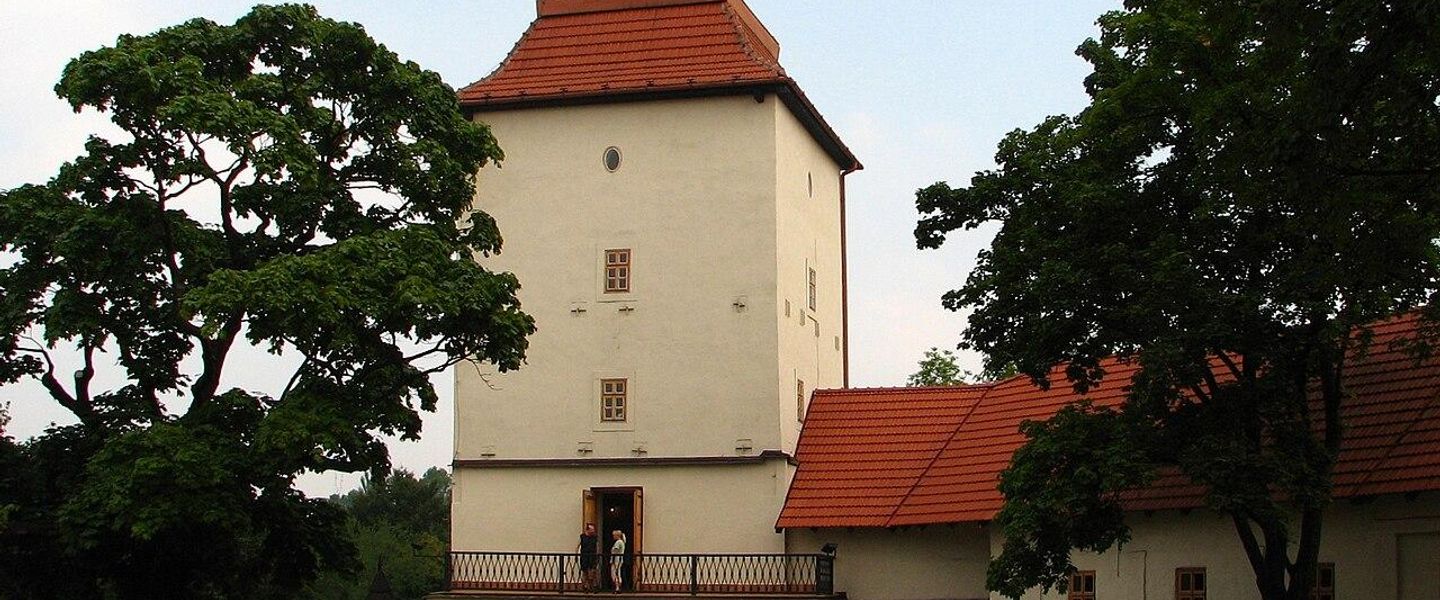


Explore Czech Silesia for industrial museums, historic Opava, borderland towns, forested uplands and distinctive Czech-Polish cultural influences.
Read more about Silesia
When is the best time to visit Silesia?
Best: June–August · 23–25°C| Month | High (°C) | Rainfall (mm) |
|---|---|---|
| January | 2 | 35 |
| February | 4 | 32 |
| March | 9 | 38 |
| April | 14 | 44 |
| May | 19 | 56 |
| June (best) | 23 | 63 |
| July (best) | 25 | 71 |
| August (best) | 25 | 64 |
| September | 21 | 55 |
| October | 15 | 41 |
| November | 8 | 45 |
| December | 2 | 38 |
Getting to and around Silesia
How to get there
Transportation
Top city travel guides in Silesia
The cities of Silesia, and the easiest places to base yourself.
-

-


Swipe for more cities
Destinations in Silesia
Resorts, valleys and scenic spots worth a trip of their own.
-

-

-


Swipe for more destinations
Best attractions in Silesia
Czech Silesia's attractions are unusually varied because its historic identity is tied both to aristocratic estates and to heavy industry. Ostrava anchors the urban offer with Lower Vítkovice, the Mining Museum at Landek Park and other reminders of coal, iron and railway production. These are not merely collections of machinery: they explain how industrialisation reshaped work, migration and the city's physical form. Opava provides museums, churches and a historic centre, while the Silesian Museum, with sites in and around the city, helps place local stories in a wider context. Castles and landscaped estates at Hradec nad Moravicí and nearby settlements offer a different view of regional history. In the north, Krnov, the Hlučín area and the Jeseníky districts combine smaller historic towns with forests, spa traditions, reservoirs and walking routes. The wider region also suits cycling along river valleys and former industrial corridors, birdwatching around wetlands and ponds, and family visits to science and technical museums. Distances between attractions can be considerable, so an itinerary should be organised by area rather than treated as one compact sightseeing circuit.
-
Castle
Silesian Ostrava Castle
Discover a 13th-century Gothic castle transformed into a Renaissance residence, hosting cultural events and offering Ostrava's panoramic views.
-
Botanical garden
Nový Dvůr Arboretum
Explore 7,000 plant species from around the world in this expansive Czech arboretum; a peaceful retreat for nature lovers.
-
Manor house
Zámek Kravaře
Explore Zámek Kravaře, a Baroque castle with a rich history, museum exhibits, and a beautiful park featuring a golf course.
-
Museum
Museum of Juns land
Explore the geological wonders and Walloon heritage of Szklarska Poręba at the Museum of Juna Land, a captivating journey through history and minerals.

Best landmarks in Silesia
The industrial skyline of Lower Vítkovice is Czech Silesia's most recognisable modern landmark. Its blast furnaces, gas holder and linked engineering structures record the scale of the Ostrava coal and steel economy and now form an architectural setting for museums, education and cultural events. Landek Hill, also in Ostrava, is both a natural rise above the Oder valley and the site of a major mining heritage complex. Opava's Cathedral of the Assumption of the Virgin Mary and the Church of Saint Wenceslas express the city's medieval and ecclesiastical importance, while its civic architecture reflects later prosperity and reconstruction. Hradec nad Moravicí is distinguished by its red and white château buildings set within extensive parkland, a visual landmark in the Opava countryside. Krnov's historic churches, town buildings and castle hill reveal its former role as a Silesian administrative centre. In the east, the Olza River and the paired towns of Český Těšín and Polish Cieszyn form a landmark borderland landscape, although the Polish town lies outside the region's Czech side and outside Czechia.
-
Bridge
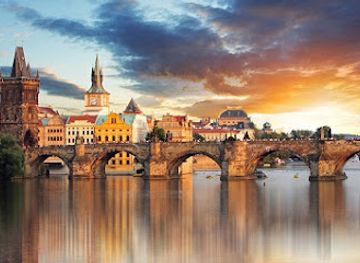
Charles Bridge
Discover the enchanting beauty and rich history of the Charles Bridge, an iconic landmark connecting Prague's Old Town and Lesser Town.
-
Castle
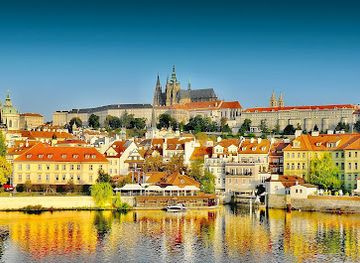
Prague Castle
Discover the architectural splendor and rich history of Prague Castle, the largest ancient castle in the world, nestled in the heart of the Czech Republic.
-
Tourist attraction
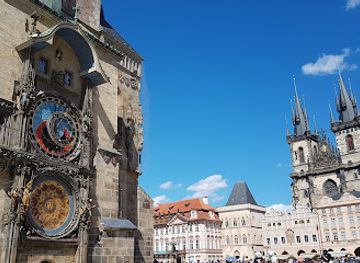
Prague Astronomical Clock
Explore the wonders of the Prague Astronomical Clock, a stunning medieval marvel that captivates visitors with its intricate design and fascinating history.
-
Castle
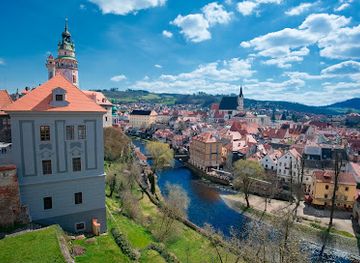
State Castle and Chateau Český Krumlov
Explore the breathtaking State Castle and Chateau Český Krumlov, a UNESCO World Heritage site with stunning architecture and rich history.
Explore Silesia on the map
Plan your trip on one map. See where the top cities, national parks and sights are, and book hotels and experiences in a few clicks.
Best hotels in Silesia
Best restaurants in Silesia
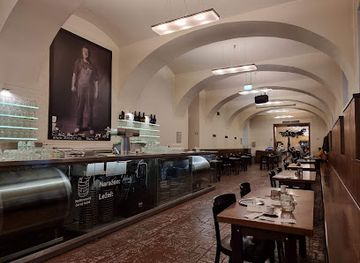
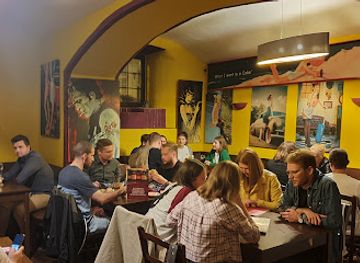
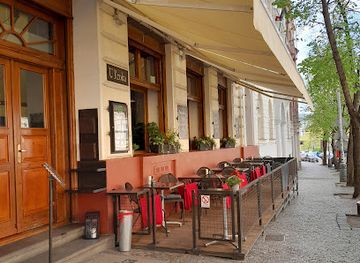
Dining in Czech Silesia reflects the region's position between Czech, Polish, German and mountain food traditions. Traditional restaurants and pubs commonly serve Czech staples such as soups, roast meats, dumplings and potato dishes, while northern and eastern districts show stronger Silesian and Polish influences. Around the Beskid edge and upland settlements, visitors may encounter hearty cabbage soups, smoked products, buckwheat and farmhouse-style cooking, although recipes vary from one locality to another. Ostrava and Opava provide the broadest choice, from modern restaurants and cafés to long-established beer halls and everyday canteens, while smaller towns favour practical, filling meals. Local breweries and Czech beer are prominent, and bakeries and confectioners provide useful options for travellers on the move. Farmers' markets and regional food events can be good places to find cheeses, breads, preserves, honey and meat products, but their schedules are seasonal and should be checked locally. In Český Těšín and the surrounding borderland, Czech and Polish culinary habits sit particularly close together.
-
Czech
Lokál Dlouhááá
Experience the heart of Czech cuisine at Lokál Dlouhááá in Old Town – where tradition meets taste in every dish.
-
Restaurant
U Glaubiců
Experience authentic Czech cuisine at U Glaubiců in Malá Strana - where tradition meets taste.
-
Grill
Sad Man's Tongue Bar & Bistro
Experience American comfort food at Sad Man's Tongue Bar & Bistro in Old Town - where every meal is a delightful culinary adventure.
-
Restaurant
U Kroka
Experience authentic Czech cuisine at U Kroka, where every dish tells a story in the heart of Prague.

Best bars in Silesia
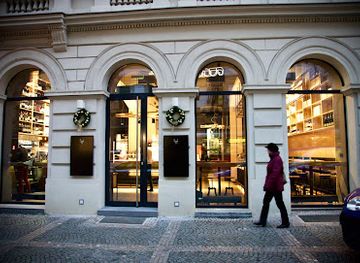
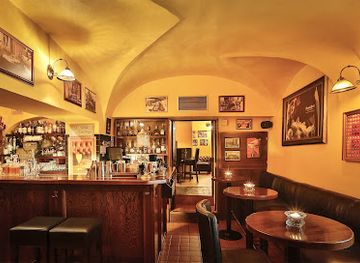
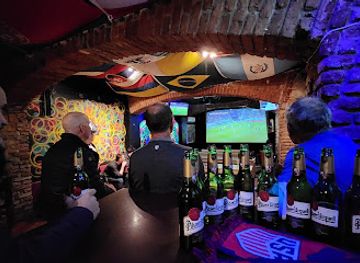
Evening life is concentrated in Ostrava, where former industrial districts, the city centre and cultural venues support a mixture of pubs, breweries, cocktail bars, live music and occasional club nights. The Lower Vítkovice complex also hosts major cultural events, though programming and opening arrangements change. Opava has a smaller scene centred on pubs, cafés, student life and theatres, while Krnov and other towns rely more on traditional bars, restaurants and community events than on large nightclubs. Across rural Czech Silesia, historic inns and village pubs remain important social venues, often offering an earlier and quieter evening than the cities. Seasonal festivals, concerts and cultural programmes can broaden the choice, but visitors should not expect a continuous late-night scene outside Ostrava. Responsible drinking, respect for residents and attention to the last train or bus are especially important when staying outside the main urban centres.
-
Bistro
Bistro Špejle
Discover the flavors of Czech cuisine at Bistro Špejle, where tradition meets innovation in a cozy New Town setting.
-
Bar
Hemingway Bar
Discover the Hemingway Bar in Prague - a sophisticated destination for cocktail enthusiasts and cultural lovers alike.
-
Tour operator
Drunken Monkey Pub Crawl & Boat Party
Join the ultimate nightlife adventure in Prague with the Drunken Monkey Pub Crawl & Boat Party, where fun and friendship await.
-
Restaurant
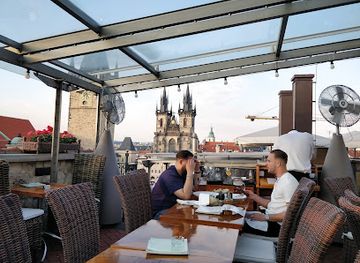
Terasa U Prince
Experience exquisite dining with stunning views at Terasa U Prince, a top destination in Prague's historic Old Town.
Best nightclubs in Silesia
Evening life is concentrated in Ostrava, where former industrial districts, the city centre and cultural venues support a mixture of pubs, breweries, cocktail bars, live music and occasional club nights. The Lower Vítkovice complex also hosts major cultural events, though programming and opening arrangements change. Opava has a smaller scene centred on pubs, cafés, student life and theatres, while Krnov and other towns rely more on traditional bars, restaurants and community events than on large nightclubs. Across rural Czech Silesia, historic inns and village pubs remain important social venues, often offering an earlier and quieter evening than the cities. Seasonal festivals, concerts and cultural programmes can broaden the choice, but visitors should not expect a continuous late-night scene outside Ostrava. Responsible drinking, respect for residents and attention to the last train or bus are especially important when staying outside the main urban centres.
-
Night club
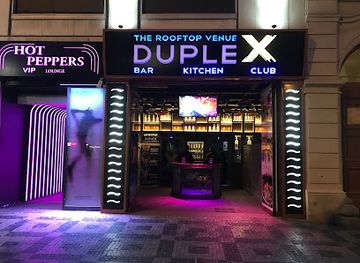
Duplex
Experience the vibrant nightlife of Prague at Duplex, a premier night club and lounge offering stunning views, top DJs, and an electrifying atmosphere.
-
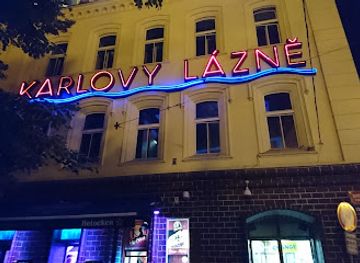
Night club
Karlovy Lazne - Nightclub
Discover the electrifying nightlife at Karlovy Lazne, Prague's iconic nightclub with diverse music and an unforgettable atmosphere.
-
Night club
Chapeau Rouge
Experience the vibrant nightlife of Prague at Chapeau Rouge, a dynamic night club offering great music, cocktails, and an unforgettable atmosphere.
-
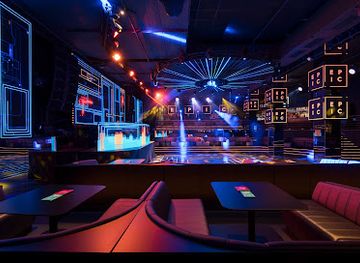
Disco club
Epic Prague
Experience the electrifying nightlife at Epic Prague, where music, dance, and excitement unite in the heart of the city.

Best shops in Silesia
Shopping in Czech Silesia is strongest in the main towns, where Ostrava and Opava combine ordinary high-street retail with independent cafés, bookshops, galleries and design-led businesses. Ostrava's former industrial areas sometimes host cultural markets and craft events, while Opava offers a more traditional town-centre experience. In Krnov, Český Těšín and smaller market towns, the emphasis is on practical shops, bakeries, local services, antiques and occasional seasonal markets rather than luxury retail. Look for Czech food products such as honey, preserves, confectionery, beer and regional cheeses, as well as ceramics, woodwork and handmade goods at craft fairs and museum shops. Cross-border shopping around Český Těšín has a distinctive character, but prices, currencies and retail customs change at the international boundary. Rural markets and festivals are not always held year-round, so local tourist offices and town noticeboards are more reliable than assuming a weekly market is permanent.
-
Shopping mall
PALLADIUM
Experience the ultimate shopping destination in Prague with over 170 stores, diverse dining options, and a vibrant atmosphere at PALLADIUM.
-
Shopping mall
Silesia City Center
Silesia City Center: Your ultimate shopping and entertainment destination in Katowice, Poland, blending retail, dining, and fun in one vibrant space.
-
Shopping mall
Westfield Chodov
Discover the ultimate shopping and entertainment experience at Westfield Chodov, Prague's top shopping mall with diverse options for all tastes.
-
Shopping mall
Nový Smíchov Shopping Centre
Experience the best of shopping, dining, and entertainment at Nový Smíchov Shopping Centre in Prague, a must-visit destination for every traveler.

Get your free copy of our complete guide to Silesia, delivered straight to you.
Everything on this page, from attractions and restaurants to essentials and local phrases, in one PDF you can read offline, print or share.
Already have an account? Sign in
Your Silesia guide is ready.
We'll send it to · Not you? Sign out

Getting your guide ready…
We are putting together a fresh copy of the Silesia guide. This can take up to a minute.
This can take a few moments. If your browser asks, choose Allow so the download can start. You'll find the guide in your Downloads folder.
Nothing happened? Download it again
Sorry, the guide is taking longer than usual. Please try again in a minute, or get it by email instead.
Silesia essentials
Currency and Payment
Safety
Emergency Situations
Do's and Don'ts
Local Tips
From Eve
Local phrases worth knowing
You don't need to get them perfect. A few words go a long way, and locals appreciate the effort.
Basics
| English | Local | Say it |
|---|---|---|
| Hello | Ahoj | [ahoy] |
| Goodbye | Nashledanou | [nash-led-ah-noh] |
| Yes | Ano | [ah-noh] |
| No | Ne | [neh] |
| Please/You're welcome | Prosím | [pro-seem] |
| Thank you | Děkuji | [dyeh-koo-yee] |
| Excuse me/Sorry | Omlouvám se | [om-loh-vahm seh] |
| How are you? | Jak se máš? | [yak seh mahsh] |
| Fine. And you? | Dobře. A ty? | [dob-rzeh. ah tee?] |
| Do you speak English? | Mluvíš anglicky? | [mloo-veesh ahn-glits-kee?] |
| I don't understand | Nerozumím | [neh-roh-zoo-meem] |
Eating & Drinking
| English | Local | Say it |
|---|---|---|
| I'd like to see the menu, please | Chtěl bych vidět jídelní lístek, prosím | [kh-tyel bikh veed-yet yee-del-nee leestek, pro-seem] |
| I don't eat meat | Nejím maso | [nay-eem mah-soh] |
| Cheers! | Na zdraví! | [nah zdrah-vee] |
| I would like to pay, please | Chtěl bych zaplatit, prosím | [kh-tyel bikh zah-pla-teet, pro-seem] |
Emergencies
| English | Local | Say it |
|---|---|---|
| Help! | Pomoc! | [poh-mots] |
| Go away! | Jdi pryč! | [yee preech] |
| Call the Police! | Zavolejte policii! | [zah-vo-lay-teh poh-lee-tsi-ee] |
| Call a doctor! | Zavolejte doktora! | [zah-vo-lay-teh dok-toh-rah] |
| I'm lost | Ztratil jsem se | [ztrah-teel ysem seh] |
| I'm ill | Jsem nemocný | [ysem neh-mots-nee] |
Shopping
| English | Local | Say it |
|---|---|---|
| I'd like to buy... | Chtěl bych koupit... | [kh-tyel bikh koh-pit...] |
| I'm just looking | Jen se dívám | [yen seh dee-vahm] |
| How much is it? | Kolik to stojí? | [koh-lik toh stoh-yee?] |
| That's too expensive | To je příliš drahé | [toh yeh pree-leesh dra-heh] |
| Can you lower the price? | Můžeš snížit cenu? | [moo-zesh snee-zit tseh-noo?] |
Time & Numbers
| English | Local | Say it |
|---|---|---|
| What time is it? | Kolik je hodin? | [koh-lik yeh ho-deen?] |
| It's one o'clock | Je jedna hodina | [yeh yed-nah ho-dee-nah] |
| Half past (10) | Půl (10) | [pool (10)] |
| Morning | Ráno | [rah-noh] |
| Afternoon | Odpoledne | [od-po-leh-dneh] |
| Evening | Večer | [veh-cher] |
| Yesterday | Včera | [v-cheh-rah] |
| Today | Dnes | [dnes] |
| Tomorrow | Zítra | [zee-trah] |
| 1 | 1 | [1] |
| 2 | 2 | [2] |
| 3 | 3 | [3] |
| 4 | 4 | [4] |
| 5 | 5 | [5] |
| 6 | 6 | [6] |
| 7 | 7 | [7] |
| 8 | 8 | [8] |
| 9 | 9 | [9] |
| 10 | 10 | [10] |
Transport & Directions
| English | Local | Say it |
|---|---|---|
| Where's a/the...? | Kde je...? | [kdeh yeh...?] |
| What's the address? | Jaká je adresa? | [yak-ah yeh a-dre-sah?] |
| Can you show me (on the map)? | Můžeš mi to ukázat (na mapě)? | [moo-zesh mee toh oo-kah-zat (nah mah-peh)?] |
| When's the next (bus)? | Kdy je další (autobus)? | [kdee yeh dal-shi (ow-toh-boos)?] |
| A ticket (to ....) | Jízdenka (do ....) | [yee-zen-kah (doh ....)] |
History of Silesia
Early settlement and the Moravian-Silesian frontier
The territory of Czech Silesia has been inhabited since prehistoric times, and its river valleys provided routes between the Bohemian lands, Moravia and the areas to the north. Slavic settlement developed during the early medieval period, while later political boundaries followed rivers, fortified sites and ruling dynasties rather than modern national frontiers. The Opava basin, the upper Oder and the routes towards the Beskids and Moravian Gate were especially important. Archaeological remains, old settlement patterns and medieval churches preserve evidence of a landscape that was connected to several neighbouring cultural zones from the beginning.
The Duchy of Opava and the Bohemian Crown
Opava became the centre of a Přemyslid-ruled duchy in the thirteenth century, and the Duchy of Opava was subsequently linked to the lands of the Bohemian Crown. Medieval colonisation expanded towns, markets, churches and estates, while noble families established castles and fortified residences across the region. Opava's importance rested on administration and trade, whereas surrounding settlements served agricultural, craft and commercial functions. The legacy of this period survives in historic town plans, ecclesiastical buildings and the castle landscapes around places such as Hradec nad Moravicí.
Silesian divisions after the First Silesian War
The eighteenth-century wars between Prussia and Austria divided Silesia. In 1742, most of Silesia passed to Prussia, while the Habsburg monarchy retained what became known as Austrian Silesia, including the Opava and Krnov areas and the southern part of the former Duchy of Teschen. This division shaped administration, language, religion, trade and architecture for generations. The frontier was politically significant but economically porous, and towns on both sides continued to exchange goods and people. Modern Czech Silesian identity is inseparable from the consequences of this partition.
Industrialisation, coal and steel
From the nineteenth century, the Ostrava and Karviná coalfields became one of the principal industrial zones of the Habsburg monarchy and later Czechoslovakia. Coal mining supported ironworks, engineering, railways and rapidly growing settlements, attracting workers from across the surrounding lands. The Vítkovice works and mines around Ostrava transformed both the economy and the urban landscape. Industrialisation also brought social divisions, pollution and demanding working conditions, but it created a durable cultural identity. Preserved mines, workers' housing and industrial structures now form an important part of the region's heritage.
The Teschen dispute and the creation of Czechoslovakia
After the collapse of Austria-Hungary in 1918, the former Duchy of Teschen became the subject of a dispute between newly established Czechoslovakia and Poland. The territory was divided in 1920, with the Olza River separating Český Těšín from Polish Cieszyn. The decision left mixed communities and families on opposite sides of a new international border. It also established a historical context for the region's Polish minority and for the cross-border cultural relationships that remain visible around Český Těšín and nearby settlements.
Hlučín Land and twentieth-century border changes
The Hlučín area, north-west of Ostrava, had been part of Prussian and later German Silesia before it was transferred to Czechoslovakia in 1920. Its inhabitants experienced changing state identities, language pressures and military mobilisation during the twentieth century. The region was annexed to Nazi Germany in 1938 and returned to Czechoslovakia after the Second World War. These changes had lasting effects on family histories, architecture and local memory. The area today remains a distinctive part of Czech Silesia, with a cultural character shaped by its borderland past.
Post-war reconstruction and the industrial transition
After 1945, the region's mines, steelworks and engineering plants were central to the planned economy of communist Czechoslovakia. Ostrava expanded as an industrial city, while housing estates and transport infrastructure were built to serve the workforce. The decline of coal mining and heavy industry after 1989 brought unemployment, environmental challenges and a search for new economic roles. Some industrial sites were demolished, but others were conserved and adapted for museums, education and culture. The resulting transition is one of the defining contemporary stories of Czech Silesia.
Silesia in Photos
Browse through our photo collection highlighting the charm and character of the destination.
Neighbouring regions of Silesia
The closest regions to Silesia, if you have time for more than one.
-

-

-

-

-


Swipe for more regions
Explore more

Explore more of Czechia
Discover Czechia: A European gem with historic towns, stunning landscapes, and cultural delights. Perfect for travelers seeking charm, history, and adventure.
Explore Czechia