

Free Moravia Travel Guide & Mobile App
Explore Moravia with free travel guides. Discover regional history, expert tips, proposed trips, and audio guides on web or mobile app.


Explore Moravia in Czechia for wine country, historic cities, limestone caves, castles, folk traditions and distinctive regional food.
Read more about Moravia
When is the best time to visit Moravia?
Best: June–August · 21–23°C| Month | High (°C) | Rainfall (mm) |
|---|---|---|
| January | 2 | 30 |
| February | 2 | 30 |
| March | 7 | 40 |
| April | 13 | 40 |
| May | 18 | 50 |
| June (best) | 21 | 60 |
| July (best) | 23 | 60 |
| August (best) | 23 | 60 |
| September | 19 | 50 |
| October | 14 | 40 |
| November | 7 | 40 |
| December | 2 | 30 |
Getting to and around Moravia
How to get there
Transportation
Top city travel guides in Moravia
The cities of Moravia, and the easiest places to base yourself.
-

-

-
-

-


Swipe for more cities
Destinations in Moravia
Resorts, valleys and scenic spots worth a trip of their own.
-

-

-

-

-

-


Swipe for more destinations
Best attractions in Moravia
Moravia's attractions range from dense urban heritage to open landscapes shaped by farming, forestry and historic estates. Brno provides museums, galleries, theatres, the Špilberk complex and important examples of modernist architecture, while Olomouc combines baroque fountains, churches, university culture and the extensive grounds of its historic centre. In the south, the Lednice–Valtice cultural landscape brings palace interiors, parkland, ponds and avenues together with cycling routes through vineyard country. Mikulov and Znojmo offer castles, churches, viewpoints and wine traditions, while the Pálava hills and Podyjí National Park provide walking routes through limestone and river landscapes. The Moravian Karst is the region's principal natural attraction, with marked trails, gorges and cave systems including the Macocha area. Kroměříž adds palace gardens and ecclesiastical history, and Zlín presents a very different attraction: a carefully planned industrial city associated with the Baťa enterprise. Across eastern Moravia, open-air traditions, craft workshops and small museums reveal regional music, costume and manufacturing heritage without reducing local culture to folklore displays.
-
Tourist attraction
Punkva caves
Discover the enchanting Punkva Caves in Vavřinec-Punkevní Žleb, a breathtaking destination for nature lovers and adventure seekers in the heart of Czech Republic.
-
Castle
Bouzov Castle
Explore Bouzov Castle, a stunning medieval fortress in Czechia, rich in history and surrounded by breathtaking natural beauty.
-
Zoo
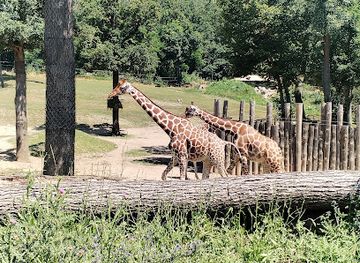
Brno Zoo
Discover Brno Zoo, where wildlife conservation meets beautiful hiking trails amidst stunning natural scenery in Brno-Bystrc.
-
Park
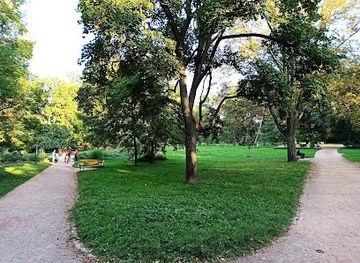
Lužánky Park
Explore Lužánky Park, the oldest city park in the Czech Republic, where nature, culture, and tranquility come together in Brno's vibrant cityscape.


Best landmarks in Moravia
Brno's Cathedral of St Peter and Paul, dramatically positioned on Petrov hill, and Špilberk Castle form the city's most recognisable historic silhouette. Olomouc is marked by the Holy Trinity Column, an ornate eighteenth-century monument on the Upper Square, together with the cathedral of St Wenceslas and a group of baroque fountains. In southern Moravia, Mikulov Castle rises above the town and the Pálava hills, while Znojmo's castle precinct, Romanesque rotunda and elevated position above the Dyje valley express the area's long borderland history. The Lednice and Valtice palaces, set within their extensive designed landscape, are prominent reminders of aristocratic power and estate planning. The Macocha Abyss is Moravia's most striking natural landmark, a deep limestone collapse feature in the Moravian Karst. Kroměříž's palace and formal gardens provide an important ecclesiastical and aristocratic ensemble, while Zlín's regular brick-and-concrete factory architecture stands as a landmark of twentieth-century industrial modernism.
-
Botanical garden
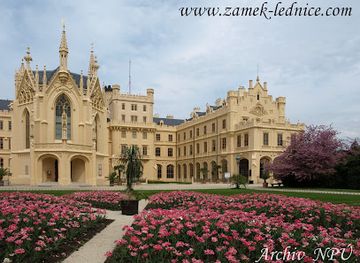
Lednice–Valtice Cultural Landscape
Discover the breathtaking Lednice–Valtice Cultural Landscape, a UNESCO World Heritage site blending stunning gardens, historic architecture, and serene waterways.
-
Manor house
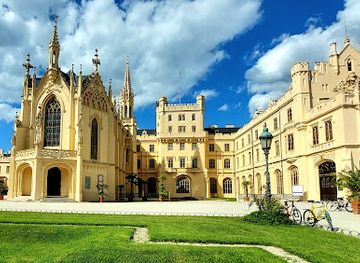
Castle Lednice
Explore the stunning Castle Lednice, a UNESCO World Heritage site, and immerse yourself in the history and beauty of South Moravia's majestic manor house.
-
Museum
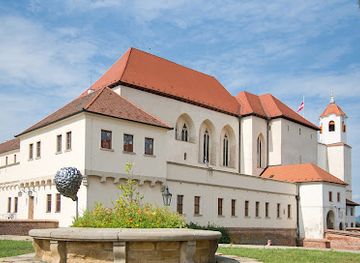
Špilberk Castle
Explore Špilberk Castle, a stunning historical fortress in Brno, offering breathtaking views, captivating museums, and a rich cultural experience.
-
Manor house
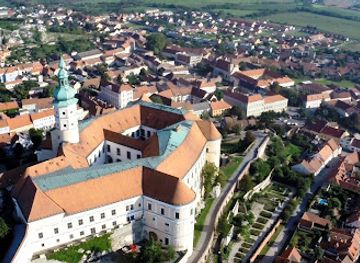
Mikulov Castle
Explore the enchanting Mikulov Castle, a historical manor house in South Moravia offering breathtaking views, rich history, and cultural experiences.
Explore Moravia on the map
Plan your trip on one map. See where the top cities, national parks and sights are, and book hotels and experiences in a few clicks.
Best hotels in Moravia
Best restaurants in Moravia
Moravian dining combines the hearty cooking of Czechia with the produce of a fertile agricultural region and the wine culture of the south. Brno and Olomouc have the broadest choice of contemporary restaurants, cafés, bakeries and international cooking, while market towns and villages are more likely to centre on pubs, family restaurants and seasonal produce. Look for roast meats, dumplings, soups, cabbage dishes, freshwater fish, fruit-filled pastries and regional cakes, alongside cheeses and preserves from local producers. South Moravia is particularly associated with vineyards, young wine in the autumn season and small cellars where tastings may accompany simple cold plates. Slivovitz and other fruit brandies are part of the region's rural drinking tradition, but are often potent and should be approached cautiously. Farmers' markets and food festivals can offer fruit, honey, garlic, baked goods and local wines, although the selection varies by season and town.
-
Czech
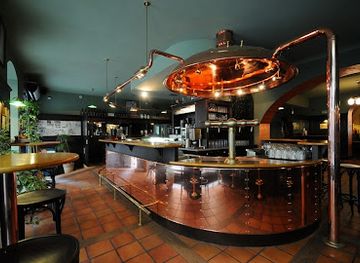
Stopkova Plzeňská Pivnice
Discover authentic Czech cuisine at Stopkova Plzeňská Pivnice in Brno - where tradition meets taste!
-
Bar
The bar that doesn't exist
Discover the hidden gem in Brno - an extraordinary bar serving delicious burgers in an unforgettable atmosphere.
-
Restaurant
Restaurant U Tlustých
Experience exquisite Czech cuisine at Restaurant U Tlustých in Lednice na Moravě – where tradition meets culinary innovation.
-
Czech
Drapal Restaurant
Experience authentic Czech cuisine and locally brewed beers at Drapal Restaurant in Olomouc – where tradition meets flavor.
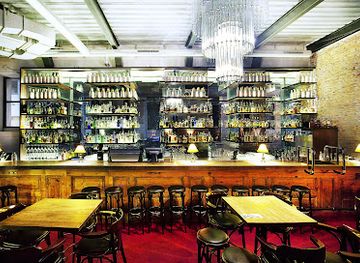
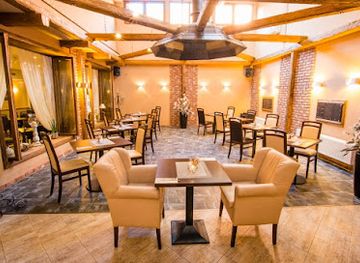
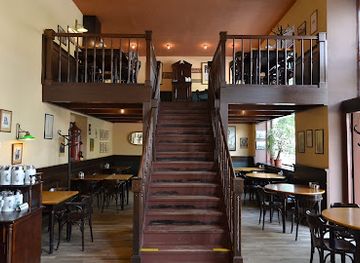
Best bars in Moravia
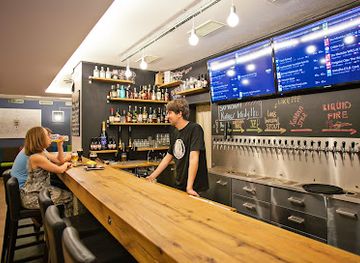
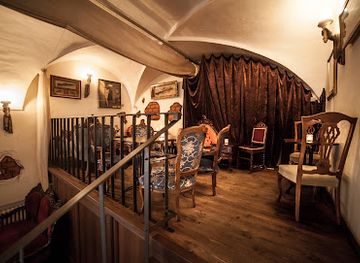
Evening life in Moravia is concentrated in Brno, with its student population, cocktail bars, craft-beer venues, wine bars, live-music rooms and theatres. Olomouc also has a sizeable university audience and a compact selection of pubs, cafés and later-opening venues, though its atmosphere is generally smaller in scale. In Zlín, Znojmo, Mikulov and other regional towns, nightlife tends to revolve around restaurants, traditional pubs, wine bars, seasonal cultural programmes and occasional live music rather than a large club circuit. Rural South Moravia is well suited to an evening in a wine cellar or village pub, particularly during local celebrations, but arrangements and opening patterns vary. Respect cellar hosts and village residents, keep noise down when leaving late and do not assume that alcohol is the only way to participate in the region's evening culture.
-
Bar
Hemingway Bar
Experience the charm of Old Town at Hemingway Bar, where exquisite cocktails and a literary atmosphere await in a cozy setting.
-
Tour operator
Drunken Monkey Pub Crawl & Boat Party
Join the ultimate nightlife adventure in Prague at Drunken Monkey Pub Crawl & Boat Party, where exhilarating pub crawls meet scenic river cruises.
-
Bar
BeerGeek Bar
Discover the essence of Prague's craft beer scene at BeerGeek Bar, where quality brews meet a cozy atmosphere for an unforgettable experience.
-
Cocktail bar
Anonymous Bar
Experience the artistry of cocktails at Anonymous Bar, a vibrant cocktail haven in Prague's Old Town, offering unique drinks and a captivating atmosphere.
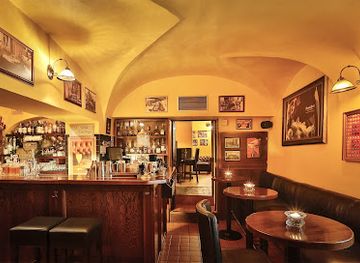

Best nightclubs in Moravia
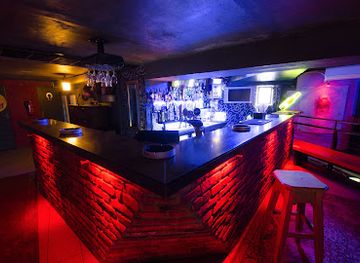
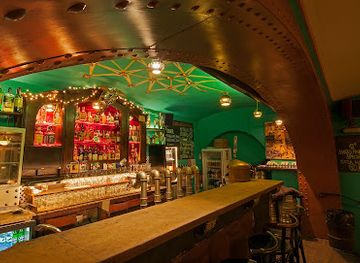
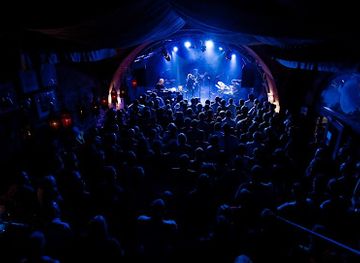
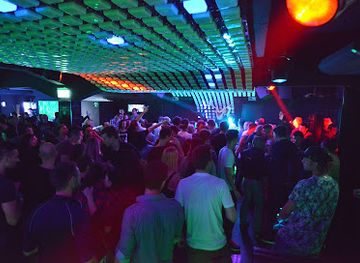
Evening life in Moravia is concentrated in Brno, with its student population, cocktail bars, craft-beer venues, wine bars, live-music rooms and theatres. Olomouc also has a sizeable university audience and a compact selection of pubs, cafés and later-opening venues, though its atmosphere is generally smaller in scale. In Zlín, Znojmo, Mikulov and other regional towns, nightlife tends to revolve around restaurants, traditional pubs, wine bars, seasonal cultural programmes and occasional live music rather than a large club circuit. Rural South Moravia is well suited to an evening in a wine cellar or village pub, particularly during local celebrations, but arrangements and opening patterns vary. Respect cellar hosts and village residents, keep noise down when leaving late and do not assume that alcohol is the only way to participate in the region's evening culture.
-
Night club
TWO FACES music club
Discover Brno's energetic nightlife at TWO FACES Music Club, where music, dance, and local culture unite for an unforgettable experience.
-
Bar
Desert
Experience the vibrant nightlife of Brno at Desert, a cozy bar offering live music and a diverse drink menu, perfect for an unforgettable evening.
-
Jazz
Jazz Tibet Club
Experience the vibrant jazz scene at Jazz Tibet Club, Olomouc's premier spot for live music, cocktails, and unforgettable nights.
-
Disco club
7th heaven
Dance the night away at 7th Heaven, Brno's vibrant disco club offering electrifying music and an unforgettable nightlife experience.
Best shops in Moravia
Shopping in Moravia is strongest in city centres and historic market towns rather than in a single region-wide retail district. Brno offers department stores, independent design shops, bookshops, galleries, food halls and contemporary craft businesses, while Olomouc combines established high-street retail with smaller shops around its historic squares. South Moravian towns are good places to buy bottled wine, grape products, fruit preserves, honey, regional spirits and locally made foods, especially through reputable cellars and farmers' markets. Mikulov, Znojmo and Kroměříž also have galleries, antiques and craft outlets, although stock and opening arrangements vary. In eastern Moravia, look for pottery, woodwork, textiles and products reflecting local craft traditions rather than generic souvenirs. Markets are often seasonal or held on particular days, so visitors should check locally instead of assuming that every town has a daily market.
-
Internet shop
GRIZLY
Explore GRIZLY in Olomouc, the ultimate internet shop offering a vast selection of products perfect for tourists and locals alike.
-
Warehouse club
MAKRO Cash & Carry Olomouc
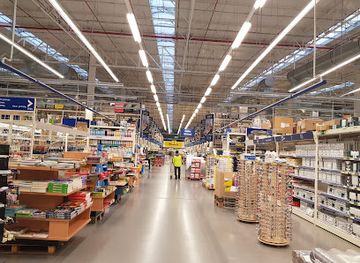
Explore MAKRO Cash & Carry Olomouc, your ultimate destination for wholesale shopping with an extensive range of products at competitive prices.
-
Department store
OD Senimo
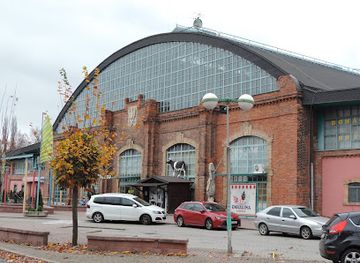
Discover the vibrant shopping experience at OD Senimo, Olomouc's premier department store featuring local farmers' market delights and unique shops.
-
Computer store
T.S.BOHEMIA a.s.
Explore T.S.BOHEMIA a.s. in Olomouc for top-notch electronics, appliances, and bicycles, all in one convenient location.

Get your free copy of our complete guide to Moravia, delivered straight to you.
Everything on this page, from attractions and restaurants to essentials and local phrases, in one PDF you can read offline, print or share.
Already have an account? Sign in
Your Moravia guide is ready.
We'll send it to · Not you? Sign out

Getting your guide ready…
We are putting together a fresh copy of the Moravia guide. This can take up to a minute.
This can take a few moments. If your browser asks, choose Allow so the download can start. You'll find the guide in your Downloads folder.
Nothing happened? Download it again
Sorry, the guide is taking longer than usual. Please try again in a minute, or get it by email instead.
Moravia essentials
Currency and Payment
Safety
Emergency Situations
Do's and Don'ts
Local Tips
From Eve
Local phrases worth knowing
You don't need to get them perfect. A few words go a long way, and locals appreciate the effort.
Basics
| English | Local | Say it |
|---|---|---|
| Hello | Ahoj | [ahoy] |
| Goodbye | Sbohem | [sbohem] |
| Yes | Ano | [ah-no] |
| No | Ne | [neh] |
| Please/You're welcome | Prosím | [pro-seem] |
| Thank you | Děkuji | [dyeh-kwee] |
| Excuse me/Sorry | Omlouvám se | [om-lou-vahm seh] |
| How are you? | Jak se máš? | [yak seh mahsh] |
| Fine. And you? | Dobře. A ty? | [dob-zheh. ah tee] |
| Do you speak English? | Mluvíš anglicky? | [mloo-veesh ang-lits-kee] |
| I don't understand | Nerozumím | [neh-roh-zoo-meem] |
Eating & Drinking
| English | Local | Say it |
|---|---|---|
| I'd like to see the menu, please | Chtěl bych vidět menu, prosím | [kht-yel beekh veed-yet meh-noo, pro-seem] |
| I don't eat meat | Nejím maso | [nay-eem mah-so] |
| Cheers! | Na zdraví! | [nah zdrah-vee] |
| I would like to pay, please | Chtěl bych zaplatit, prosím | [kht-yel beekh zah-plah-teet, pro-seem] |
Emergencies
| English | Local | Say it |
|---|---|---|
| Help! | Pomoc! | [poh-mots] |
| Go away! | Jdi pryč! | [yee preech] |
| Call the Police! | Zavolejte policii! | [zah-voh-lay-teh poh-li-tsee] |
| Call a doctor! | Zavolejte doktora! | [zah-voh-lay-teh dok-toh-rah] |
| I'm lost | Ztratil jsem se | [ztra-til ysem seh] |
| I'm ill | Jsem nemocný | [ysem neh-mots-nee] |
Shopping
| English | Local | Say it |
|---|---|---|
| I'd like to buy... | Chtěl bych koupit... | [kht-yel beekh koh-pit] |
| I'm just looking | Jen se dívám | [yen seh dee-vahm] |
| How much is it? | Kolik to stojí? | [koh-leek toh stoy-ee] |
| That's too expensive | To je moc drahé | [toh yeh mots drah-heh] |
| Can you lower the price? | Můžeš snížit cenu? | [moo-zheesh sneez-eet tseh-noo] |
Time & Numbers
| English | Local | Say it |
|---|---|---|
| What time is it? | Kolik je hodin? | [koh-leek yeh ho-din] |
| It's one o'clock | Je jedna hodina | [ye yed-na ho-dee-na] |
| Half past (10) | Půl (10) | [pool (deh-set)] |
| Morning | Ráno | [rah-no] |
| Afternoon | Odpoledne | [od-po-led-neh] |
| Evening | Večer | [veh-cher] |
| Yesterday | Včera | [v-cheh-rah] |
| Today | Dnes | [dnes] |
| Tomorrow | Zítra | [zee-trah] |
| 1 | 1 | [1] |
| 2 | 2 | [2] |
| 3 | 3 | [3] |
| 4 | 4 | [4] |
| 5 | 5 | [5] |
| 6 | 6 | [6] |
| 7 | 7 | [7] |
| 8 | 8 | [8] |
| 9 | 9 | [9] |
| 10 | 10 | [10] |
Transport & Directions
| English | Local | Say it |
|---|---|---|
| Where's a/the...? | Kde je...? | [kde yeh...?] |
| What's the address? | Jaká je adresa? | [yah-kah yeh ah-dreh-sah] |
| Can you show me (on the map)? | Můžeš mi ukázat (na mapě)? | [moo-zheesh mee oo-kah-zaht (nah mah-peh)?] |
| When's the next (bus)? | Kdy jede další (autobus)? | [kdee yeh-deh dal-shee (ow-toh-boos)?] |
| A ticket (to ....) | Jeden lístek (do ....) | [yeh-den lee-stek (doh ....)] |
History of Moravia
Great Moravia and the Early Medieval Slavs
From the ninth century, the polity known as Great Moravia formed an important centre of Slavic power in the middle Danube region. Its core territories included parts of present-day Moravia, although its influence extended beyond them. Missionaries Cyril and Methodius are associated with the Christianisation of the region and the development of Old Church Slavonic literary culture. Archaeological sites around Staré Město and Uherské Hradiště, including the area traditionally linked with the stronghold of Veligrad, reveal churches, burial grounds and elite settlements from this period. Great Moravia left a lasting historical and cultural imprint on Moravian identity.
Medieval Moravia under the Přemyslids
After the decline of Great Moravia, Moravia became a borderland realm within the lands ruled by the Přemyslid dynasty. Brno, Olomouc and Znojmo developed as major administrative and ecclesiastical centres, while royal towns, monasteries and castles extended political control across the countryside. The bishopric of Olomouc, founded in the eleventh century, became particularly influential. German-speaking settlers, Czech communities, Jewish residents and religious institutions contributed to the commercial and cultural life of medieval towns. The surviving historic cores of Moravian cities still reflect this period through churches, squares, fortifications and irregular medieval street plans.
The Margraviate of Moravia and the Luxembourg Era
Moravia was governed as a margraviate, a territory of the Bohemian Crown with its own political institutions and powerful noble families. In the fourteenth century, the Luxembourg dynasty strengthened the region's importance; Brno became a favoured residence of Moravian margraves, including John Henry of Luxembourg and his son Jobst. Trade, mining and landholding supported the growth of towns and aristocratic estates. Religious tensions increased in the late Middle Ages, especially around reformist ideas associated with Jan Hus. The period established many of the territorial, architectural and political patterns that shaped later Moravian history.
Hussite Wars and the Battle of White Mountain
Moravia was drawn into the religious and political conflicts that followed the Hussite movement in Bohemia. Towns and noble estates took differing positions, and warfare disrupted trade and settlement across parts of the land. After the Battle of White Mountain in 1620, the Habsburg monarchy reasserted Catholic and dynastic control over the Bohemian Crown's lands, including Moravia. The subsequent seventeenth-century recatholicisation reshaped religious life, encouraging the construction of baroque churches, pilgrimage sites and monasteries. Olomouc and Kroměříž, in particular, preserve substantial architectural evidence of this Catholic revival.
Habsburg Moravia and Agricultural Prosperity
Within the Habsburg monarchy, Moravia experienced administrative reform, population growth and expanding commercial agriculture. The fertile southern districts became increasingly associated with grain, fruit and vineyards, while aristocratic families transformed their estates with formal parks, ponds and avenues. The Lednice–Valtice landscape is a particularly elaborate expression of this estate culture. Jewish communities contributed significantly to trade and urban life in towns including Mikulov, Boskovice and Prostějov, although later emancipation and twentieth-century persecution profoundly altered these communities. Railways in the nineteenth century connected Moravian towns to Vienna, Prague and wider European markets.
Industrialisation and the Rise of Brno and Zlín
The nineteenth and early twentieth centuries brought textile production, engineering, food processing and other industries to Moravian towns. Brno became one of the principal industrial centres of the Habsburg lands, known especially for textiles and engineering, while Ostrava's coal and steel economy grew in the neighbouring historic land of Silesia. In Zlín, the Baťa shoe company developed an internationally influential industrial model based on standardised production, worker housing and modern civic planning. Functionalist buildings and factory-era urbanism remain central to Zlín's identity. Industrialisation transformed employment, migration, architecture and the relationship between Moravian towns and their rural hinterlands.
Moravia in Czechoslovakia and Contemporary Czechia
The creation of Czechoslovakia in 1918 integrated Moravia into a new national state, while the twentieth century brought occupation, the Holocaust, post-war population changes and socialist industrialisation. After 1989, historic preservation, university expansion, private enterprise and tourism reshaped many Moravian towns. Wine production gained renewed international visibility, historic centres were restored and former industrial sites acquired cultural uses. Today Moravia has no separate administrative status equivalent to a Czech region, but its historical name remains important in regional culture, food, architecture, dialects, religious traditions and public identity.
Moravia in Photos
Browse through our photo collection highlighting the charm and character of the destination.
Neighbouring regions of Moravia
The closest regions to Moravia, if you have time for more than one.
-

-

-

-

-


Swipe for more regions
Explore more

Explore more of Czechia
Discover Czechia: A European gem with historic towns, stunning landscapes, and cultural delights. Perfect for travelers seeking charm, history, and adventure.
Explore Czechia