

Free North Moravia Travel Guide & Mobile App
Explore North Moravia with free travel guides. Discover regional history, expert tips, proposed trips, and audio guides on web or mobile app.


Explore North Moravia in Czechia for Olomouc's baroque heritage, Ostrava's industrial culture, Jeseníky hikes and Beskid mountain villages.
Read more about North Moravia
When is the best time to visit North Moravia?
Best: June–August · 21–23°C| Month | High (°C) | Rainfall (mm) |
|---|---|---|
| January | 2 | 30 |
| February | 3 | 30 |
| March | 8 | 40 |
| April | 12 | 50 |
| May | 18 | 60 |
| June (best) | 21 | 70 |
| July (best) | 23 | 70 |
| August (best) | 23 | 70 |
| September | 18 | 60 |
| October | 12 | 50 |
| November | 6 | 40 |
| December | 3 | 30 |
Getting to and around North Moravia
How to get there
Transportation
Top city travel guides in North Moravia
The cities of North Moravia, and the easiest places to base yourself.
-

-
-


Swipe for more cities
Destinations in North Moravia
Resorts, valleys and scenic spots worth a trip of their own.
-

-

-

-

-


Swipe for more destinations
Best attractions in North Moravia
North Moravia's attractions range from Olomouc's ecclesiastical and civic heritage to the industrial museums and cultural spaces of Ostrava. In Olomouc, visitors can explore the historic centre, churches, university surroundings and monumental fountains, while nearby Loštice provides a focus for the region's famous ripened cheese. The Jeseníky offer forest walks, mountain viewpoints, spa towns and winter sports, with routes around Praděd and the highland valleys appealing to experienced walkers. East of Ostrava, the Beskids provide ridge hikes, cycling, ski areas and traditional foothill settlements. Historic towns such as Štramberk, Nový Jičín, Opava and Krnov add castles, town squares, museums and preserved architecture. Dolní Vítkovice explains the area's coal and ironmaking history through its blast furnaces, gas holders and industrial structures, while Hukvaldy combines castle ruins, woodland and associations with Leoš Janáček. Attractions are widely dispersed, so the region is best approached through several bases rather than as a series of short day trips from one city.
-
Botanical garden
Lednice–Valtice Cultural Landscape
Discover the breathtaking blend of nature and history at the Lednice–Valtice Cultural Landscape, a UNESCO World Heritage site in the Czech Republic.
-
Manor house
Castle Lednice
Discover the enchanting Castle Lednice, a neo-Gothic marvel surrounded by breathtaking gardens and rich history in the heart of the Czech Republic.
-
Manor house
Mikulov Castle
Discover the enchanting Mikulov Castle, a historic manor house and museum offering breathtaking views and rich cultural experiences in the heart of Moravia.
-
National park
Pálava Protected Landscape Area
Explore the stunning Pálava Protected Landscape Area, where breathtaking views, rich biodiversity, and cultural heritage await in the heart of Czech nature.


Best landmarks in North Moravia
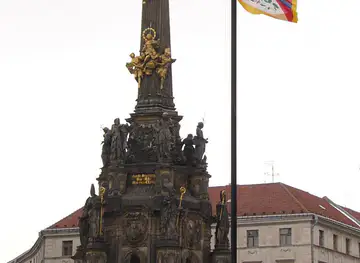
Olomouc's Holy Trinity Column is North Moravia's most recognisable Baroque monument, rising from the Upper Square as a richly decorated expression of Catholic devotion and civic identity. The city's astronomical clock, town hall, fountains and churches form a coherent historic centre shaped by medieval foundations and later reconstruction. Ostrava's visual identity is instead defined by the industrial skyline of Dolní Vítkovice, where blast furnaces, gas holders and associated structures record the scale of coal-based iron production. In the Beskid foothills, Štramberk's Trúba tower crowns the historic town and remains a prominent landmark above its timbered houses. Hukvaldy Castle occupies a wooded ridge near Janáček's birthplace, while the Jeseníky are marked by the high summit of Praděd and its distinctive communications tower. The Silesian townscapes of Opava and Krnov add churches, squares and civic buildings that reflect centuries of borderland history.
-
Botanical garden
Lednice–Valtice Cultural Landscape
Explore the breathtaking beauty and rich history of the Lednice-Valtice Cultural Landscape, a UNESCO World Heritage gem in the heart of the Czech Republic.
-
Manor house
Castle Lednice
Explore the stunning architecture and lush landscapes of Castle Lednice, a captivating manor house in the heart of Moravia, Czech Republic.
-
Museum
Špilberk Castle
Discover the historical grandeur of Špilberk Castle in Brno, a captivating fortress offering stunning views and rich cultural experiences.
-
Manor house
Mikulov Castle
Explore the historical splendor of Mikulov Castle, a stunning landmark filled with rich culture and breathtaking views in the heart of the Czech Republic.


Explore North Moravia on the map
Plan your trip on one map. See where the top cities, national parks and sights are, and book hotels and experiences in a few clicks.
Best hotels in North Moravia
Best restaurants in North Moravia
Dining in North Moravia reflects the meeting of Haná agriculture, Moravian and Silesian traditions, mountain produce and the industrial towns' practical culinary culture. Olomoucké tvarůžky, a pungent soft ripened cheese associated particularly with Loštice, appear in specialist shops, traditional menus and modern interpretations. Across the region, expect Czech staples such as soups, dumplings, roast meats and pastries, alongside seasonal mushrooms, game and locally produced vegetables in upland districts. Olomouc and Ostrava have the broadest choice of contemporary restaurants, cafés, bakeries and international food, while smaller towns tend towards traditional restaurants, pubs and family-run establishments. Mountain areas often offer substantial meals suited to walkers and skiers, and breweries provide a strong accompaniment to regional cooking. Farmers' markets and food shops are useful for cheeses, smoked products, preserves, honey and baked goods, though market schedules vary by town and season.
-
Czech
Lokál Dlouhááá
Discover Lokál Dlouhááá: A Culinary Journey Through Authentic Czech Flavors in Prague's Historic Old Town.
-
Czech
Café Imperial
Experience the elegance of Czech dining at Café Imperial – where tradition meets modern culinary artistry in the heart of Prague.
-
Restaurant
Restaurace Masné krámy
Experience authentic Czech and European cuisine at Restaurace Masné krámy in the heart of České Budějovice.
-
Restaurant
Restaurant U Tlustých
Experience exquisite Czech cuisine at Restaurant U Tlustých in Lednice na Moravě - where tradition meets contemporary flair.


Best bars in North Moravia
Evening life is most varied in Ostrava and Olomouc. Ostrava combines traditional pubs and beer halls with cocktail bars, live-music spaces, theatres and cultural venues, particularly around the central districts and former industrial sites; its university population supports a more active late-night scene than most regional towns. Olomouc has a compact concentration of pubs, cafés, wine bars and student-oriented venues around the historic centre, with concerts and theatre adding alternatives to clubbing. Opava and other larger towns offer local pubs, restaurants and occasional live music rather than a continuous nightlife circuit. In the Jeseníky and Beskids, evenings generally centre on hotel restaurants, mountain lodges, breweries and traditional pubs, with activity increasing during ski and holiday periods. Smaller villages may close early, so visitors staying in rural areas should plan dinner and transport in advance.
-
Czech
U Fleků
Discover the heart of Czech brewing at U Fleků, a historic brewery and restaurant in Prague offering authentic cuisine and delightful beers.
-
Bar
Hemingway Bar
Experience the elegance of Hemingway Bar in Prague's Old Town, where expertly crafted cocktails and a cozy ambiance await.
-
Tour operator
Drunken Monkey Pub Crawl & Boat Party
Dive into the heart of Prague's nightlife with Drunken Monkey Pub Crawl & Boat Party, where unforgettable memories await you along the Vltava River!
-
Restaurant
Pivovarský klub Benedict
Experience authentic Czech cuisine and exceptional locally brewed beers at Pivovarský klub Benedict in Karlín, Prague.


Best nightclubs in North Moravia
Evening life is most varied in Ostrava and Olomouc. Ostrava combines traditional pubs and beer halls with cocktail bars, live-music spaces, theatres and cultural venues, particularly around the central districts and former industrial sites; its university population supports a more active late-night scene than most regional towns. Olomouc has a compact concentration of pubs, cafés, wine bars and student-oriented venues around the historic centre, with concerts and theatre adding alternatives to clubbing. Opava and other larger towns offer local pubs, restaurants and occasional live music rather than a continuous nightlife circuit. In the Jeseníky and Beskids, evenings generally centre on hotel restaurants, mountain lodges, breweries and traditional pubs, with activity increasing during ski and holiday periods. Smaller villages may close early, so visitors staying in rural areas should plan dinner and transport in advance.
-
Night club
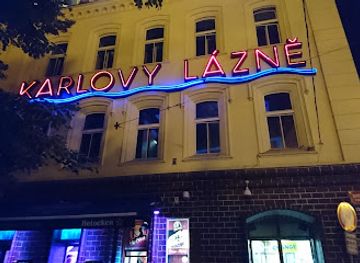
Karlovy Lazne - Nightclub
Dive into the vibrant nightlife of Prague at Karlovy Lazne, a historic nightclub with multiple dance floors and an electrifying atmosphere.
-
Night club
One Club
Discover the electrifying nightlife at One Club in Prague, where music, dancing, and an unforgettable atmosphere collide.
-
Night club
TWO FACES music club
Experience the electrifying nightlife of Brno at TWO FACES Music Club, where music and art collide in a vibrant atmosphere.
-
Bar
Le Valmont Club & Lounge
Discover the vibrant nightlife of Old Town at Le Valmont Club & Lounge, where exquisite cocktails and a lively atmosphere await.


Best shops in North Moravia
Shopping in North Moravia is strongest in the historic centres and market towns rather than in a single regional retail district. Olomouc offers pedestrian streets, independent bookshops, cafés, galleries and everyday retail around its central squares, while Ostrava combines shopping centres with smaller independent businesses and design-oriented outlets in the inner city. Nový Jičín, Štramberk, Opava and other historic towns are useful for browsing local crafts, regional food shops, antiques and small galleries. Good edible souvenirs include Olomoucké tvarůžky, honey, preserves, beer, herbal products and traditional pastries; specialist shops can advise on transport and storage. In mountain areas, look for woollen goods, woodwork and locally made products, but selection is usually seasonal and modest. Farmers' markets vary by town and date, so confirm arrangements locally rather than assuming a market operates every day.
-
Shopping mall
Forum Nová Karolina
Explore Forum Nová Karolina, Moravská Ostrava's ultimate shopping destination with diverse stores, dining options, and entertainment for all ages.
-
Nature preserve
Moravian Karst
Discover the breathtaking beauty of Moravian Karst, where nature's splendor meets adventurous exploration in the heart of the Czech Republic.
-
Home improvement store
BAUHAUS
Experience the best in home improvement and DIY solutions at BAUHAUS in Brno, a paradise for home enthusiasts and garden lovers.
-
Hypermarket
Hypermarket Brno Dornych
Explore the vibrant Hypermarket Brno Dornych, where shopping meets local culture in the heart of Brno.


Get your free copy of our complete guide to North Moravia, delivered straight to you.
Everything on this page, from attractions and restaurants to essentials and local phrases, in one PDF you can read offline, print or share.
Already have an account? Sign in
Your North Moravia guide is ready.
We'll send it to · Not you? Sign out

Getting your guide ready…
We are putting together a fresh copy of the North Moravia guide. This can take up to a minute.
This can take a few moments. If your browser asks, choose Allow so the download can start. You'll find the guide in your Downloads folder.
Nothing happened? Download it again
Sorry, the guide is taking longer than usual. Please try again in a minute, or get it by email instead.
North Moravia essentials
Currency and Payment
Safety
Emergency Situations
Do's and Don'ts
Local Tips
From Eve
Local phrases worth knowing
You don't need to get them perfect. A few words go a long way, and locals appreciate the effort.
Basics
| English | Local | Say it |
|---|---|---|
| Hello | Ahoj | [ahoy] |
| Goodbye | Sbohem | [sbohem] |
| Yes | Ano | [ah-no] |
| No | Ne | [neh] |
| Please/You're welcome | Prosím | [pro-seem] |
| Thank you | Děkuji | [dyeh-koo-yee] |
| Excuse me/Sorry | Omlouvám se | [om-loh-vahm se] |
| How are you? | Jak se máš? | [yack seh mahsh] |
| Fine. And you? | Dobře. A ty? | [dob-rzheh. ah tee] |
| Do you speak English? | Mluvíš anglicky? | [mloo-veesh ahn-glits-kee] |
| I don't understand | Nerozumím | [neh-roh-zoo-meem] |
Eating & Drinking
| English | Local | Say it |
|---|---|---|
| I'd like to see the menu, please | Chtěl bych vidět jídelní lístek, prosím | [khtyel beek veed-yeht yee-del-nee leestek, pro-seem] |
| I don't eat meat | Nejím maso | [ney-eem mah-so] |
| Cheers! | Na zdraví! | [nah zdrah-vee] |
| I would like to pay, please | Chtěl bych zaplatit, prosím | [khtyel beek zah-plah-teet, pro-seem] |
Emergencies
| English | Local | Say it |
|---|---|---|
| Help! | Pomoc! | [poh-mots] |
| Go away! | Jdi pryč! | [yee preech] |
| Call the Police! | Zavolejte policii! | [zah-voh-ley-teh poh-lee-tsi-ee] |
| Call a doctor! | Zavolejte doktora! | [zah-voh-ley-teh dok-toh-rah] |
| I'm lost | Ztratil jsem se | [ztrah-teel ysem seh] |
| I'm ill | Jsem nemocný | [ysem neh-mots-nee] |
Shopping
| English | Local | Say it |
|---|---|---|
| I'd like to buy... | Chtěl bych koupit... | [khtyel beek koh-pit] |
| I'm just looking | Jen se dívám | [yen seh dee-vahm] |
| How much is it? | Kolik to stojí? | [koh-lik toh stoh-yee] |
| That's too expensive | To je příliš drahé | [toh yeh pree-leesh drah-heh] |
| Can you lower the price? | Můžeš snížit cenu? | [moo-zesh snee-zheet tsenu] |
Time & Numbers
| English | Local | Say it |
|---|---|---|
| What time is it? | Kolik je hodin? | [koh-lik yeh hoh-deen] |
| It's one o'clock | Je jedna hodina | [yeh yed-nah hoh-dee-nah] |
| Half past (10) | Půl (11) | [pool] |
| Morning | Ráno | [rah-no] |
| Afternoon | Odpoledne | [od-po-leh-dneh] |
| Evening | Večer | [veh-cher] |
| Yesterday | Včera | [v-cheh-rah] |
| Today | Dnes | [dnes] |
| Tomorrow | Zítra | [zee-trah] |
| 1 | 1 | [1] |
| 2 | 2 | [2] |
| 3 | 3 | [3] |
| 4 | 4 | [4] |
| 5 | 5 | [5] |
| 6 | 6 | [6] |
| 7 | 7 | [7] |
| 8 | 8 | [8] |
| 9 | 9 | [9] |
| 10 | 10 | [10] |
Transport & Directions
| English | Local | Say it |
|---|---|---|
| Where's a/the...? | Kde je...? | [kdeh yeh] |
| What's the address? | Jaká je adresa? | [yakah yeh ah-dreh-sah] |
| Can you show me (on the map)? | Můžeš mi ukázat (na mapě)? | [moo-zesh mee oo-kah-zat nah mah-peh] |
| When's the next (bus)? | Kdy jede další (autobus)? | [kdee yeh-deh dal-shee au-to-boos] |
| A ticket (to ....) | Jeden lístek (do ....) | [yeh-den leestek doh] |
History of North Moravia
Early Settlement and Great Moravia
The fertile valleys and river basins of northern Moravia supported settlement long before the medieval period. Archaeological evidence from the wider region records prehistoric farming communities, fortified hill sites and later Slavic occupation. In the ninth century, parts of Moravia belonged to the sphere of Great Moravia, a major early medieval polity whose religious and political influence extended across much of Central Europe. The region's position between the Moravian lowlands, Silesia and routes towards Poland later made it a zone of contact rather than an isolated frontier.
Medieval Towns, Castles and Church Power
From the twelfth century onwards, rulers, nobles and religious institutions consolidated control through castles, monasteries and planned towns. Olomouc became one of Moravia's principal political and ecclesiastical centres, while settlements including Opava, Krnov, Šumperk and Nový Jičín developed through trade, crafts and regional administration. The Přemyslid and later Luxembourg periods strengthened links between Moravia, Silesia and the Bohemian Crown. Surviving street plans, churches, fortifications and castle sites still show how medieval authority was organised across the region.
The Silesian Lands and the Bohemian Crown
Northern Moravia bordered the historically distinct duchies of Silesia, many of which came under the Bohemian Crown during the medieval era. Opava and Krnov became important centres within this Silesian political landscape, while the area experienced shifting dynastic control and competition among local aristocratic families. The boundary between Moravia and Silesia was never simply a cultural wall: trade, marriage, language and administration connected communities on both sides. This layered inheritance remains visible in architecture, place names and the regional identities of eastern Czechia.
The Thirty Years' War and Baroque Reconstruction
The seventeenth century brought severe disruption through the Thirty Years' War, military occupation, economic decline and religious conflict. After the war, Catholic institutions and aristocratic landowners reshaped many towns and estates through Baroque rebuilding. Olomouc's churches, fountains and monumental Holy Trinity Column belong to this period of reconstruction, as do country houses, pilgrimage sites and redesigned urban spaces elsewhere in the region. The Baroque landscape was not merely decorative: it expressed the renewed authority of the Habsburg state and the Catholic Church.
Industrialisation, Railways and Coal
From the nineteenth century, industrialisation transformed the Ostrava and Karviná area, where coal deposits supported ironworks, engineering and expanding railway connections. Ostrava grew from a regional town into one of the Habsburg monarchy's major industrial centres, attracting workers and reshaping its social structure. Coal and metallurgy also influenced nearby settlements and transport routes, while textile production, glassmaking and engineering developed in other parts of North Moravia. The surviving blast furnaces, mines and workers' districts form a distinctive industrial heritage that now sits alongside new cultural uses.
War, Border Change and the Twentieth Century
North Moravia and Czech Silesia experienced the upheavals of both world wars, including military mobilisation, occupation and changing national politics. The industrial districts were strategically important during the Second World War, while borderland communities suffered displacement and demographic change after 1945. Under state socialism, Ostrava remained a major centre of coal and heavy industry, and new housing estates expanded around established towns. The political and economic transformation after 1989 brought mine closures, industrial restructuring and a search for new cultural, educational and environmental uses for former industrial land.
Industrial Renewal and Regional Culture
Since the late twentieth century, North Moravia has combined industrial decline with substantial cultural and economic renewal. Former mining and metallurgical sites have been conserved, interpreted and adapted for museums, festivals, education and public events, most visibly at Dolní Vítkovice in Ostrava. Universities, theatres and music institutions have strengthened urban cultural life, while spa towns, mountain tourism and heritage conservation contribute to wider regional development. The legacy of figures such as composer Leoš Janáček, together with local food, craft and outdoor traditions, gives the region a contemporary identity rooted in both Moravian and Silesian experience.
North Moravia in Photos
Browse through our photo collection highlighting the charm and character of the destination.
Neighbouring regions of North Moravia
The closest regions to North Moravia, if you have time for more than one.
-

-

-

-
-


Swipe for more regions
Explore more

Explore more of Czechia
Discover Czechia: A European gem with historic towns, stunning landscapes, and cultural delights. Perfect for travelers seeking charm, history, and adventure.
Explore Czechia