

Máchovo jezero Travel Guide - Free Web & App
Your ultimate guide to Máchovo jezero. Discover top landmarks, proposed trips, and local tips. Free on the web or via the Evendo companion app.


Discover Máchovo jezero: A tranquil lake retreat in Czechia, offering stunning natural beauty, outdoor adventures, and rich cultural experiences year-round.
Read more about Máchovo jezero
When is the best time to visit Máchovo jezero?
Best: June–August · 19–21°C| Month | High (°C) | Rainfall (mm) |
|---|---|---|
| January | 1 | 21 |
| February | 1 | 19 |
| March | 4 | 22 |
| April | 9 | 16 |
| May | 16 | 20 |
| June (best) | 19 | 18 |
| July (best) | 21 | 15 |
| August (best) | 20 | 15 |
| September | 17 | 18 |
| October | 12 | 23 |
| November | 7 | 24 |
| December | 2 | 22 |
Getting to and around Máchovo jezero
How to get there
Transportation
Best attractions in Máchovo jezero
Máchovo jezero in Czechia offers visitors a unique blend of natural beauty and historical significance. The stunning lake, surrounded by lush forests and picturesque hills, provides a relaxing escape for outdoor enthusiasts and nature lovers. History buffs will be fascinated by the remnants of the medieval castle perched on a nearby hill, offering a glimpse into the area's rich past. Visitors can also explore charming villages, indulge in local cuisine, and partake in various water sports and hiking activities, making Máchovo jezero a must-visit destination for anyone seeking a memorable and enriching travel experience.
-
Tourist attraction
Zoopark Doksy
Explore Zoopark Doksy, a captivating zoo in the Czech Republic, offering a unique blend of wildlife encounters and educational experiences in a serene environment.
-
Lake
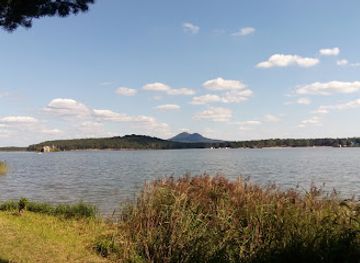
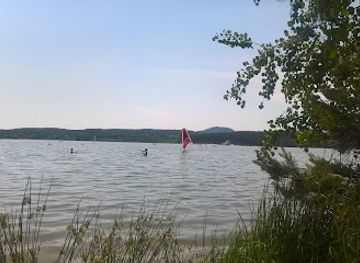
Lake Mácha
Experience the beauty of Lake Máchá, a serene retreat in the Czech Republic, perfect for relaxation, adventure, and family fun.
-
Tourist attraction
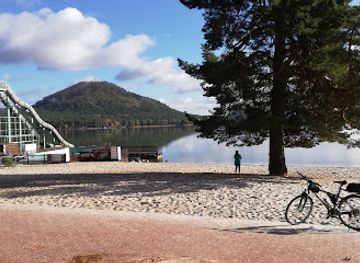
AQUAPARK Stare Splavy
Dive into a world of fun and relaxation at AQUAPARK Stare Splavy, where thrilling slides meet serene pools in a stunning natural setting.
-
Tourist attraction
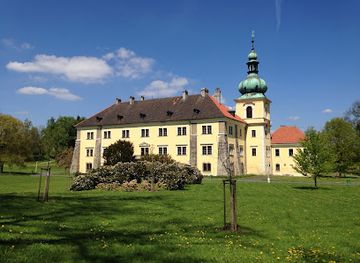
Chateau Doksy
Experience the charm of Chateau Doksy, a historical manor surrounded by picturesque landscapes and rich cultural heritage in the heart of the Czech Republic.
Best landmarks in Máchovo jezero
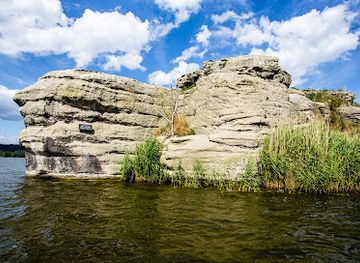
Máchovo jezero offers visitors a stunning natural landscape with its crystal-clear lake, surrounded by lush forests and impressive rock formations. The iconic ruins of Bezděz Castle overlook the area, providing a glimpse into the region's rich history. Visitors can explore the charming villages nearby, sample local cuisine, and engage in outdoor activities such as hiking, cycling, and water sports. The area also boasts a variety of cultural events and festivals throughout the year, making it a vibrant destination for travelers seeking a mix of relaxation and adventure.
-
Zoo
Zoopark Doksy
Explore Zoopark Doksy, a captivating zoo in the Czech Republic offering diverse wildlife, educational exhibits, and beautiful natural surroundings.
-
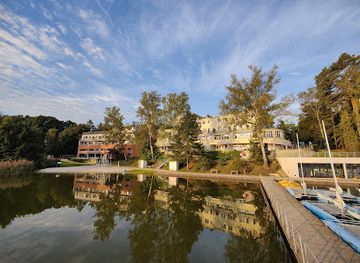
Hotel
Hotel Port
Discover comfort and charm at Hotel Port in Doksy, perfect for relaxation, adventure, and business activities amidst stunning natural beauty.
-
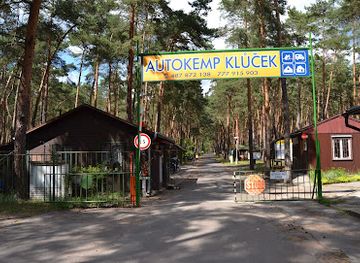
Campground
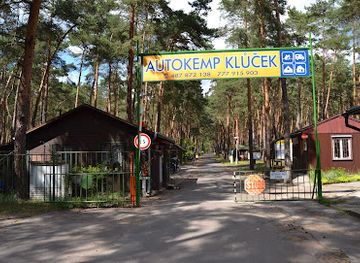
Autokemp Klůček
Experience the serene beauty of nature at Autokemp Klůček, a family-friendly campground by Lake Mácha, perfect for relaxation and outdoor adventures.
-
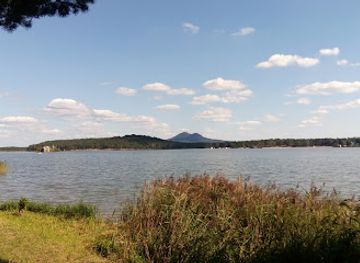
Lake
Lake Mácha
Experience the breathtaking beauty and recreational delights of Lake Máchá, a must-visit destination in Czechia for nature lovers and adventure seekers.
Explore Máchovo jezero on the map
Plan your trip on one map. See where the top attractions, landmarks, restaurants and hotels are, and book hotels and experiences in a few clicks.
Best hotels in Máchovo jezero
Best restaurants in Máchovo jezero
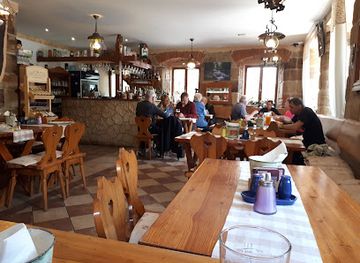
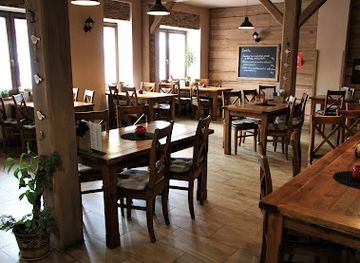
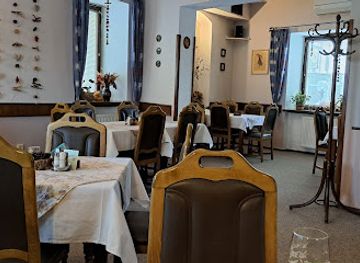
The dining scene at Máchovo jezero offers a delightful mix of traditional Czech cuisine and international flavors, catering to all tastes and preferences. Visitors can enjoy a cozy meal at charming local restaurants overlooking the serene lake, indulging in hearty dishes like goulash and schnitzel paired with local beers. For those seeking a more upscale experience, there are elegant dining options serving gourmet dishes prepared with fresh, local ingredients. Additionally, food trucks and casual eateries offer quick and delicious meals for those on the go. Overall, the dining scene at Máchovo jezero is diverse, vibrant, and sure to satisfy every palate.
-
Restaurant
Restaurace Sklípek
Experience authentic Czech cuisine at Restaurace Sklípek in Doksy-Staré Splavy - where tradition meets flavor in a cozy setting.
-
Hotel
Hotel Port
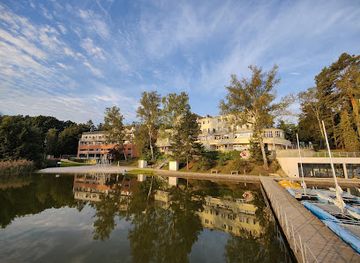
Discover comfort at Hotel Port in Doksy – your gateway to stunning landscapes and delightful dining experiences.
-
Restaurant
Restaurace Kočí
Experience authentic Czech cuisine at Restaurace Kočí in Doksy—where every dish tells a story.
-
Restaurant
Restaurant U Doušů
Discover the flavors of traditional Czech cuisine at Restaurant U Doušů in Doksy - where every dish tells a story.
Best bars in Máchovo jezero
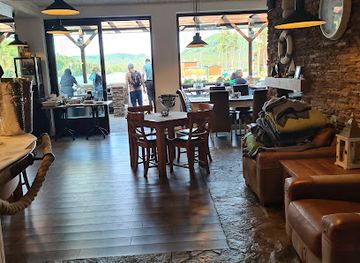
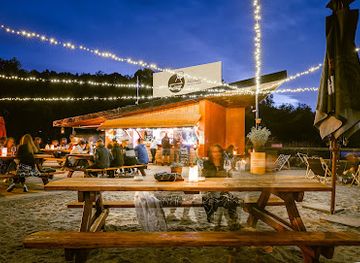
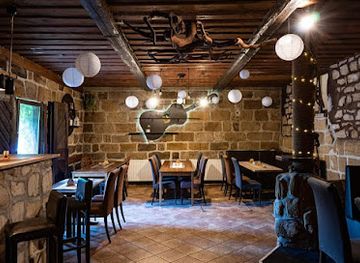
The nightlife scene of Máchovo jezero offers a unique blend of traditional Czech taverns and modern cocktail bars, providing visitors with a diverse range of options to enjoy after dark. From lively pubs where locals gather to share stories over a pint of beer, to trendy nightclubs where you can dance the night away to the latest beats, there is something for everyone. Whether you prefer a laid-back evening sipping on local spirits or a more energetic night out on the town, Máchovo jezero has a vibrant nightlife scene waiting to be explored.
-
Restaurant
Turnovská pivnice Nad Jezerem
Discover the delightful Turnovská pivnice Nad Jezerem, where traditional Czech cuisine meets craft brewing in a beautiful lakeside setting.
-
Bar
Molo 23
Experience the enchanting flavors of Molo 23, a lakeside bar and bistro offering delicious food and stunning views in Doksy.
-
Bar
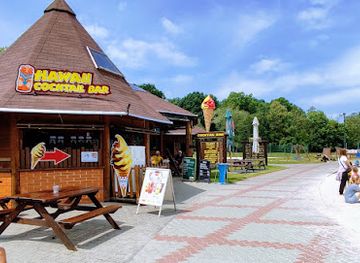
Hawaii Bar
Discover Hawaii Bar in Doksy, where great drinks and a tropical vibe create unforgettable moments for every visitor.
-
Bar
ZANZIBAR
Experience the vibrant nightlife of Doksy at Zanzibar, a bar offering signature cocktails and a welcoming atmosphere for unforgettable evenings.
Best nightclubs in Máchovo jezero
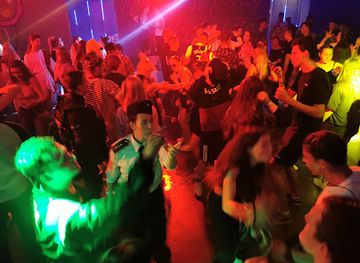
The nightlife scene of Máchovo jezero offers a unique blend of traditional Czech taverns and modern cocktail bars, providing visitors with a diverse range of options to enjoy after dark. From lively pubs where locals gather to share stories over a pint of beer, to trendy nightclubs where you can dance the night away to the latest beats, there is something for everyone. Whether you prefer a laid-back evening sipping on local spirits or a more energetic night out on the town, Máchovo jezero has a vibrant nightlife scene waiting to be explored.
-
Disco club
Disco Bílý kámen
Discover the energetic nightlife of Disco Bílý kámen in Doksy, a premier disco club and holiday park destination for unforgettable experiences.
-
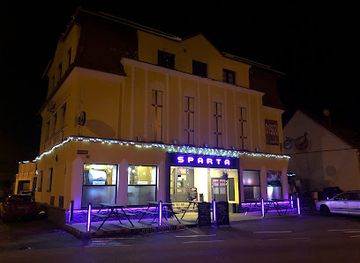
Beer hall
Sparta Doksy
Discover the vibrant nightlife and local flavors at Sparta Doksy, a must-visit beer hall and disco club in the heart of Doksy.
-
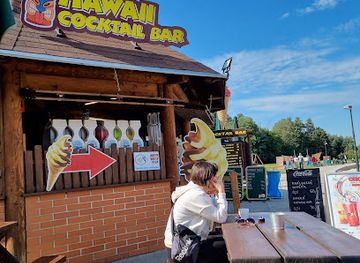
Bar
Hawaii Bar
Enjoy a tropical escape at Hawaii Bar in Doksy, where refreshing cocktails and vibrant ambiance meet Hawaiian hospitality.
-
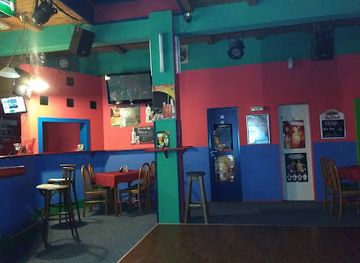
Bar
Exit 25 klub
Experience the vibrant nightlife of Doksy at Exit 25 Klub, a lively bar with a diverse drink selection and a fun atmosphere.
Best shops in Máchovo jezero
Visitors to Máchovo jezero can look forward to a charming shopping scene that offers a mix of traditional Czech handicrafts, locally-made products, and unique souvenirs. From quaint boutiques selling handmade ceramics and glassware to bustling market stalls filled with fresh produce and regional delicacies, there is something for every shopper to discover. Don't miss the opportunity to pick up a one-of-a-kind memento to remember your visit to this picturesque destination.
-
Supermarket
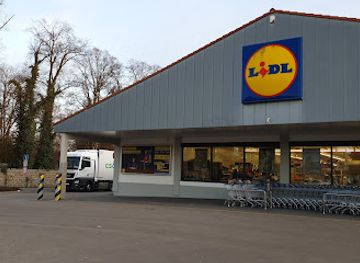
Lidl
Explore Lidl in Doksy for unbeatable prices on quality groceries and local products, enhancing your travel experience in the Czech Republic.
-
Zoo
Zoopark Doksy
Explore Zoopark Doksy, a beautiful zoo in the Czech Republic filled with diverse wildlife, interactive exhibits, and family-friendly activities.
-
Campground
Autokemp Klůček
Experience the beauty and tranquility of Autokemp Klůček, a premier campground near Lake Mácha, perfect for nature lovers and outdoor enthusiasts.
-
Water park
AQUAPARK Stare Splavy
Experience the ultimate fun at AQUAPARK Stare Splavy, a water park paradise brimming with thrilling slides, relaxing pools, and endless family-friendly attractions.
Get your free copy of our complete guide to Máchovo jezero, delivered straight to you.
Everything on this page, from attractions and restaurants to essentials and local phrases, in one PDF you can read offline, print or share.
Already have an account? Sign in
Your Máchovo jezero guide is ready.
We'll send it to · Not you? Sign out

Getting your guide ready…
We are putting together a fresh copy of the Máchovo jezero guide. This can take up to a minute.
This can take a few moments. If your browser asks, choose Allow so the download can start. You'll find the guide in your Downloads folder.
Nothing happened? Download it again
Sorry, the guide is taking longer than usual. Please try again in a minute, or get it by email instead.
Máchovo jezero essentials
Currency and Payment
Safety
Emergency Situations
Do's and Don'ts
Local Tips
From Eve
Local phrases worth knowing
You don't need to get them perfect. A few words go a long way, and locals appreciate the effort.
Basics
| English | Local | Say it |
|---|---|---|
| Hello | Ahoj | [ahoy] |
| Goodbye | Na shledanou | [na shledanou] |
| Yes | Ano | [ano] |
| No | Ne | [ne] |
| Please/You're welcome | Prosím | [pro-seem] |
| Thank you | Děkuji | [dyeh-koo-yi] |
| Excuse me/Sorry | Promiňte | [pro-meen-tye] |
| How are you? | Jak se máš? | [yak se maash] |
| Fine. And you? | Dobře. A ty? | [do-bzhe. ah tee] |
| Do you speak English? | Mluvíš anglicky? | [mloo-veesh ang-leets-kee] |
| I don't understand | Nerozumím | [neh-ro-zoo-meem] |
Eating & Drinking
| English | Local | Say it |
|---|---|---|
| I'd like to see the menu, please | Rád bych viděl menu, prosím | [raad bikh vee-dyel meh-noo, pro-seem] |
| I don't eat meat | Nemám maso | [ne-maam ma-so] |
| Cheers! | Na zdraví! | [na zdra-vee] |
| I would like to pay, please | Chtěl bych zaplatit, prosím | [khtyel bikh zap-la-teet, pro-seem] |
Emergencies
| English | Local | Say it |
|---|---|---|
| Help! | Pomoc! | [po-moats] |
| Go away! | Jdi pryč! | [ydee preetch] |
| Call the Police! | Zavolej policii! | [za-vo-ley po-lee-tsee] |
| Call a doctor! | Zavolej doktora! | [za-vo-ley dohk-toh-ra] |
| I'm lost | Ztratil jsem se | [ztra-teel ysem se] |
| I'm ill | Jsem nemocný | [ysem ne-mots-nee] |
Shopping
| English | Local | Say it |
|---|---|---|
| I'd like to buy... | Chtěl bych koupit... | [khtyel bikh koh-pee-t] |
| I'm just looking | Jen se dívám | [yen se dee-vam] |
| How much is it? | Kolik to stojí? | [ko-leek toh sto-yee] |
| That's too expensive | To je příliš drahé | [toh ye pree-leesh draa-he] |
| Can you lower the price? | Můžete snížit cenu? | [moo-zhe-teh snee-zheet tseh-noo] |
Time & Numbers
| English | Local | Say it |
|---|---|---|
| What time is it? | Kolik je hodin? | [ko-leek yeh ho-deen] |
| It's one o'clock | Je jedna hodina | [yeh yed-na ho-dee-na] |
| Half past (10) | Půl jedenácté | [pool yed-neh-ak-tee] |
| Morning | Ráno | [raa-noh] |
| Afternoon | Odpoledne | [od-po-led-ne] |
| Evening | Večer | [ve-chehr] |
| Yesterday | Včera | [v-che-ra] |
| Today | Dnes | [dnes] |
| Tomorrow | Zítra | [zee-tra] |
| 1 | Jedna | [yed-na] |
| 2 | Dva | [dva] |
| 3 | Tři | [tree] |
| 4 | Čtyři | [cty-rzhee] |
| 5 | Pět | [pyet] |
| 6 | Šest | [shest] |
| 7 | Sedm | [sedm] |
| 8 | Osm | [osm] |
| 9 | Devět | [de-vyet] |
| 10 | Deset | [de-set] |
Transport & Directions
| English | Local | Say it |
|---|---|---|
| Where's a/the...? | Kde je... | [kde ye] |
| What's the address? | Jaká je adresa? | [ya-ka ye ah-dre-sa] |
| Can you show me (on the map)? | Můžete mi to ukázat (na mapě)? | [moo-zhe-teh mee toh u-ka-zat (na ma-peh)] |
| When's the next (bus)? | Kdy jede další (autobus)? | [kdy ye-de daal-shee (au-to-boos)] |
| A ticket (to ....) | Jedno jízdenka (do ....) | [yed-no ye-zden-ka (do)] |
History of Máchovo jezero
Formation and Early History
Máchovo jezero, also known as Mácha's Lake, was artificially created in the 14th century by Charles IV, the Holy Roman Emperor and King of Bohemia. The lake was initially formed as part of an extensive fishpond system intended to support local agriculture and provide a reliable food source. The region around the lake was sparsely populated, and the creation of the lake significantly boosted the local economy.
Literary Significance: Karel Hynek Mácha
In the 19th century, the lake gained cultural significance through the works of Karel Hynek Mácha, a Czech romantic poet after whom the lake is now named. Mácha was deeply inspired by the natural beauty of the area and often visited the lake. His most famous work, 'Máj' (May), captures the essence of the region's picturesque landscapes and romanticizes its serene atmosphere. The lake has since become a pilgrimage site for literature enthusiasts and romantics.
World War II and the Nazi Occupation
During World War II, the region around Máchovo jezero fell under Nazi occupation. The lake and its surroundings were used for various military purposes, including training and recreation for German soldiers. The presence of the military disrupted the local community, and several historical structures around the lake were repurposed or damaged during this period. The aftermath of the war saw efforts to restore the area to its former cultural and natural state.
Post-War Recreational Development
In the post-war years, Máchovo jezero became a popular recreational destination. The Czechoslovakian government invested in developing the lake's infrastructure to promote tourism. Campsites, hotels, and recreational facilities were built to accommodate the growing number of visitors. The lake became a favored spot for water sports, hiking, and family vacations, contributing to the region's economic resurgence.
Modern-Day Conservation Efforts
In recent years, there has been a strong focus on conserving the natural environment around Máchovo jezero. Efforts have been made to protect the local flora and fauna, and to maintain the lake's water quality. The area is now a protected landscape area, ensuring that its natural and cultural heritage is preserved for future generations. Modern conservation projects include habitat restoration, sustainable tourism practices, and educational programs about the region's historical and ecological importance.
Máchovo jezero in Photos
Browse through our photo collection highlighting the charm and character of the destination.
Neighbouring destination travel guides
The closest destinations to Máchovo jezero, if you have time for more than one.
-

-
-

-
-


Swipe for more destinations
Explore more

Explore more of North Bohemia
Explore North Bohemia’s sandstone landscapes, mountain trails, historic towns, castles, glassmaking heritage and Elbe Valley vineyards in Czechia.
Explore North Bohemia
Explore more of Czechia
Discover Czechia: A European gem with historic towns, stunning landscapes, and cultural delights. Perfect for travelers seeking charm, history, and adventure.
Explore Czechia