

Free Olomouc Travel Guide & Mobile App
Plan your Olomouc trip with Evendo. Get free guides to top attractions, restaurants, hotels, and bars. Web access or download the mobile app.


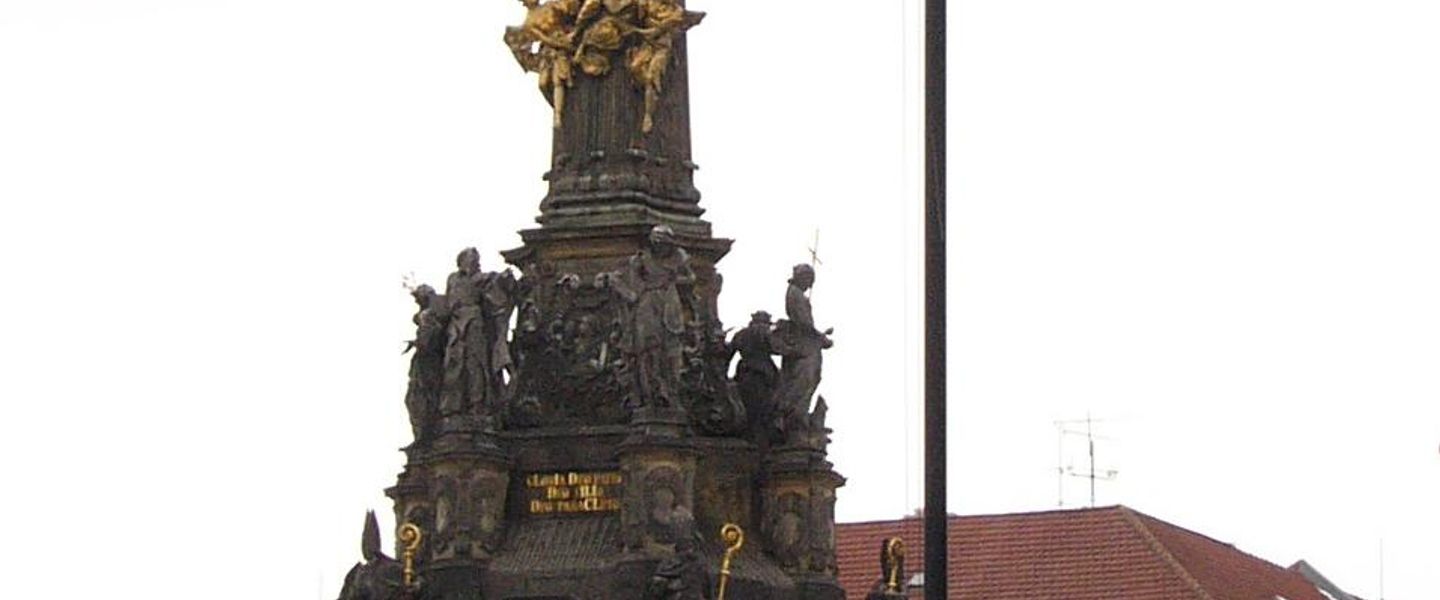


Olomouc in Czechia pairs a grand historic centre, Holy Trinity Column, baroque fountains, lively cafés and Moravian culture with easy city sightseeing.
A Historic Moravian Centre
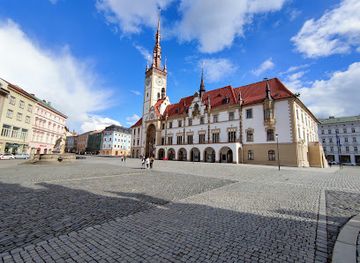
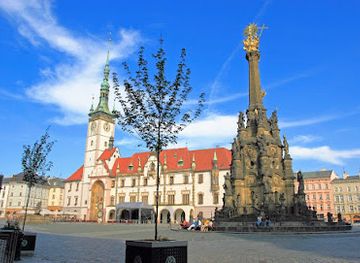
Olomouc stands in the fertile Haná plain of central Moravia, a compact university city whose broad squares, religious monuments and quiet lanes preserve the importance it held long before modern Czechia took shape. Its historic centre is anchored by Horní náměstí, where the Holy Trinity Column rises above a remarkable group of baroque fountains and civic buildings. The column, recognised by UNESCO for its artistic and cultural significance, is one of the city’s defining sights, while the medieval town hall and its astronomical clock reveal successive layers of urban history.Read more about Olomouc
Squares, Churches and Everyday Culture
Beyond the Historic Core
When is the best time to visit Olomouc?
Best: June–August · 22–24°C| Month | High (°C) | Rainfall (mm) |
|---|---|---|
| January | 1 | 25 |
| February | 3 | 20 |
| March | 9 | 25 |
| April | 14 | 30 |
| May | 19 | 35 |
| June (best) | 22 | 45 |
| July (best) | 24 | 50 |
| August (best) | 24 | 45 |
| September | 19 | 35 |
| October | 14 | 30 |
| November | 8 | 25 |
| December | 4 | 25 |
Getting to and around Olomouc
How to get there
Transportation
Best attractions in Olomouc
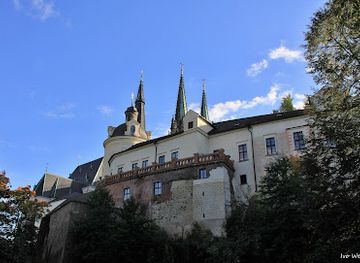
Olomouc’s principal sightseeing unfolds across a compact historic centre. Horní náměstí brings together the town hall, its astronomical clock and the UNESCO-listed Holy Trinity Column, while the surrounding squares are linked by a celebrated sequence of baroque fountains. On Václavské návrší, Saint Wenceslas Cathedral and the adjoining former Premonstratensian and episcopal buildings reveal the city’s importance as a religious centre. The Church of Saint Maurice offers a contrasting Gothic presence, and the Archdiocesan Museum presents art and history within the cathedral precinct. The Crown Fortress, part of the city’s former military defences, provides a different perspective on Olomouc’s eighteenth-century strategic role. Parks following the old walls, including Bezručovy sady, create green routes between the monuments, while the riverside landscape and nearby cycle paths extend exploration beyond the central squares.
-
Tourist attraction
Zoo Olomouc
Explore Zoo Olomouc – a vibrant hub of wildlife conservation and family-friendly fun in the heart of the Czech Republic.
24 min drive · 8.0 km from city centre
-
Tourist attraction
Saint Wenceslas Cathedral Olomouc
Explore the stunning Saint Wenceslas Cathedral in Olomouc, a Gothic masterpiece rich in history and architectural beauty, perfect for culture enthusiasts.
12 min walk · 1.0 km from city centre
-
Tourist attraction
Smetana's Gardens
Explore the captivating beauty of Smetana's Gardens in Olomouc, a serene park filled with vibrant flowers, sculptures, and peaceful pathways for all to enjoy.
9 min walk · 0.7 km from city centre
-
Tourist attraction
Pevnost poznání
Explore the interactive science museum Pevnost poznání in Olomouc, where education meets entertainment in a captivating historic fortress.
7 min walk · 0.5 km from city centre

Best landmarks in Olomouc
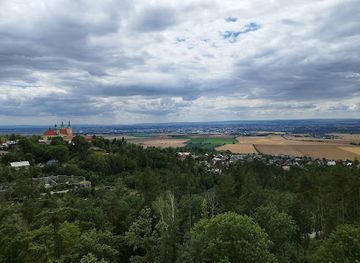
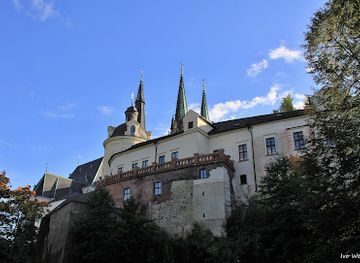
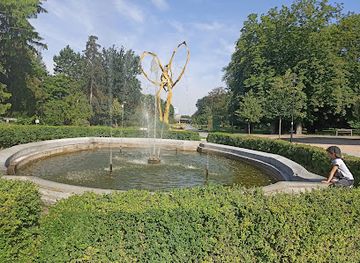
Olomouc’s landmarks express its role as a Moravian religious, political and military centre. The Holy Trinity Column on Horní náměstí is an elaborate baroque monument filled with religious sculpture and regarded as the city’s most important symbolic structure. Nearby, the medieval town hall and its astronomical clock represent civic authority, although the clock’s present appearance reflects twentieth-century reconstruction. Saint Wenceslas Cathedral dominates Václavské návrší with its historic foundations and tall neo-Gothic towers, while the Romanesque Bishop’s Palace preserves an older architectural layer. The Church of Saint Maurice is notable for its Gothic form and musical tradition, and the Crown Fortress recalls the defensive system built around Olomouc under the Habsburg monarchy. Together these buildings trace the city’s passage from medieval ecclesiastical centre to fortified modern town.
-
Historical landmark
Upper Square
Experience the charm and history of Upper Square in Olomouc, a vibrant hub filled with stunning architecture and local culture.
1 min walk · 0.1 km from city centre
-
Cathedral
Saint Wenceslas Cathedral Olomouc
Explore the stunning Saint Wenceslas Cathedral in Olomouc, a magnificent Gothic masterpiece rich in history and architectural beauty.
12 min walk · 1.0 km from city centre
-
Monument
Olomouc Astronomical Clock
Explore the Olomouc Astronomical Clock, a stunning blend of artistry and astronomy in the heart of the Czech Republic, captivating tourists with its historical significance.
1 min walk · 0.1 km from city centre
-
Park
Smetana's Gardens
Experience tranquility and beauty at Smetana's Gardens, a serene park in Olomouc boasting lush landscapes and cultural significance.
9 min walk · 0.7 km from city centre
Explore Olomouc on the map
Plan your Olomouc trip on one map. See where the top attractions, landmarks, restaurants, bars and hotels are, find what's near where you're staying, and book hotels and experiences in a few clicks.
Best hotels in Olomouc
Best restaurants in Olomouc
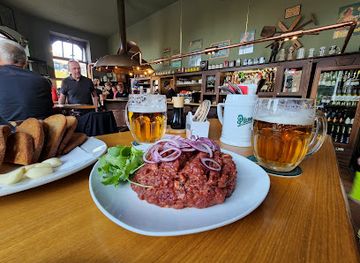
Olomouc’s food culture belongs to the wider Moravian and Haná tradition, with hearty soups, pork, poultry, potatoes, dumplings and seasonal produce appearing alongside more contemporary cooking. The city’s most famous speciality is Olomoucké tvarůžky, a small, strongly scented ripened cheese traditionally associated with nearby Loštice; it may appear in snacks, salads and cooked dishes. Traditional Czech restaurants and beer halls offer familiar regional fare, while cafés around the university quarters provide cakes, coffee and lighter meals. Farmers’ and seasonal markets on the central squares bring fruit, vegetables, baked goods and regional products into the city, although their exact schedules vary. Moravian wine is available alongside Czech beer, and modern restaurants increasingly reinterpret local ingredients without abandoning the region’s substantial culinary character.
-
Czech
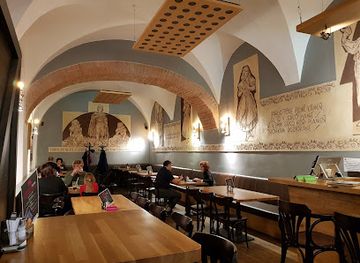
Drapal Restaurant
Experience authentic Czech cuisine at Drapal Restaurant in Olomouc—where tradition meets taste in every delightful dish.
3 min walk · 0.3 km from city centre
-
Restaurant
Hanácká hospoda
Experience authentic Czech flavors at Hanácká hospoda in Olomouc—your gateway to traditional cuisine and local culture.
3 min walk · 0.2 km from city centre
-
Restaurant
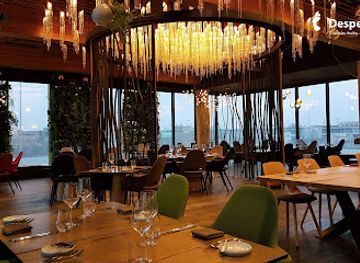
Entrée Restaurant
Discover the exquisite culinary artistry of Entrée Restaurant in Olomouc, where every dish is an unforgettable experience.
8 min drive · 2.7 km from city centre
-
Restaurant
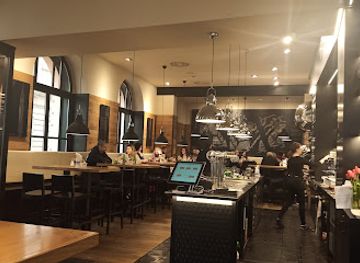
Restaurant U Mořice
Experience authentic Czech cuisine at Restaurant U Mořice in Olomouc – where tradition meets modern flavors.
1 min walk · 0.1 km from city centre
Best bars in Olomouc
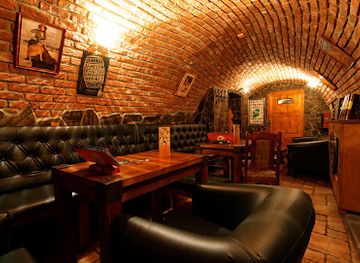
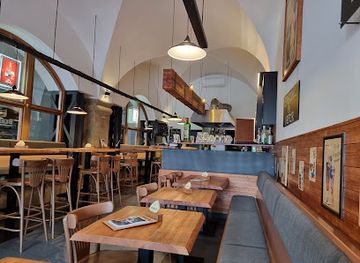
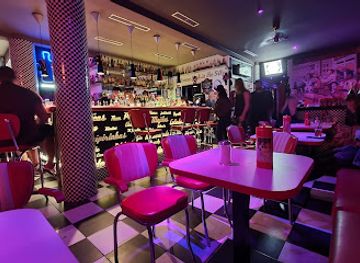
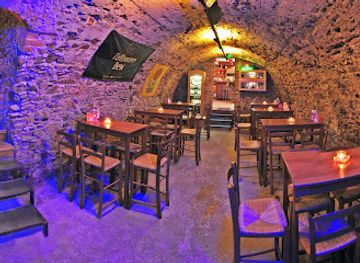
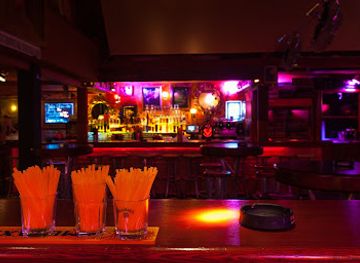
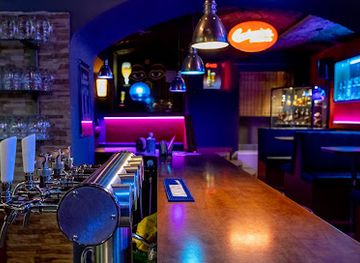
Olomouc has a modest but varied evening scene shaped by its university population and compact centre. Bars and cafés cluster around the historic squares and adjoining streets, ranging from relaxed beer venues and wine bars to cocktail-focused rooms and late-night student establishments. The city’s brewing tradition is represented by local beer culture, while Moravian wine is a natural choice in more intimate venues. For live music, Jazz Tibet Club has long been associated with concerts and an alternative cultural programme, and the Moravian Theatre offers drama, opera and ballet for a more formal evening. Nightlife is liveliest during the academic year, with quieter periods outside term time; smaller venues may change their programmes, so current listings are more reliable than assumptions about opening schedules.
-
Irish pub
The BLACK STUFF Irish Pub & Whisky Bar
The BLACK STUFF Irish Pub & Whisky Bar offers an authentic Irish experience with a wide selection of whiskies and traditional pub fare in Olomouc.
11 min walk · 0.8 km from city centre
-
Pub
Bernard Bar Olomouc
Experience the best of Czech brewing culture at Bernard Bar Olomouc, a welcoming pub with an extensive beer selection and vibrant atmosphere.
1 min walk · 0.1 km from city centre
-
Cocktail bar
Cocktails & Dreams
Experience the vibrant nightlife of Olomouc at Cocktails & Dreams, where expert mixology meets chic ambiance for an unforgettable evening out.
3 min walk · 0.2 km from city centre
-
Cocktail bar
Cuban Cocktail bar OSA
Discover the vibrant spirit of Cuba at OSA, Olomouc's premier cocktail bar serving authentic Cuban drinks and a lively atmosphere.
3 min walk · 0.2 km from city centre
Best nightclubs in Olomouc
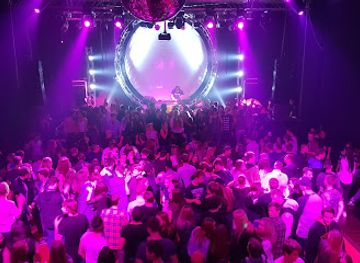
Olomouc has a modest but varied evening scene shaped by its university population and compact centre. Bars and cafés cluster around the historic squares and adjoining streets, ranging from relaxed beer venues and wine bars to cocktail-focused rooms and late-night student establishments. The city’s brewing tradition is represented by local beer culture, while Moravian wine is a natural choice in more intimate venues. For live music, Jazz Tibet Club has long been associated with concerts and an alternative cultural programme, and the Moravian Theatre offers drama, opera and ballet for a more formal evening. Nightlife is liveliest during the academic year, with quieter periods outside term time; smaller venues may change their programmes, so current listings are more reliable than assumptions about opening schedules.
-
Comedy club
S-klub
Experience the pulse of Olomouc nightlife at S-klub, where comedy meets dance in a vibrant atmosphere.
10 min walk · 0.8 km from city centre
-
Jazz
Jazz Tibet Club
Discover the enchanting world of jazz at Jazz Tibet Club, Olomouc's top spot for live music, vibrant nightlife, and a cozy atmosphere.
3 min walk · 0.3 km from city centre
-
Night club
Belmondo Club
Discover the heart of Olomouc's nightlife at Belmondo Club, where music, dancing, and unforgettable memories come alive.
4 min walk · 0.3 km from city centre
-
Night club
Nirvana Club
Experience the vibrant nightlife at Nirvana Club in Olomouc, where eclectic music, refreshing cocktails, and an energetic atmosphere await.
15 min walk · 1.2 km from city centre

Best shops in Olomouc
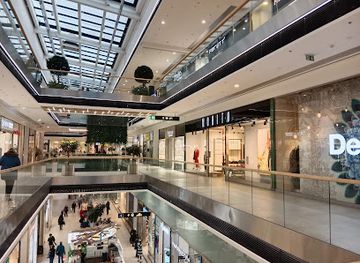
Shopping in Olomouc combines ordinary Czech city retail with opportunities to find Moravian food and craft products. The central streets around Ostružnická, 8. května and Riegrova contain independent shops, cafés, bookshops and small specialist retailers, while Galerie Šantovka provides a modern shopping-centre setting south of the historic core. Seasonal markets on Horní náměstí and nearby squares may offer baked goods, preserves, honey, handicrafts and regional produce, though their composition changes through the year. Visitors looking for edible souvenirs can find Olomoucké tvarůžky, Moravian delicacies and Czech confectionery, while wine shops stock bottles from Moravian vineyards. Traditional goods are best judged by provenance and labelling, particularly when shopping for products associated with the wider region rather than Olomouc itself.
-
Shopping mall
Shopping Gallery Santovka
Explore Shopping Gallery Santovka: Olomouc's premier shopping mall featuring diverse shops, delightful dining, and vibrant entertainment options.
11 min walk · 0.9 km from city centre
-
Shopping mall
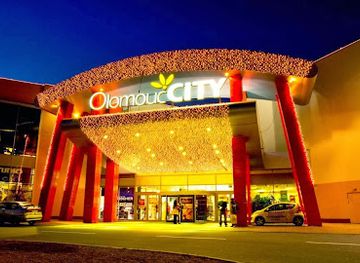
Olomouc CITY
Discover Olomouc City, a vibrant shopping mall where modern retail meets rich cultural experiences in the heart of the Czech Republic.
7 min drive · 2.3 km from city centre
-
Shopping mall
Shopping Center Olympia Olomouc
Explore the diverse shopping options and vibrant atmosphere at Shopping Center Olympia Olomouc, the ultimate retail destination in the Czech Republic.
17 min drive · 5.5 km from city centre
-
Shopping mall
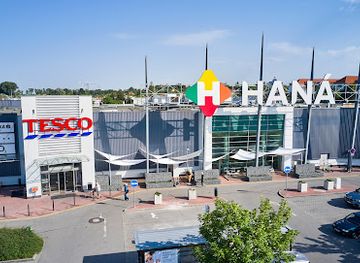
OC HANÁ
OC HANÁ in Olomouc - Your ultimate shopping destination for fashion, dining, and entertainment in the heart of the city.
8 min drive · 2.6 km from city centre
Get your free copy of our complete guide to Olomouc, delivered straight to you.
Everything on this page, from attractions and restaurants to essentials and local phrases, in one PDF you can read offline, print or share.
Already have an account? Sign in
Your Olomouc guide is ready.
We'll send it to · Not you? Sign out

Getting your guide ready…
We are putting together a fresh copy of the Olomouc guide. This can take up to a minute.
This can take a few moments. If your browser asks, choose Allow so the download can start. You'll find the guide in your Downloads folder.
Nothing happened? Download it again
Sorry, the guide is taking longer than usual. Please try again in a minute, or get it by email instead.
Olomouc essentials
Currency and Payment
Safety
Emergency Situations
Do's and Don'ts
Local Tips
From Eve
Local phrases worth knowing
You don't need to get them perfect. A few words go a long way, and locals appreciate the effort.
Basics
| English | Local | Say it |
|---|---|---|
| Hello | Ahoj | [ahoy] |
| Goodbye | Nashledanou | [nash-leda-noh] |
| Yes | Ano | [ah-noh] |
| No | Ne | [neh] |
| Please/You're welcome | Prosim | [pro-seem] |
| Thank you | Dekuji | [deh-kwee] |
| Excuse me/Sorry | Prominte | [proh-meen-teh] |
| How are you? | Jak se mas? | [yak seh mas] |
| Fine. And you? | Dobry. A ty? | [doh-bree. ah tee] |
| Do you speak English? | Mluvis anglicky? | [mloo-vees ahn-gleet-skee] |
| I don't understand | Nerozumim | [neh-roh-zoo-meem] |
Eating & Drinking
| English | Local | Say it |
|---|---|---|
| I'd like to see the menu, please | Chtel bych videt menu, prosim | [khtel bikh vee-det meh-noo, pro-seem] |
| I don't eat meat | Nemam rad masa | [neh-mam rad mah-sa] |
| Cheers! | Na zdravi! | [nah zdrah-vee] |
| I would like to pay, please | Chtel bych zaplatit, prosim | [khtel bikh zap-la-teet, pro-seem] |
Emergencies
| English | Local | Say it |
|---|---|---|
| Help! | Pomoc! | [poh-mohts] |
| Go away! | Odejdi! | [oh-dey-dee] |
| Call the Police! | Zavolej policii! | [za-vo-ley poh-lee-tsee] |
| Call a doctor! | Zavolejte lekare! | [za-vo-ley-teh leh-kah-reh] |
| I'm lost | Ztratil jsem se | [ztra-teel yehm seh] |
| I'm ill | Jsem nemocny | [yehm neh-mohts-nee] |
Shopping
| English | Local | Say it |
|---|---|---|
| I'd like to buy... | Chtel bych koupit... | [khtel bikh koh-peeht] |
| I'm just looking | Jen se divam | [yehn seh dee-vam] |
| How much is it? | Kolik to stoji? | [ko-leek toh stoyee] |
| That's too expensive | To je prilis drahe | [toh yeh pree-lees drah-heh] |
| Can you lower the price? | Muzete snizit cenu? | [moo-ze-teh sni-zit tseh-noo] |
Time & Numbers
| English | Local | Say it |
|---|---|---|
| What time is it? | Kolik je hodin? | [ko-leek yeh ho-deen] |
| It's one o'clock | Je jedna hodina | [yeh yed-nah ho-dee-nah] |
| Half past (10) | Pul desate | [pool deh-sah-teh] |
| Morning | Rano | [rah-noh] |
| Afternoon | Odpoledne | [ohd-pol-ed-neh] |
| Evening | Vecer | [veh-tsehr] |
| Yesterday | Vcera | [v-tseh-rah] |
| Today | Dnes | [dnes] |
| Tomorrow | Zitra | [zee-trah] |
| 1 | Jedna | [yed-nah] |
| 2 | Dva | [dvah] |
| 3 | Tri | [tree] |
| 4 | Ctyri | [tseh-tee-ree] |
| 5 | Pet | [peht] |
| 6 | Sest | [sehst] |
| 7 | Sedm | [sedm] |
| 8 | Osm | [ohsm] |
| 9 | Devet | [deh-vet] |
| 10 | Deset | [deh-set] |
Transport & Directions
| English | Local | Say it |
|---|---|---|
| Where's a/the...? | Kde je... | [kdeh yeh] |
| What's the address? | Jake je adresa? | [yah-keh yeh ah-deh-rah] |
| Can you show me (on the map)? | Muzete mi to ukazat (na mape)? | [moo-ze-teh mee toh oo-kah-zaht (nah mah-peh)] |
| When's the next (bus)? | Kdy jede dalsi (autobus)? | [kdee yeh-deh dahl-see (ow-toh-boos)] |
| A ticket (to ....) | Jedno jizdenka (do ...) | [yed-noh yiz-dehn-kah (doh)] |
History of Olomouc
Early Settlements and Great Moravia
The wider Olomouc area was settled long before the medieval city emerged. Its position beside the Morava River and routes across the Haná plain gave it strategic and commercial importance, while nearby elevated ground offered a defensible site. Archaeological evidence records occupation in prehistoric periods and during the Roman era. In the ninth century, the region formed part of the sphere of Great Moravia, the early medieval polity associated with the Christian mission of Saints Cyril and Methodius. The settlement on and around today’s Václavské návrší later became the ecclesiastical and political nucleus of Olomouc. That elevated quarter, rather than the later market square alone, remains central to understanding the city’s earliest development.
Medieval City and Moravian Power
Olomouc developed into one of the principal centres of medieval Moravia under the Přemyslid dynasty. A bishopric was established in 1063, strengthening the city’s religious role, and the chapter and cathedral precinct grew on the hill above the settlement. Olomouc received town privileges during the thirteenth century, when German-speaking settlers and other communities contributed to its urban and commercial expansion. The market area below the castle became the setting for civic life, while churches, monasteries and merchant houses shaped the medieval town. Although Brno later became the main seat of the Moravian margraves, Olomouc retained major political, ecclesiastical and educational significance, a status reflected in the surviving cathedral precinct and historic street plan.
Renaissance Growth and Religious Change
The sixteenth century brought commercial confidence, humanist learning and architectural change to Olomouc. Civic buildings and private houses acquired Renaissance details, and the town participated in the wider cultural and economic life of the Habsburg lands. Religious divisions also affected the city. The Reformation gained support among parts of the population, while Catholic institutions remained powerful, particularly through the bishopric and religious orders. Conflicts connected with the Bohemian Revolt and the Thirty Years’ War disrupted this prosperity. Swedish forces occupied Olomouc from 1642 to 1650, causing serious damage and demographic strain. The experience helped prepare the ground for the extensive Catholic rebuilding that transformed the city’s appearance in the later seventeenth and eighteenth centuries.
Baroque Reconstruction and the Fortress
After the Thirty Years’ War, Olomouc was reconstructed in a strongly baroque style. Churches, palaces and fountains reshaped the centre, and the city became an important Catholic and educational stronghold. The post-war rebuilding produced monuments such as the Holy Trinity Column, erected between 1716 and 1754, whose sculpture programme expresses the religious culture of the period. Military significance also increased. Under Maria Theresa, Olomouc was converted into a major bastion fortress in the eighteenth century, with walls and defensive works that influenced urban growth for generations. In 1758 Prussian forces besieged the city but failed to capture it. Parts of the fortifications survive, especially around the historic centre and Crown Fortress.
From Habsburg Town to Modern City
The nineteenth century brought administrative reform, industrial development, rail connections and the gradual removal of many fortifications. Olomouc remained an important regional and ecclesiastical centre within the Austrian Empire, while Czech national life became increasingly prominent. The city’s educational traditions gained new importance with the restoration of the university in 1946, building on an earlier Jesuit university founded in 1573 and closed in the eighteenth century. During the twentieth century, Olomouc experienced the political upheavals of Czechoslovakia, Nazi occupation and post-war socialist rule. Since the democratic changes of 1989, restoration of the historic centre and the growth of Palacký University have reinforced Olomouc’s identity as a cultural, educational and regional capital.
Olomouc in Photos
Browse through our photo collection highlighting the charm and character of the destination.
Cities near Olomouc
The closest cities to Olomouc, if you have time for more than one stop.
-

-

-

-
-


Swipe for more cities
Explore more

Explore more of Czechia
Discover Czechia: A European gem with historic towns, stunning landscapes, and cultural delights. Perfect for travelers seeking charm, history, and adventure.
Explore Czechia