

Free Hradec Králové Travel Guide & Mobile App
Plan your Hradec Králové trip with Evendo. Get free guides to top attractions, restaurants, hotels, and bars. Web access or download the mobile app.


Hradec Králové blends royal history, riverside walks and celebrated Czech modernist architecture with museums, theatres and lively local culture.
A Royal Town by the Elbe
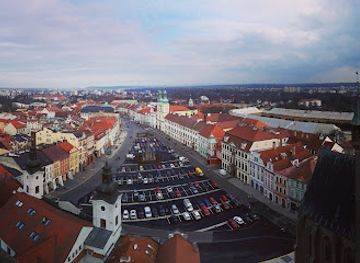
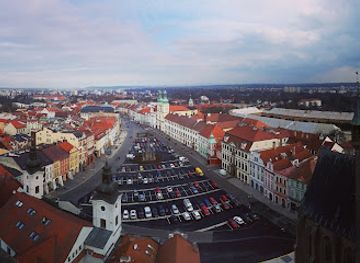
Hradec Králové stands at the meeting of the Elbe and Orlice rivers in eastern Czechia, where a medieval royal town developed into one of the country’s most distinguished modernist cities. Its historic centre rises above the rivers on a compact promontory, with the broad Velké náměstí, arcaded houses and the red-brick Cathedral of the Holy Spirit forming a memorable urban heart. The city’s name means ‘Queen’s Hradec’, reflecting its historic association with the queens of Bohemia, who received it as a dower town.Read more about Hradec Králové
From Fortress to Modernist City
Rivers, Parks and Cultural Life
When is the best time to visit Hradec Králové?
Best: June–August · 21–23°C| Month | High (°C) | Rainfall (mm) |
|---|---|---|
| January | 3 | 21 |
| February | 4 | 17 |
| March | 7 | 16 |
| April | 13 | 12 |
| May | 18 | 11 |
| June (best) | 21 | 9 |
| July (best) | 23 | 7 |
| August (best) | 23 | 8 |
| September | 19 | 9 |
| October | 13 | 16 |
| November | 8 | 17 |
| December | 4 | 20 |
Getting to and around Hradec Králové
How to get there
Transportation
Best attractions in Hradec Králové
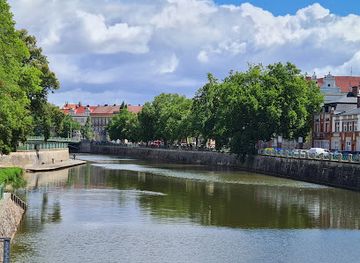
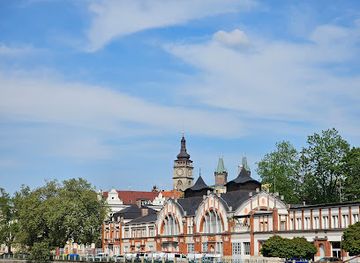
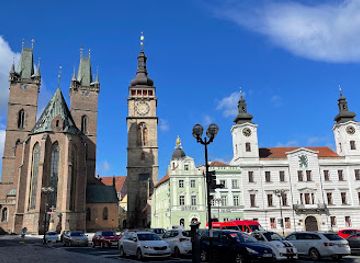
Hradec Králové’s compact centre begins at Velké náměstí, where the Cathedral of the Holy Spirit, the White Tower and historic houses create an impressive medieval and early modern ensemble. The Museum of East Bohemia introduces the region’s archaeology, history and artistic heritage inside Jan Kotěra’s celebrated modernist building, while the nearby Gallery of Modern Art occupies a former banking palace. Walkers can follow the old fortress landscape through parks and ramparts before reaching the meeting of the Elbe and Orlice, a pleasant setting for riverside paths and views. The East Bohemian Theatre and Divadlo Drak, one of the Czech Republic’s notable puppet theatres, add a strong performing-arts dimension. Families may enjoy the city’s observatory and planetarium, while Festivalpark hosts major outdoor events. The result is a sightseeing experience that moves naturally between royal history, twentieth-century architecture, museums, parks and contemporary culture.
-
Tourist attraction
Šimkovy sady
Experience the beauty and tranquility of Šimkovy Sady, a stunning park in Hradec Králové perfect for relaxation and leisurely outdoor activities.
10 min walk · 0.8 km from city centre
-
Tourist attraction
Obří akvárium
Discover the underwater wonders at Obří akvárium in Hradec Králové, a captivating destination for aquatic enthusiasts and families.
13 min walk · 1.1 km from city centre
-
Tourist attraction
Jirásk's gardens
Explore the enchanting Jirásk's Gardens in Hradec Králové, a peaceful oasis of lush greenery and cultural charm, perfect for relaxation and exploration.
5 min walk · 0.4 km from city centre
-
Tourist attraction
Bílá věž
Explore Bíla věž in Hradec Králové, a stunning historical landmark offering breathtaking views, rich heritage, and scenic hiking trails for every adventurer.
1 min walk · 0.1 km from city centre

Best landmarks in Hradec Králové
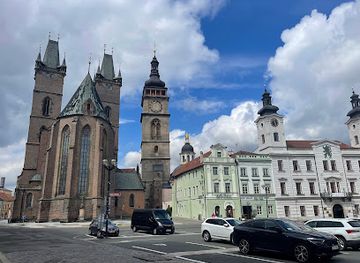
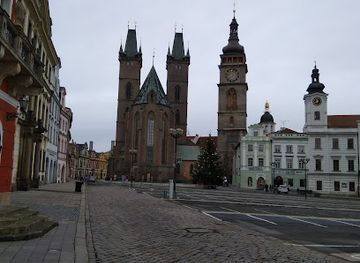
The Cathedral of the Holy Spirit is Hradec Králové’s principal medieval landmark, a brick Gothic church whose tall body and twin-towered profile dominate Velké náměstí. Beside it, the White Tower provides one of the city’s defining silhouettes and reflects the importance of civic architecture around the former royal centre. The Museum of East Bohemia, designed by Jan Kotěra and completed in the early twentieth century, is a landmark of Czech modernism, distinguished by its monumental entrance and carefully composed decorative details. Josef Gočár’s Church of the Czechoslovak Hussite Church, with its modern geometric form, represents the city’s interwar architectural ambition. The surviving fortress ramparts, former military spaces and broad boulevards are landmarks of urban history in their own right, showing how an enclosed garrison town became a planned modern city.
-
Park
Šimkovy sady
Explore Šimkovy Sady, a tranquil park in Hradec Králové, perfect for relaxation, nature walks, and cultural experiences amidst stunning landscapes.
10 min walk · 0.8 km from city centre
-
Aquarium
Obří akvárium
Explore the enchanting Obří akvárium in Hradec Králové, home to a diverse array of marine life and engaging exhibits for all ages.
13 min walk · 1.1 km from city centre
-
Park
Jirásk's gardens
Explore the lush beauty of Jiráskovy Sady, a tranquil park in Hradec Králové, perfect for relaxation, picnics, and enjoying nature's charm.
5 min walk · 0.4 km from city centre
-
Historical landmark
Bílá věž
Discover Bílá věž: A historical landmark in Hradec Králové offering stunning views, scenic hiking trails, and rich cultural experiences.
1 min walk · 0.1 km from city centre
Explore Hradec Králové on the map
Plan your Hradec Králové trip on one map. See where the top attractions, landmarks, restaurants, bars and hotels are, find what's near where you're staying, and book hotels and experiences in a few clicks.
Best hotels in Hradec Králové
Best restaurants in Hradec Králové
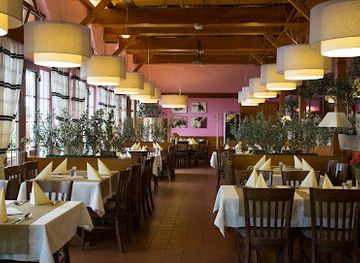
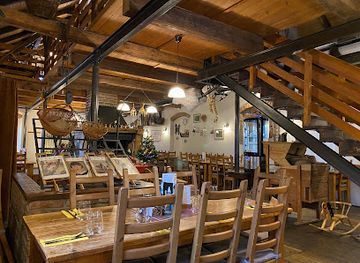
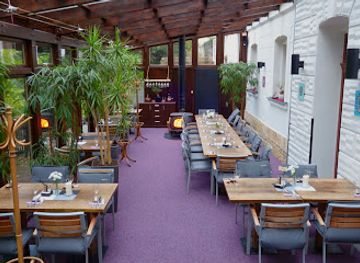
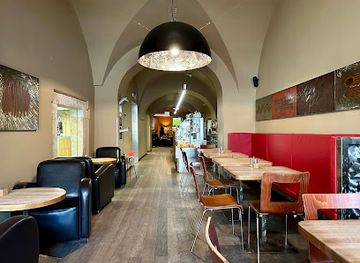
Dining in Hradec Králové reflects the broader cuisine of eastern Bohemia, with Czech classics such as goulash, roast meats, schnitzel, soups, dumplings and seasonal game appearing alongside more contemporary cooking. The centre around Velké náměstí and adjoining streets provides the widest choice of restaurants, cafés, bakeries and casual places to eat, while riverside areas offer a more relaxed setting in warmer months. Traditional pubs remain important social spaces, serving local beer and substantial dishes, but the city’s student and professional population has also encouraged vegetarian meals, international cuisines and modern bistro cooking. Coffee culture is visible in the historic centre, and farmers’ markets or seasonal food events can provide regional produce when taking place. Menus may use Czech terms such as ‘polední menu’ for a weekday lunch offering, and smaller establishments may have limited English-language information.
-
Restaurant
Restaurant a penzion Grill Duran
Experience exquisite dining at Grill Duran in Hradec Králové - where culinary innovation meets exceptional service.
8 min drive · 2.8 km from city centre
-
Restaurant
Restaurant Na Statku
Experience authentic Czech cuisine at Restaurant Na Statku in Hradec Králové - where tradition meets taste in a cozy setting.
11 min drive · 3.6 km from city centre
-
Restaurant
Šatlava
Experience the best of traditional Czech cuisine at Šatlava in Hradec Králové – where every meal tells a story.
3 min walk · 0.3 km from city centre
-
Italian
Pasta Cook&Look
Experience authentic Italian cuisine at Pasta Cook&Look - where handmade pasta meets culinary excellence in Hradec Králové.
2 min walk · 0.2 km from city centre
Best bars in Hradec Králové
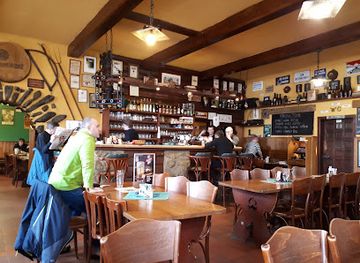
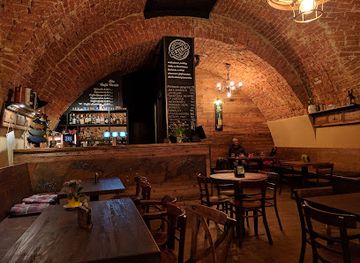
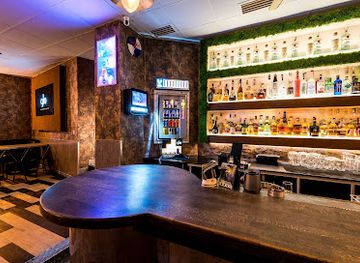
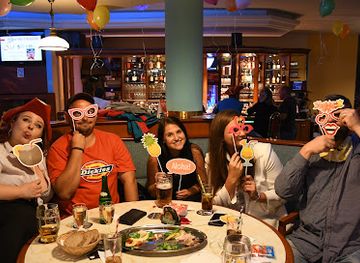
Evenings in Hradec Králové are centred more on pubs, cafés, cultural venues and live music than on a large international club scene. The streets around Velké náměstí and Malé náměstí have places for Czech beer, wine and cocktails, while student life brings additional activity near the university and central districts. The Klicpera Theatre presents drama and other performances, and Divadlo Drak gives the city an important puppet-theatre tradition that extends beyond children’s shows. Concerts, local cultural events and seasonal festivals provide further evening entertainment, with larger outdoor programmes often taking place at Festivalpark on the former military-airfield grounds. Visitors should expect variation between a lively weekend and a quieter weekday, and should check current programmes rather than assume that every venue operates late every night.
-
Pub
Na Hradě
Discover the heart of Hradec Králové at Na Hradě, where traditional Czech cuisine and local brews create an unforgettable pub experience.
1 min walk · 0.1 km from city centre
-
Bar
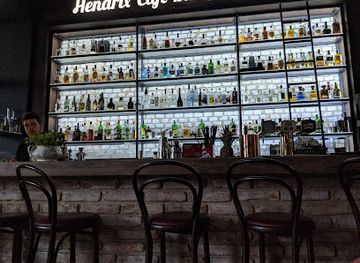
Hendrix Café
Discover the vibrant atmosphere of Hendrix Café, a music-inspired bar in Hradec Králové offering exceptional drinks and live entertainment.
1 min walk · 0.1 km from city centre
-
Pub
U Stolu
Discover the charming U Stolu pub in Hradec Králové, where local beers and traditional Czech cuisine await in a cozy atmosphere.
2 min walk · 0.1 km from city centre
-
Bar
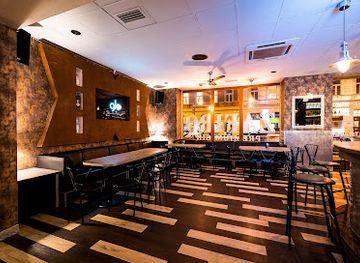
Bar X - Treme
Experience the vibrant nightlife at Bar X - Treme in Hradec Králové, where great drinks and a lively atmosphere await every evening.
3 min walk · 0.2 km from city centre
Best nightclubs in Hradec Králové
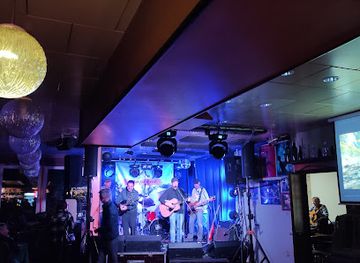
Evenings in Hradec Králové are centred more on pubs, cafés, cultural venues and live music than on a large international club scene. The streets around Velké náměstí and Malé náměstí have places for Czech beer, wine and cocktails, while student life brings additional activity near the university and central districts. The Klicpera Theatre presents drama and other performances, and Divadlo Drak gives the city an important puppet-theatre tradition that extends beyond children’s shows. Concerts, local cultural events and seasonal festivals provide further evening entertainment, with larger outdoor programmes often taking place at Festivalpark on the former military-airfield grounds. Visitors should expect variation between a lively weekend and a quieter weekday, and should check current programmes rather than assume that every venue operates late every night.
-
Musical club
AC club
Dive into the vibrant nightlife of Hradec Králové at AC Club, where music and dance come alive in an electric atmosphere.
16 min walk · 1.3 km from city centre
-
Bar
Bar X - Treme
Discover Bar X - Treme: A lively bar in Hradec Králové offering a vibrant nightlife, expertly crafted drinks, and a welcoming atmosphere for all.
3 min walk · 0.2 km from city centre
-
Night club
Holland Club
Discover the vibrant nightlife of Holland Club in Nový Hradec Králové with darts, karaoke, and delicious cocktails.
5 min drive · 1.6 km from city centre
-
Night club
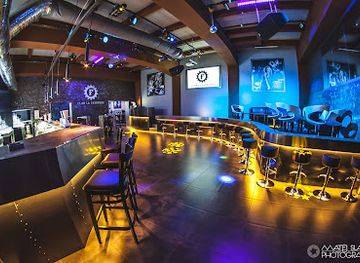
La Fabrique
La Fabrique: Dive into Hradec Králové's vibrant nightlife with electrifying music, stylish ambiance, and unforgettable dance experiences.
13 min walk · 1.1 km from city centre
Best shops in Hradec Králové
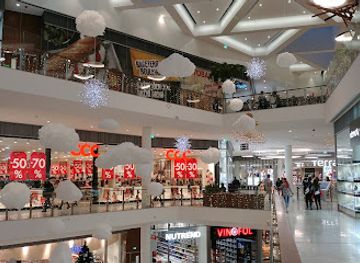
Shopping in Hradec Králové combines ordinary Czech city retail with the independent shops, cafés and specialist businesses concentrated around the historic centre. Velké náměstí, adjoining streets and the area near the main railway station provide everyday shops, bookshops, bakeries and small boutiques, while larger selections of clothing, services and chain retailers are found at Aupark Hradec Králové and Futurum Hradec Králové. Seasonal farmers’ markets, when operating, are useful for regional produce, baked goods and locally made food rather than mass-produced souvenirs. Visitors looking for gifts can consider Czech glass, ceramics, wooden goods, stationery, regional foods and design products, although these are Czech or Bohemian traditions rather than crafts exclusive to Hradec. The city’s architectural identity also makes illustrated books and material on Kotěra and Gočár worthwhile purchases for design-minded travellers.
-
Shopping mall
OC Futurum Hradec Králové
Discover OC Futurum Hradec Králové, a premier shopping destination with diverse stores, delicious dining, and vibrant entertainment options for all!
5 min drive · 1.8 km from city centre
-
Shopping mall
Aupark
Discover the ultimate shopping experience at Aupark, Hradec Králové's vibrant shopping mall with diverse stores and dining options.
5 min drive · 1.5 km from city centre
-
Shopping mall
Orlice Park
Experience the best of shopping, dining, and family fun at Orlice Park in Hradec Králové – a must-visit destination for tourists!
5 min drive · 1.5 km from city centre
-
Shopping mall
Shopping mall Atrium
Experience the best shopping and dining at Atrium Mall in Hradec Králové, a perfect destination for tourists seeking leisure and fun.
14 min walk · 1.1 km from city centre



Get your free copy of our complete guide to Hradec Králové, delivered straight to you.
Everything on this page, from attractions and restaurants to essentials and local phrases, in one PDF you can read offline, print or share.
Already have an account? Sign in
Your Hradec Králové guide is ready.
We'll send it to · Not you? Sign out

Getting your guide ready…
We are putting together a fresh copy of the Hradec Králové guide. This can take up to a minute.
This can take a few moments. If your browser asks, choose Allow so the download can start. You'll find the guide in your Downloads folder.
Nothing happened? Download it again
Sorry, the guide is taking longer than usual. Please try again in a minute, or get it by email instead.
Hradec Králové essentials
Currency and Payment
Safety
Emergency Situations
Do's and Don'ts
Local Tips
From Eve
Local phrases worth knowing
You don't need to get them perfect. A few words go a long way, and locals appreciate the effort.
Basics
| English | Local | Say it |
|---|---|---|
| Hello | Ahoj | [ahoy] |
| Goodbye | Na shledanou | [nah shledanou] |
| Yes | Ano | [ah-noh] |
| No | Ne | [neh] |
| Please/You're welcome | Prosím | [pro-seem] |
| Thank you | Děkuji | [dyeh-koo-yi] |
| Excuse me/Sorry | Omlouvám se | [om-loo-vahm se] |
| How are you? | Jak se máš? | [yahk se mahsh] |
| Fine. And you? | Dobře. A ty? | [doh-brye. ah tee] |
| Do you speak English? | Mluvíte anglicky? | [mloo-vee-te an-gleet-skee] |
| I don't understand | Nerozumím | [neh-roh-zoo-meem] |
Eating & Drinking
| English | Local | Say it |
|---|---|---|
| I'd like to see the menu, please | Rád bych viděl menu, prosím | [rahd bikh vee-dyel menu, pro-seem] |
| I don't eat meat | Nejím maso | [neyeem mah-so] |
| Cheers! | Na zdraví! | [nah zdrah-vee] |
| I would like to pay, please | Chtěl bych zaplatit, prosím | [khtyel bikh zap-la-teet, pro-seem] |
Emergencies
| English | Local | Say it |
|---|---|---|
| Help! | Pomoc! | [poh-mohts] |
| Go away! | Jdi pryč! | [ydee pritch] |
| Call the Police! | Zavolejte policii! | [zah-vo-ley-teh po-lee-tsee] |
| Call a doctor! | Zavolejte doktora! | [zah-vo-ley-teh dok-toh-rah] |
| I'm lost | Ztratil jsem se | [ztrah-teel yehm se] |
| I'm ill | Jsem nemocný | [ysem neh-mohts-nee] |
Shopping
| English | Local | Say it |
|---|---|---|
| I'd like to buy... | Chtěl bych koupit... | [khtyel bikh koh-peeht] |
| I'm just looking | Jen se dívám | [yen se dee-vahm] |
| How much is it? | Kolik to stojí? | [koh-leek toh stoh-yee] |
| That's too expensive | To je příliš drahé | [toh yeh pree-leesh drah-heh] |
| Can you lower the price? | Můžete snížit cenu? | [moo-zheh-teh sneed-zheet tseh-noo] |
Time & Numbers
| English | Local | Say it |
|---|---|---|
| What time is it? | Kolik je hodin? | [koh-leek yeh hoh-deen] |
| It's one o'clock | Je jedna hodina | [yeh yed-nah hoh-dee-nah] |
| Half past (10) | Půl jedenácté | [pool yed-nyahk-tyeh] |
| Morning | Ráno | [rah-noh] |
| Afternoon | Odpoledne | [ohd-po-led-neh] |
| Evening | Večer | [veh-cher] |
| Yesterday | Včera | [v-cheh-rah] |
| Today | Dnes | [dnes] |
| Tomorrow | Zítra | [zee-tra] |
| 1 | Jedna | [yed-nah] |
| 2 | Dva | [dvah] |
| 3 | Tři | [tree] |
| 4 | Čtyři | [chtih-zhee] |
| 5 | Pět | [pyet] |
| 6 | Šest | [shehst] |
| 7 | Sedm | [setm] |
| 8 | Osm | [ohsm] |
| 9 | Devět | [deh-vyet] |
| 10 | Deset | [deh-set] |
Transport & Directions
| English | Local | Say it |
|---|---|---|
| Where's a/the...? | Kde je... | [kde yeh] |
| What's the address? | Jaká je adresa? | [yah-kah yeh ah-dreh-sah] |
| Can you show me (on the map)? | Můžete mi to ukázat (na mapě)? | [moo-zheh-teh mee toh oo-kah-zat (nah mah-peh)] |
| When's the next (bus)? | Kdy jede další (autobus)? | [kdee yeh-de dah-lshee (ow-toh-boos)] |
| A ticket (to ....) | Jedno jízdenka (do ...) | [yed-noh yeez-dehn-kah (doh)] |
History of Hradec Králové
Early Settlement and Royal Town
The confluence of the Elbe and Orlice made the area around Hradec Králové a natural place for settlement and trade. A fortified settlement developed on the elevated ground above the rivers, and Hradec was among the Bohemian towns established or consolidated during the medieval expansion of royal power. It appears in written records in the early thirteenth century, and by the later Middle Ages it had become an important royal town. Its position connected eastern Bohemia with routes towards Prague, Moravia and Silesia. The street pattern and elevated central square still preserve something of this medieval foundation, although later military works and urban rebuilding substantially changed the town’s appearance.
The Queens’ Dower Town
Hradec became closely associated with the queens of Bohemia as a dower town, a settlement whose revenues and rights supported the queen consort. Queen Elisabeth Richeza, who lived in Bohemia in the early fourteenth century, is particularly associated with the town and its religious foundations. The construction of the Cathedral of the Holy Spirit began in the fourteenth century, giving the royal centre a major Gothic landmark. Medieval Hradec prospered through trade, crafts and its administrative role in eastern Bohemia. The cathedral, the broad market square and surviving fragments of the old town’s fabric still express the status the settlement acquired during this period.
Reformation and Early Modern Change
Like many Bohemian towns, Hradec was affected by the religious conflicts of the fifteenth and seventeenth centuries. It became a centre of Hussite influence during the Hussite Wars, and religious change continued to shape local institutions and public life after the conflict. The Thirty Years’ War brought military disruption and economic damage to the region, while the town’s religious landscape was later altered by the Catholic reforms of the Habsburg period. Baroque rebuilding introduced new churches, interiors and civic improvements, but Hradec retained its strategic importance. Its position on the Elbe also supported commerce and administration as eastern Bohemia recovered.
The Eighteenth-Century Fortress
After the rise of Prussia and repeated wars in the eighteenth century, Hradec Králové was converted into a major fortress. Construction began in 1766 under the Habsburg monarchy, producing bastions, ramparts, gates and a glacis that surrounded the historic town. The military complex restricted outward growth for more than a century and left a strong imprint on the city’s geography. In the nineteenth century, changing warfare made the fortifications increasingly obsolete. Their gradual removal, beginning in the 1880s after the fortress was declassified, released land for boulevards, public buildings and parks, creating the conditions for Hradec’s later urban expansion.
Kotěra and Gočár’s Modern City
The demolition of the fortress allowed Hradec to develop beyond its medieval core, and the city embraced ambitious civic planning during the late nineteenth and early twentieth centuries. Architect Jan Kotěra designed the Museum of East Bohemia, completed in 1912, as a major statement of Czech modern architecture. His pupil Josef Gočár later prepared influential plans and designed schools, public buildings and the Church of the Czechoslovak Hussite Church. This period produced generous streets, carefully positioned institutions and a relationship between architecture and landscape that earned Hradec a reputation as a model modern city. Much of its architectural identity visible today comes from this transformation.
Twentieth-Century City and Cultural Renewal
Hradec experienced the political upheavals that shaped Czechoslovakia: the creation of the republic in 1918, the German occupation during the Second World War, post-war reconstruction and the socialist period. Its strategic and administrative role continued, while its schools, theatres and cultural institutions served a growing regional population. After 1989, historic buildings and public spaces gained renewed attention, and the city’s modernist heritage became an important part of its cultural identity. Contemporary Hradec combines regional administration and university life with festivals, theatre, music and riverside recreation, while the former fortress landscape and interwar architecture remain central to its sense of place.
Hradec Králové in Photos
Browse through our photo collection highlighting the charm and character of the destination.
Cities near Hradec Králové
The closest cities to Hradec Králové, if you have time for more than one stop.
-
-

-

-

-


Swipe for more cities
Explore more

Explore more of Czechia
Discover Czechia: A European gem with historic towns, stunning landscapes, and cultural delights. Perfect for travelers seeking charm, history, and adventure.
Explore Czechia