

Free Brno Travel Guide & Mobile App
Plan your Brno trip with Evendo. Get free guides to top attractions, restaurants, hotels, and bars. Web access or download the mobile app.


Brno, Czechia, blends Gothic landmarks, functionalist architecture, lively cafés, museums and South Moravian culture in a compact city rich in history.
Historic Core and Castle Heights
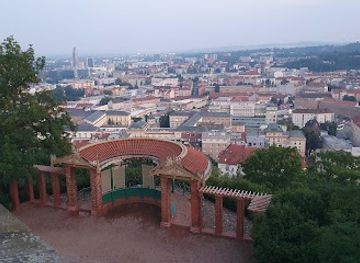
Brno, the capital of Czechia’s South Moravian Region, combines a compact historic centre with a lively university population and a strong architectural identity. The city rises gently towards Špilberk Castle, whose hilltop fortress and former prison overlook streets shaped by medieval, Baroque and nineteenth-century development. Below it, the Old Town gathers around Náměstí Svobody, the vegetable market at Zelný trh and the Cathedral of St Peter and Paul, while narrow lanes lead towards cafés, galleries and small cultural venues.Read more about Brno
Architecture and Contemporary Culture
South Moravian Flavours
When is the best time to visit Brno?
Best: July–September · 19–24°C| Month | High (°C) | Rainfall (mm) |
|---|---|---|
| January | 2 | 23 |
| February | 3 | 19 |
| March | 7 | 23 |
| April | 13 | 32 |
| May | 19 | 64 |
| June | 21 | 80 |
| July (best) | 24 | 73 |
| August (best) | 24 | 61 |
| September (best) | 19 | 41 |
| October | 13 | 36 |
| November | 7 | 29 |
| December | 3 | 25 |
Getting to and around Brno
How to get there
Transportation
Best attractions in Brno
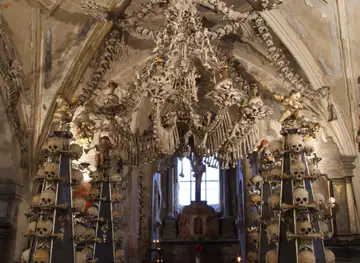
Brno’s compact centre offers a concentrated sequence of sights, beginning with the Old Town Hall and its curious astronomical clock before continuing to the market stalls and historic buildings of Zelný trh. The Moravian Museum at the Bishop’s Courtyard and the Moravian Gallery introduce the region’s archaeology, history and art, while the Brno Ossuary beneath the Church of St James provides a sobering glimpse into the medieval city. Above the centre, Špilberk Castle combines fortifications, exhibition spaces and broad views over the rooftops. Architecture enthusiasts should make time for Villa Tugendhat, the city’s internationally recognised functionalist house, and for less celebrated modernist streets in Černá Pole. Lužánky Park offers a leafy pause, while the Brno Reservoir adds woodland, waterside walks and seasonal recreation without requiring a journey far beyond the urban area.
-
Museum
Špilberk Castle
Explore Špilberk Castle, a historical fortress in Brno, offering stunning views, rich history, and a glimpse into the Czech Republic's past.
8 min walk · 0.6 km from city centre
-
Tourist attraction
Punkva caves
Discover the breathtaking Punkva Caves, a natural wonder featuring stunning formations and an underground river, perfect for nature lovers and adventurers.
41 min drive · 21 km from city centre
-
Tourist attraction
Park of the Špilberk Castle
Explore the enchanting Park of Špilberk Castle in Brno, where history and nature converge in a stunning landscape.
9 min walk · 0.7 km from city centre
-
Catholic cathedral
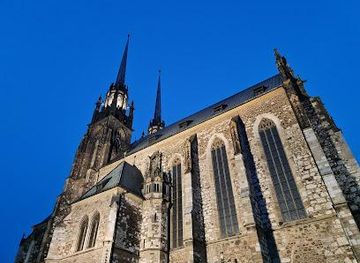
Cathedral of St. Peter and Paul
Explore the awe-inspiring Cathedral of St. Peter and Paul in Brno, a Gothic masterpiece offering breathtaking views and rich historical significance.
6 min walk · 0.5 km from city centre


Best landmarks in Brno
Brno’s defining landmarks reveal successive layers of religious, military and civic history. The Cathedral of St Peter and Paul crowns Petrov hill with its distinctive twin towers and remains one of the city’s most recognisable silhouettes. Špilberk Castle, founded as a royal fortress and later used as a Habsburg prison, represents Brno’s strategic and political importance, while the Old Town Hall preserves a medieval gateway and an enduring collection of civic legends. The Church of St James marks the historic centre with its late Gothic character, and the nearby Capuchin Crypt reflects the religious culture of the Baroque period. Villa Tugendhat provides a very different landmark: a rigorously designed modernist residence whose open plan, materials and relationship with the garden exemplify interwar functionalist architecture.
-
 Museum
Špilberk Castle
Explore the historical Špilberk Castle in Brno, a stunning fortress with rich heritage, captivating exhibits, and panoramic city views.
8 min walk · 0.6 km from city centre
-
Town square
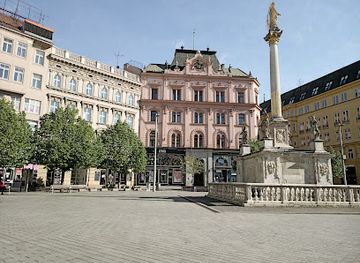
Náměstí Svobody
Explore Náměstí Svobody, Brno's vibrant plaza filled with history, culture, and lively events, perfect for tourists seeking to experience the city's heart.
1 min walk · 0.1 km from city centre
-
Park
Lužánky Park
Discover the beauty of Lužánky Park, a historic green oasis in Brno, perfect for relaxation, picnics, and enjoying nature's serenity.
16 min walk · 1.3 km from city centre
-
Convention center
Brno Exhibition Centre
Explore the Brno Exhibition Centre, a leading venue for trade shows and cultural events in Brno, where innovation meets tradition.
6 min drive · 2.0 km from city centre
Explore Brno on the map
Plan your Brno trip on one map. See where the top attractions, landmarks, restaurants, bars and hotels are, find what's near where you're staying, and book hotels and experiences in a few clicks.
Neighbourhoods in Brno
-

-

-


Swipe for more neighbourhoods
Best hotels in Brno
Best restaurants in Brno
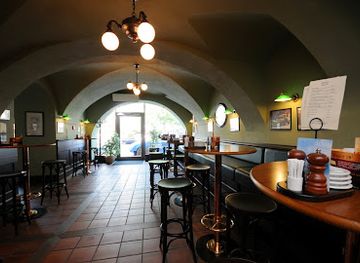
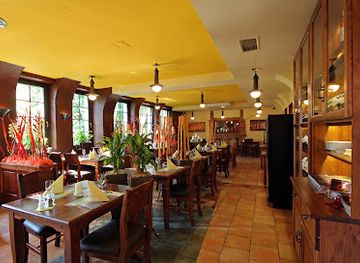
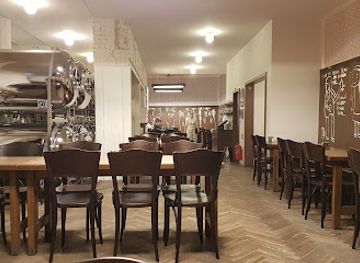
Brno’s dining culture reflects South Moravia’s agricultural traditions, Central European history and increasingly confident contemporary scene. Traditional menus may include svíčková, roast duck, goulash, schnitzel and smaller Czech dishes such as open-faced chlebíčky, while local bakeries and cafés provide koláče, sweet pastries and strong coffee. The region is also known for wine, especially white varieties, and specialist wine bars offer bottles from vineyards around Mikulov, Znojmo and the wider South Moravian countryside. Around Zelný trh and the central streets, visitors find cafés, bistros and casual international food alongside Czech cooking; restaurants in Veveří and other residential districts add a more local rhythm. Markets and seasonal events bring fruit, vegetables, cheeses and preserves into the city, while modern chefs reinterpret regional ingredients without abandoning the hearty foundations of Moravian cuisine.
-
Czech
Stopkova Plzeňská Pivnice
Experience authentic Czech cuisine and rich cultural vibes at Stopkova Plzeňská Pivnice in Brno - where every meal tells a story.
1 min walk · 0.1 km from city centre
-
Bar
The bar that doesn't exist
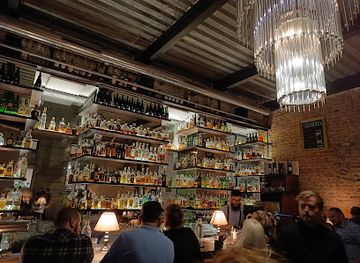
Experience Brno's nightlife at The Bar That Doesn't Exist, where creative cocktails meet delicious hamburgers in a vibrant atmosphere.
2 min walk · 0.1 km from city centre
-
Steak
Monte Bú restaurant a steakhouse
Discover Brno's finest dining at Monte Bú Steakhouse – where premium steaks meet exceptional wine in an elegant setting.
6 min drive · 1.9 km from city centre
-
Restaurant
Lokál U Caipla
Experience traditional Czech dining at Lokál U Caipla in Brno – where local ingredients meet rich culinary heritage.
2 min walk · 0.1 km from city centre
Best bars in Brno
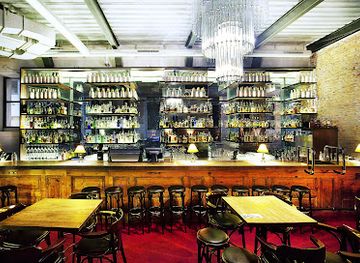
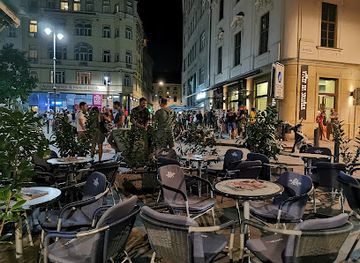
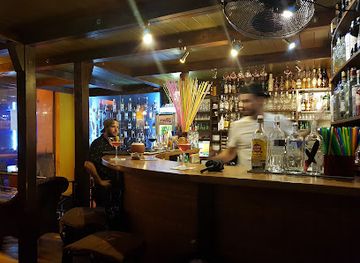
Brno’s evening life is shaped by students, universities, theatres and a dense central social scene rather than by a single club district. The streets around Jakubské náměstí, the Old Town and the area below Špilberk contain traditional pubs, craft-beer rooms, wine bars and cocktail venues, with South Moravian wines an important part of the local repertoire. Independent cafés often remain sociable after dark, while music clubs and cultural spaces host live bands, DJs, alternative performances and seasonal programmes. The National Theatre Brno presents opera, drama and ballet, and smaller venues contribute comedy, experimental theatre and concerts. Nightlife varies considerably by day and academic calendar, so the city can feel relaxed on one evening and energetic on another. Visitors should respect smoking restrictions and local licensing rules, particularly in enclosed venues.
-
Bar
The bar that doesn't exist
Explore the whimsical world of The Bar That Doesn't Exist in Brno, where creative cocktails and gourmet burgers come together in a vibrant atmosphere.
2 min walk · 0.1 km from city centre
-
Pub
Výčep Na Stojáka
Discover the vibrant atmosphere and authentic Czech flavors at Výčep Na Stojáka, Brno's premier pub for locals and tourists alike.
3 min walk · 0.2 km from city centre
-
Bar
Super Panda Circus
Discover the vibrant nightlife at Super Panda Circus, a whimsical bar in Brno that offers creative cocktails in a lively setting.
4 min walk · 0.3 km from city centre
-
Bar
ALOHA
Experience the vibrant atmosphere of ALOHA, a premier bar and coffee shop in Brno offering delicious drinks and local culture.
2 min walk · 0.2 km from city centre
Best nightclubs in Brno
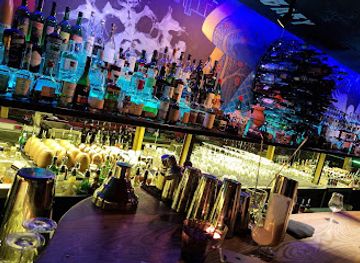
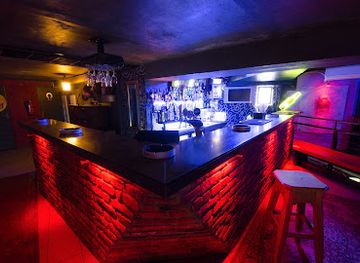
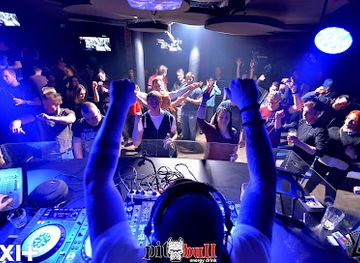
Brno’s evening life is shaped by students, universities, theatres and a dense central social scene rather than by a single club district. The streets around Jakubské náměstí, the Old Town and the area below Špilberk contain traditional pubs, craft-beer rooms, wine bars and cocktail venues, with South Moravian wines an important part of the local repertoire. Independent cafés often remain sociable after dark, while music clubs and cultural spaces host live bands, DJs, alternative performances and seasonal programmes. The National Theatre Brno presents opera, drama and ballet, and smaller venues contribute comedy, experimental theatre and concerts. Nightlife varies considerably by day and academic calendar, so the city can feel relaxed on one evening and energetic on another. Visitors should respect smoking restrictions and local licensing rules, particularly in enclosed venues.
-
Night club
TWO FACES music club
Discover electrifying nights filled with music and dance at TWO FACES music club, a premier nightlife destination in Brno, Czech Republic.
5 min walk · 0.4 km from city centre
-
Disco club
7th heaven
Unleash your inner dancer at 7th Heaven, Brno's top disco club known for its vibrant atmosphere and unforgettable nightlife experiences.
2 min walk · 0.2 km from city centre
-
Dance club
EXIT Club Brno
Discover Brno's nightlife at EXIT Club, a premier dance club blending electrifying music and vibrant atmosphere for an unforgettable night.
1 min walk · 0.1 km from city centre
-
Night club
Siluette Strip Bar
Explore Brno's nightlife at Siluette Strip Bar, where dance, comedy, and cocktails unite for an unforgettable adult entertainment experience.
4 min walk · 0.3 km from city centre


Best shops in Brno
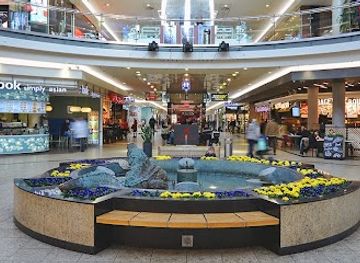
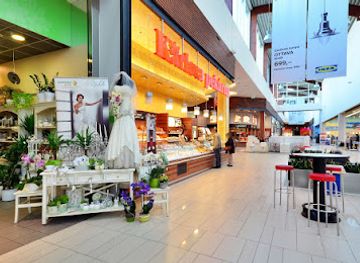
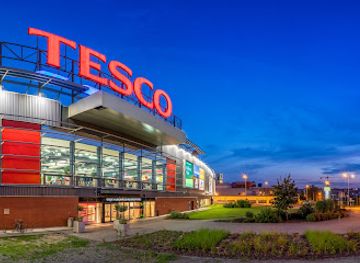
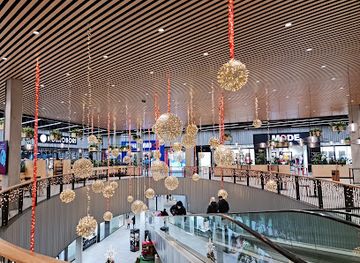
Shopping in Brno ranges from everyday market trading to independent design and specialist food retail. Zelný trh, the historic vegetable market, is the city’s most characteristic place for seasonal produce, flowers and local goods, although its offer changes with the time of year. The pedestrianised streets around Česká, Masarykova and Náměstí Svobody contain mainstream shops, bookshops, cafés and smaller retailers, while side streets are better for independent fashion, design and second-hand finds. Visitors looking for regional products can seek out South Moravian wines, fruit preserves, honey, cheeses and traditional sweets; Czech glass, ceramics and contemporary stationery are also more useful souvenirs than generic merchandise. Nearby shopping centres provide practical retail, but the central streets and markets give a stronger sense of Brno’s daily commercial life.
-
Shopping mall
Galerie Vaňkovka
Explore Galerie Vaňkovka, Brno's ultimate shopping destination with diverse stores, delightful cafes, and exciting events for all ages.
13 min walk · 1.0 km from city centre
-
Shopping mall
Avion Shopping Park
Experience the vibrant shopping atmosphere at Avion Shopping Park in Brno, home to diverse stores, dining, and entertainment options for every visitor.
13 min drive · 4.4 km from city centre
-
Shopping mall
NC Královo Pole
Explore NC Královo Pole in Brno for a diverse shopping experience with local and international brands, plus delicious dining options.
7 min drive · 2.4 km from city centre
-
Shopping mall
Shopping Centre Futurum
Experience the vibrant shopping and dining scene at Futurum Shopping Centre in Brno, a must-visit destination for every tourist.
13 min drive · 4.4 km from city centre
Get your free copy of our complete guide to Brno, delivered straight to you.
Everything on this page, from attractions and restaurants to essentials and local phrases, in one PDF you can read offline, print or share.
Already have an account? Sign in
Your Brno guide is ready.
We'll send it to · Not you? Sign out

Getting your guide ready…
We are putting together a fresh copy of the Brno guide. This can take up to a minute.
This can take a few moments. If your browser asks, choose Allow so the download can start. You'll find the guide in your Downloads folder.
Nothing happened? Download it again
Sorry, the guide is taking longer than usual. Please try again in a minute, or get it by email instead.
Brno essentials
Currency and Payment
Safety
Emergency Situations
Do's and Don'ts
Local Tips
From Eve
Local phrases worth knowing
You don't need to get them perfect. A few words go a long way, and locals appreciate the effort.
Basics
| English | Local | Say it |
|---|---|---|
| Hello | Ahoj | [ahoy] |
| Goodbye | Sbohem | [sbohem] |
| Yes | Ano | [ah-no] |
| No | Ne | [neh] |
| Please/You're welcome | Prosím | [pro-seem] |
| Thank you | Děkuji | [dyeh-koo-yee] |
| Excuse me/Sorry | Promiňte | [pro-meen-teh] |
| How are you? | Jak se máš? | [yak se mash] |
| Fine. And you? | Dobře. A ty? | [dobr-zhe. ah tee] |
| Do you speak English? | Mluvíte anglicky? | [mloo-vee-teh ang-leet-skee] |
| I don't understand | Nerozumím | [neh-roh-zoo-meem] |
Eating & Drinking
| English | Local | Say it |
|---|---|---|
| I'd like to see the menu, please | Mohu vidět menu, prosím | [moh-hoo vee-det meh-noo, pro-seem] |
| I don't eat meat | Nemám maso | [neh-mahm mah-so] |
| Cheers! | Na zdraví! | [na zdra-vee] |
| I would like to pay, please | Chtěl bych zaplatit, prosím | [khteel bikh zap-la-teet, pro-seem] |
Emergencies
| English | Local | Say it |
|---|---|---|
| Help! | Pomoc! | [poh-mohts] |
| Go away! | Jdi pryč! | [ydee preets] |
| Call the Police! | Zavolejte policii! | [zah-vo-leh-yeh po-li-tsee] |
| Call a doctor! | Zavolejte doktora! | [zah-vo-leh-yeh dohk-toh-rah] |
| I'm lost | Ztratil jsem se | [ztra-teel yehm se] |
| I'm ill | Jsem nemocný | [yehm ne-mohts-nee] |
Shopping
| English | Local | Say it |
|---|---|---|
| I'd like to buy... | Chtěl bych koupit... | [khteel bikh koh-peeht] |
| I'm just looking | Jen se dívám | [yen se dee-vahm] |
| How much is it? | Kolik to stojí? | [koh-leek toh stoh-yee] |
| That's too expensive | To je příliš drahé | [toh ye pree-leesh dra-heh] |
| Can you lower the price? | Můžete snížit cenu? | [moo-zheh-teh snee-zheet tseh-noo] |
Time & Numbers
| English | Local | Say it |
|---|---|---|
| What time is it? | Kolik je hodin? | [koh-leek ye hoh-deen] |
| It's one o'clock | Je jedna hodina | [ye yed-nah hoh-dee-nah] |
| Half past (10) | Půl desáté | [pool deh-sah-teh] |
| Morning | Ráno | [rah-noh] |
| Afternoon | Odpoledne | [oh-dpo-led-neh] |
| Evening | Večer | [veh-cher] |
| Yesterday | Včera | [v-cheh-rah] |
| Today | Dnes | [dnes] |
| Tomorrow | Zítra | [zee-trah] |
| 1 | Jedna | [yed-nah] |
| 2 | Dva | [dva] |
| 3 | Tři | [tree] |
| 4 | Čtyři | [cht-yer-zhee] |
| 5 | Pět | [pyet] |
| 6 | Šest | [shest] |
| 7 | Sedm | [sedm] |
| 8 | Osm | [osm] |
| 9 | Devět | [deh-vyet] |
| 10 | Deset | [deh-set] |
Transport & Directions
| English | Local | Say it |
|---|---|---|
| Where's a/the...? | Kde je...? | [kdeh ye] |
| What's the address? | Jaká je adresa? | [yah-kah ye ah-dreh-sah] |
| Can you show me (on the map)? | Můžete mi to ukázat (na mapě)? | [moo-zheh-teh mee toh oo-kah-zat (nah mah-peh)] |
| When's the next (bus)? | Kdy jede další (autobus)? | [kdee yeh-deh daal-shee (ow-toh-boos)] |
| A ticket (to ....) | Jedno jízdenka (do ....) | [yed-no yeez-dehn-kah (doh)] |
History of Brno
Early Settlements and Medieval Brno
The Brno basin attracted settlement long before the modern city emerged, with archaeological evidence of prehistoric communities and later Slavic habitation. Brno’s medieval development centred on a fortified settlement beneath the castle hill and the important route linking Bohemia, Moravia and the Danube region. The town received urban privileges in the thirteenth century under the Přemyslid dynasty, encouraging trade, crafts and immigration. Religious institutions, market spaces and defensive works shaped the street pattern that remains visible in the historic centre. The foundations of St Peter and Paul and the early fortifications belong to this period of consolidation, when Brno became one of Moravia’s principal towns.
Margravial Capital and Hussite Wars
Brno gained further importance as a political centre of the Margraviate of Moravia, a territory within the lands of the Bohemian Crown. Its position and fortifications became especially significant during the Hussite Wars. In 1424, Brno resisted an assault by Hussite forces led by Jan Žižka, helping preserve Catholic and royal control in the city. The later medieval town prospered through commerce, brewing, craft production and its relationships with surrounding estates. Špilberk Castle developed from a royal fortress into a major symbol of authority, while the city’s churches, monasteries and market squares reflected the spiritual and economic influence of medieval Moravia.
Sieges and Habsburg Consolidation
The early modern period brought conflict as well as expansion. During the Thirty Years’ War, Brno successfully resisted a Swedish siege in 1645, an event that became central to the city’s civic memory. The defence was associated with commander Jean-Louis Raduit de Souches and reinforced Brno’s strategic importance within the Habsburg lands. After the wars, fortifications were strengthened and churches and civic buildings acquired Baroque forms. Špilberk was transformed into a formidable fortress and later a prison, while the city’s administration, religious institutions and trading connections tied it more closely to the Habsburg political and economic system.
Industrial Growth and the Austro-Hungarian City
Brno changed profoundly during the nineteenth century as textile manufacturing, engineering and railways accelerated urban growth. Known for its woollen industry, the city attracted workers, entrepreneurs and new investment, earning the nickname ‘Moravian Manchester’. Railway connections linked Brno with Vienna, Prague and other regional centres, while suburbs expanded beyond the old walls. The removal or weakening of medieval fortifications allowed boulevards, public institutions and new residential districts to develop. Czech and German-speaking communities shared the city, although political and cultural tensions increased during the later Habsburg period. Much of Brno’s nineteenth-century urban fabric, including theatres, schools and industrial buildings, dates from this transformation.
Czechoslovakia and Modernist Brno
The creation of Czechoslovakia in 1918 placed Brno within a new national state and encouraged civic modernisation. The interwar years produced an exceptional body of functionalist architecture, reflecting new ideas about housing, technology, public health and design. Villa Tugendhat, completed in 1930 for Greta and Fritz Tugendhat, is the best-known example, but apartment buildings, schools and commercial structures across the city reveal the wider movement. Brno also developed as a centre of science, education and industry. German occupation during the Second World War brought persecution, deportation and wartime destruction, leaving deep scars on the city’s Jewish and wider population.
Post-war Transformation and Contemporary Identity
After 1945, Brno was incorporated into the restored Czechoslovak state, while the expulsion of most of the city’s German-speaking population transformed its social composition. The communist period brought state industries, housing estates and further expansion, alongside restrictions on political and cultural life. Following the Velvet Revolution of 1989, Brno renewed its connections with Europe and strengthened its universities, technology sector and cultural institutions. Historic buildings were restored, former industrial spaces found new uses and functionalist architecture gained international recognition. Today, the city’s identity is shaped by the coexistence of Moravian traditions, twentieth-century design, academic life and contemporary innovation.
Brno in Photos
Browse through our photo collection highlighting the charm and character of the destination.
Cities near Brno
The closest cities to Brno, if you have time for more than one stop.
-

-

-
-

-


Swipe for more cities

