

Free Milford Travel Guide & Mobile App
Plan your Milford trip with Evendo. Get free guides to top attractions, restaurants, hotels, and bars. Web access or download the mobile app.


Milford, Delaware, pairs a historic Mispillion River downtown with galleries, local dining, museums, trails and easy access to Delaware’s coast and beaches.
A Mispillion River Setting
Milford lies in central Delaware along the Mispillion River, where tidal wetlands, wooded waterways and a compact historic centre give the town a distinctly regional character. The river remains the organising feature of the community, shaping its early industries and providing the setting for the Milford Riverwalk, a pleasant route beside the water and through the edge of downtown. Footbridges, broad lawns and views towards the marshes make the walk especially appealing in quieter morning and late-afternoon light.Read more about Milford
Heritage in the Downtown Streetscape
Small-Town Culture and Coastal Access
When is the best time to visit Milford?
Best: May–June, September · 24–29°C| Month | High (°C) | Rainfall (mm) |
|---|---|---|
| January | 6 | 90 |
| February | 8 | 85 |
| March | 12 | 95 |
| April | 18 | 85 |
| May (best) | 24 | 90 |
| June (best) | 29 | 95 |
| July | 31 | 105 |
| August | 30 | 110 |
| September (best) | 26 | 100 |
| October | 20 | 90 |
| November | 14 | 95 |
| December | 8 | 100 |
Getting to and around Milford
How to get there
Transportation
Best attractions in Milford
Milford's principal attractions are concentrated around the Mispillion River and historic downtown. The Milford Riverwalk follows the water through a landscaped public corridor, with footbridges, marsh-edge views and access to the town centre. Nearby, the Milford Museum presents local history through exhibitions on milling, shipping, agriculture and community life, while the Parson Thorne Mansion offers a more intimate encounter with nineteenth-century domestic architecture and local heritage. Downtown streets around Walnut Street and Main Street bring together older commercial buildings, galleries, independent shops and places to eat, making the town itself part of the sightseeing experience. The historic Milford Theater adds a cultural dimension through film and community programming, and the surrounding river landscape provides opportunities for quiet observation rather than strenuous outdoor adventure. Seasonal events and arts programmes can add further interest, but schedules vary and should be checked locally.
-
Tourist attraction
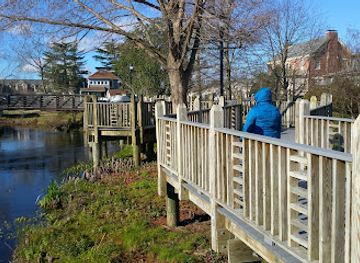
Mispillion Riverwalk
Discover Milford's charm along the Mispillion Riverwalk: a scenic path through history, art, and natural beauty in downtown Delaware.
4 min walk · 0.3 km from city centre
-
Non-profit organization
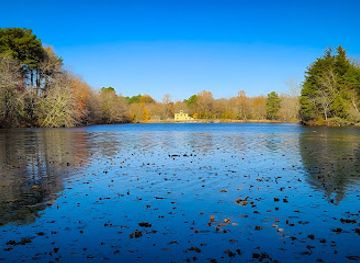
Abbott's Mill Nature Center of Delaware Nature Society
Discover Delaware's milling history and natural beauty at Abbott's Mill Nature Center, featuring trails, wildlife, and a historic gristmill.
15 min drive · 4.9 km from city centre
-
Tourist attraction
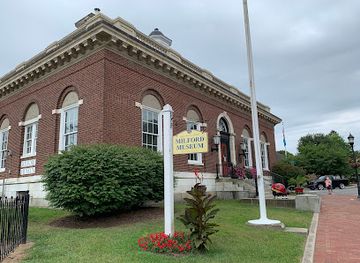
Milford Museum
Explore the captivating history of Milford, Delaware at the free Milford Museum, where local heritage comes to life through engaging exhibits and artifacts.
2 min walk · 0.2 km from city centre
-
Tourist attraction
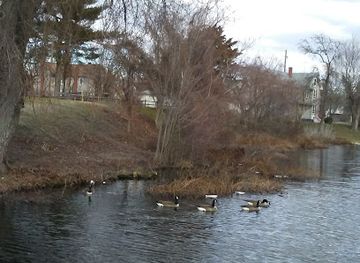
Parson Thorne Mansion
Explore the Parson Thorne Mansion in Milford, DE: A Georgian-style treasure with centuries of Delaware history and stories to discover.
8 min walk · 0.6 km from city centre
Best landmarks in Milford
The Mispillion River is Milford's defining natural landmark, the waterway around which its mills, commerce and riverfront public spaces developed. The Parson Thorne Mansion, a substantial nineteenth-century residence, represents the prosperity and architectural ambitions of the town's established families and preserves an important domestic setting. The Milford Museum occupies a historic downtown building and provides a civic landmark as well as a repository for local memory. The Milford Theater is significant as a surviving entertainment venue within the historic centre, linking the town's architectural heritage with contemporary cultural life. Older commercial buildings along Main Street and Walnut Street complete the townscape, showing how shops, offices and homes accumulated around the river-based economy. Together, these places explain Milford's identity more clearly than any single monument: it is a town whose landmarks are woven into an inhabited historic streetscape.
-
Pizza
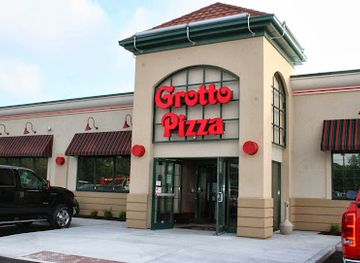
Grotto Pizza
Discover Grotto Pizza in Milford, Delaware, where delicious pizzas and a family-friendly atmosphere meet for the ultimate dining experience.
7 min drive · 2.3 km from city centre
-
Restaurant
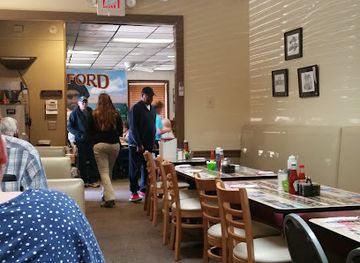
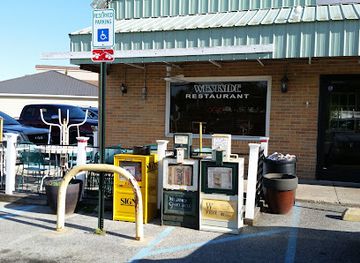
Westside Restaurant
Experience the best of American breakfast at Westside Restaurant in Milford, DE - a local favorite for delicious food and friendly service.
2 min walk · 0.2 km from city centre
-
Pizza
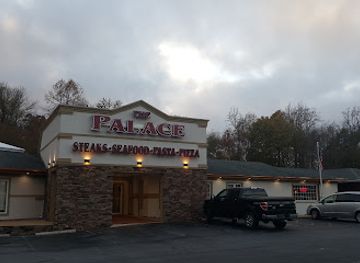
The Palace
Experience a culinary journey at The Palace in Milford, where delicious pizza, fresh seafood, and succulent steaks await your palate.
16 min walk · 1.3 km from city centre
-
Shopping mall
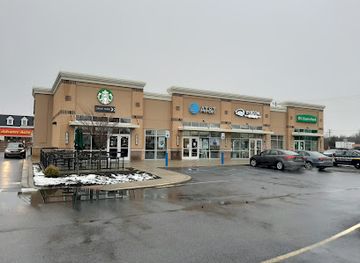
Milford Plaza
Discover the vibrant Milford Plaza, a shopping haven in Delaware, where unique boutiques meet diverse dining experiences for an unforgettable visit.
16 min walk · 1.2 km from city centre


Explore Milford on the map
Plan your Milford trip on one map. See where the top attractions, landmarks, restaurants, bars and hotels are, find what's near where you're staying, and book hotels and experiences in a few clicks.
Best hotels in Milford
Best restaurants in Milford
Milford's dining scene reflects the cooking of the Mid-Atlantic and the town's position between Delaware's farming country and the coast. Menus commonly draw on seafood, poultry, seasonal vegetables and familiar American comfort food, while cafés, bakeries and casual lunch spots serve the needs of a small but active downtown. Restaurants around the historic centre make use of older commercial buildings and provide the most convenient setting for eating between visits to the riverfront and museums. Regional seafood traditions, including crab and oysters when in season, sit alongside burgers, sandwiches and contemporary American dishes rather than forming a single narrowly defined cuisine. Established local restaurants such as Abbott's Grill contribute to the town's independent dining identity, while food trucks, community events and nearby farm products broaden the options without giving Milford the scale of a major gastronomic destination.
-
Fast Food
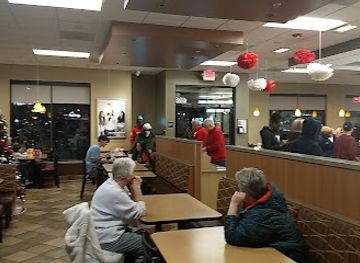
Chick-fil-A
Experience the best of fast food at Chick-fil-A Milford—delicious chicken sandwiches served with genuine Southern hospitality.
16 min walk · 1.3 km from city centre
-
Pizza
Grotto Pizza
Discover Grotto Pizza in Milford for delicious Italian cuisine in a family-friendly atmosphere with sports bar vibes.
7 min drive · 2.3 km from city centre
-
Restaurant
Westside Restaurant
Discover delicious comfort food at Westside Restaurant in Milford - where affordability meets flavor in a warm, welcoming setting.
2 min walk · 0.2 km from city centre
-
Pizza
The Palace
Discover The Palace in Milford: A delightful fusion of pizza, seafood, and steak dining awaits you in Delaware's charming city.
16 min walk · 1.3 km from city centre
Best bars in Milford
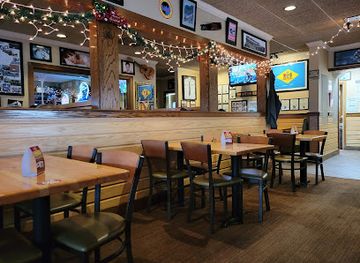
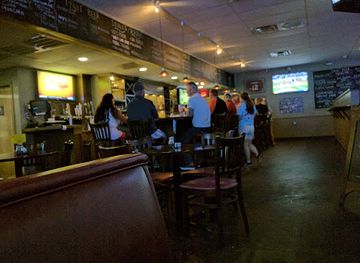
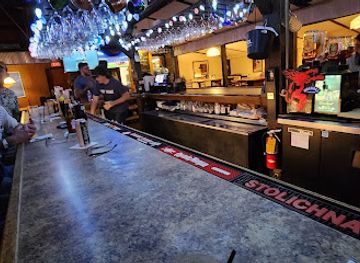
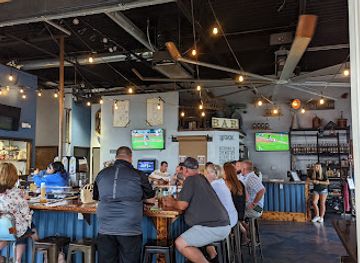
Milford's evening scene is modest and locally oriented rather than built around large nightclubs. Downtown restaurants and bars provide places for dinner, drinks and conversation, with activity often concentrated around the historic commercial streets and shaped by community events. The Milford Theater offers an alternative to a conventional night out through film, performances and cultural programming, while seasonal festivals and live events can bring music and social activity to public spaces. Visitors seeking late-night clubbing will find a quieter atmosphere than in Wilmington, Philadelphia or the coastal resort towns; evenings in Milford are more often spent at a restaurant, a neighbourhood bar, a performance or a riverside event. Opening times and entertainment schedules vary, particularly outside peak seasons, so checking local listings is important when planning a night out.
-
Pizza
Grotto Pizza
Discover the rich flavors of Italy at Grotto Pizza in Milford, where family, friends, and fun come together over delicious slices.
7 min drive · 2.3 km from city centre
-
Restaurant
Westside Restaurant
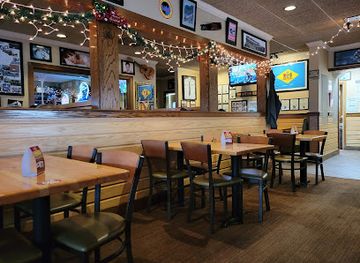
Experience the charm of Milford with delightful breakfast and lunch options at Westside Restaurant, a local favorite for tasty meals and friendly service.
2 min walk · 0.2 km from city centre
-
Restaurant
Applebee's Grill + Bar
Experience the flavors of America at Applebee's Grill + Bar in Milford, Delaware, where delicious food meets a welcoming atmosphere.
16 min walk · 1.3 km from city centre
-
Restaurant
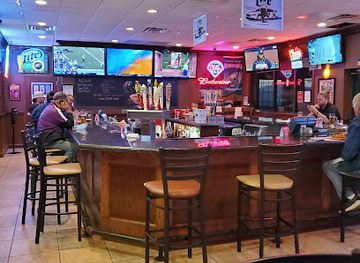
Arena's Milford
Arena's Milford: Experience the heart of Delaware dining with delicious sandwiches, family-friendly atmosphere, and vibrant sports bar vibes.
6 min walk · 0.5 km from city centre
Best nightclubs in Milford
Milford's evening scene is modest and locally oriented rather than built around large nightclubs. Downtown restaurants and bars provide places for dinner, drinks and conversation, with activity often concentrated around the historic commercial streets and shaped by community events. The Milford Theater offers an alternative to a conventional night out through film, performances and cultural programming, while seasonal festivals and live events can bring music and social activity to public spaces. Visitors seeking late-night clubbing will find a quieter atmosphere than in Wilmington, Philadelphia or the coastal resort towns; evenings in Milford are more often spent at a restaurant, a neighbourhood bar, a performance or a riverside event. Opening times and entertainment schedules vary, particularly outside peak seasons, so checking local listings is important when planning a night out.
-
Restaurant
Applebee's Grill + Bar
Discover hearty American meals and a welcoming atmosphere at Applebee's Grill + Bar in Milford, perfect for families and friends.
16 min walk · 1.3 km from city centre
-
Restaurant
Arena's Milford
Discover Arena's Milford, where delicious sandwiches meet sports excitement in a family-friendly atmosphere in the heart of Delaware.
6 min walk · 0.5 km from city centre
-
Lounge
Park Place Restaurant & Lounge
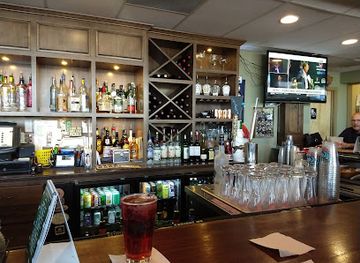
Discover the vibrant flavors and welcoming atmosphere at Park Place Restaurant & Lounge, Milford's go-to spot for delicious meals and great company.
5 min walk · 0.4 km from city centre
-
Brewpub
Easy Speak Spirits
Discover the perfect blend of craft beers and artisanal spirits at Easy Speak Spirits in Milford, Delaware, where great taste meets a welcoming atmosphere.
7 min drive · 2.4 km from city centre
Best shops in Milford
Shopping in Milford is centred on the historic downtown rather than a large enclosed retail complex. Independent shops, galleries, antique dealers and small service businesses occupy older buildings around Main Street, Walnut Street and the adjoining blocks, giving browsing a distinctly local rhythm. Visitors may find regional food products, Delaware-themed gifts, decorative arts, books, vintage objects and work by local or nearby makers, although stock changes frequently and smaller businesses may keep limited hours. The downtown setting makes it easy to combine shopping with the Riverwalk, museums and cafés, while larger everyday retail needs are served by commercial areas outside the historic core. Milford's appeal lies less in high-end department-store shopping than in the relationship between independent retail, community enterprise and the preserved architecture of a traditional Delaware town.
-
Department store
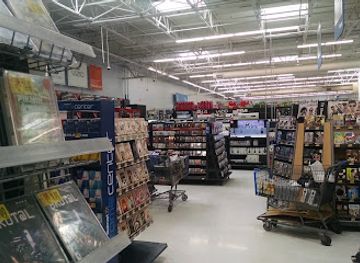
Walmart Supercenter
Explore Walmart Supercenter in Milford, Delaware for an all-in-one shopping experience offering groceries, clothing, electronics, and more at affordable prices.
7 min drive · 2.2 km from city centre
-
Shopping mall
Milford Plaza
Explore Milford Plaza - your go-to shopping mall in Delaware offering diverse stores, delicious dining, and local events for an unforgettable experience.
16 min walk · 1.2 km from city centre
-
Bakery
My Sister’s Fault - Milford
Discover the delightful flavors of My Sister’s Fault Bakery in Milford, where every bite is a sweet memory waiting to happen.
3 min walk · 0.3 km from city centre
-
Tobacco shop
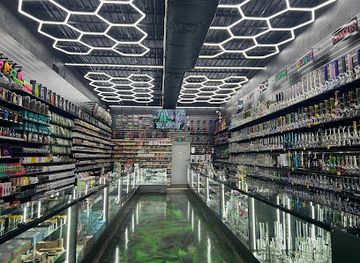
Marley’s Smoke Shop
Discover the finest selection of tobacco products at Marley’s Smoke Shop in Milford, DE. A must-visit for enthusiasts and newcomers alike.
15 min walk · 1.2 km from city centre

Get your free copy of our complete guide to Milford, delivered straight to you.
Everything on this page, from attractions and restaurants to essentials and local phrases, in one PDF you can read offline, print or share.
Already have an account? Sign in
Your Milford guide is ready.
We'll send it to · Not you? Sign out

Getting your guide ready…
We are putting together a fresh copy of the Milford guide. This can take up to a minute.
This can take a few moments. If your browser asks, choose Allow so the download can start. You'll find the guide in your Downloads folder.
Nothing happened? Download it again
Sorry, the guide is taking longer than usual. Please try again in a minute, or get it by email instead.
Milford essentials
Currency and Payment
Safety
Emergency Situations
Do's and Don'ts
Local Tips
From Eve
Local phrases worth knowing
You don't need to get them perfect. A few words go a long way, and locals appreciate the effort.
Basics
| English | Local | Say it |
|---|---|---|
| Hello | Howdy | [haw-dee] |
| Goodbye | See ya | [see yuh] |
| Yes | Yep | [yep] |
| No | Nah | [nah] |
| Please/You're welcome | Please/No problem | [pleez/no prob-lem] |
| Thank you | Thanks | [thanks] |
| Excuse me/Sorry | Pardon me/My bad | [par-dun me/my bad] |
| How are you? | How ya doin'? | [how yuh doin] |
| Fine. And you? | Good. You? | [good. yuh] |
| Do you speak English? | Ya speak English? | [ya speak ing-lish] |
| I don't understand | I ain't gettin' ya | [I aint get-tin ya] |
Eating & Drinking
| English | Local | Say it |
|---|---|---|
| I'd like to see the menu, please | Can I check the menu? | [can I chek the menu] |
| I don't eat meat | I don't do meat | [I don do meat] |
| Cheers! | Cheers! | [cheers] |
| I would like to pay, please | I'll settle up now | [I'll set-tle up now] |
Emergencies
| English | Local | Say it |
|---|---|---|
| Help! | Help! | [help] |
| Go away! | Get lost! | [get lost] |
| Call the Police! | Get the cops! | [get the cops] |
| Call a doctor! | Get a doc! | [get a doc] |
| I'm lost | I'm a bit turned around | [I'm a bit turned around] |
| I'm ill | I'm feelin' under the weather | [I'm feelin under the weather] |
Shopping
| English | Local | Say it |
|---|---|---|
| I'd like to buy... | I wanna get... | [I wanna get] |
| I'm just looking | I'm just browsin' | [I'm just browsin] |
| How much is it? | What's the cost? | [whats the cost] |
| That's too expensive | That's too steep | [thats too steep] |
| Can you lower the price? | Can ya knock it down? | [can ya knock it down] |
Time & Numbers
| English | Local | Say it |
|---|---|---|
| What time is it? | What's the time? | [whats the time] |
| It's one o'clock | It's one | [its one] |
| Half past (10) | Ten-thirty | [ten-thirty] |
| Morning | Mornin' | [mornin] |
| Afternoon | Afternoon | [afternoon] |
| Evening | Evenin' | [evenin] |
| Yesterday | Yest'day | [yest-day] |
| Today | Today | [today] |
| Tomorrow | Tomorrer | [tomorrer] |
| 1 | One | [one] |
| 2 | Two | [two] |
| 3 | Three | [three] |
| 4 | Four | [four] |
| 5 | Five | [five] |
| 6 | Six | [six] |
| 7 | Seven | [seven] |
| 8 | Eight | [eight] |
| 9 | Nine | [nine] |
| 10 | Ten | [ten] |
Transport & Directions
| English | Local | Say it |
|---|---|---|
| Where's a/the...? | Where's the...? | [wheres the] |
| What's the address? | What's the addy? | [whats the addy] |
| Can you show me (on the map)? | Can ya show me (on the map)? | [can ya show me (on the map)] |
| When's the next (bus)? | When's the next (bus)? | [whens the next (bus)] |
| A ticket (to ....) | A ticket (to ....) | [a ticket (to)] |
History of Milford
Indigenous Lands and Early Settlement
Before European settlement, the waterways and forests around the Mispillion River formed part of the wider homeland of Indigenous peoples of the Delmarva Peninsula, including communities associated with the Nanticoke and Lenape cultural worlds. The river's tidal reach provided routes for movement, fishing and trade, while its surrounding land supported farming and hunting. English colonists began acquiring land in the region during the late seventeenth century, establishing farms and mills along waterways that connected inland settlements with Delaware Bay. Milford's later development grew from this relationship between accessible water, fertile land and transport, rather than from a single planned colonial foundation.
Mills on the Mispillion
The settlement's early identity was closely connected with milling on the Mispillion River. A gristmill associated with Joseph Oliver in the late eighteenth century helped draw commercial activity to the area, processing grain from surrounding farms and encouraging roads, workshops and houses to cluster nearby. The name Milford came to be used for the community, and the town was incorporated in the early nineteenth century. Waterpower remained central to local prosperity, while the river's navigable lower reaches also linked Milford with nearby settlements and the wider waterways of southern Delaware.
Commerce, Shipping and Town Growth
During the nineteenth century Milford expanded beyond its milling origins. Small-scale shipbuilding and river commerce developed along the Mispillion, and merchants supplied an increasingly productive agricultural hinterland. The town's streets acquired the houses, shops, churches and public buildings that still give the historic centre much of its visual character. Trade in grain, timber and farm produce connected Milford with Delaware Bay and regional markets, while improvements in roads and later rail transport reduced the community's dependence on river shipping. The surviving nineteenth-century buildings reflect this period of commercial confidence and population growth.
Railways and Agricultural Industry
Rail connections in the later nineteenth century strengthened Milford's position as a service and distribution centre for surrounding farms. Improved transport helped move agricultural goods to larger markets and supported businesses dealing in supplies, machinery and food processing. Like other Delaware towns, Milford was affected by the expansion of peach cultivation and canning, industries that became important across the state during the nineteenth and early twentieth centuries. The new commercial connections altered the balance between river and land transport, but the Mispillion remained an enduring geographic and cultural reference point.
Preserving a River Town
Twentieth-century changes in transport, retailing and agriculture shifted much economic activity away from Milford's historic core, yet the town retained a substantial collection of older buildings and a strong civic identity. Local preservation work, museums and community organisations have kept attention on the riverfront and the architectural fabric of downtown. The Milford Riverwalk interprets and reopens the Mispillion as public space, while the Parson Thorne Mansion and Milford Museum preserve different aspects of the town's social and material history. Contemporary Milford consequently presents its past not as a reconstructed spectacle, but as part of an inhabited small-town landscape.
Milford in Photos
Browse through our photo collection highlighting the charm and character of the destination.
Cities near Milford
The closest cities to Milford, if you have time for more than one stop.
-

-

-

-
-


Swipe for more cities
Explore more
Explore more of Delaware
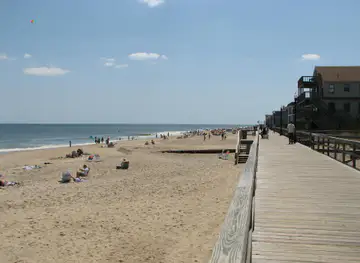
Discover Delaware: From historic sites and serene beaches to culinary delights and scenic parks, this small state offers big experiences for every traveler.
Explore Delaware