

Free Lewes Travel Guide & Mobile App
Plan your Lewes trip with Evendo. Get free guides to top attractions, restaurants, hotels, and bars. Web access or download the mobile app.


Lewes, Delaware blends colonial history, maritime heritage, beaches and Cape Henlopen landscapes with walkable streets, museums and coastal culture.
Colonial Beginnings and Coastal Character
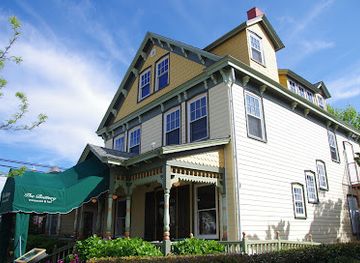
Lewes occupies a sheltered position where Delaware Bay meets the Atlantic coast, giving the town a character shaped by water, trade and changing tides. Founded by Dutch settlers as Zwaanendael in 1631, it is widely regarded as Delaware’s first European settlement and today preserves one of the state’s most atmospheric historic districts. Colourful nineteenth-century houses, shaded streets and carefully maintained civic buildings extend around Second Street and the older lanes near the canal, while the waterfront recalls Lewes’s long relationship with shipping and fishing.Read more about Lewes
Maritime Heritage and Historic Streets
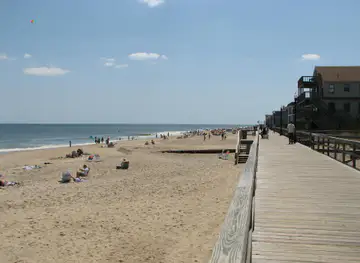
Beaches, Trails and Cape Henlopen
When is the best time to visit Lewes?
Best: May–June, September · 22–27°C| Month | High (°C) | Rainfall (mm) |
|---|---|---|
| January | 4 | 80 |
| February | 6 | 70 |
| March | 11 | 85 |
| April | 16 | 80 |
| May (best) | 22 | 90 |
| June (best) | 27 | 90 |
| July | 30 | 100 |
| August | 29 | 100 |
| September (best) | 24 | 95 |
| October | 18 | 85 |
| November | 12 | 80 |
| December | 7 | 85 |
Getting to and around Lewes
How to get there
Transportation
Best attractions in Lewes
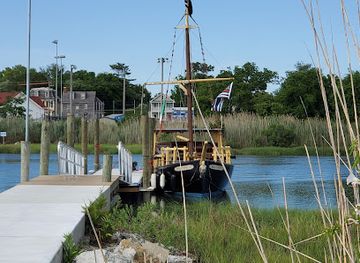
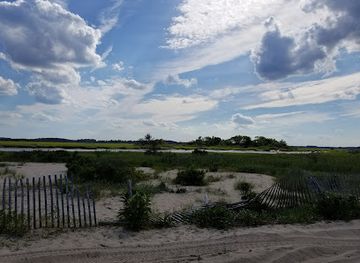
Lewes’s principal attractions combine maritime history with a coastal landscape. The Zwaanendael Museum, designed in the manner of a Dutch town hall, introduces the town’s early colonial story and relationship with Delaware Bay. The Lewes Historical Society interprets the community through preserved properties such as the Ryves Holt House and Burton-Ingram House, offering a closer look at domestic and civic life. Along the canal, the lightship Overfalls provides a tangible reminder of the vessels that guided ships through hazardous waters. Cape Henlopen State Park, immediately east of town, adds beaches, dunes, wooded trails and the former military complex of Fort Miles, where coastal defence history is explored. The Junction and Breakwater Trail offers a quieter route through woodland and open countryside towards Rehoboth Beach, while the Cape May–Lewes Ferry turns the bay itself into part of the sightseeing experience.
-
Tourist attraction
The Lewes Historical Society Main Campus
Discover Lewes' captivating past through immersive exhibits, preserved architecture, and engaging historical reenactments at the Lewes Historical Society.
5 min walk · 0.4 km from city centre
-
Tour operator
Pirates of Lewes
Set sail on a swashbuckling adventure! Interactive pirate cruises down the Lewes Canal for family-friendly fun and treasure hunting.
11 min walk · 0.9 km from city centre
-
Tourist attraction
Great Marsh Preserve
Discover scenic trails, diverse wildlife, and tranquil beauty at Great Marsh Preserve, a coastal haven in Lewes, Delaware.
12 min drive · 3.9 km from city centre
-
Tourist attraction
Stango Park
Discover a vibrant mix of nature, culture, and community at Lewes' beloved Stango Park.
11 min walk · 0.8 km from city centre
Best landmarks in Lewes
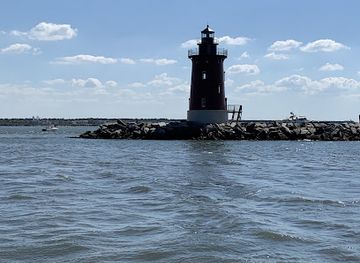
Lewes’s landmarks express its layered maritime and colonial identity. The Zwaanendael Museum is recognisable for its stepped Dutch-inspired form and commemorates the settlement established as Zwaanendael in 1631. The Ryves Holt House, traditionally dated to the seventeenth century, is one of the town’s most important surviving reminders of early colonial domestic architecture. The lightship Overfalls, displayed beside the canal, represents the practical navigation system that protected ships approaching Delaware Bay, while the offshore Delaware Breakwater and Harbor of Refuge lighthouses belong to the wider maritime setting beyond the town’s streets. In the historic district, nineteenth-century houses, churches and civic buildings create a coherent record of Lewes’s growth as a port and community. At Cape Henlopen, Fort Miles adds a twentieth-century military layer, linking the town’s geography with the defence of the Delaware Bay approaches.
-
State park
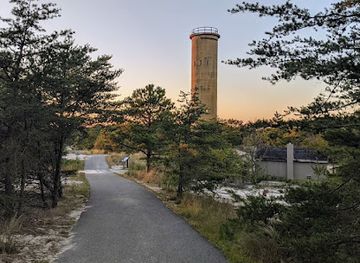
Cape Henlopen State Park
Experience the natural beauty and rich history of Cape Henlopen State Park, a coastal gem in Delaware perfect for outdoor adventures and relaxation.
10 min drive · 3.2 km from city centre
-
Sightseeing tour agency
Cape Water Tours and Taxi
Discover the beauty of Lewes, Delaware on the water with Cape Water Tours—an unforgettable sightseeing experience of nature's wonders.
6 min walk · 0.5 km from city centre
-
Pub
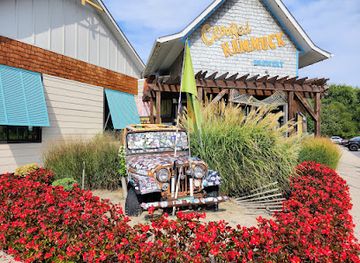
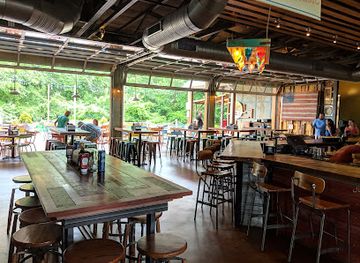
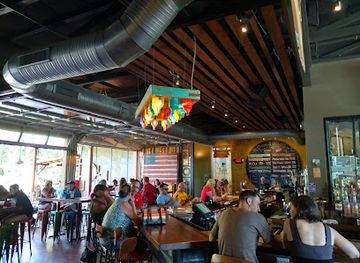
Crooked Hammock Brewery
Experience the perfect blend of craft beer and delicious cuisine at Crooked Hammock Brewery in Lewes, Delaware – your go-to pub for fun and flavor.
10 min drive · 3.3 km from city centre
-
Bar
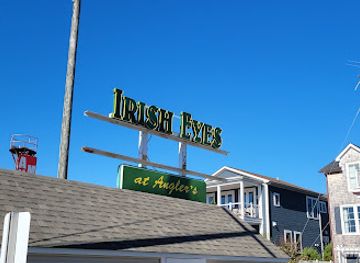
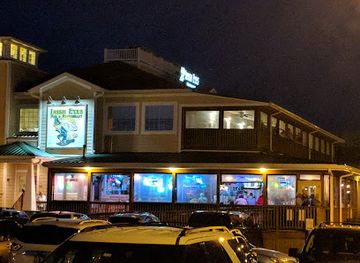
Irish Eyes Pub & Restaurant
Experience authentic Irish hospitality and delightful cuisine at Irish Eyes Pub & Restaurant in Lewes, Delaware, a must-visit for every traveler.
5 min walk · 0.4 km from city centre
Explore Lewes on the map
Plan your Lewes trip on one map. See where the top attractions, landmarks, restaurants, bars and hotels are, find what's near where you're staying, and book hotels and experiences in a few clicks.
Best hotels in Lewes
Best restaurants in Lewes
Lewes’s dining scene reflects its position between Delaware Bay, the Atlantic coast and the agricultural interior. Seafood is central, with local and regional menus commonly built around oysters, clams, crab, fish and other produce from nearby waters, alongside familiar Mid-Atlantic preparations. The historic centre around Second Street contains cafés, bakeries, ice-cream shops and independent restaurants, while the canalfront and roads leading towards the beaches offer further choices. Casual seafood houses suit a relaxed coastal meal, whereas contemporary restaurants reinterpret regional ingredients with seasonal produce from Delaware farms. Farmers’ markets and speciality food shops add opportunities to encounter local honey, preserves, baked goods and other products, though their schedules vary through the year. Dining is strongly seasonal, and summer evenings can be busy; outside the main visitor period, the town’s food culture tends to feel more local and unhurried.
-
Pizza
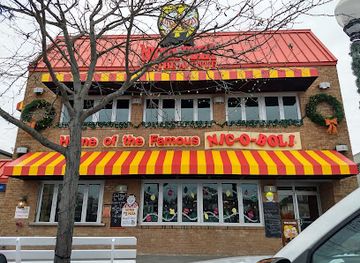
Nicola Pizza
Discover delicious pizza and authentic Italian cuisine at Nicola Pizza in Lewes - perfect for family meals and casual dining.
11 min drive · 3.7 km from city centre
-
Barbecue
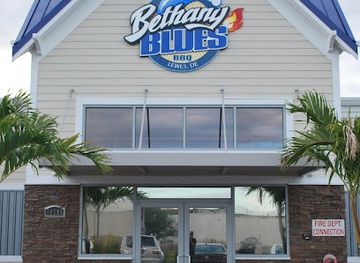
Bethany Blues
Experience the best of Southern barbecue at Bethany Blues in Lewes, DE—where flavor meets family-friendly dining.
11 min drive · 3.8 km from city centre
-
Seafood
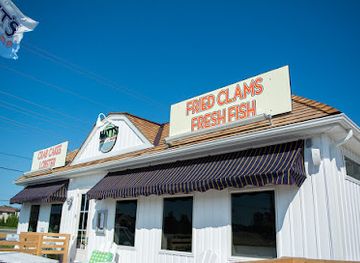
Matt's Fish Camp Lewes
Discover fresh seafood delights at Matt's Fish Camp Lewes - where local flavors meet coastal charm in every bite.
11 min drive · 3.7 km from city centre
-
Restaurant
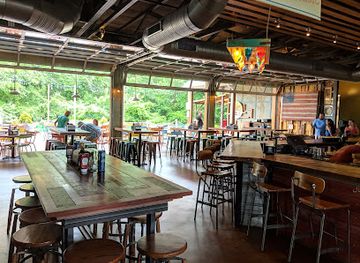
Crooked Hammock Brewery
Discover Crooked Hammock Brewery in Lewes, DE - A unique destination blending craft beer culture with laid-back beach vibes.
10 min drive · 3.3 km from city centre
Best bars in Lewes
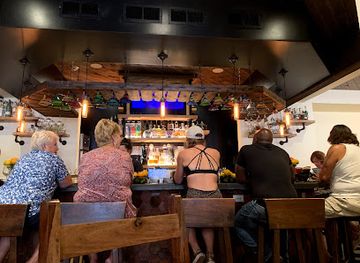
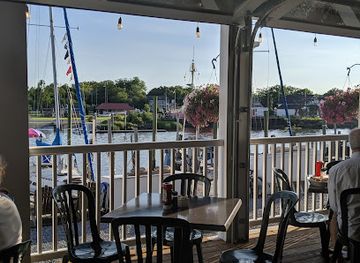
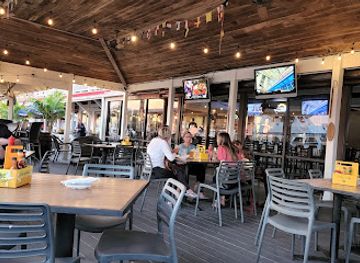
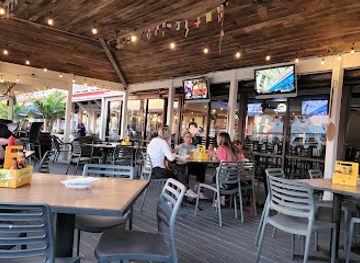
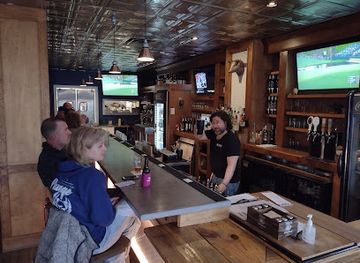
Lewes has a sociable but relatively restrained evening scene rather than the large club culture associated with major resort cities. Around Second Street and the waterfront, visitors find restaurants with bars, casual taverns, breweries and places suited to cocktails, local beer or a quiet glass of wine. Summer brings fuller outdoor terraces and more activity around the beach communities, while off-season evenings are notably quieter. Live music and community performances may appear at local venues or as part of seasonal programming, but schedules change and should be checked locally. The town’s historic streets are pleasant for an after-dinner stroll, although late-night transport can be limited outside the centre. Visitors seeking a broader choice of bars, music and resort entertainment often look towards nearby Rehoboth Beach, while Lewes itself is better suited to relaxed evenings and early starts by the coast.
-
Pub
Crooked Hammock Brewery
Discover the vibrant atmosphere and craft brews at Crooked Hammock Brewery, where community and flavor collide in Lewes, Delaware.
10 min drive · 3.3 km from city centre
-
Mexican
Agave Mexican Restaurant
Indulge in authentic Mexican flavors at Agave Mexican Restaurant in Lewes, a vibrant dining spot offering gourmet dishes and a welcoming atmosphere.
2 min walk · 0.1 km from city centre
-
Bar
Irish Eyes Pub & Restaurant
Discover the heart of Irish culture at Irish Eyes Pub & Restaurant in Lewes, Delaware, where delightful cuisine meets a lively atmosphere.
5 min walk · 0.4 km from city centre
-
Grill
Wheelhouse
Experience the best of grill and seafood dining at Wheelhouse in Lewes, Delaware – where fresh flavors meet a vibrant coastal atmosphere.
3 min walk · 0.3 km from city centre
Best nightclubs in Lewes
Lewes has a sociable but relatively restrained evening scene rather than the large club culture associated with major resort cities. Around Second Street and the waterfront, visitors find restaurants with bars, casual taverns, breweries and places suited to cocktails, local beer or a quiet glass of wine. Summer brings fuller outdoor terraces and more activity around the beach communities, while off-season evenings are notably quieter. Live music and community performances may appear at local venues or as part of seasonal programming, but schedules change and should be checked locally. The town’s historic streets are pleasant for an after-dinner stroll, although late-night transport can be limited outside the centre. Visitors seeking a broader choice of bars, music and resort entertainment often look towards nearby Rehoboth Beach, while Lewes itself is better suited to relaxed evenings and early starts by the coast.
-
Pub
Crooked Hammock Brewery
Discover the unique brewpub experience at Crooked Hammock Brewery in Lewes, DE, where craft beer and delicious food meet lively entertainment.
10 min drive · 3.3 km from city centre
-
Bar
Irish Eyes Pub & Restaurant
Discover the charm of Ireland at Irish Eyes Pub & Restaurant in Lewes, Delaware, offering traditional cuisine and a vibrant atmosphere for all.
5 min walk · 0.4 km from city centre
-
Grill
Wheelhouse
Experience the best of coastal cuisine at Wheelhouse in Lewes, Delaware, where fresh seafood meets a vibrant grill atmosphere.
3 min walk · 0.3 km from city centre
-
Grill
Pig & Publican
Discover the unique flavors of Lewes, DE at Pig & Publican, a grill restaurant offering a delightful culinary experience with local ingredients.
6 min walk · 0.5 km from city centre
Best shops in Lewes
Shopping in Lewes centres on the historic Second Street area, where independent boutiques, galleries, bookshops, jewellery retailers, homeware stores and cafés occupy a walkable setting of older buildings and tree-lined streets. The town’s retail character is more individual and seasonal than that of a large shopping centre, with coastal clothing, art, nautical objects, gifts and locally made goods particularly prominent. Visitors may also find Delaware food products, handmade crafts, ceramics, photography and other work by regional artists. Shops and markets outside the central district extend the choice, while nearby coastal communities provide larger concentrations of beachwear and resort retail. Lewes’s shopping is best understood alongside its preservation story: browsing takes place amid streets and buildings that retain the scale of an old port town, rather than in a purpose-built commercial quarter.
-
Department store
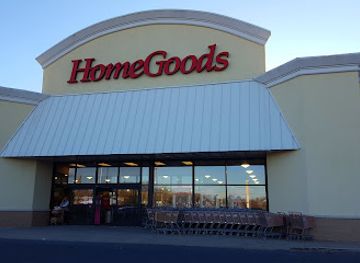
HomeGoods
Explore HomeGoods in Lewes, DE - your ultimate destination for unique home decor and stylish essentials at affordable prices.
11 min drive · 3.6 km from city centre
-
Home goods store
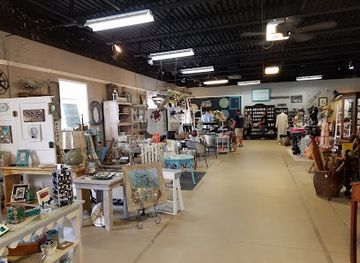
The Brush Factory on Kings
Explore the eclectic and artistic treasures at The Brush Factory on Kings, a unique shopping haven in Lewes, Delaware, perfect for every vintage lover.
5 min drive · 1.5 km from city centre
-
Metaphysical supply store
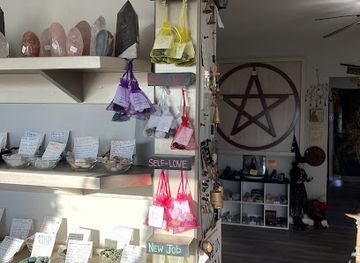
Mandie's Magical Marketplace
Explore Mandie's Magical Marketplace in Lewes, DE: Your ultimate destination for metaphysical supplies, crystals, and spiritual tools.
17 min walk · 1.4 km from city centre
-
Thrift store
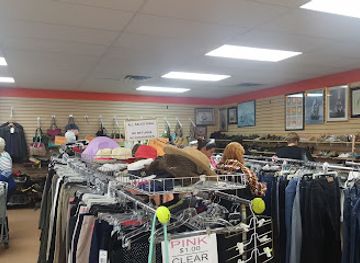
New Life Thrift Shop
Explore New Life Thrift Shop in Lewes, DE, where unique finds and community support come together for an unforgettable shopping experience.
11 min drive · 3.8 km from city centre
Get your free copy of our complete guide to Lewes, delivered straight to you.
Everything on this page, from attractions and restaurants to essentials and local phrases, in one PDF you can read offline, print or share.
Already have an account? Sign in
Your Lewes guide is ready.
We'll send it to · Not you? Sign out

Getting your guide ready…
We are putting together a fresh copy of the Lewes guide. This can take up to a minute.
This can take a few moments. If your browser asks, choose Allow so the download can start. You'll find the guide in your Downloads folder.
Nothing happened? Download it again
Sorry, the guide is taking longer than usual. Please try again in a minute, or get it by email instead.
Lewes essentials
Currency and Payment
Safety
Emergency Situations
Do's and Don'ts
Local Tips
From Eve
Local phrases worth knowing
You don't need to get them perfect. A few words go a long way, and locals appreciate the effort.
Basics
| English | Local | Say it |
|---|---|---|
| Hello | Hey | [hey] |
| Goodbye | See ya | [see ya] |
| Yes | Yup | [yup] |
| No | Nope | [nope] |
| Please/You're welcome | Please/No problem | [please/no problem] |
| Thank you | Thanks | [thanks] |
| Excuse me/Sorry | Sorry | [sorry] |
| How are you? | How ya doin'? | [how ya doin'] |
| Fine. And you? | Good. You? | [good. you?] |
| Do you speak English? | Speak English? | [speak english?] |
| I don't understand | I don't get it | [I don't get it] |
Eating & Drinking
| English | Local | Say it |
|---|---|---|
| I'd like to see the menu, please | Can I see the menu? | [can I see the menu?] |
| I don't eat meat | I don't eat meat | [I don't eat meat] |
| Cheers! | Cheers! | [cheers!] |
| I would like to pay, please | Can I pay, please | [can I pay, please] |
Emergencies
| English | Local | Say it |
|---|---|---|
| Help! | Help! | [help!] |
| Go away! | Get lost! | [get lost!] |
| Call the Police! | Call the cops! | [call the cops!] |
| Call a doctor! | Call a doc! | [call a doc!] |
| I'm lost | I'm lost | [I'm lost] |
| I'm ill | I'm sick | [I'm sick] |
Shopping
| English | Local | Say it |
|---|---|---|
| I'd like to buy... | I wanna buy... | [I wanna buy...] |
| I'm just looking | Just browsing | [just browsing] |
| How much is it? | How much? | [how much?] |
| That's too expensive | Too pricey | [too pricey] |
| Can you lower the price? | Can you do a deal? | [can you do a deal?] |
Time & Numbers
| English | Local | Say it |
|---|---|---|
| What time is it? | What time is it? | [what time is it?] |
| It's one o'clock | It's one | [it's one] |
| Half past (10) | Half past ten | [half past ten] |
| Morning | Morning | [morning] |
| Afternoon | Afternoon | [afternoon] |
| Evening | Evening | [evening] |
| Yesterday | Yesterday | [yesterday] |
| Today | Today | [today] |
| Tomorrow | Tomorrow | [tomorrow] |
| 1 | One | [one] |
| 2 | Two | [two] |
| 3 | Three | [three] |
| 4 | Four | [four] |
| 5 | Five | [five] |
| 6 | Six | [six] |
| 7 | Seven | [seven] |
| 8 | Eight | [eight] |
| 9 | Nine | [nine] |
| 10 | Ten | [ten] |
Transport & Directions
| English | Local | Say it |
|---|---|---|
| Where's a/the...? | Where's the...? | [where's the...?] |
| What's the address? | What's the address? | [what's the address?] |
| Can you show me (on the map)? | Show me (on the map)? | [show me (on the map)?] |
| When's the next (bus)? | When's the next (bus)? | [when's the next (bus)?] |
| A ticket (to ....) | A ticket to ... | [a ticket to ...] |
History of Lewes
Zwaanendael and the First Settlement
In 1631, the Dutch West India Company established the colony of Zwaanendael on the shore of Delaware Bay, near present-day Lewes. The settlement was intended to support whaling and trade, but its small population was killed after a conflict with local Indigenous people. The colony did not survive, yet the attempt marked the beginning of permanent European colonisation in what became Delaware. The area remained strategically important because of its position at the mouth of Delaware Bay, where ships entering the river and bay encountered coastal currents, shoals and changing weather. The name Zwaanendael is commemorated by the town’s museum, whose Dutch-inspired architecture reflects this early chapter rather than preserving the original settlement itself.
English Rule and Colonial Lewes
English control replaced Dutch authority in the region in the 1660s, and the settlement developed within the colonies that eventually became Delaware. Lewes grew as a port and local administrative centre, supported by fishing, trade and maritime traffic along Delaware Bay. Its position also made it vulnerable during periods of conflict: in 1776, during the American Revolution, British naval forces attacked the town, and local defenders returned fire from the shore. The community’s colonial identity remains visible in historic properties such as the Ryves Holt House, traditionally dated to the seventeenth century and recognised as one of Delaware’s oldest surviving houses. Lewes’s street plan and waterfront continue to reflect its early dependence on the sea.
A Port Shaped by the Bay
During the nineteenth century, Lewes developed as a maritime community whose economy connected fishing, pilotage, shipbuilding, agriculture and coastal commerce. The town’s harbour and nearby waterways supported vessels moving through Delaware Bay, while the arrival of improved transport links broadened connections with inland markets. Houses, commercial buildings and churches constructed during this period created much of the architectural character now associated with the historic district. The town also became associated with lifesaving and navigation in the difficult waters around Cape Henlopen. This maritime role survives in the preserved lightship Overfalls, a former lightship that served as a floating aid to navigation and is now displayed near the canal.
The Delaware Breakwater and Modern Navigation
The construction of the Delaware Breakwater in the nineteenth century transformed the waters near Lewes by creating a protected anchorage for ships seeking shelter in Delaware Bay. Additional harbour works and navigation improvements strengthened the town’s role as a refuge and maritime service point. The offshore Delaware Breakwater East End Lighthouse and Harbor of Refuge Lighthouse belong to this wider navigational landscape, although they are not ordinary town-centre buildings. Lewes’s maritime history also includes the Cape May–Lewes ferry connection, which linked Delaware with New Jersey across the mouth of the bay. These developments shifted the town from a small colonial port towards a community where commercial navigation, fishing, ferries and coastal recreation shared the same waters.
Preservation, Recreation and the Coastal Town
In the twentieth century, Lewes’s identity increasingly combined historic preservation with coastal recreation. Cape Henlopen, long valued for its strategic position, became a state park in 1964, preserving beaches, dunes and former military landscapes for public use. During the Second World War, the area formed part of a defence network guarding the Delaware Bay approaches; Fort Miles, now interpreted within Cape Henlopen State Park, recalls that history. The town’s historic buildings and maritime artefacts were progressively documented and protected by local preservation organisations, while tourism, beach visits and the ferry brought new economic importance. Contemporary Lewes therefore presents several overlapping histories: Indigenous and colonial encounter, seafaring, coastal defence, conservation and the evolution of a small Delaware town into a popular seasonal destination.
Lewes in Photos
Browse through our photo collection highlighting the charm and character of the destination.
Cities near Lewes
The closest cities to Lewes, if you have time for more than one stop.
-

-
-
 Milford
, Delaware, pairs a historic Mispillion River downtown with galleries, local dining, museums, trails and easy access to Delaware’s coast and beaches.
5 h 45 min drive · 325 km from city centre
Milford
Milford, Delaware, pairs a historic Mispillion River downtown with galleries, local dining, museums, trails and easy access to Delaware’s coast and beaches.
5 h 45 min drive · 325 km from city centre
-

-


Swipe for more cities
Explore more
Explore more of Delaware
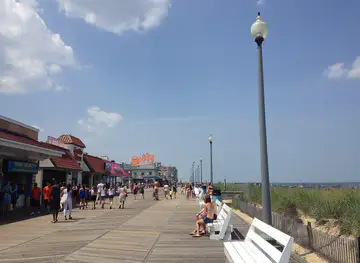
Discover Delaware: From historic sites and serene beaches to culinary delights and scenic parks, this small state offers big experiences for every traveler.
Explore Delaware