

Free Dover Travel Guide & Mobile App
Plan your Dover trip with Evendo. Get free guides to top attractions, restaurants, hotels, and bars. Web access or download the mobile app.


Dover, Delaware blends First State history, civic landmarks, museums, motorsport heritage and nearby wildlife refuges in an easy-going capital city.
A First State Capital
Dover, the capital of Delaware, occupies a central position on the Delmarva Peninsula, where the flat coastal plain is shaped by broad fields, tidal waterways and long-established roads. The city grew around the St Jones River and the historic Dover Green, a pair of handsome public squares that remain the civic heart of the community. Delaware’s importance in the founding of the United States is especially visible here: the state was the first to ratify the US Constitution in 1787, and Dover’s government buildings, museums and monuments trace that story through the people who shaped it.Read more about Dover
History in the City Centre
Museums, Motors and Open Landscapes
When is the best time to visit Dover?
Best: May–June, September · 23–27°C| Month | High (°C) | Rainfall (mm) |
|---|---|---|
| January | 6 | 81 |
| February | 8 | 84 |
| March | 13 | 107 |
| April | 18 | 94 |
| May (best) | 23 | 100 |
| June (best) | 27 | 108 |
| July | 30 | 131 |
| August | 29 | 126 |
| September (best) | 26 | 113 |
| October | 19 | 92 |
| November | 13 | 95 |
| December | 8 | 89 |
Getting to and around Dover
How to get there
Transportation
Best attractions in Dover
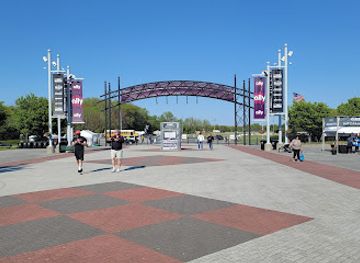
Dover’s principal attractions range from civic history to air power and rural heritage. First State Heritage Park brings together sites around The Green, including the Old State House and the Delaware Legislative Hall area, making the historic centre an approachable introduction to the state’s political story. The Biggs Museum of American Art presents changing exhibitions and a permanent collection within a contemporary gallery setting, while the Johnson Victrola Museum explains Dover’s role in the development and manufacture of recorded sound. At the Delaware Agricultural Museum and Village, historic buildings, machinery and demonstrations illuminate the state’s farming communities. The Air Mobility Command Museum, near Dover Air Force Base, displays large military aircraft and aviation history, and Dover International Speedway gives the city a strong motorsport dimension during race periods. Silver Lake adds a waterside landscape close to central neighbourhoods, while Bombay Hook National Wildlife Refuge, outside Dover, offers marshes and birdwatching for a longer regional outing.
-
Tourist attraction
Spence's bazaar
Discover unique treasures, Amish delights, and auction excitement at Spence's Bazaar, Dover's historic flea market and community hub.
13 min walk · 1.1 km from city centre
-
Tourist attraction
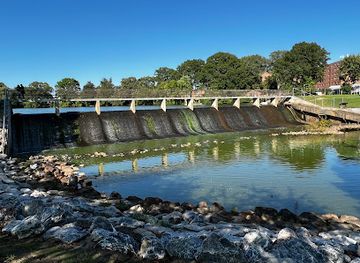
Silver Lake Park
Escape to Dover's scenic Silver Lake Park: a 182-acre oasis with walking trails, fishing, playgrounds, and picnic spots for all to enjoy.
9 min walk · 0.7 km from city centre
-
Tourist attraction
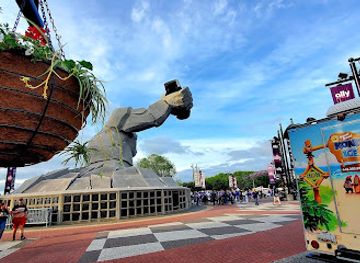
Miles the Monster Statue
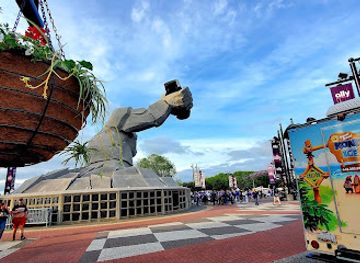
Meet Miles the Monster, Dover's legendary mascot! A towering tribute to NASCAR and the Monster Mile, perfect for photos and racing excitement.
9 min drive · 3.1 km from city centre
-
Tourist attraction
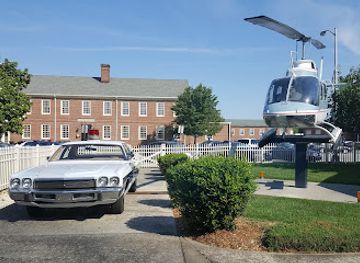
Delaware State Police Museum
Explore a century of Delaware law enforcement history at this Dover museum, featuring vintage vehicles, uniforms, and fascinating exhibits.
12 min drive · 4.1 km from city centre
Best landmarks in Dover
Dover’s landmarks are closely tied to Delaware’s development as an independent state and an early member of the federal union. The Old State House, completed in 1791, stands on The Green as a preserved example of the city’s early governmental architecture, while Legislative Hall represents the continuing work of the state legislature in a larger twentieth-century civic setting. The Green itself, with its adjoining public squares and historic buildings, is central to Dover’s identity. Christ Episcopal Church contributes an important religious presence to the historic district, and the John Bell House reflects the domestic scale of the capital’s older neighbourhoods. The Caesar Rodney statue commemorates the Delaware statesman associated with independence and the Revolutionary era. The Biggs Museum offers a modern architectural counterpoint, and the Johnson Victrola Museum connects Dover’s built heritage with the industrial history of recorded music.
-
Car racing track
Dover Motor Speedway
Discover the excitement at Dover Motor Speedway, where thrilling NASCAR races and family-friendly fun come together in an unforgettable experience.
10 min drive · 3.3 km from city centre
-
Tourist attraction
Miles the Monster Statue
Explore the whimsical Miles the Monster Statue in Dover, Delaware – a vibrant symbol of NASCAR culture perfect for fun photo opportunities.
9 min drive · 3.1 km from city centre
-
Art museum
Biggs Museum of American Art
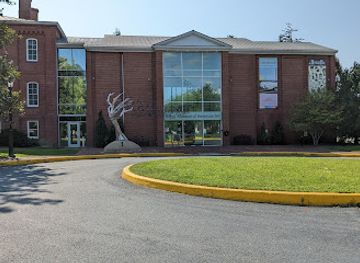
Explore the Biggs Museum of American Art, showcasing historical and contemporary American art in the heart of Dover, Delaware's vibrant cultural scene.
5 min walk · 0.4 km from city centre
-
Museum
Delaware Agricultural Museum
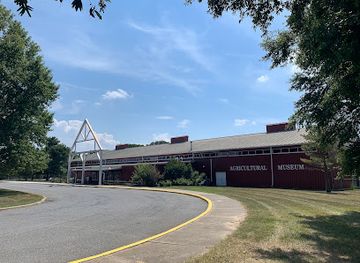
Discover Delaware's agricultural legacy at the Delaware Agricultural Museum, where history, education, and fun come together!
7 min drive · 2.5 km from city centre
Explore Dover on the map
Plan your Dover trip on one map. See where the top attractions, landmarks, restaurants, bars and hotels are, find what's near where you're staying, and book hotels and experiences in a few clicks.
Best hotels in Dover
Best restaurants in Dover
Dover’s food scene reflects central Delaware’s agricultural setting, the wider Delmarva Peninsula and the city’s diverse modern population. Regional traditions include scrapple, a seasoned pork loaf commonly served at breakfast, as well as Chesapeake-influenced seafood, crab dishes and seasonal produce from the surrounding farms. Downtown and the areas along Route 13 contain independent restaurants, cafés, diners and casual international eateries, while Spence’s Bazaar is associated with market food, baked goods and the informal rhythms of a long-running local marketplace. Farm stands and seasonal produce sellers become particularly relevant during the warmer months. Dining is generally relaxed rather than formal, with traditional American meals alongside Asian, Latin American and other cuisines. Dover’s university, government and military communities also contribute to a broader everyday dining culture than the city’s modest size might suggest.
-
Barbecue
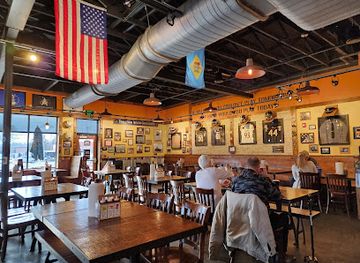
MISSION BBQ
Experience authentic American barbecue at MISSION BBQ in Dover - where every meal is a tribute to tradition and flavor.
17 min walk · 1.3 km from city centre
-
Steak
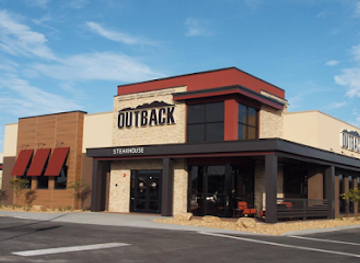
Outback Steakhouse
Experience the unique taste of Australia with delicious steaks and hearty American favorites at Outback Steakhouse in Dover.
14 min drive · 4.7 km from city centre
-
Italian
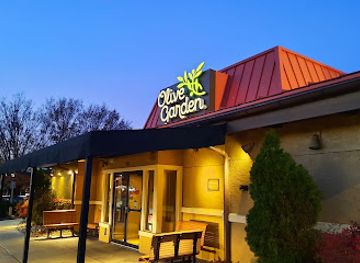
Olive Garden Italian Restaurant
Experience authentic Italian cuisine at Olive Garden in Dover, DE—where family-friendly dining meets delicious flavors.
14 min walk · 1.2 km from city centre
-
Steak
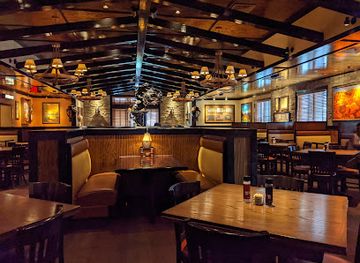
LongHorn Steakhouse
Experience the rich flavors of traditional American cuisine at LongHorn Steakhouse in Dover – where every meal is crafted with care.
5 min drive · 1.6 km from city centre
Best bars in Dover
Dover’s evening scene is relatively restrained, centred on casual bars, restaurants, pub-style venues and entertainment connected with the city’s commercial areas rather than a large nightclub district. Downtown around Loockerman Street and The Green can be pleasant for an evening drink or meal, while venues near Route 13 serve a more car-oriented local crowd. The casino resort at Bally’s Dover provides gaming, dining and scheduled entertainment, and Dover International Speedway brings a markedly busier atmosphere when major racing events draw visitors to the city. Live performances and community events may also take place at civic or cultural venues, although programmes vary. Visitors should expect earlier, quieter evenings outside event periods and should arrange transport in advance if staying beyond the central districts, particularly when relying on buses or app-based services.
-
Pub
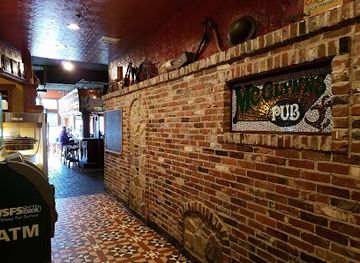
McGlynns Pub - Dover
Discover the charm of McGlynns Pub, a local favorite in Dover offering delicious food, craft beers, and a lively atmosphere for all visitors.
5 min drive · 1.8 km from city centre
-
Sports bar
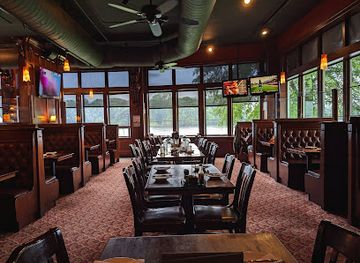
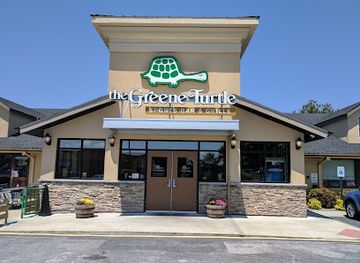
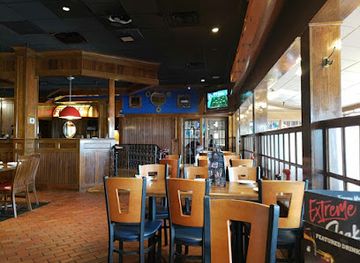
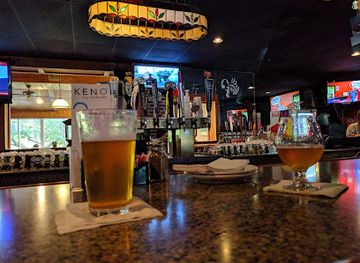
The Greene Turtle Sports Bar & Grille
Experience the ultimate sports bar atmosphere at The Greene Turtle Sports Bar & Grille, where great food meets thrilling game-day excitement in Dover.
17 min walk · 1.4 km from city centre
-
Restaurant
TGI Fridays
Experience the lively atmosphere and delicious American cuisine at TGI Fridays, a perfect dining spot for tourists in Dover, Delaware.
8 min walk · 0.7 km from city centre
-
American
Fraizer's
Discover authentic American cuisine in a charming setting at Fraizer's, Dover's premier restaurant for food lovers and special occasions.
2 min walk · 0.2 km from city centre
Best nightclubs in Dover
Dover’s evening scene is relatively restrained, centred on casual bars, restaurants, pub-style venues and entertainment connected with the city’s commercial areas rather than a large nightclub district. Downtown around Loockerman Street and The Green can be pleasant for an evening drink or meal, while venues near Route 13 serve a more car-oriented local crowd. The casino resort at Bally’s Dover provides gaming, dining and scheduled entertainment, and Dover International Speedway brings a markedly busier atmosphere when major racing events draw visitors to the city. Live performances and community events may also take place at civic or cultural venues, although programmes vary. Visitors should expect earlier, quieter evenings outside event periods and should arrange transport in advance if staying beyond the central districts, particularly when relying on buses or app-based services.
-
Pub
McGlynns Pub - Dover
Discover the vibrant atmosphere and hearty pub fare at McGlynns Pub, a favorite gathering spot in Dover, Delaware, perfect for locals and tourists alike.
5 min drive · 1.8 km from city centre
-
Bar
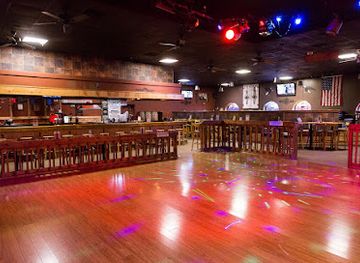
The Boulevard Live Entertainment Restaurant
Discover the dynamic fusion of dining and entertainment at The Boulevard Live in Dover, Delaware, perfect for families and adults alike.
9 min drive · 3.1 km from city centre
-
Sports bar
Tom's Bullpen
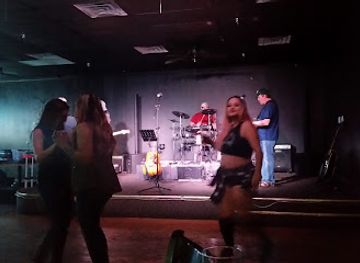
Discover the vibrant atmosphere of Tom's Bullpen in Dover, DE—a top-notch sports bar offering delicious food, drinks, and weekend karaoke fun.
8 min drive · 2.5 km from city centre
-
Pub
The Golden Fleece Tavern
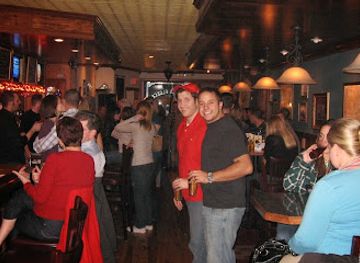
Discover the lively spirit of The Golden Fleece Tavern – where delicious food, refreshing drinks, and exciting entertainment come together in Dover, Delaware.
7 min walk · 0.5 km from city centre
Best shops in Dover
Shopping in Dover combines everyday retail corridors with long-established market traditions. Spence’s Bazaar is the city’s most distinctive shopping experience, bringing together vendors associated with produce, prepared food, household goods, clothing and antiques in a setting that has served local shoppers and visitors for generations. Downtown Dover contains smaller businesses and service shops around Loockerman Street and The Green, while Route 13 and the suburban commercial areas provide larger retailers and practical shopping. Visitors interested in Delaware-related purchases may find regional foods, seasonal farm produce, handmade items and souvenirs rather than a concentrated luxury-shopping district. The city’s agricultural surroundings are evident in farm stands and markets, especially when local produce is in season. Retail patterns are spread out, so a car is useful for combining the historic centre with the wider commercial areas.
-
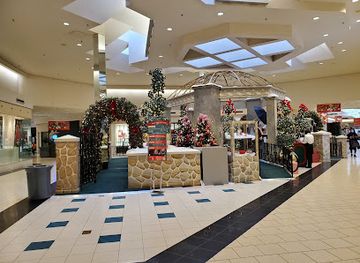
Shopping mall
Dover Mall
Explore Dover Mall, Delaware's premier shopping destination, offering diverse stores, dining, and entertainment for an unforgettable retail experience.
12 min drive · 4.0 km from city centre
-
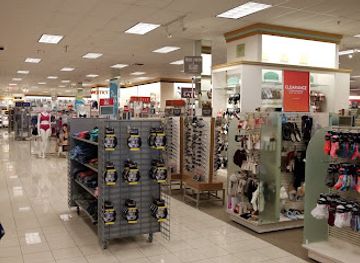
Department store
Boscov's
Discover the ultimate shopping experience at Boscov's in Dover, Delaware, where fashion meets affordability in a welcoming atmosphere.
13 min drive · 4.2 km from city centre
-
Department store
Kohl's
Discover affordable shopping at Kohl's in Dover, Delaware, your go-to department store for clothing and home essentials.
17 min walk · 1.4 km from city centre
-
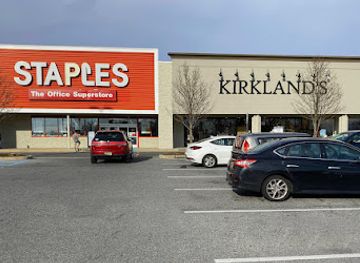
Shopping mall
North Dover Center
Experience the best of shopping, dining, and entertainment at North Dover Center, the ultimate destination in Dover, Delaware.
9 min drive · 2.9 km from city centre

Get your free copy of our complete guide to Dover, delivered straight to you.
Everything on this page, from attractions and restaurants to essentials and local phrases, in one PDF you can read offline, print or share.
Already have an account? Sign in
Your Dover guide is ready.
We'll send it to · Not you? Sign out

Getting your guide ready…
We are putting together a fresh copy of the Dover guide. This can take up to a minute.
This can take a few moments. If your browser asks, choose Allow so the download can start. You'll find the guide in your Downloads folder.
Nothing happened? Download it again
Sorry, the guide is taking longer than usual. Please try again in a minute, or get it by email instead.
Dover essentials
Currency and Payment
Safety
Emergency Situations
Do's and Don'ts
Local Tips
From Eve
Local phrases worth knowing
You don't need to get them perfect. A few words go a long way, and locals appreciate the effort.
Basics
| English | Local | Say it |
|---|---|---|
| Hello | Howdy | [haw-dee] |
| Goodbye | See ya | [see yuh] |
| Yes | Yep | [yep] |
| No | Nah | [nah] |
| Please/You're welcome | Please/No problem | [please/no problem] |
| Thank you | Thanks | [thanks] |
| Excuse me/Sorry | Sorry | [sor-ee] |
| How are you? | How you doin'? | [how yuh doin'] |
| Fine. And you? | I'm good. You? | [ahm good. yuh?] |
| Do you speak English? | Y'all speak English? | [yaw-l speak ing-glish?] |
| I don't understand | I ain't gettin' it | [ah aint get-tin it] |
Eating & Drinking
| English | Local | Say it |
|---|---|---|
| I'd like to see the menu, please | Let me see the menu, please | [let me see the menu, please] |
| I don't eat meat | I don't eat meat | [ah don't eat meat] |
| Cheers! | Cheers! | [cheers] |
| I would like to pay, please | I need to settle up, please | [ah need to settle up, please] |
Emergencies
| English | Local | Say it |
|---|---|---|
| Help! | Help! | [help!] |
| Go away! | Get outta here! | [get out-ta here!] |
| Call the Police! | Call the cops! | [call the cops!] |
| Call a doctor! | Get a doc! | [get a doc!] |
| I'm lost | I'm lost | [ahm lost] |
| I'm ill | I'm sick | [ahm sick] |
Shopping
| English | Local | Say it |
|---|---|---|
| I'd like to buy... | I wanna buy... | [ah wanna buy...] |
| I'm just looking | I'm just lookin' | [ahm just look-in'] |
| How much is it? | How much is this? | [how much is this?] |
| That's too expensive | That's too much | [that's too much] |
| Can you lower the price? | Can ya bring the price down? | [can ya bring the price down?] |
Time & Numbers
| English | Local | Say it |
|---|---|---|
| What time is it? | What time is it? | [what time is it?] |
| It's one o'clock | It's one o'clock | [it's one o'clock] |
| Half past (10) | Half past (10) | [half past (10)] |
| Morning | Morning | [morning] |
| Afternoon | Afternoon | [afternoon] |
| Evening | Evening | [evening] |
| Yesterday | Yesterday | [yesterday] |
| Today | Today | [today] |
| Tomorrow | Tomorrow | [tomorrow] |
| 1 | One | [wun] |
| 2 | Two | [too] |
| 3 | Three | [three] |
| 4 | Four | [four] |
| 5 | Five | [five] |
| 6 | Six | [six] |
| 7 | Seven | [seven] |
| 8 | Eight | [eight] |
| 9 | Nine | [nine] |
| 10 | Ten | [ten] |
Transport & Directions
| English | Local | Say it |
|---|---|---|
| Where's a/the...? | Where's the...? | [where's the...?] |
| What's the address? | What's the address? | [what's the address?] |
| Can you show me (on the map)? | Can you show me (on the map)? | [can you show me (on the map)?] |
| When's the next (bus)? | When's the next (bus)? | [when's the next (bus)?] |
| A ticket (to ....) | A ticket (to ....) | [a ticket (to ....)] |
History of Dover
Indigenous Lands and Early Settlement
The area around present-day Dover was inhabited and used by Indigenous peoples, including communities associated with the Lenape and Nanticoke cultural worlds, long before European settlement. English colonisation brought new landholding patterns and agricultural activity to the St Jones River region during the late seventeenth century. Dover emerged within the wider area known as Kent County, whose waterways and roads connected farms with settlements and markets on Delaware Bay. The landscape’s flat terrain, fertile soils and navigable streams encouraged dispersed settlement rather than the dense urban form found in older Atlantic seaports.
The Court House Becomes Dover
Dover was formally laid out in the early eighteenth century around a public green, an arrangement that still defines the historic centre. The settlement developed as the county seat, with courts, inns, churches and administrative buildings gathering around the central squares. The Old State House, completed in 1791 on the site of an earlier courthouse, embodies this transition from county settlement to statewide political centre. Its position on The Green reflects the colonial and early national practice of placing government, commerce and public ceremony within the same walkable civic landscape.
Revolution and the Delaware Capital
During the American Revolution, Dover became associated with Caesar Rodney, a Delaware statesman whose hurried journey to Philadelphia in 1776 helped secure Delaware’s vote for independence. The town also served as an important administrative centre during the conflict. Delaware’s General Assembly moved the state capital from New Castle to Dover in 1777, partly because Dover was more centrally located and less exposed to British activity along the Delaware River. The capital’s role endured after independence, and the public buildings surrounding Dover Green continued to express the new state’s political identity.
Delaware and the Federal Union
Delaware was the first state to ratify the United States Constitution, doing so in Dover on 7 December 1787. That decision gave the capital an important place in the story of American federalism, although the ratification meeting itself took place in the Golden Fleece Tavern, a building that no longer survives. Dover’s institutions expanded during the early republic as courts, churches, schools and commercial businesses served the surrounding agricultural county. The city’s historic houses and civic buildings preserve the scale of this formative period rather than the monumental urbanism of a large national capital.
Agriculture, Industry and Recorded Sound
For much of the nineteenth and twentieth centuries, Dover remained closely connected to agriculture and the markets of central Delaware. Rail transport and improved roads strengthened links with Wilmington, Philadelphia, Baltimore and the Delmarva countryside, while local businesses served farming communities. The city also became associated with the Victor Talking Machine Company through the Dover manufacturing plant connected with the Johnson family. The Johnson Victrola Museum preserves this industrial and cultural story, showing how manufacturing, mechanical innovation and the spread of recorded music shaped everyday life beyond the country’s largest cities.
A Modern State Capital
Dover expanded substantially during the twentieth century as Delaware’s government grew and new roads encouraged suburban development around the older centre. Legislative Hall, completed in 1933, provided a purpose-built home for the state legislature and remains one of the city’s most recognisable civic buildings. Dover Air Force Base, established during the Second World War as an Army airfield, became a major part of the region’s modern identity and is now associated with strategic airlift operations. Today, historic preservation, state administration, museums, motorsport and the surrounding agricultural landscape coexist within the capital’s relatively compact urban setting.
Dover in Photos
Browse through our photo collection highlighting the charm and character of the destination.
Cities near Dover
The closest cities to Dover, if you have time for more than one stop.
-
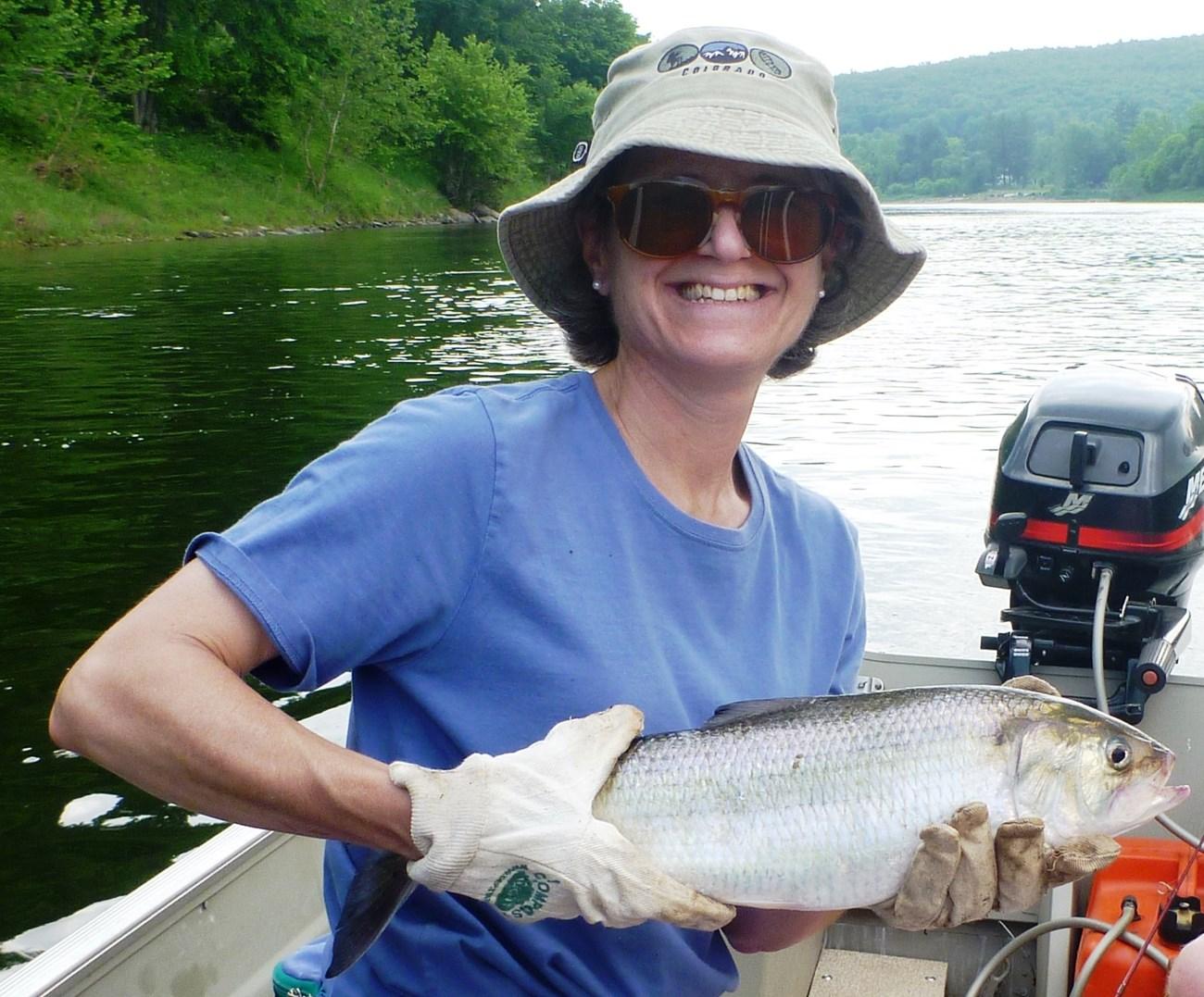 Milford
, Delaware, pairs a historic Mispillion River downtown with galleries, local dining, museums, trails and easy access to Delaware’s coast and beaches.
5 h 31 min drive · 311 km from city centre
Milford
Milford, Delaware, pairs a historic Mispillion River downtown with galleries, local dining, museums, trails and easy access to Delaware’s coast and beaches.
5 h 31 min drive · 311 km from city centre
-

-

-
-


Swipe for more cities
Explore more
Explore more of Delaware
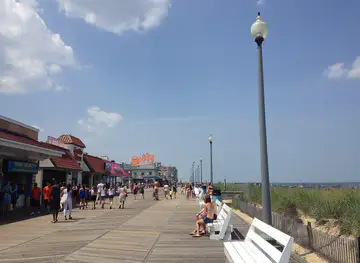
Discover Delaware: From historic sites and serene beaches to culinary delights and scenic parks, this small state offers big experiences for every traveler.
Explore Delaware