
Latinerkvarteret, Aarhus Travel Guide
Aarhus’ cobbled Latin Quarter, where medieval lanes, pastel townhouses and lively cafés create an intimate fusion of historic charm and contemporary city life.
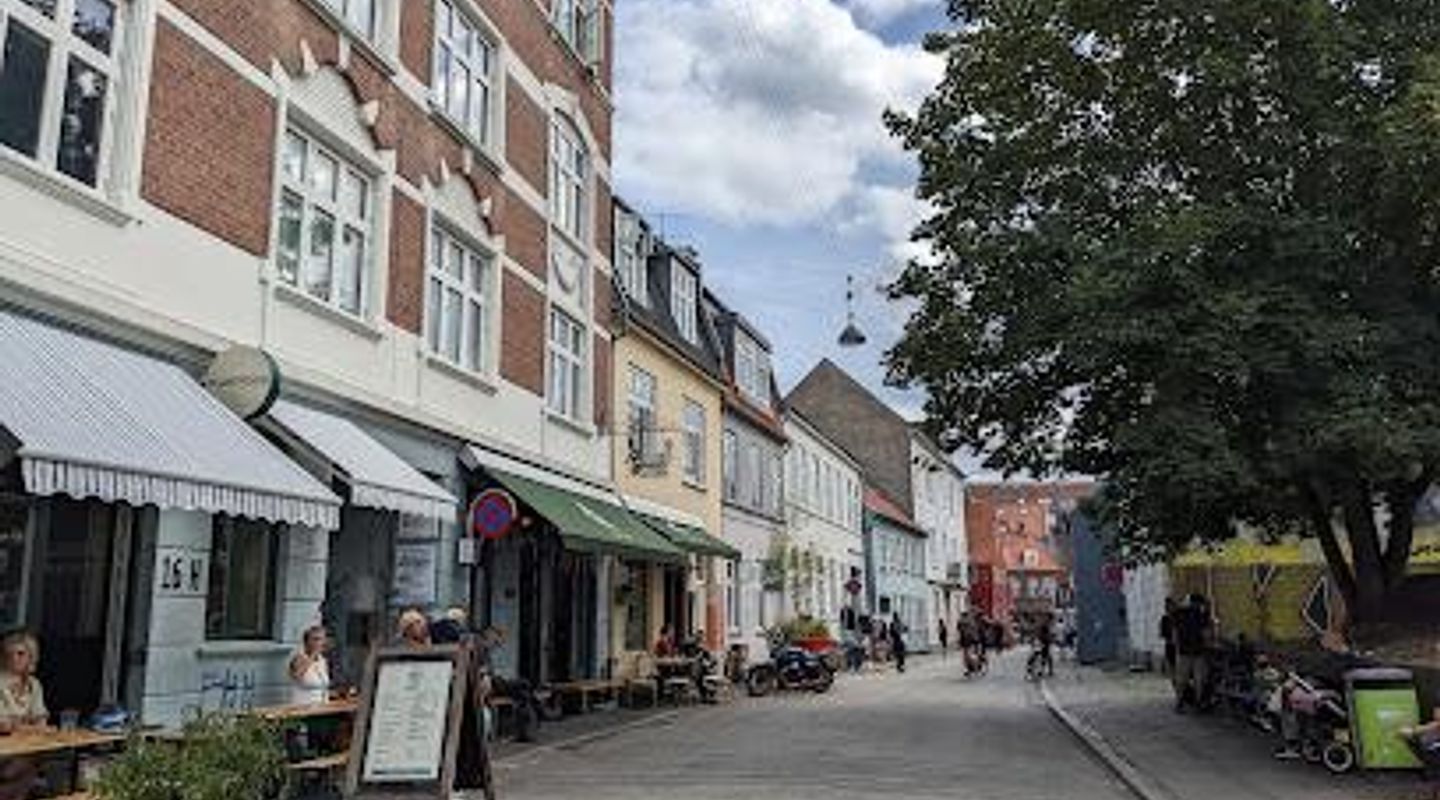
Latinerkvarteret is Aarhus’ historic Latin Quarter, a compact warren of cobbled lanes, low timbered houses and buzzing café terraces just behind the cathedral. Dating back to the late 14th century, it is one of the city’s oldest quarters and today mixes independent boutiques, galleries, bars and restaurants with small squares like Pustervig Torv, creating a charming blend of medieval atmosphere and modern urban life.
A brief summary to Latinerkvarteret
- Aarhus, Aarhus C, DK
- Duration: 1 to 3 hours
- Free
-
 Outdoor
- Mobile reception: 5 out of 5

Know before you go
Hi, I'm Eve. Here are a few practical things to know before exploring Latinerkvarteret.
- Aim for a weekday late morning or early afternoon to enjoy the streets and cafés before the evening crowd and after the commuter rush.
- Wear comfortable shoes; most streets are cobblestoned and slightly uneven, which adds charm but can be tiring on the feet.
- Bring a camera or phone with plenty of storage—the pastel facades, narrow lanes and café terraces offer excellent photo opportunities.
- If you prefer quieter surroundings, explore side streets off Graven and Klostergade, where small courtyards and tucked-away shops feel more secluded.
- In cooler months, plan to duck into cafés and boutiques between short walks; the quarter is ideal for alternating outdoor strolls with indoor breaks.
Do you manage this location?
Take control to get all the benefits, like improved information, better appearance, and stronger visibility across AI-powered discovery. Learn more about listing your business on Evendo
Activate your presenceOther nearby places you may find interesting
The closest places of the same kind, if this one is not quite what you had in mind.
Explore Latinerkvarteret on the Map
A handpicked selection of must-see spots near Latinerkvarteret, mapped for you.
Unlock the Best of Latinerkvarteret
Buy tickets
-
No tickets available
Book tours with entry


Getting There
-
Walk from Aarhus Cathedral and central city streets
From Aarhus Cathedral in the city centre, Latinerkvarteret is only a short walk away and effectively forms the streets behind the church. Expect a 3–10 minute stroll depending on your starting point in the inner city, mostly on flat, paved and cobbled surfaces. The area is compact and pedestrian-friendly but cobblestones can be challenging for some wheelchairs and strollers, especially in wet or icy weather.
-
City bus to Aarhus city centre
Many city bus lines stop around the central core of Aarhus near the cathedral and main shopping streets, typically a 5–10 minute walk from Latinerkvarteret. A single adult ticket within the city usually costs around 22–30 DKK and is valid across most local routes. Buses run frequently during the day and early evening, but late-night services can be less regular, so check schedules if you plan to stay out late in the quarter’s bars or restaurants.
-
Light rail (Letbanen) to central Aarhus
The Aarhus light rail connects suburbs and nearby towns with the central zone around the railway station, located roughly 10–15 minutes’ walk from Latinerkvarteret through level city streets. A standard adult fare within the relevant zones is generally in the 22–30 DKK range, and services run throughout the day with reduced frequency late at night and on some holidays. The walk from the station crosses busy commercial streets before reaching the quieter cobbled lanes of the quarter.
-
Bicycle within Aarhus city
Aarhus is notably bike-friendly, and Latinerkvarteret sits close to several main cycling routes in the centre. From most inner neighbourhoods, you can expect a 5–20 minute ride depending on distance and traffic. Some streets in the quarter are narrow, cobbled and shared with pedestrians, so cyclists often dismount and walk for the final blocks. Bike rental prices in the city typically start around 80–150 DKK per day, with options ranging from app-based rentals to full-service shops.
For the on-the-go comforts that matter to you
-
 Restrooms
-
 Drink Options
-
 Drinking Water
-
 Food Options
-
 Seating Areas
-
 Sheltered Areas
-
 Trash Bins
-
 Information Boards
-
 Visitor Center
Discover more about Latinerkvarteret
Old Aarhus Behind the Cathedral
Latinerkvarteret is the storied heart of Aarhus, unfolding in a tight knot of streets behind the cathedral where the medieval town once pressed up against its fortifications. The quarter began taking shape in the late 14th century, after the city was allowed to dismantle its Viking-era ramparts, and many of its lanes still follow those early footprints. Narrow passages, crooked lines of houses and unexpected little courtyards make the area feel intimate and human in scale.Although the name “Latin Quarter” was only formally adopted in the 1990s, it reflects an older reality: this has long been a place of trade, craft and conversation. The comparison with Paris’ Latin Quarter nods to the same mix of history, youth and café culture. In Aarhus, the result is a pocket of town where centuries-old walls and modern storefronts coexist in easy harmony.Cobbled Streets and Weathered Facades
Much of Latinerkvarteret’s appeal lies in its streetscape. Lanes such as Klostergade, Volden, Borggade and Graven are paved with cobblestones that slow the pace and encourage wandering rather than rushing. The buildings lining them range from simple two-storey townhouses to more ornate merchants’ homes; some structures trace their origins to the 16th century, with timber frames and steep tiled roofs that recall a very different Aarhus.Subtle details reward close inspection: hand-painted shop signs, old door knockers polished by generations of use, and pastel facades that catch the soft Danish light. Between them, small passages open unexpectedly onto inner courtyards where ivy climbs old brick and bicycles lean against the walls. The physical scale remains modest, but the textures and layers of age give the quarter a depth that unfolds slowly as you explore.Cafés, Boutiques and Everyday Hygge
Today Latinerkvarteret functions as one of Aarhus’ most atmospheric places for everyday urban life. Independent boutiques specialise in design objects, fashion, books and vintage finds, giving the area a distinct personality compared with larger shopping streets. Small galleries and studios add a creative edge, and you may glimpse works in progress through open doors and big street-facing windows.Cafés spill onto the pavement in warmer months, their tables forming informal living rooms where students, locals and visitors linger over coffee and pastries. Restaurants tucked into old buildings serve everything from Nordic-inspired dishes to simple bistro fare. In the evenings, bars and wine spots keep the quarter lively but cosy rather than overwhelming, creating the kind of intimate atmosphere that Danes describe as hygge.Pustervig Torv and Hidden Corners
At the centre of the quarter lies Pustervig Torv, a compact square that feels like a pocket-sized urban oasis. Framed by traditional buildings and a mix of shops and eateries, it offers a natural pause point, whether you are resting on a bench, watching cyclists pass or simply absorbing the rhythm of the neighbourhood. The square’s scale underscores the human-centred character of the area: nothing is grand, but everything feels close at hand.Radiating out from Pustervig Torv, smaller side streets reveal quieter corners of Latinerkvarteret. Here you might find a tiny record store, a specialist coffee bar or a secluded bench shared with a few potted plants. Because the area is woven into the wider city centre rather than cordoned off as a separate historic zone, everyday services and creative enterprises sit side by side, making the quarter feel lived-in rather than staged.Character, Atmosphere and Sense of Place
What ultimately defines Latinerkvarteret is not a single landmark but the interplay of setting, history and atmosphere. The proximity to the cathedral and main shopping streets keeps it firmly embedded in the city’s daily flow, yet its cobbles and crooked houses introduce a slower rhythm. Light changes the mood through the day: gentle morning calm when cafés first open, a hum of conversation in the afternoon, then a warm glow from windows and doorways after dusk.For many visitors, this quarter becomes the mental image they carry of Aarhus: intimate, walkable, quietly confident in its heritage yet open to new ideas. It is a place to wander without a checklist, let your route be guided by curiosity, and sense how an old Danish town has grown into a modern city without losing the charm of its oldest streets.












Your all‑in‑one travel companion app
Explore expert travel guides, compare and book tours, experiences, hotels, and more—all from the palm of your hand. Download now for seamless trip planning wherever your wanderlust takes you.


Explore More of Aarhus
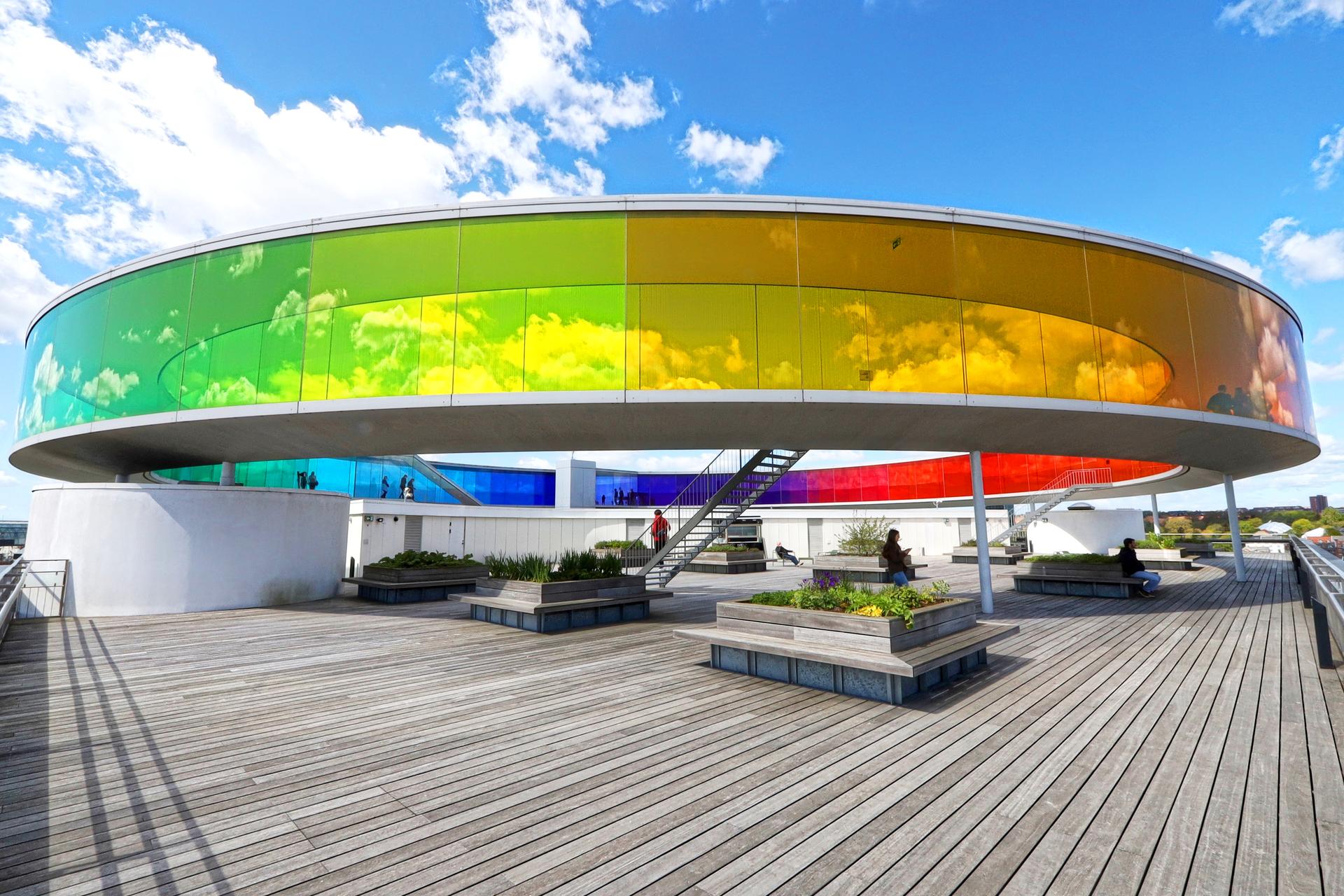
Looking beyond Latinerkvarteret? Discover Aarhus for broader travel guides, local hot-spots, and regional highlights.
Explore Aarhus
Art Nouveau splendour, four busy stages and more than a century of theatre-making in the cultural heart of Aarhus, just across the square from the cathedral.
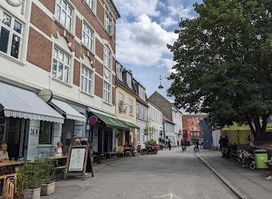
Aarhus’ oldest quarter: cobbled lanes, historic townhouses, indie shops and cosy cafés blending medieval roots with modern, bohemian city life.
