Møllestien
A short, rose-draped cobblestone lane where colorful 19th‑century workers’ houses keep centuries of Aarhus history alive in the quiet heart of the city.
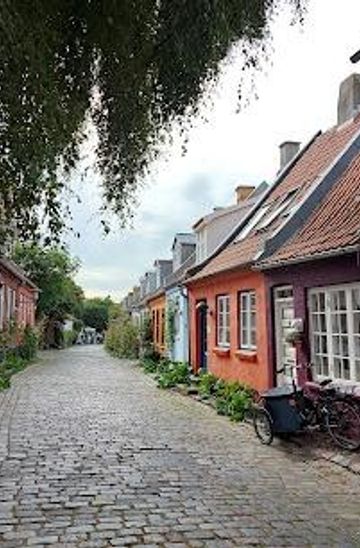
Tucked into the historic heart of Aarhus, **Møllestien** is a short cobblestone lane lined with tiny, color-washed houses and climbing roses. Dating back to at least the 13th century, it offers a rare glimpse of 19th‑century working-class housing, now carefully restored and cherished. Despite its central location, the lane feels like a quiet village alley, ideal for unhurried strolls and atmospheric photos that capture a softer, slower side of the city.
A brief summary to Møllestien
- Aarhus, Aarhus C, 8000, DK
- Duration: 0.5 to 1 hours
- Free
-
 Outdoor
- Mobile reception: 5 out of 5

Know before you go
Hi, I'm Eve. Here are a few practical things to know before exploring Møllestien.
- Visit early in the morning or near sunset for softer light on the pastel façades and fewer people in your photos.
- Remember it is a residential street: keep noise down, stay on the cobblestones and avoid photographing directly into windows or private yards.
- Wear flat, comfortable shoes; the old cobblestones are picturesque but can be uneven and slippery in wet weather.
- Combine a stroll here with nearby parks and cultural attractions to appreciate how this tiny lane fits into the wider story of Aarhus.
Do you manage this location?
Take control to get all the benefits, like improved information, better appearance, and stronger visibility across AI-powered discovery. Learn more
Activate your presenceGetting There
-
On foot from central Aarhus
From the central shopping streets and the cathedral area, allow around 5–10 minutes’ walk to reach Møllestien along generally flat pavements. The approach involves some cobblestones and narrow sidewalks, which can be tricky for wheelchairs and strollers but is manageable with care. Walking is free and often the simplest way to reach the lane given its very central location and limited nearby parking.
-
City bus within Aarhus
Several local bus routes run through the central city with stops a short walk from Møllestien, typically 5–8 minutes away on foot. A single adult ticket within the Aarhus urban zone usually costs about 20–30 DKK, depending on ticket type and purchase method, and buses generally run every 10–20 minutes during the day. Most buses are low-floor and accessible, but the final approach to the lane still includes cobblestones.
-
Light rail to Aarhus H and short walk
If you are elsewhere in the region, you can take the light rail or regional train to Aarhus H, the main station, then walk around 10–15 minutes through the city centre to Møllestien. Standard adult fares on regional trains and light rail in this part of Denmark typically range from about 25–80 DKK depending on distance and ticket type. Trains and light rail are fully accessible, but the last stretch to the street is on uneven historic surfaces.
For the on-the-go comforts that matter to you
-
 Restrooms
-
 Drink Options
-
 Drinking Water
-
 Food Options
-
 Seating Areas
-
 Trash Bins
-
 Information Boards
Discover more about Møllestien
A tiny lane with centuries of stories
Møllestien looks like a postcard come to life: uneven cobblestones, low houses painted in soft pastels, and roses curling up whitewashed walls. Yet this modest lane has roots stretching back to medieval Aarhus, when it formed part of the road network that served the town’s mill by the river. Over time the street shifted, shortened and changed name segments, but it remained a lived‑in corner of the city rather than a showpiece.The surviving stretch you see today preserves the scale and intimacy of 19th‑century working‑class housing. Many façades date from the 1870s and 1880s, when small one‑storey “outhouses” or booths lined the lane, occupied by craftsmen, laborers and families who squeezed everyday life into just a few small rooms.From slum backstreet to cherished heritage
By the early 20th century, Møllestien had fallen on hard times. As Aarhus industrialized, these tiny dwellings lacked modern sanitation and electricity, and the lane developed a reputation as a slum. Even during a housing shortage, several houses stood empty because they were in such poor condition. Plans in the 1960s called for large‑scale demolition and modern redevelopment.The turning point came when students, artists and other residents began to renovate the surviving houses themselves. They painted façades in cheerful colors, planted roses and climbers, and argued for preservation rather than clearance. Gradually, the city shifted course, keeping this western section almost intact and allowing it to become a living showcase of a bygone Aarhus.Architecture, roses and everyday details
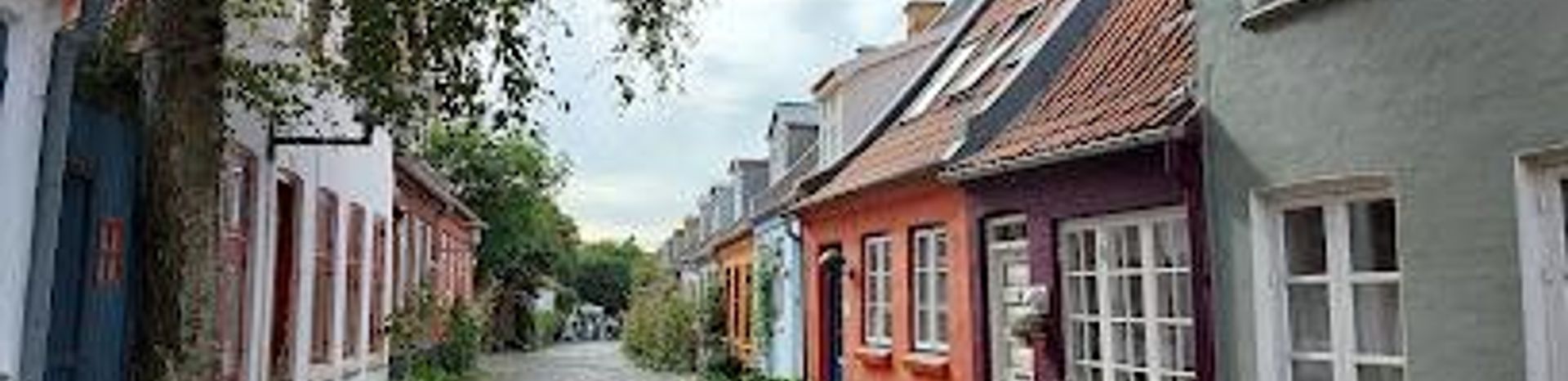
Architecturally, Møllestien is not grand, and that is its charm. The houses are low and narrow, often half‑timbered or brick beneath the plaster, with steep roofs and small dormers peeking over the street. Many buildings retain their modest proportions, so the lane feels intimate, with façades close enough to touch on both sides.What stands out most today are the colors and flowers. Dusty blues, ochres, terracottas and creams sit side by side, framed by deep‑green doors and window frames. In spring and summer, roses climb over doorways and window sills, and containers of herbs and perennials soften the cobbles. It is these small, domestic touches that make the street feel lived‑in rather than staged.A quiet pause in the middle of the city
Although the street lies only moments from busy central Aarhus, Møllestien often feels hushed. You may hear birds more than traffic, and your footsteps ring on the cobblestones as you move between the houses. The lane is short, but many visitors linger, noticing house numbers, old door knockers, garden details and tiny nameplates.There are no cafés, shops or museums here, just a residential street that happens to be unusually photogenic. That simplicity is part of the experience: a brief step sideways from the contemporary city into a slower rhythm, where you can imagine what everyday life might have felt like more than a century ago.Visiting with respect for a lived-in street
Because Møllestien is residential, the most important thing to bring is a sense of respect. Photography is welcome from the street, but it is worth keeping voices low and avoiding peeking into windows or doorways. Early mornings and evenings are especially atmospheric, with soft light catching the textured façades.The cobblestones can be uneven, so comfortable footwear is helpful, and those with mobility challenges may wish to take their time. Combine a gentle wander here with nearby green spaces and cultural sights to build a fuller picture of Aarhus, knowing that this little lane holds some of the city’s most evocative layers of history in just a few dozen meters.Explore the best of what Møllestien has to offer













More about East Jutland
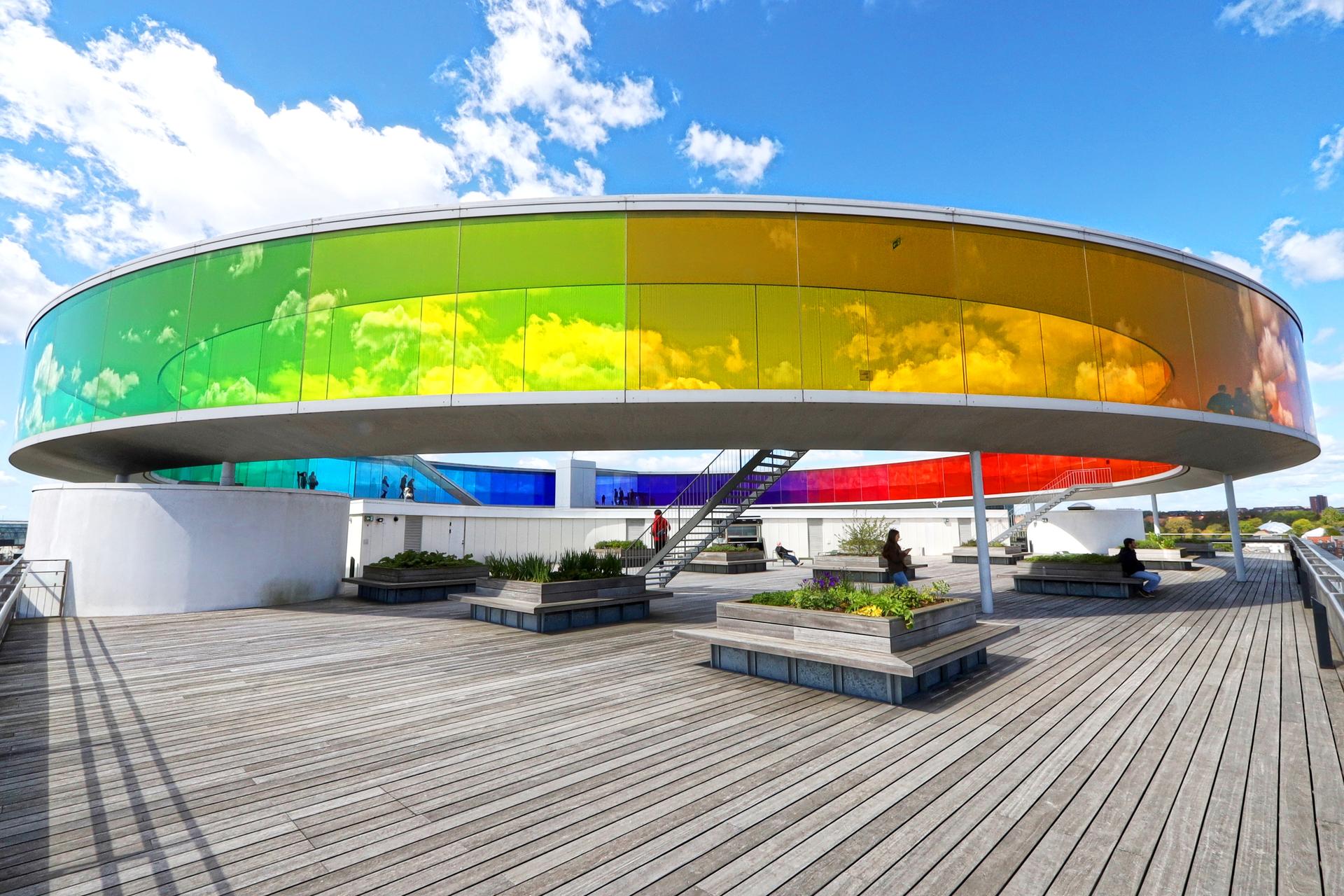
Discover East Jutland, Denmark's enchanting region blending vibrant cities, rich history, and stunning natural landscapes, perfect for every type of traveler.
Tell me more about East Jutland