Oluf Høst Museum Travel Guide
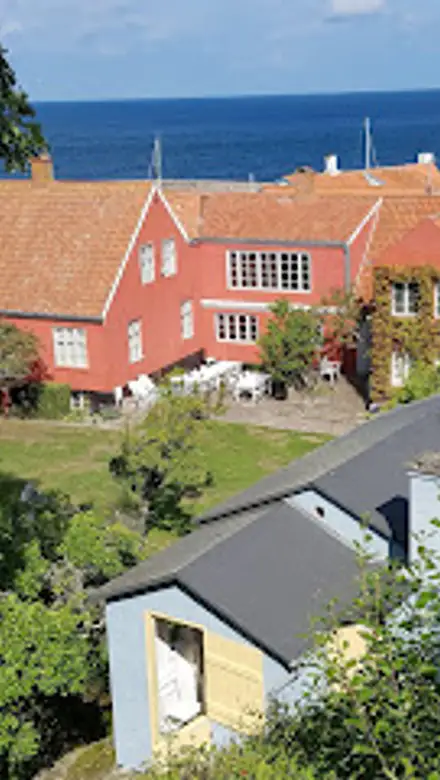
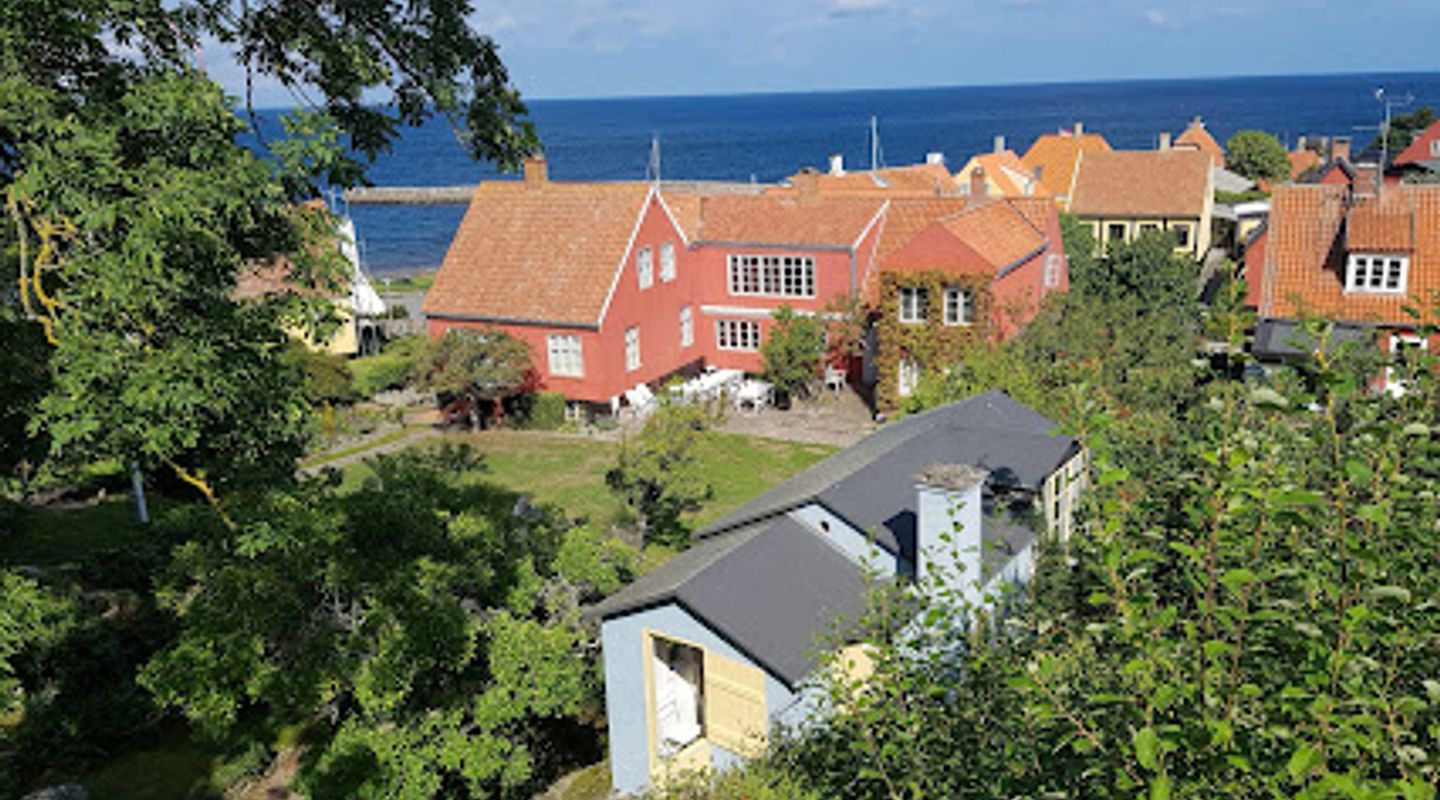
Free Guide: An intimate artist’s home and hillside garden where Oluf Høst’s paintings hang exactly where they were created, overlooking the sea and rooftops of Gudhjem.


A brief summary of Oluf Høst Museum
An intimate artist’s home and hillside garden where Oluf Høst’s paintings hang exactly where they were created, overlooking the sea and rooftops of Gudhjem.
Set on a rocky slope above Gudhjem’s north harbour, the Oluf Høst Museum is an intimate art museum in the former home and studios of Bornholm’s celebrated painter Oluf Høst (1884–1966). Paintings hang in the very rooms and garden ateliers where they were created, framed by granite outcrops, sea views and shifting Baltic light that inspired his classic modernist landscapes. Seasonal special exhibitions, a small cinema and a tranquil garden make this a quietly atmospheric stop in Gudhjem.
On-site amenities
 Restrooms
 Drink options
 Food options
 Seating areas
 Trash bins
 Information boards
Opening hours
- Every day11 am–5 pm
Opening hours as listed on the venue’s Google Business Profile. Hours can change for services and special events, so check with the venue before you go.
- Address
- Løkkegade 35, 3760 Gudhjem
- Phone
- Website
Getting there
Bus from Rønne on Bornholm
Car or taxi from elsewhere on Bornholm
Walking within Gudhjem
Discover more about Oluf Høst Museum
An artist’s villa overlooking the Baltic
The Oluf Høst Museum occupies Norresân, the whitewashed villa that painter Oluf Høst built in 1929 on the northern edge of Gudhjem, high above the Baltic Sea. He lived and worked here until his death in 1966, shaping the house and steep garden to suit his needs as an artist. Today the same rooms, terraces and outbuildings form a compact museum that still feels like a lived-in home rather than a formal gallery.Born and raised on Bornholm, Høst became the island’s best‑known artist and the only native member of the Bornholm School, a loose group of painters captivated by the island’s crystalline light and rugged coastline. Inside the villa you encounter his world at close range: weathered furniture, simple interiors and large canvases leaning over radiators or hanging above doorways, as they did in his lifetime.
Light, landscape and the Bornholm School
Høst’s work is steeped in Nordic light and landscape, and the collection here brings that obsession into sharp focus. More than 50 paintings, sketches and drawings span decades of his career, many centred on recurring motifs like the farmhouse Bognemark or the smokehouses at Nørresand. He painted some subjects hundreds of times, in snow, in dusk, under moonlight, or bathed in late summer sun, chasing subtle shifts of colour and atmosphere.Wall texts and a small film screened in the main house trace his path from studies in Copenhagen to exhibitions abroad, including New York and major European shows, before he settled permanently back on Bornholm. The museum places particular emphasis on his distinctive form of Scandinavian modernism, where solid, almost sculptural forms sit under brooding skies, and human presence is hinted at rather than described.
Studios in a quarry garden
Behind the villa, a steep rock garden climbs toward the remains of an old quarry. Narrow paths weave between granite boulders, wild grass and low shrubs, opening suddenly onto sea views and glimpses of Gudhjem’s red roofs below. Two separate studios punctuate this ascent: an atelier in the garden and a summer studio higher up, where Høst worked outdoors for much of the year.These workspaces now host changing exhibitions and interpretive displays about the artist’s life, family and circle of friends. Standing at the windows or on the small terraces, you can match the surrounding landscape to motifs you have just seen on canvas inside. The garden’s raw stone, salty air and shifting cloud cover make it easy to understand why Høst considered this hillside a vital part of his creative process.
Atmosphere, films and seasonal exhibitions
Beyond the permanent displays, the museum mounts temporary exhibitions each season, often pairing Høst’s works with fellow Danish artists or contemporaries who engaged with similar themes. These shows may be installed in the villa or the summer studio, adding fresh layers of context to the core collection without overwhelming the intimate scale of the house.A small cinema room offers a documentary about Høst, with archival footage, photographs and commentary that illuminate his methods and temperament. Throughout the museum, the emphasis remains on slow looking: there are few flashy digital installations, just carefully chosen texts, occasional multimedia stories and the quiet presence of paintings in familiar domestic spaces.
A quiet garden retreat within Gudhjem
Outside, benches are scattered among the rocks and trees, inviting you to linger with a view of the Baltic or simply enjoy the shelter of the garden walls on a windy day. In season, refreshments such as coffee and light drinks are available, turning the garden into a modest café‑like refuge. Families will find a small area where children can try their hand at painting, echoing the creative spirit of the place without disturbing its calm.Despite its location within Gudhjem, the museum feels surprisingly secluded once you step through the gate. The combination of homely interiors, concentrated art and a dramatic garden landscape makes it an evocative stop for anyone interested in Danish painting, Bornholm’s artistic heritage or just a contemplative hour away from the harbourfront bustle.
Evendo Review Centre
 Google
Guest reviews
Best time to go
Quietest: Jan, Feb & Nov · before 9am or from 7pm
Busy times are Evendo estimates for a typical year, to help you plan. Actual crowds vary with events, school holidays and the weather.
Explore Oluf Høst Museum on the map
A handpicked selection of must-see spots near Oluf Høst Museum, mapped for you.
Get your free copy of our complete guide to Oluf Høst Museum, delivered straight to you.
Everything on this page, from opening hours and how to get there to Eve’s tips and the best time to go, in one PDF you can read offline, print or share.
Already have an account? Sign in
Your Oluf Høst Museum guide is ready.
We'll send it to · Not you? Sign out

Getting your guide ready…
We are putting together a fresh copy of the Oluf Høst Museum guide. This can take up to a minute.
This can take a few moments. If your browser asks, choose Allow so the download can start. You'll find the guide in your Downloads folder.
Nothing happened? Download it again
Sorry, the guide is taking longer than usual. Please try again in a minute, or get it by email instead.
Other nearby places you may find interesting
The closest places of the same kind, if this one is not quite what you had in mind.
-
-
-
-
-


Swipe for more places
More to explore near Oluf Høst Museum

 Best experiences near Oluf Høst Museum
 Best hotels near Oluf Høst Museum
 Best landmarks near Oluf Høst Museum
 Best attractions near Oluf Høst Museum
 Best shops near Oluf Høst Museum
 Best restaurants near Oluf Høst Museum
 Best bars near Oluf Høst Museum
Do you manage this location?
Take control to get all the benefits, like improved information, better appearance, and stronger visibility across AI-powered discovery.
Explore more

Explore more of Bornholm
Explore Bornholm: Denmark's Baltic gem, offering stunning nature, rich history, and vibrant local culture. Perfect for nature lovers, history buffs, and food enthusiasts.
Explore Bornholm
Explore more of Denmark
Discover Denmark: A perfect blend of history, modern design, and the cozy concept of hygge. Explore vibrant cities, serene landscapes, and world-class cuisine.
Explore Denmark