
Hestestenene, Bornholm Travel Guide
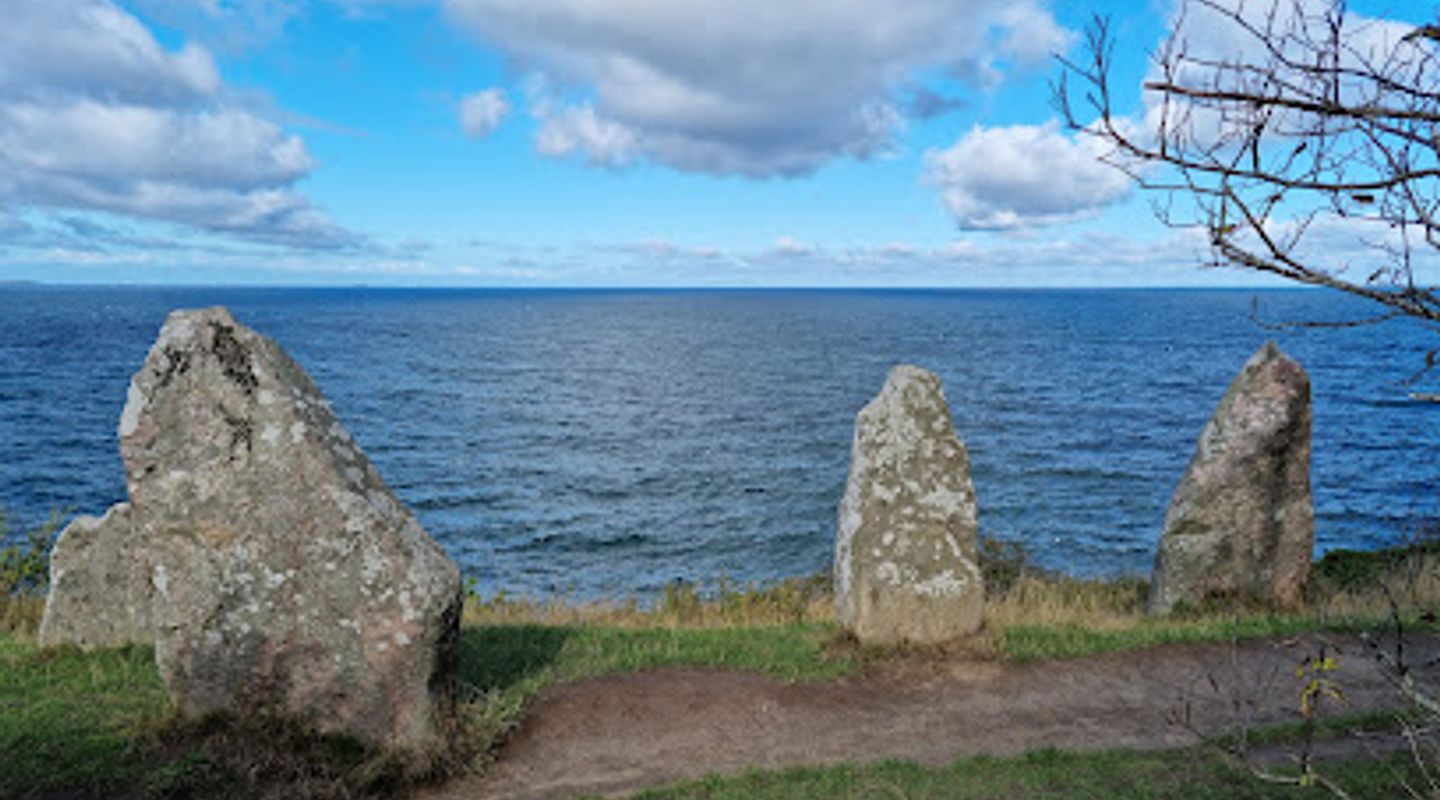
Four ancient standing stones on a Bornholm cliff-top, where sea views, coastal wind and enduring legends of horses and sacrifice animate a quiet historic stop.
Perched high above the Baltic Sea on Bornholm’s dramatic north coast, Hestestenene is a small but atmospheric cluster of four runic-age standing stones on the cliff-top path just outside Gudhjem. Here raw granite, wind and waves frame a place where archaeology and folklore blend: tales of doomed horse-drawn carriages in coastal fog and ancient sacrificial rites cling to these weathered stones. It is a compact, evocative stop on the coastal trail between Gudhjem and Helligdomsklipperne, ideal for walkers seeking history-laced sea views.
A brief summary to Hestestenene
- Helligdomsvej 2, Gudhjem, 3760, DK
- Duration: 0.5 to 1.5 hours
- Free
-
 Outdoor
- Mobile reception: 4 out of 5

Know before you go
Hi, I'm Eve. Here are a few practical things to know before exploring Hestestenene.
- Wear sturdy shoes: the coastal path is narrow, uneven and can be slippery after rain, especially near the cliff edge around the stones.
- Visit in the early morning or late afternoon for softer light that highlights both the stones and the dramatic coastline in photographs.
- Bring water and a windproof layer; there are no facilities on site and the exposed clifftop can feel cool even on sunny days.
- If visiting with children, set clear boundaries around how close to the cliff edge they may go, as there are no railings or barriers.
Do you manage this location?
Take control to get all the benefits, like improved information, better appearance, and stronger visibility across AI-powered discovery. Learn more about listing your business on Evendo
Activate your presenceOther nearby places you may find interesting
The closest places of the same kind, if this one is not quite what you had in mind.
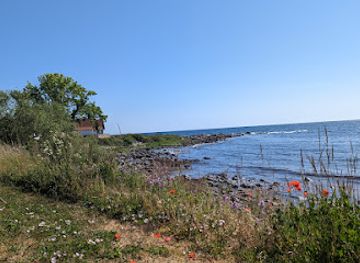
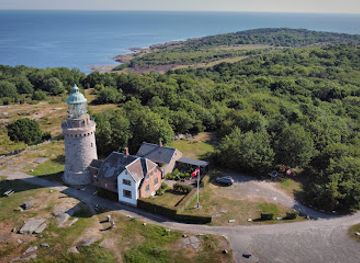
Explore Hestestenene on the Map
A handpicked selection of must-see spots near Hestestenene, mapped for you.
Getting There
-
On foot from central Gudhjem
From Gudhjem’s harbour area, allow around 20–30 minutes to reach Hestestenene along the signed coastal walking path towards Helligdomsklipperne. The route follows a narrow, sometimes rocky trail with short climbs and uneven surfaces. It is not suitable for wheelchairs or prams, and can be slippery after rain or in winter, so good footwear is important.
-
Local bus plus short walk
Regional buses serving the stretch between Gudhjem and Tejn typically run several times a day in high season and less frequently outside summer, with single adult fares usually in the range of 25–40 DKK depending on distance. Travel 5–10 minutes to a stop on Helligdomsvej near the coastal section closest to Hestestenene, then walk 10–20 minutes on footpaths and the coastal trail to the stones. Check current timetables and be prepared for limited evening and off-season services.
-
Bicycle along the north-coast roads
Cyclists can follow local roads such as Helligdomsvej between Gudhjem and the cliff areas in about 10–20 minutes, depending on fitness and wind. From the closest stretch of road, you will need to leave your bike in a safe spot and continue 5–10 minutes on foot along the coastal path, which is not bike-friendly. There is no dedicated bike parking, so bring a lock and avoid blocking gateways or private access.
For the on-the-go comforts that matter to you
-
 Information Boards
Discover more about Hestestenene
Clifftop Stones Above the Baltic
Hestestenene occupies a spectacular position on Bornholm’s rugged northern shore, a short walk along the coastal trail from the harbour town of Gudhjem. Four slender standing stones rise from the cliff-top, set just back from the edge where rock falls away steeply to the Baltic Sea. From here, the view stretches along jagged headlands and inlets, with the constant rush of surf against the rocks far below.The stones themselves are hewn from local granite, their weathered surfaces echoing the fractured cliffs around them. They stand in a small open patch amid low vegetation, exposed to wind and salt air. The setting is intimate rather than monumental: there is no grand enclosure or visitor infrastructure, just a simple meeting of stone, sky and sea that feels timeless.Silent Traces of the Iron Age
Hestestenene belong to the wider tradition of bautasten, upright stones erected on Bornholm during the late Bronze and Iron Ages. Across the island, such stones often marked burial grounds, assembly places or ritual landscapes, and Hestestenene appears to share that ceremonial character. Their placement on the high edge of the coastal slope suggests a deliberate choice, making them visible from land and perhaps once from the sea.No runic inscriptions remain on these stones, and written sources about their original purpose are scarce. Archaeologists interpret them primarily through comparison with other local sites, seeing them as part of a network of markers that structured movement and memory in the ancient landscape. Standing here, you sense how the site connects inland paths with the maritime horizon, bridging daily routes and spiritual ideas of passage.Legends of Horses and Sacrifice
Over centuries, local folklore has wrapped Hestestenene in vivid stories. One enduring tale speaks of a young bridal couple travelling by horse-drawn carriage along the cliffs in dense fog. Losing their way, they plunged over the edge and disappeared into the sea, while the terrified horses, frozen at the brink, were turned to stone. In this version, each upright block becomes a petrified animal caught in its final moment.Another story is older and darker: that the cliff above Salene Bay once served as a sacrificial place where horses were driven over the precipice as offerings. The standing stones then mark a sacred site of exchange with the gods, joined to the deep waters below. Whether or not such rites occurred, the legends reveal how islanders have long sensed something uncanny in the combination of stones, height and sea.A Coastal Stop on the Gudhjem Trail
For today’s visitors, Hestestenene is both a historical curiosity and a welcome pause along one of Bornholm’s most scenic walking routes. The narrow path threads between rock outcrops, low shrubs and glimpses of the water, before suddenly opening onto the small plateau where the stones stand. It is a natural place to rest, look back towards Gudhjem’s red roofs or onward to the dramatic Helligdomsklipperne, and imagine earlier travellers passing this same point.There is no formal ticketing or facilities; the experience is deliberately low-key. The simplicity invites unhurried exploration: circling the stones, noticing how their silhouettes shift against the horizon, or sitting nearby with a thermos while clouds move over the sea. In calm weather the atmosphere is meditative, while on windy days the site feels raw and elemental.Atmosphere, Seasons and Safety
Hestestenene changes character with light and season. On bright summer days, the grey granite contrasts sharply with blue water and the greens of coastal vegetation, making it a photogenic spot. In autumn and winter, muted tones and heavier seas give the site a more brooding quality that suits its legends. Sunrise and late afternoon often bring especially evocative light along the cliffs.Because the stones stand close to a steep slope, caution is essential, especially in wet or icy conditions and when visiting with children. There are no barriers, and the ground can be uneven. Yet this lack of development also preserves the site’s authenticity: Hestestenene remains a small, unsupervised remnant of Bornholm’s prehistoric landscape, encountered much as it has been for generations of walkers and storytellers.












Your all‑in‑one travel companion app
Explore expert travel guides, compare and book tours, experiences, hotels, and more—all from the palm of your hand. Download now for seamless trip planning wherever your wanderlust takes you.


Explore More of Bornholm

Looking beyond Hestestenene? Discover Bornholm for broader travel guides, local hot-spots, and regional highlights.
Explore Bornholm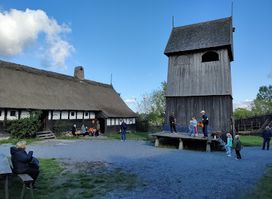
Step into a re‑created medieval Bornholm of manors, mills, craftsmen and archers, where hands‑on history, island scenery and family‑friendly storytelling meet.
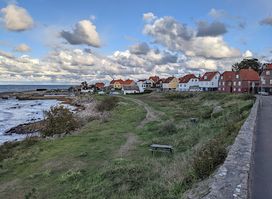
Unassuming harbour rocks at Nørresand mark the start of a classic Bornholm coastal hike from Gudhjem to the dramatic Sanctuary Cliffs of Helligdomsklipperne.
