
Hvolris Jernalderlandsby, Central Jutland Travel Guide
Open‑air Iron Age village and archaeological landscape in Skals Ådal, where reconstructed longhouses, real excavations, art and nature walks meet north of Viborg.
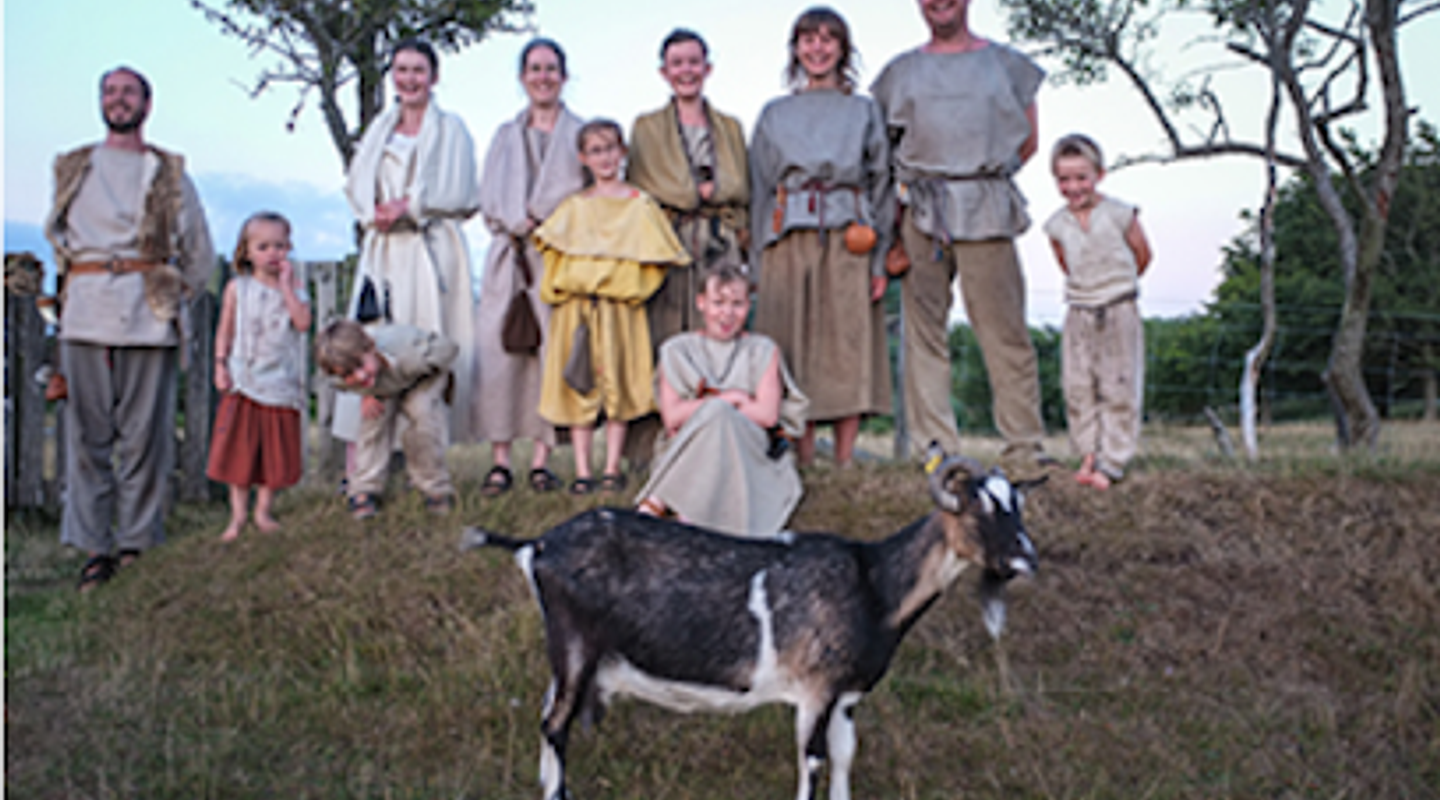
Set in the rolling Skals Ådal valley north of Viborg, Hvolris Jernalderlandsby is an atmospheric open‑air museum that brings Denmark’s Iron Age to life. Among reconstructed longhouses, workshops and a working smithy, you explore how people lived around the time of year 0, side by side with real archaeological excavations. Walking paths, a sculpture grove, nature playground and small exhibitions with original finds round out a visit that blends cultural history with tranquil countryside.
A brief summary to Hvolris Jernalderlandsby
- Herredsvejen 135, Møldrup Municipality, 9632, DK
- Click to display
- Duration: 2 to 4 hours
- Budget
-
 Outdoor
- Mobile reception: 4 out of 5
- Monday 10 am-3 pm
- Tuesday 10 am-3 pm
- Wednesday 10 am-3 pm
- Thursday 10 am-3 pm
- Friday 10 am-3 pm

Know before you go
Hi, I'm Eve. Here are a few practical things to know before exploring Hvolris Jernalderlandsby.
- Plan at least half a day to combine the reconstructed village, indoor exhibition and a walk through the sculpture grove and nature playground.
- Check seasonal opening dates and “living Iron Age” periods in advance if you want to see crafts, cooking and other activities in action.
- Wear sturdy shoes; paths are generally easy but can be uneven or muddy after rain, especially on the slopes in the valley.
- Bring layers and a windproof jacket, as much of the experience is outdoors and the exposed hillsides can feel cool even in summer.
- Families with buggies or wheelchairs should follow the signposted accessible routes and allow extra time for the gradual inclines.
Do you manage this location?
Take control to get all the benefits, like improved information, better appearance, and stronger visibility across AI-powered discovery. Learn more about listing your business on Evendo
Activate your presenceOther nearby places you may find interesting
The closest places of the same kind, if this one is not quite what you had in mind.
Explore Hvolris Jernalderlandsby on the Map
A handpicked selection of must-see spots near Hvolris Jernalderlandsby, mapped for you.
Getting There
-
Car from Viborg
From central Viborg, driving to Hvolris Jernalderlandsby typically takes 25–35 minutes through rural countryside. The route follows regional roads with good surfaces and is straightforward in all seasons except during heavy snow or ice, when extra time is sensible. Parking is available near the entrance and is generally free; spaces for larger vehicles and disabled parking are signposted.
-
Bus from Viborg
Regional buses run between Viborg and the Møldrup area, with a typical journey of 35–50 minutes depending on the line and time of day. Services run less frequently on weekends and school holidays, so it is important to check current timetables. Expect to pay in the range of 30–60 DKK one way for an adult ticket within the regional fare zones.
-
Cycling from nearby villages
From smaller villages in the Møldrup and Skals areas, experienced cyclists often reach Hvolris in 20–40 minutes using local country roads and minor lanes. Surfaces are mostly paved but can include short stretches with light traffic, gentle hills and exposure to wind, so weather‑appropriate clothing and lights are recommended. There is space to lock bicycles close to the entrance.
For the on-the-go comforts that matter to you
-
 Restrooms
-
 Drink Options
-
 Drinking Water
-
 Food Options
-
 Seating Areas
-
 Sheltered Areas
-
 Picnic Areas
-
 Trash Bins
-
 Information Boards
-
 Visitor Center
Discover more about Hvolris Jernalderlandsby
Iron Age life in a Danish river valley
Hvolris Jernalderlandsby sits in the Skals Ådal valley about 20 kilometres north of Viborg, where archaeologists have traced human activity back some 6,000 years. The open‑air museum focuses on the Iron Age around the time of year 0, inviting you into a landscape where past and present still overlap. As you arrive, the broad valley, woodland edges and open fields make it easy to imagine why people chose this spot for settlement.The village belongs to Viborg Museum and combines research, landscape and hands‑on interpretation. Rather than isolating the past behind glass, Hvolris turns the entire hillside into a kind of living workshop, with paths leading between excavation areas, reconstructed houses and nature installations.Reconstructed longhouses and working workshops
At the heart of Hvolris are several reconstructed Iron Age longhouses, built using traditional techniques with timber frames, wattle‑and‑daub walls and thick thatched roofs. Stepping inside, you move through dim interiors where a central hearth, benches and simple storage areas show how family life once revolved around fire, farming and livestock.Scattered around the houses are craft buildings and a smithy, where the tools and layouts illustrate how ironworking, pottery and textile production underpinned everyday survival. On selected days, staff demonstrate historic skills such as forging, outdoor cooking or fibre work, turning static structures into a vivid scene of smoke, sound and movement.Archaeology side by side with reconstruction
One of Hvolris’ distinctive features is the close proximity of active archaeological areas to the rebuilt village. Information panels explain the layers uncovered in the surrounding fields and slopes, from Stone Age traces through to the main Iron Age phases.This juxtaposition of excavation trenches and finished longhouses makes it unusually clear how archaeologists move from soil stains and postholes to full reconstructions. You see where objects on display were found and how small clues—charcoal, pottery shards, nail fragments—translate into knowledge about building techniques, trade and belief.Nature, sculpture grove and outdoor play
Beyond the historical core, Hvolris opens into a larger nature area threaded with walking paths. A sculpture grove blends art with the landscape, with works placed among trees and clearings so that you encounter them gradually as you wander the valley.Families appreciate the nature playground, where children can climb, balance and dig in a setting that still feels close to the countryside rather than an urban park. Picnic spots and simple seating areas encourage you to linger, listening to birdsong and the wind in the trees between periods of more focused exploration in the village and exhibition spaces.Exhibitions, café and seasonal activities
Indoors, a compact exhibition presents original finds from the Hvolris area, placing them in context with maps, models and concise text. Everyday items such as tools, pottery and jewellery show the material side of Iron Age life, while burial finds hint at rituals and social structures.During parts of the season, interpreters animate the site as a “living Iron Age” with extra activities, workshops and thematic days. A small café operates on open days, offering refreshments and a chance to warm up or cool down depending on the weather. Paths are laid out to be as accessible as possible, and information is available for visitors with different mobility and sensory needs, reinforcing the museum’s focus on welcoming a broad audience.Seasonal rhythms and practical visit patterns
Hvolris generally opens on weekdays from early April to the end of October, with extended hours and more programming in the main summer and autumn holiday periods. Outside those times, the valley still feels rural and calm, but the reconstructed village and indoor facilities are not usually accessible.Most visits last two to four hours, allowing time for the village, exhibition, nature walks and a break at the café. The rural setting means you experience changing light, weather and vegetation through the season, from fresh spring greens to high‑summer fields and cooler autumn colours, all of which add their own character to the Iron Age atmosphere.More to explore near Hvolris Jernalderlandsby













Your all‑in‑one travel companion app
Explore expert travel guides, compare and book tours, experiences, hotels, and more—all from the palm of your hand. Download now for seamless trip planning wherever your wanderlust takes you.


Explore More of Central Jutland
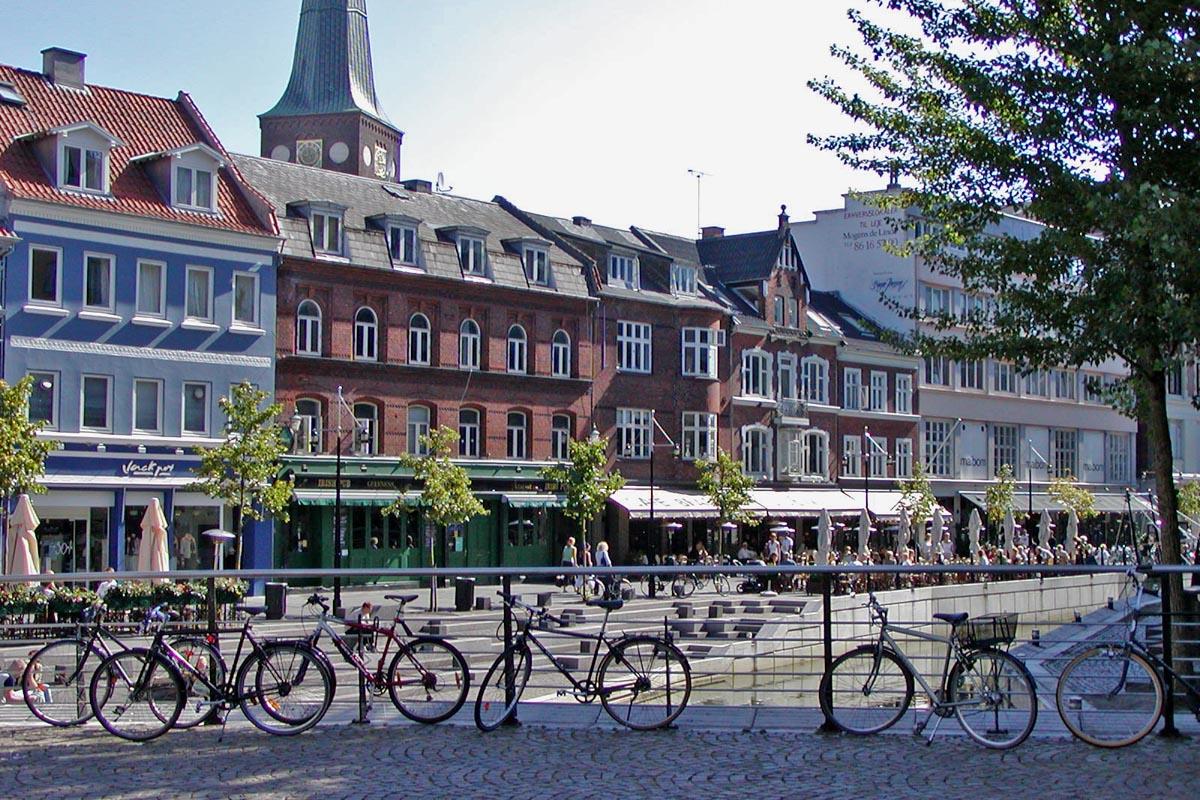
Looking beyond Hvolris Jernalderlandsby? Discover Central Jutland for broader travel guides, local hot-spots, and regional highlights.
Explore Central Jutland
Serene woodland escape with marked trails, wildlife watching, and easy access from Viborg town center.
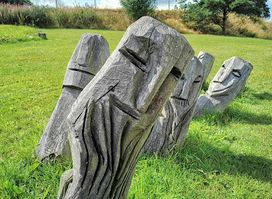
Step into another tempo in a working Iron Age village where archaeology, reconstructed longhouses and a sculpture-studded valley bring 6,000 years of history to life.
